Buenos Aires Tetra Plant Eating – How To Keep Your Fish
Buenos Aires Tetras are notorious for plant eating, often consuming soft-leaved species like Amazon Swords. To manage this, provide vegetable-rich foods and stick to hardy, bitter-tasting plants like Anubias and Java Fern.
In my decade of maintaining community tanks, I have found that few fish are as energetic and hardy as the Buenos Aires Tetra. Scientifically known as Hyphessobrycon anisitsi, these members of the Characidae family are striking, but they come with a specific reputation.
The issue of buenos aires tetra plant eating is a common hurdle for many aquarists who want a well-grown, green landscape. When I first introduced a school of these tetras into a heavily planted aquascape, I watched in shock as they turned my delicate stem plants into skeletons overnight.
Understanding their natural instincts and dietary needs is the first step toward a peaceful aquarium. While they are often labeled as “plant destroyers,” you can absolutely keep them in a beautiful tank if you know which species to choose and how to feed them properly.
At a glance: Buenos Aires tetra (Psalidodon anisitsi)
- Temperature
- 64–82°F (18–28°C)
- Water pH
- 5.8–8.5
- Adult size
- 2.75 in (7 cm)
- Minimum tank
- 30 gal
- Group size
- Groups of 6+
- Temperament
- Boisterous, eats soft plants
- Diet
- Omnivore with a plant appetite: flakes, pellets, blanched greens
- Lifespan
- 5 years
Keeper’s tip: They will strip soft-leaved plants, so use tough species like java fern and anubias.
Buenos Aires Tetra Plant Eating: Understanding the Behavior
To effectively manage buenos aires tetra plant eating, we must first understand why it happens in the first place. In their native South American habitats, these fish are opportunistic omnivores that rely on a mix of protein and vegetation.
In the wild, they often graze on soft-leaved macrophytes and algae when other food sources are scarce. In the home aquarium, this grazing instinct doesn’t simply disappear, even if you are feeding them high-quality flakes every morning.
I’ve noticed that their “nibbling” behavior often stems from a lack of dietary fiber or simple boredom. These are high-energy fish that spend most of their day exploring, and a soft leaf looks like a perfect snack or a toy to them.
Pro Tip: If you notice your tetras suddenly attacking plants they previously ignored, check your feeding frequency. I’ve found that feeding smaller amounts three times a day, rather than one large meal, keeps their “grazing” curiosity at bay.
It is also important to distinguish between “tasting” and “consuming.” Sometimes, these tetras will nip at a leaf just to see if it’s edible, leaving small holes that can lead to rot.
Plant Species That Can Survive the Buenos Aires Tetra
If you are set on having a planted tank, you need to select flora that is either too tough to chew or too bitter to be palatable. Over the years, I have curated a list of “Tetra-proof” plants that have survived even my most aggressive schools of Hyphessobrycon anisitsi.
Plants with thick, leathery leaves are your best bet. Species like Anubias barteri and Microsorum pteropus (Java Fern) are excellent choices because they have a bitter taste that most fish find repulsive.
On the other hand, you should avoid Echinodorus grisebachii (Amazon Sword) and most stem plants. These are essentially “aquarium salad” for a hungry Buenos Aires Tetra, and they will likely be decimated within days.
| Plant Species | Durability Level | Why It Works |
|---|---|---|
| Anubias barteri | High | Thick, waxy cuticle and bitter taste. |
| Java Fern | High | Fibrous structure that is hard to tear. |
| Bolbitis heudelotii | Medium-High | Tough, translucent leaves. |
| Vallisneria americana | Medium | Fast growth can sometimes outpace nipping. |
| Amazon Sword | Low | Soft leaves are easily consumed. |
When planting, I always recommend starting with larger, established specimens. Younger, more delicate plant tissue consumption is far more likely to occur than damage to mature, hardy leaves.
The Role of Java Fern and Anubias
Java Fern and Anubias are the “holy grail” for Buenos Aires Tetra owners. These plants are epiphytes, meaning they grow attached to driftwood or rocks rather than being buried in the substrate.
The rhizome of these plants is very tough, and the leaves have a texture similar to plastic. In my experience, even the hungriest tetras will give up after one or two unsuccessful nibbles on an Anubias leaf.
Using Fast-Growing “Sacrificial” Plants
Some hobbyists use a strategy involving fast-growing plants like Vallisneria americana. While the tetras may nip at the tips, the plant grows so quickly that the damage is often unnoticeable.
I have also tried using “sacrificial” plants like duckweed. If you provide a constant supply of floating greens, you may find that the buenos aires tetra plant eating focus shifts away from your prize aquascape.
Feeding Strategies to Curb Plant Consumption
Diet is the most powerful tool you have to prevent your tetras from treating your tank like a buffet. If they are getting all the vegetable matter they need from their food, they are much less likely to seek it out from your plants.
Standard fish flakes are often too high in protein and lack the necessary fiber. I highly recommend incorporating foods that contain Spirulina platensis or other algae-based ingredients.
In my years of fish keeping, I’ve found that offering fresh vegetables is a big help. Blanched zucchini, cucumber, and even shelled peas are favorites for these active swimmers.
Pro Tip: Use a seaweed clip to attach a piece of Nori (dried seaweed) to the side of the glass. This provides a focused area for grazing and can drastically reduce the instances of random plant nipping.
If you keep their bellies full of appropriate greens, you satisfy the biological urge for plant tissue consumption without sacrificing your beautiful greenery.
The Importance of Spirulina
Spirulina is a powerhouse of nutrition for omnivorous fish. It provides essential vitamins and minerals that help maintain the rich silver and red colors of the Buenos Aires Tetra.
I usually look for pellets or flakes where Spirulina is listed as one of the first three ingredients. This makes sure the fish are getting a concentrated dose of the plant matter they naturally crave.
Implementing a Varied Diet
Variety is key to keeping these fish healthy and distracted. I suggest a rotation of high-quality flakes, frozen brine shrimp, and vegetable-based wafers.
When you are mastering their care, you will notice that a well-fed fish is a much calmer tank inhabitant. This reduces stress for both the fish and the aquarist who spent hours planting the tank.
Designing a Tetra-Friendly Aquascape
If you are planning a new tank for these tetras, the layout matters just as much as the plant choice. These are schooling fish that need plenty of open swimming space to burn off energy.
I like to use a “hardscape-heavy” approach. By using large pieces of driftwood and interesting rock formations, you create a visual impact that doesn’t rely solely on delicate plants.
You can tuck your hardy plants like Anubias barteri into the crevices of the wood. This protects the roots and keeps the plants out of the direct path of the most active swimming lanes.
The Benefit of Artificial Plants
While many purists avoid them, high-quality silk plants are a viable option if you want a well-grown look without the risk. Modern silk plants look incredibly realistic and are completely immune to buenos aires tetra plant eating.
I often mix silk plants in the background with hardy live plants in the foreground. This creates a deep, layered look that is both beautiful and functional for the fish.
Providing Hiding Spots
Despite their outgoing nature, these tetras appreciate places to retreat. Thick clusters of Bolbitis heudelotii or dense Java Fern provide excellent cover for subdominant members of the school.
When the fish feel secure, they are less likely to exhibit frantic or destructive behaviors. A well-designed tank promotes natural schooling, which is a joy to watch.
Maintaining Best Water Parameters
Healthy fish are less likely to engage in destructive grazing. Buenos Aires Tetras are remarkably hardy, but they stay healthy when kept in stable conditions.
They are one of the few tetras that can tolerate cooler temperatures, making them a great choice for unheated indoor tanks. However, consistency is more important than the specific number on the thermometer.
| Parameter | Ideal Range |
|---|---|
| Temperature | 64°F – 82°F (18°C – 28°C) |
| pH Level | 6.0 – 8.0 |
| Water Hardness | 5 – 20 dGH |
| Minimum Tank Size | 30 Gallons |
Maintaining clean water through regular changes will prevent stress. When fish are stressed, they often exhibit “pica,” or the consumption of non-food items, which can include your aquarium plants.
When choosing the right companions for these tetras, help they are also capable of handling the same water parameters. This creates a stable environment where everyone can settle in.
FAQ
Will Buenos Aires Tetras eat all types of plants?
No, they typically avoid plants with very tough or bitter leaves. While they will devour Amazon Swords and Rotala, they generally leave Java Fern, Anubias, and Bolbitis alone.
Can I keep them in a 10-gallon tank?
I strongly advise against it. These are active, fast-swimming fish that grow to about 3 inches. A 30-gallon tank is the minimum size to prevent aggressive behavior and excessive plant nipping due to cramped quarters.
Do they eat algae?
They will graze on some types of soft algae, but they are not efficient algae eaters like Otocinclus or Amano shrimp. You should not rely on them for tank cleaning.
How many should I keep together?
They are schooling fish and should be kept in groups of at least 6 to 8. In smaller groups, they can become fin-nippers and may take out their frustration on your plants more frequently.
What is the best vegetable to feed them?
In my experience, blanched zucchini is the most popular choice. Simply boil a slice for two minutes, let it cool, and drop it in. Remove any leftovers after 24 hours to prevent water fouling.
Putting it all together
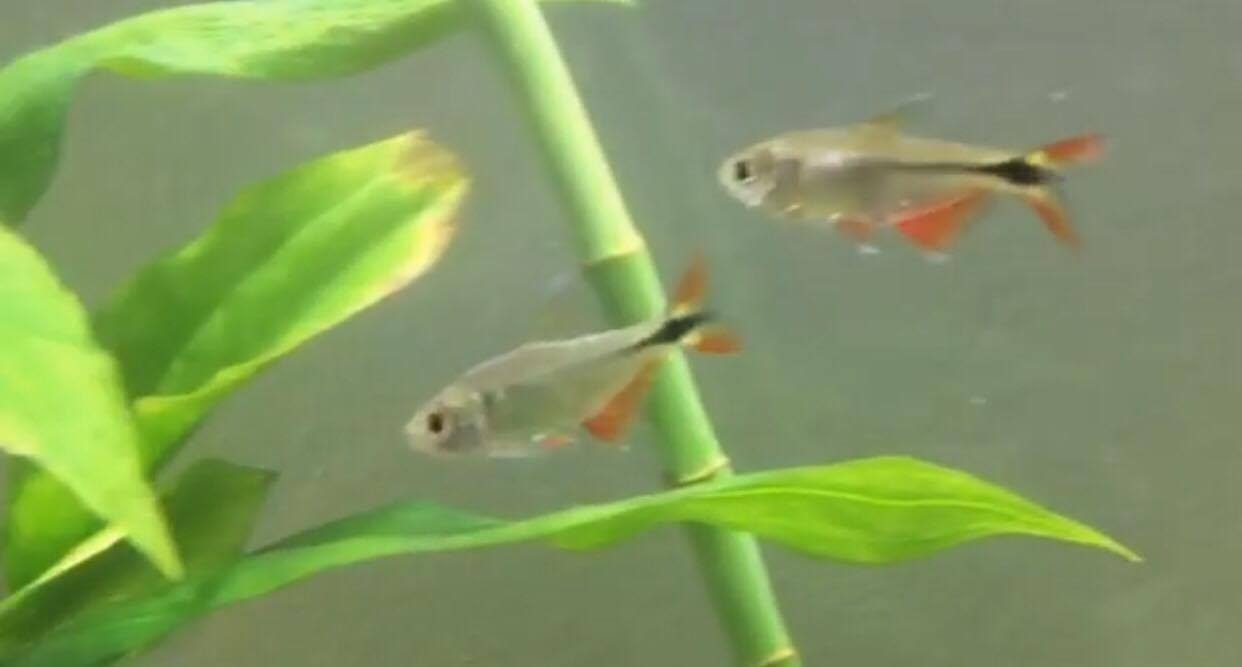
The challenge of buenos aires tetra plant eating is a real one, but it shouldn’t deter you from keeping these magnificent fish. Their shimmering silver bodies and rich red fins bring a level of energy to an aquarium that few other species can match.
If you choose hardy plants like Anubias barteri and Microsorum pteropus, you can create a green environment that stands up to their curiosity. Coupled with a diet rich in vegetable matter and Spirulina platensis, you can significantly reduce their desire to snack on your aquascape.
Success in the aquarium hobby is all about balance and understanding the needs of your inhabitants. With the right approach, you can enjoy both a healthy school of Buenos Aires Tetras and a beautiful, planted tank for years to come.

- 2003First tank
- 20+Years keeping
- 40+Tanks kept
- 0Sponsored picks
Howard set up his first 10-gallon planted tank in 2003 and lost half of it within six weeks. Two decades and more than forty aquariums later, he writes the guides he wished he had then: clear numbers, the reasons behind them, and what actually goes wrong in home tanks.