Are Black Skirt Tetras Aggressive – Causes and Fixes
Black skirt tetras are generally considered semi-aggressive fish, primarily known for their tendency to nip fins. This behavior is usually a result of stress, small school sizes, or being kept in an undersized aquarium environment.
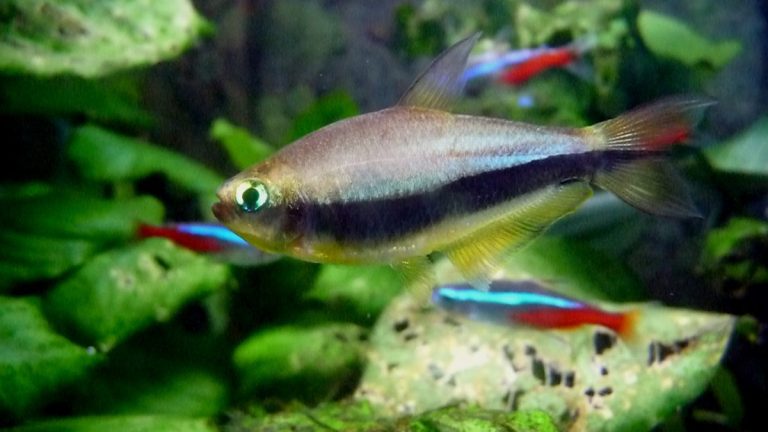
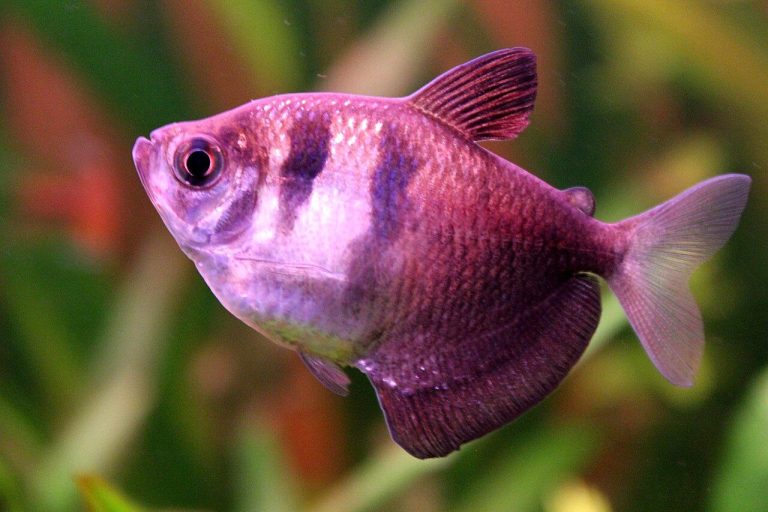
When you first walk into a local fish store, the striking contrast of the Black Skirt Tetra (Gymnocorymbus ternetzi) often catches your eye. These deep-bodied fish, members of the Characidae family, bring a unique silhouette and a sophisticated dark aesthetic to any freshwater setup.
In my experience of maintaining community tanks for over a decade, I have found that these fish are often misunderstood. Beginners frequently ask, are black skirt tetras aggressive, after seeing them chase each other or nip at a neighbor’s long fins.
The truth is that while they aren’t “aggressive” in the way a territorial Cichlid might be, they do possess a spirited and sometimes nippy nature. Understanding their social structure and environmental needs is the key to transforming a chaotic tank into a peaceful underwater world.
At a glance: Black skirt tetra (Gymnocorymbus ternetzi)
- Temperature
- 70–85°F (21–29°C)
- Water pH
- 6.0–7.5
- Adult size
- 2.5 in (6 cm)
- Minimum tank
- 20 gal
- Group size
- Groups of 6+
- Temperament
- Semi-peaceful, may nip fins
- Diet
- Omnivore: flakes, pellets, frozen foods
- Lifespan
- 3–5 years
Keeper’s tip: Keep them in a proper group; singles and pairs are the ones that harass bettas and angelfish.
Understanding the Temperament of Gymnocorymbus ternetzi
To answer the question of their temperament, we have to look at their biology. Black Skirt Tetras are naturally active, schooling fish that establish a hierarchical dominance within their group.
In the wild, they use this hierarchy to make sure the strongest individuals have the best access to food and safety. In a home aquarium, this often translates to agonistic behavior, such as short bursts of chasing or “mock” fighting.
I’ve noticed that many new keepers mistake this natural interaction for true aggression. When they are comfortable and in a large enough group, these behaviors are usually confined to their own species.
Pro Tip: If you see your Black Skirt Tetras “shaking” their fins at each other or circling rapidly, don’t panic immediately. This is often just a display of dominance and is a sign that they are healthy enough to establish a social order.
are black skirt tetras aggressive? The Role of Shoaling Dynamics
One of the biggest mistakes I see hobbyists make is making sure these fish in groups that are too small. When kept in pairs or trios, their natural shoaling dynamics break down completely.
Without a large enough group to spread out their energy, a single dominant fish may become a “bully.” This individual will often target its few remaining companions or, worse, turn its attention to other species in the tank.
By increasing the number of individuals, you allow the conspecific aggression to be distributed among many fish. This prevents any one fish from being singled out and stressed to the point of illness.
| Group Size | Expected Behavior | Aggression Risk |
|---|---|---|
| 1-3 Fish | Extreme stress, hiding, or severe bullying of tank mates. | Very High |
| 4-5 Fish | Unstable hierarchy; frequent nipping at each other. | Moderate |
| 6-10 Fish | Natural schooling; aggression is mostly internal and harmless. | Low |
| 12+ Fish | Confident, peaceful schooling; ideal for community tanks. | Very Low |
The Impact of Tank Size and Stocking Density
Space is a massive factor when considering if are black skirt tetras aggressive in your specific setup. A cramped environment leads to increased cortisol levels in fish, which triggers “fight or flight” responses.
I recommend a minimum of 20 gallons for a small school, but 30 gallons or more is where they do well. When they have room to swim, they are less likely to feel the need to defend a specific “patch” of the aquarium.
Choosing the proper tank dimensions is essential for active swimmers like these. Long tanks are always better than tall tanks because they provide more horizontal swimming room.
High stocking density can also lead to resource competition. If there isn’t enough room for everyone to get a meal, the Black Skirt Tetras will use their size and speed to push others away.
Environmental Enrichments and Visual Barriers
Creating a complex environment is one of my favorite ways to curb nippy behavior. When a tank is “too clean” or empty, fish can see each other from across the room, leading to constant chasing.
By using visual barriers like driftwood, tall stem plants, or large rocks, you break up the lines of sight. This allows a submissive fish to “disappear” and escape the gaze of a more dominant tank mate.
Plants like Amazon Swords or Vallisneria are excellent choices for these tetras. They provide a dense backdrop while leaving the center of the tank open for their energetic schooling displays.
When you provide a stimulating environment, the fish spend more time exploring and less time harassing their neighbors. This is a fundamental step in making sure the longevity of your tetras and their companions.
Identifying and Preventing Fin Nipping
Fin nipping is the most common complaint regarding this species. They are naturally attracted to long, flowing fins that move slowly through the water.
In my early years of fish keeping, I made the mistake of putting Black Skirt Tetras with a beautiful male Betta. Within hours, the Betta’s fins were shredded because the tetras saw those fins as either food or a nuisance.
To prevent this, you must avoid housing them with slow-moving fish like Guppies, Angelfish, or Gouramis. Instead, choose tank mates that are either too fast to be caught or have short, tight fins.
Common Mistake: Many keepers try to “punish” a nippy fish by putting it in a breeding net. This actually increases stress and makes the fish more aggressive once released. Instead, try adding more plants or increasing the school size.
Choosing the Best Tank Mates for Harmony
When you are comparing schooling fish for your community, it is helpful to look at species with similar activity levels. You want fish that can hold their own without being aggressive themselves.
Excellent companions include other sturdy tetras, such as Serpae or Buenos Aires Tetras. You can also look at bottom dwellers like Corydoras catfish, which occupy a different level of the tank and are rarely bothered.
If you are stuck between species, comparing silvertips to black skirts can help you decide which energy level fits your current community better.
Recommended Tank Mates Table
| Fish Type | Compatibility | Reason |
|---|---|---|
| Corydoras Catfish | Excellent | Occupies the bottom; peaceful and armored. |
| Zebra Danios | Great | Very fast; can easily outmaneuver tetras. |
| Dwarf Cichlids (Rams) | Moderate | Can be territorial; need plenty of space. |
| Fancy Guppies | Poor | Long fins are an irresistible target for nipping. |
Feeding Strategies to Reduce Conflict
Hungry fish are angry fish. I have found that a well-fed school of Black Skirt Tetras is significantly more peaceful than one kept on a sparse diet.
Because they are mid-water feeders, they can sometimes be quite aggressive during mealtime. They may lunge at food, accidentally nipping a neighbor in the process.
To mitigate this, I suggest “scatter feeding.” Instead of dropping all the food in one corner, spread it across the entire surface of the water.
This forces the school to break up and move to different areas of the tank to eat. It helps make sure that even the more submissive fish get their fair share without having to fight a “bully” at the surface.
A few common questions About Black Skirt Tetra Aggression
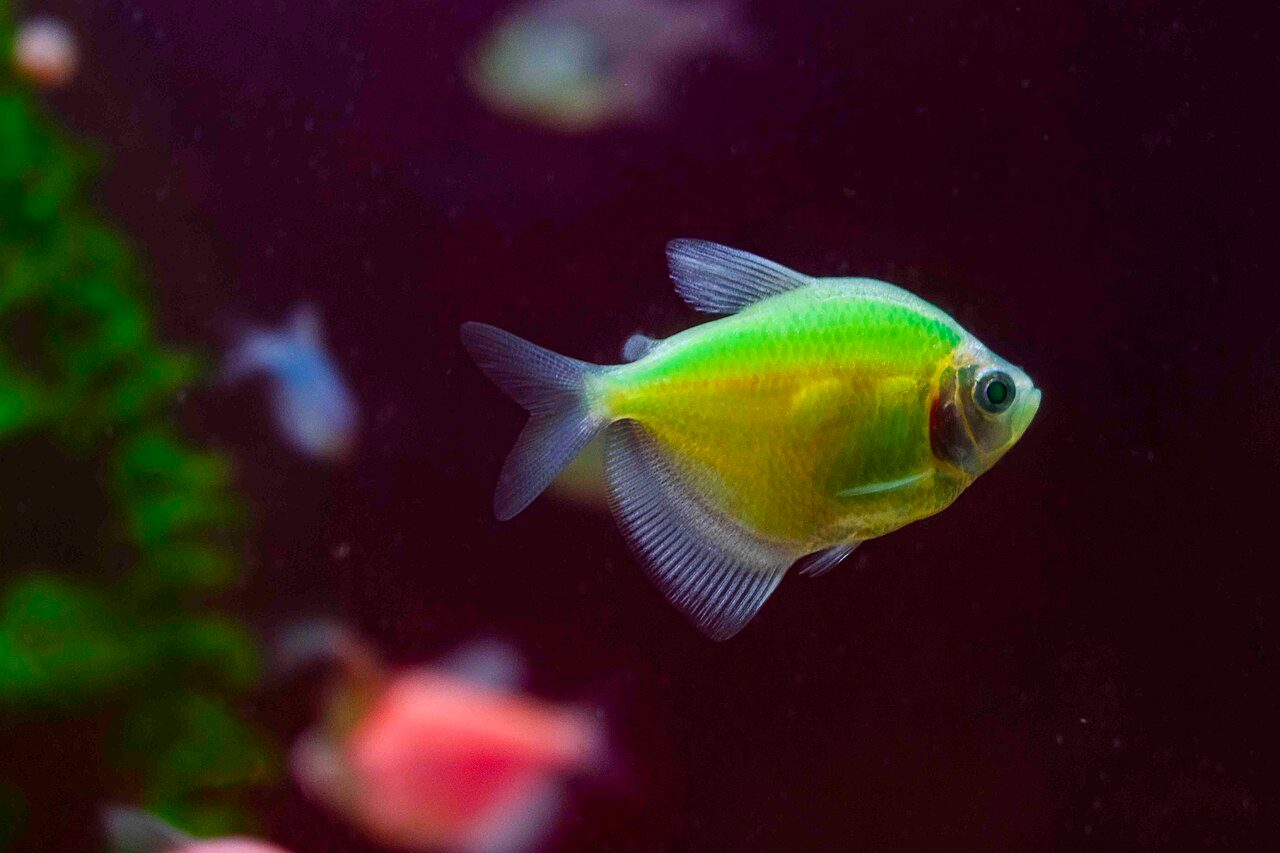
Are GloFish Black Skirt Tetras more aggressive than the natural version?
No, the GloFish variety is the same species (Gymnocorymbus ternetzi). Their aggression levels are identical to the natural grey and black varieties; they just have a fluorescent protein that makes them glow.
Can I keep a single Black Skirt Tetra in a community tank?
I strongly advise against this. A single tetra will likely become extremely stressed and either hide constantly or become hyper-aggressive toward other fish due to a lack of security.
Do they grow out of their nipping phase?
Generally, no. Nipping is a natural instinct for many Characins. However, as they age and the social hierarchy stabilizes, you may see a decrease in the frequency of chasing.
Can Black Skirt Tetras live with Shrimp?
It is risky. While they might not actively hunt adult Amano shrimp, they will almost certainly eat baby Neocaridina shrimp. If you keep them with shrimp, ensure there is a massive amount of moss for the shrimp to hide in.
A closing note
So, are black skirt tetras aggressive? The answer is nuanced. They are active, semi-aggressive fish that require specific conditions to behave “properly” in a community setting.
If you provide a large school of at least 6 to 8 individuals, choosing a tank of 20 gallons or more, and avoiding long-finned tank mates, you can enjoy their striking beauty without the drama.
In my years of keeping them, I’ve found that they add a wonderful sense of movement and energy to an aquarium. As long as you respect their social needs and provide plenty of visual barriers, they can be the centerpiece of a flourishing, healthy aquatic home.

- 2003First tank
- 20+Years keeping
- 40+Tanks kept
- 0Sponsored picks
Howard set up his first 10-gallon planted tank in 2003 and lost half of it within six weeks. Two decades and more than forty aquariums later, he writes the guides he wished he had then: clear numbers, the reasons behind them, and what actually goes wrong in home tanks.