How To Care For Freshwater Angelfish – Step-by-Step Guide
To master how to care for freshwater angelfish, provide a tall 30-gallon tank, maintain warm acidic water (75-82°F), and offer a varied diet of high-quality flakes and frozen foods to ensure health and longevity.
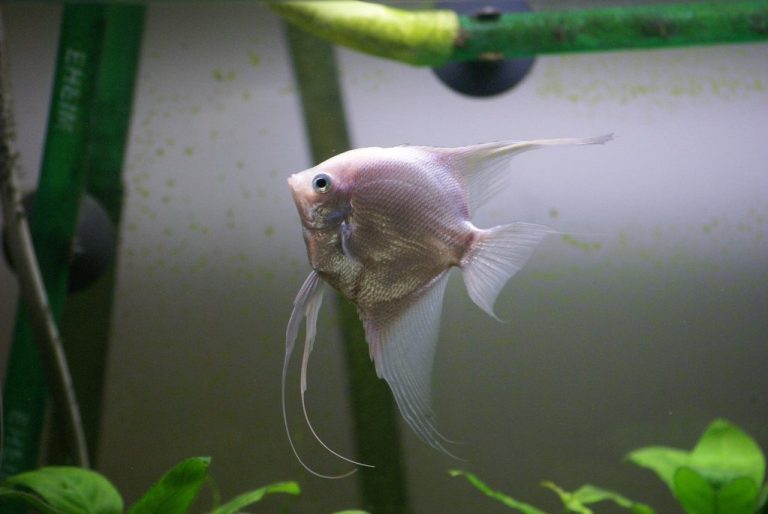
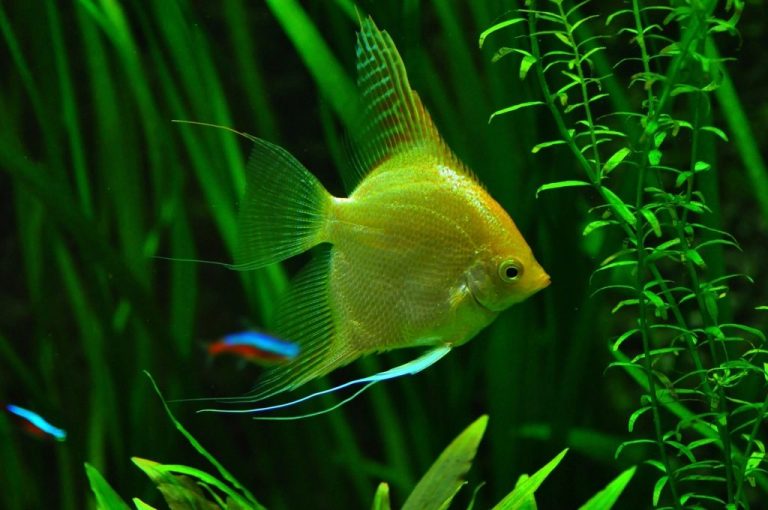
There is something majestic about the way a group of angelfish glides through a well-planted aquarium.
Often referred to as the “Kings of the Aquarium,” these cichlids are a staple for many hobbyists due to their unique shape and striking personalities.
Learning how to care for freshwater angelfish is a satisfying journey that requires understanding their specific environmental and social needs.
In my experience, many beginners are surprised to find that these fish are actually members of the cichlid family.
While they are generally more peaceful than their aggressive cousins, they still possess that classic cichlid intelligence and occasional territorial streak.
When I first started keeping Pterophyllum scalare, I realized that success comes down to mimicking their natural habitat as closely as possible.
These fish originate from the Amazonian blackwater biotope, where the water is soft, acidic, and stained with tannins from fallen leaves.
By recreating these conditions, you can encourage rich colors and even witness their unusual parental brooding behavior.
In this guide, we will break down every essential aspect of their care to help you maintain a healthy aquatic environment.
At a glance: Freshwater angelfish (Pterophyllum scalare)
- Temperature
- 76–84°F (24–29°C)
- Water pH
- 6.0–7.5
- Adult size
- 6 in long, 8 in tall (15 × 20 cm)
- Minimum tank
- 30 gal for a pair, 55 gal tall for a group
- Group size
- Pair or group of 5+
- Temperament
- Semi-aggressive, territorial when breeding
- Diet
- Omnivore: pellets, flakes, frozen bloodworm and brine shrimp
- Lifespan
- 10–12 years
Keeper’s tip: Choose a tall tank; height matters more than length for a fish that grows taller than it is long.
Understanding the Ideal Water Chemistry for Angelfish
One of the most critical steps in how to care for freshwater angelfish is mastering your water chemistry.
Angelfish are relatively hardy once established, but they do best in stable environments that lean toward the softer side of the spectrum.
In their natural wild habitats, they are accustomed to water with low General hardness (GH) and minimal mineral content.
When setting up your tank, you should aim for a slightly acidic to neutral pH level.
If your tap water is naturally hard, you might consider using peat filtration to help naturally lower the pH and add beneficial tannins.
This helps with their health and also replicates the dark, tea-colored waters of the Amazon.
| Parameter | Ideal Range |
|---|---|
| Temperature | 75°F to 82°F (24°C to 28°C) |
| pH Level | 6.0 to 7.5 (6.5 to 6.8 is ideal) |
| General Hardness (GH) | 3 to 8 dGH |
| Carbonate Hardness (KH) | 2 to 5 dKH |
| Ammonia / Nitrite | 0 ppm |
| Nitrate | < 20 ppm |
Consistency is always more important than chasing a “perfect” number.
Sudden swings in Carbonate hardness or temperature can stress the fish, making them more susceptible to illnesses.
I recommend performing weekly water changes of 20-25% to keep nitrate levels low and keep a fresh supply of minerals.
Pro Tip: If you are planning to breed your angelfish, keeping the temperature slightly higher (around 80-82°F) can often trigger spawning behavior. Just help your filtration is strong enough to handle the increased metabolic rate of the fish.
how to care for freshwater angelfish: Tank Size and Orientation
The physical shape of the angelfish is its most defining characteristic.
Because they are tall and thin, they require a vertical tank orientation rather than a long, shallow setup.
A standard 20-gallon tank is often too short for an adult angelfish, as their long fins can actually touch the substrate and the surface simultaneously.
I always recommend starting with at least a 30-gallon “tall” aquarium for a single pair.
If you want to keep a small group, a 55-gallon or 75-gallon tank provides the height and swimming space they need to display natural behaviors.
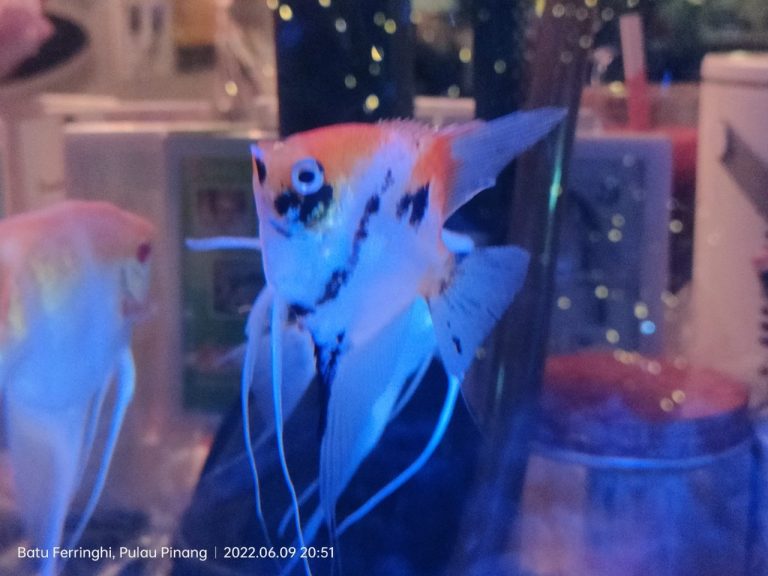
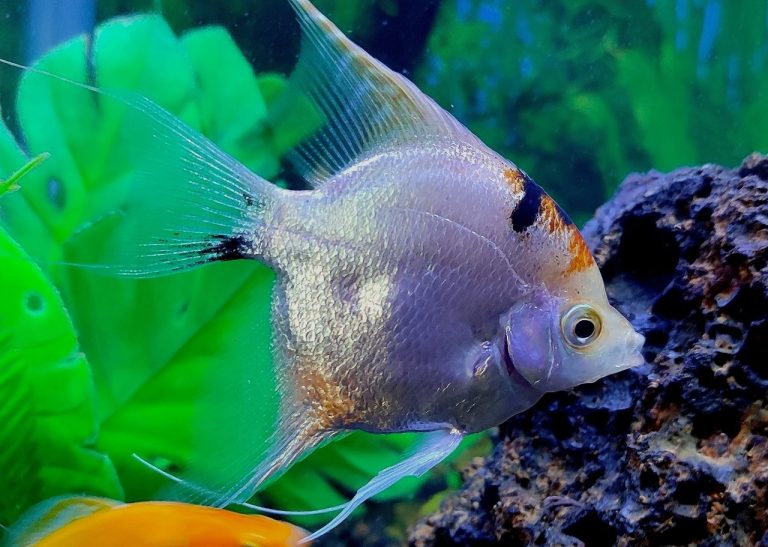
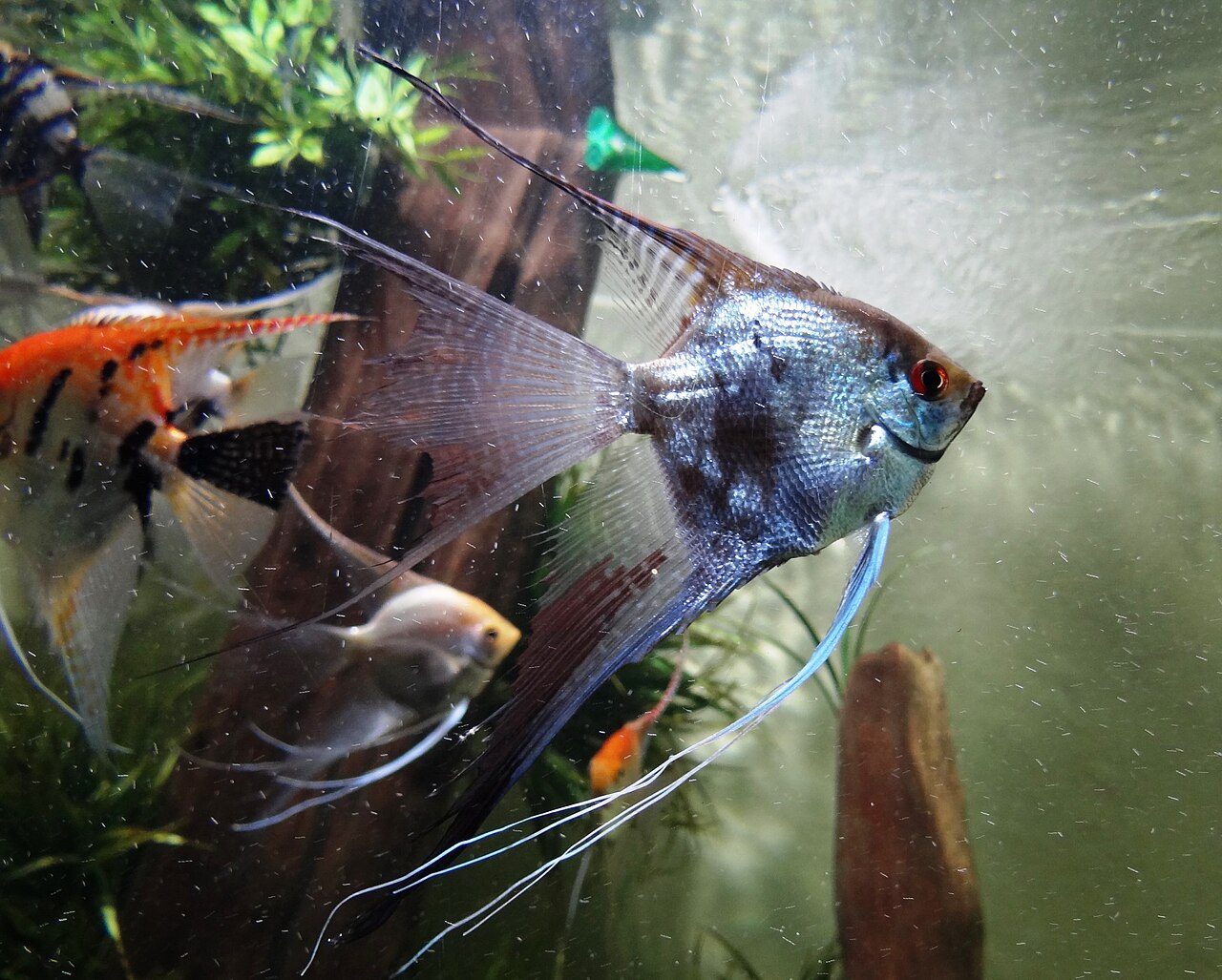
In a larger tank, you can also explore different color morphs to create a eye-catching visual display.
Substrate and Decor Choices
In my years of keeping these fish, I have found that they feel most secure when they have plenty of “vertical” cover.
Large-leafed aquatic plants are essential for an authentic setup.
The Amazon Sword, or Echinodorus grisebachii, is the perfect companion for angelfish.
Not only does it provide a place to hide, but its broad leaves are the preferred surface for angelfish to lay their eggs.
Driftwood is another fantastic addition to the tank.
It helps leach tannins into the water and provides natural boundaries that help break up lines of sight.
This is particularly helpful if you have a dominant male who is feeling a bit territorial.
Dietary Requirements for Right Growth
Feeding is a joyful part of how to care for freshwater angelfish because they are enthusiastic eaters.
They are naturally omnivores, but in the wild, their diet consists heavily of small crustaceans, insects, and larvae.
To keep them healthy, you should provide a diverse diet that mimics this variety.
I typically base their diet on a high-quality tropical flake or pellet specifically formulated for cichlids.
However, “dry food only” diets can lead to nutritional deficiencies over time.
I’ve noticed that their colors really pop when I supplement their meals with frozen or live foods.
Best Foods for Angelfish
- Frozen Bloodworms: A high-protein treat that most angelfish find irresistible.
- Brine Shrimp: Excellent for digestion and improving natural orange and red pigments.
- Mysis Shrimp: A meatier alternative to brine shrimp that provides essential fats.
- Blanched Vegetables: Occasionally offering a small piece of zucchini or spinach can provide necessary fiber.
Be careful not to overfeed, as angelfish are notorious beggars.
They will often swim to the front of the glass whenever you walk by, acting as if they haven’t eaten in days.
Feed them small amounts twice a day, only giving them what they can consume in about two minutes.
Choosing Compatible Community Tank Mates
While angelfish are generally peaceful, they are still predators.
A common mistake is housing them with very small fish that can fit into their mouths.
I always tell beginners that if a fish is small enough to be eaten, it probably will be eventually.
Good compatible tank inhabitants include medium-sized tetras, such as Rummy Nose or Bleeding Heart tetras.
Avoid “fin-nippers” like Tiger Barbs, as the long, flowing filaments of the angelfish are an easy target for aggression.
Pro Tip: Always add your angelfish to the tank last. If they are the first inhabitants, they may claim the entire aquarium as their territory. Adding them to an established community often reduces their initial aggression.
Bottom dwellers are also fantastic companions.
I have had great success with keeping corydoras alongside my angelfish.
They stay out of the angelfish’s mid-water swimming space and do a great job of cleaning up any leftover food that hits the substrate.
Common Health Issues and Preventative Care
Even with the best efforts in how to care for freshwater angelfish, health issues can occasionally arise.
The most common problems are usually related to water quality or the introduction of new, unquarantined fish.
Being able to spot symptoms early is the key to successful treatment.
One frequent ailment is Hexamitiasis, also known as “Hole-in-the-Head” disease.
This is often caused by poor water conditions or a lack of minerals in the diet.
You may notice small pits or erosions forming around the fish’s head and lateral line.
Improving water quality and soaking their food in vitamin supplements can often halt the progression.
Recognizing Ich and Other Parasites
Another common issue is Ichthyophthirius multifiliis, or “Ich.”
This parasite appears as small white grains of salt on the fish’s fins and body.
Because angelfish have such large surface areas on their fins, Ich can spread quickly.
Raising the tank temperature slowly to 86°F and using a copper-based treatment is a standard way to eliminate the parasite.
| Symptom | Potential Cause | Action Step |
|---|---|---|
| White spots on fins | Ichthyophthirius multifiliis | Increase temp; use Ich medication. |
| Erosions on head | Hexamitiasis | Improve water quality; add vitamins. |
| Clamped fins / lethargy | Ammonia/Nitrite stress | Perform immediate 50% water change. |
| Frayed fin edges | Fin rot or nipping | Check tank mates; use antibacterial. |
Breeding and Parental Brooding Behavior
Breeding angelfish is one of the most satisfying experiences in the hobby.
Unlike many other fish that scatter their eggs and forget them, angelfish exhibit complex parental brooding behavior.
They are careful parents, often spending hours cleaning a leaf of Echinodorus grisebachii before laying their eggs.
Once the eggs are laid, both the male and female will take turns fanning them with their fins.
This action helps keep a steady flow of oxygenated water and prevents fungus from growing on the eggs.
They will also fiercely defend the nesting site from any curious tank mates.
When the eggs hatch into “wigglers,” the parents will often move them to different locations to keep them safe.
Eventually, the fry become free-swimming, at which point they look like tiny slivers of glass.
During this stage, feeding them newly hatched brine shrimp is essential for their rapid growth.
Freshwater Angelfish Setup Checklist
To help you have everything covered, I have put together this essential checklist for a successful angelfish aquarium.
Following these steps will help you avoid the most common pitfalls beginners face.
| Category | Requirement |
|---|---|
| Tank Selection | Minimum 30 Gallons, Tall/Vertical shape. |
| Filtration | Gentle flow; consider peat for tannins. |
| Plants | Amazon Swords, Jungle Val, and Driftwood. |
| Lighting | Moderate; enough for plant growth but not harsh. |
| Heater | Reliable submersible heater set to ~78°F. |
Frequently asked questions
Are angelfish aggressive toward other fish?
Angelfish are generally peaceful but can become territorial during spawning.
They may also eat very small fish like neon tetras if they are large enough to do so.
Providing plenty of plants and hiding spots helps mitigate aggression.
How many angelfish should I keep together?
In my experience, it is best to keep them either as a single individual, a mated pair, or a group of five or more.
Keeping just two or three non-mated fish often leads to the dominant one bullying the others constantly.
A larger group spreads out any potential aggression.
How long do freshwater angelfish live?
With proper how to care for freshwater angelfish, these fish can live for 10 to 12 years.
Some well-cared-for specimens have even been known to reach 15 years of age.
Longevity is primarily tied to water stability and a high-quality diet.
Do angelfish need a heater?
Yes, angelfish are tropical fish and require a consistent temperature between 75°F and 82°F.
Fluctuations in temperature can weaken their immune systems and lead to diseases like Ich.
Always use a reliable thermometer to monitor the tank daily.
Final Thoughts on Caring for Angelfish
Learning how to care for freshwater angelfish is a deeply fulfilling endeavor for any aquarist.
If you respect their need for vertical space, providing soft and slightly acidic water, and offering a varied diet, you can enjoy these beautiful creatures for many years.
They are more than just pets; they are intelligent animals that will recognize you when you enter the room.
The key to a successful aquarium is patience and observation.
Watch your fish daily, keep up with your water changes, and don’t be afraid to adjust your routine as you learn more about their unique personalities.
With the right environment, your angelfish will become the majestic centerpieces of your home.

- 2003First tank
- 20+Years keeping
- 40+Tanks kept
- 0Sponsored picks
Howard set up his first 10-gallon planted tank in 2003 and lost half of it within six weeks. Two decades and more than forty aquariums later, he writes the guides he wished he had then: clear numbers, the reasons behind them, and what actually goes wrong in home tanks.