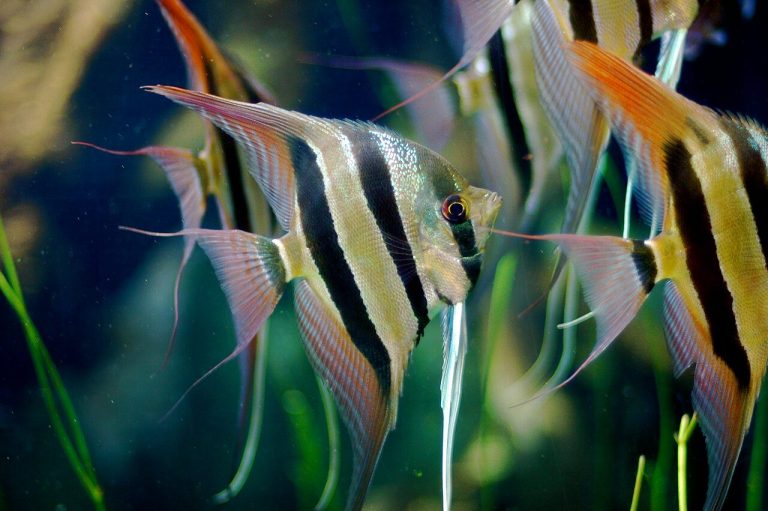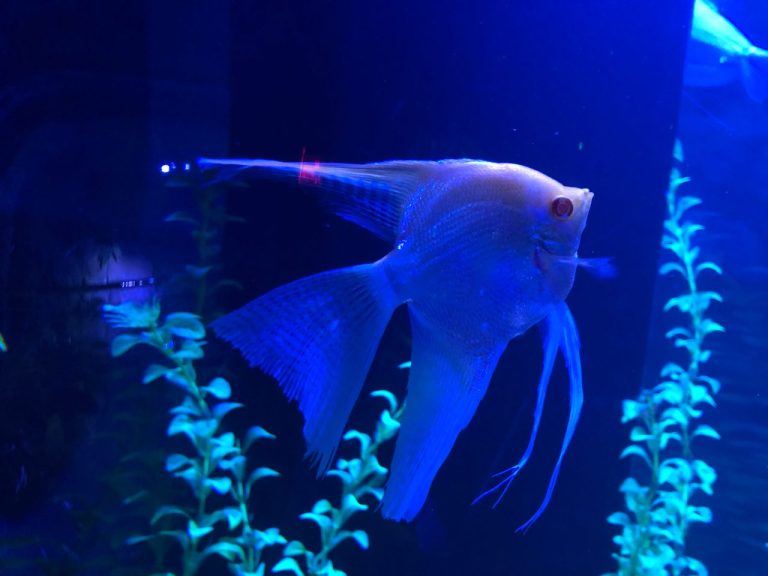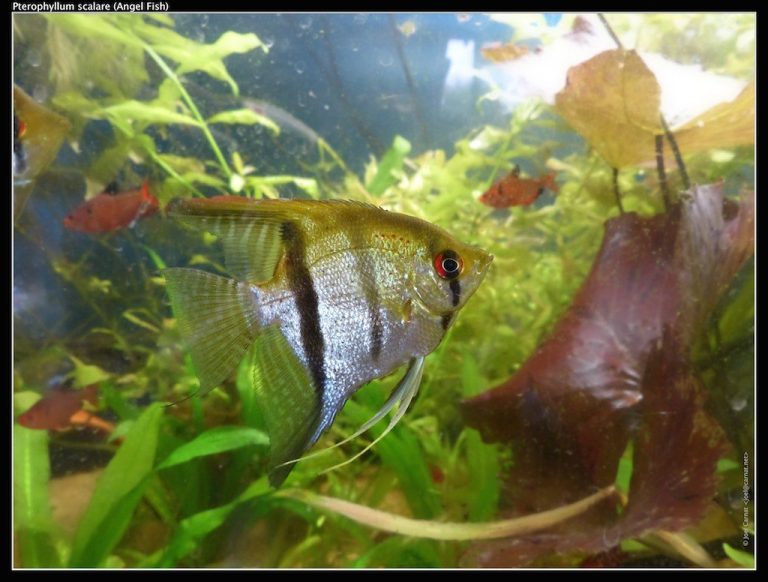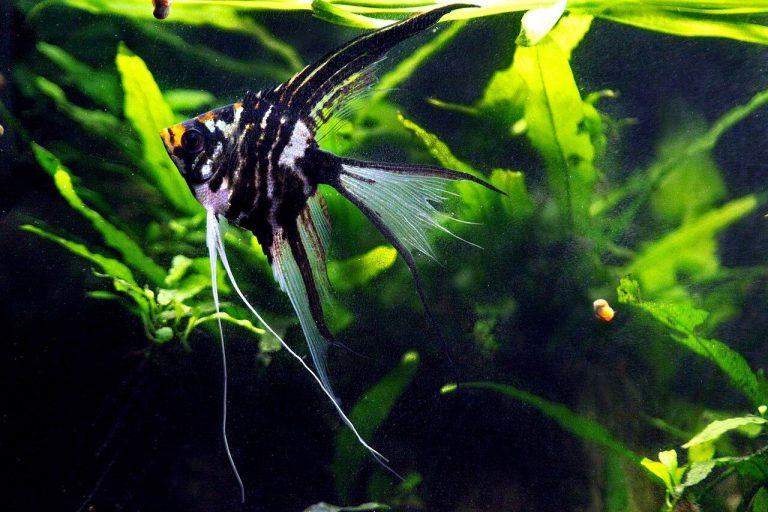
Why Do Angelfish Eat Their Eggs – Causes and Fixes
Angelfish eat their eggs primarily due to stress, inexperience, or perceived threats. This behavior, called filial cannibalism, often occurs if the eggs are unfertilized, fungused, or if water parameters fluctuate suddenly during the spawning process.
Watching your Pterophyllum scalare finally deposit a shimmering patch of eggs on a leaf or slate is one of the most satisfying moments in the hobby. However, that joy often turns to frustration when you wake up the next morning to find the surface completely bare.
If you have ever wondered why do angelfish eat their eggs, you are certainly not alone. In my decade of maintaining South American cichlid tanks, I have seen even the most promising pairs consume their own offspring within hours.
Understanding this behavior requires looking at the biology and environment of these “Kings of the Aquarium.” Let’s look at the specific reasons why this happens and how you can intervene to make sure a successful hatch.
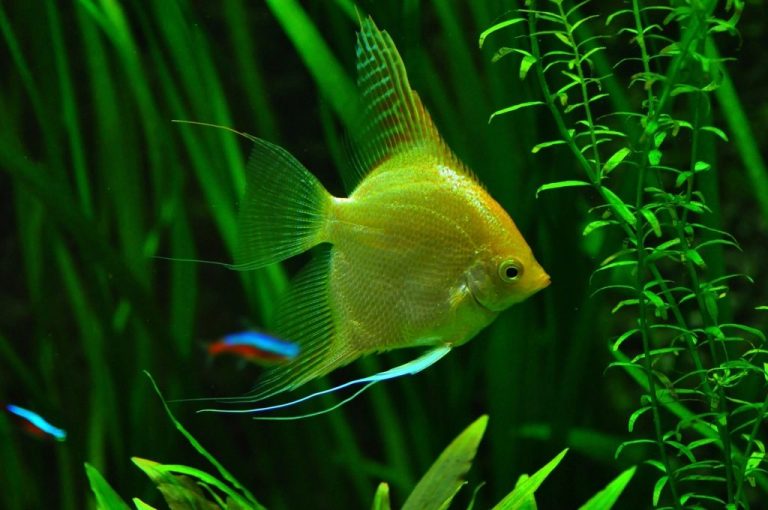
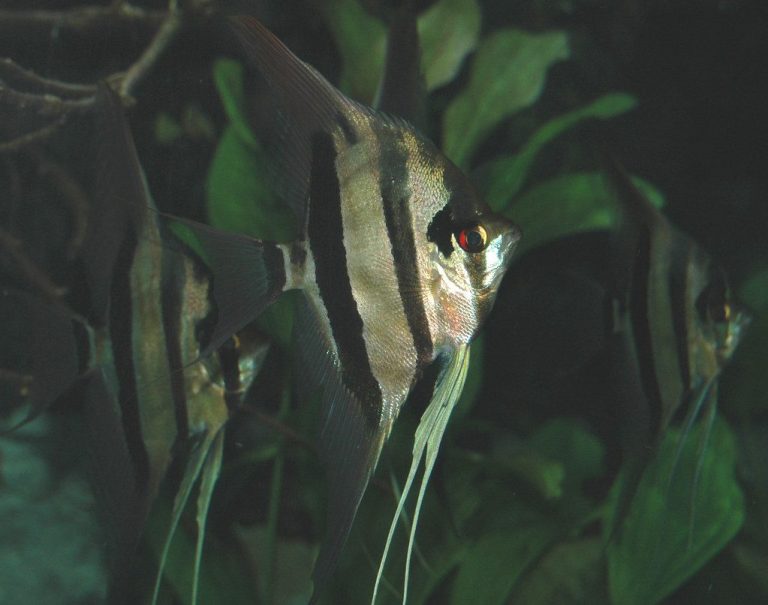
At a glance: Freshwater angelfish (Pterophyllum scalare)
- Temperature
- 76–84°F (24–29°C)
- Water pH
- 6.0–7.5
- Adult size
- 6 in long, 8 in tall (15 × 20 cm)
- Minimum tank
- 30 gal for a pair, 55 gal tall for a group
- Group size
- Pair or group of 5+
- Temperament
- Semi-aggressive, territorial when breeding
- Diet
- Omnivore: pellets, flakes, frozen bloodworm and brine shrimp
- Lifespan
- 10–12 years
Keeper’s tip: Choose a tall tank; height matters more than length for a fish that grows taller than it is long.
The Mystery of Filial Cannibalism in Angelfish
In the scientific community, the act of parents consuming their own offspring is known as filial cannibalism. While it seems counterintuitive to us, it is often a survival strategy used by cichlids in the wild to conserve energy.
If an angelfish pair senses that a spawn is unlikely to survive, they will eat the eggs to recoup the protein and nutrients. This allows them to prepare for a new, healthier spawning cycle much sooner than if they had wasted energy guarding a doomed clutch.
In many cases, why do angelfish eat their eggs comes down to a simple calculation of risk versus reward. If the environment isn’t perfect, the parents decide to “try again later” by clearing the slate themselves.
Inexperience in Young Pairs
When I first started breeding angelfish, I noticed that young, first-time parents were almost guaranteed to eat their first few batches. Breeding is a skill that these fish actually have to learn through trial and error.
Young pairs often get confused by the flickering movement of the eggs or become overly anxious about their parental duties. They may accidentally eat the eggs while trying to “clean” them or fan them with their pectoral fins.
Pro Tip: Patience is your best tool when dealing with young angelfish. I usually allow a new pair to fail at least 4 to 6 times before I consider intervening or separating the eggs for artificial incubation.
Perceived Threats and Tank Mates
Angelfish are highly protective, but they are also easily spooked. If they feel that a predator is constantly lurking nearby, they may eat the eggs to prevent the “enemy” from getting a free meal.
Even peaceful tank mates can cause enough stress to trigger this behavior. If a pair is constantly chasing away tetras or corydoras, they will eventually reach a breaking point and consume the eggs themselves.
Environmental Triggers and Water Chemistry
Water quality is perhaps the most significant factor in whether a pair will successfully raise their fry. If the water parameters are off, the eggs may begin to die, which triggers the parents to remove them.
Issues like Ammonia toxicity or high nitrite levels can cause the parents to feel physically unwell. When a fish is stressed by its environment, its natural instinct to care for young is often suppressed by its own survival instinct.
| Parameter | Ideal Range for Breeding | Impact on Eggs |
|---|---|---|
| Temperature | 80°F – 82°F (26.5°C – 28°C) | Speeds up development; reduces fungal risk. |
| pH Level | 6.5 – 6.8 | Slightly acidic water inhibits bacterial growth. |
| Water Hardness (dGH) | 3 – 8 dGH | Soft water prevents egg shells from hardening too much. |
| Ammonia / Nitrite | 0 ppm | High levels lead to immediate egg mortality. |
The Role of Osmotic Shock
If you perform a large water change with water that has a significantly different temperature or mineral content, you may cause Osmotic shock. This can damage the delicate membranes of the eggs.
When the eggs are damaged by a sudden change in water chemistry, they will quickly turn white. To the parents, these are unfertilized oocytes or dead tissue that must be removed to prevent the spread of fungus.
Maintaining stable dGH and temperature is vital. I always recommend using a drip system or very slow pouring methods when topping off a breeding tank to keep the environment consistent.
why do angelfish eat their eggs when they turn white
One of the most common reasons why do angelfish eat their eggs is the presence of fungus. If an egg is not fertilized, it will quickly die and become a host for Saprolegnia, a common water mold.
This fungus looks like a white, fuzzy growth. If it is not removed, it will spread to the healthy, translucent eggs and kill the entire clutch.
Experienced angelfish parents are very good at picking out the white eggs without damaging the healthy ones. However, if too many eggs turn white, the parents may become overwhelmed and simply eat the entire batch to clean the area. Understanding the reasons for egg whitening can help you address this issue before the next spawn.
Distinguishing Infertile Eggs
Sometimes the male fails to fertilize the eggs properly. This can be due to high water flow that washes the milt away or simply because the male is too young.
If the eggs turn white within 12 to 24 hours, they were likely never fertilized. The parents will recognize this and consume them to prepare for the next attempt, which often happens every 10 to 14 days.
Pro Tip: If you notice your eggs turning white frequently, try reducing the flow of your filter during the spawning process. This helps make sure the male’s milt actually reaches the eggs before being swept away.
Light and Photoperiod Disruption
Angelfish need a sense of security to feel comfortable guarding their nest. A common mistake I see is Photoperiod disruption, where the aquarium lights are turned on or off abruptly.
If the tank suddenly goes pitch black, the parents may lose track of the eggs and panic. In their confusion, they might eat the eggs or fail to protect them from nocturnal scavengers like snails or catfish.
I have found that leaving a very dim “moonlight” or a small lamp on in the room helps the parents stay oriented. This allows them to keep fanning the eggs through the night without feeling the need to consume them out of fear.
High Traffic Areas
If your aquarium is in a hallway or a busy living room, the constant movement of people can stress the fish. Every time someone walks by, the angelfish see a giant “predator.”
This constant state of “high alert” makes them nervous. Eventually, the stress of defending the eggs from perceived threats outside the glass leads them to eat the spawn just to end the tension.
Strategies to Prevent Egg Eating
If you have a pair that consistently eats their eggs despite your best efforts, you may need to take more active control of the situation. There are several ways to boost the success rate of a spawn.
Choosing the right breeding surface is a great first step. Many breeders use a Breeding cone or a piece of vertical PVC pipe. These surfaces are easy for the fish to clean and easy for you to remove if you decide to hatch the eggs yourself.
Using Methylene Blue
If you decide to remove the eggs for artificial incubation, you will need to protect them from fungus. Methylene blue is a common anti-fungal agent used in the hobby for this exact purpose.
By adding a few drops to a separate hatching container, you can prevent Saprolegnia from attacking the clutch. This is often the only way to save eggs from a pair that refuses to stop eating them.
Selecting a Compatible Partner
Sometimes the issue isn’t the environment, but the pair itself. Not all angelfish get along, even if they are spawning. If the male and female are constantly fighting over who gets to fan the eggs, they may end up eating them during the spat.
Focusing on selecting a compatible mate is essential for long-term breeding success. A peaceful pair is much more likely to work together to protect the nest rather than turning on each other.
Artificial Incubation: The Last Resort
If you have tried everything and still find yourself asking why do angelfish eat their eggs, it may be time to raise them yourself. This involves removing the spawning site (the leaf or slate) and placing it in a separate jar or small tank.
You will need to provide an air stone to create a gentle bubble flow over the eggs. This mimics the fanning motion of the parents’ fins, providing the necessary oxygen and preventing debris from settling on the eggs.
While this takes away the “natural” experience of watching the parents care for their young, it is often the most reliable way to get a high yield of fry. Once you have mastered the spawning process, you can decide which method works best for your specific fish.
Common questions
How many times will angelfish eat their eggs before they get it right?
In my experience, it usually takes between 3 and 10 attempts for a new pair to successfully raise a batch to the “wiggler” stage. Every pair is different, and some may never develop good parental instincts.
Can I feed the parents more to stop them from eating eggs?
Feeding high-quality, protein-rich foods can help, as it ensures the parents aren’t eating the eggs out of hunger. However, overfeeding can lead to poor water quality, which causes more problems than it solves.
Should I remove the male if he is the one eating the eggs?
Sometimes one parent is a “good” parent and the other is a “bad” one. If you catch the male eating the eggs while the female tries to defend them, you can try placing a divider in the tank after fertilization is complete.
Does the tank size affect egg-eating behavior?
Yes, if the tank is too small, the parents will feel cramped and stressed. A larger environment provides a greater sense of security, which often leads to better parental care.
What should I do if the eggs start turning white?
If only a few eggs turn white, let the parents handle it. If more than half turn white, check your water parameters immediately, specifically looking for any signs of ammonia or a drop in temperature.
A last word
Understanding why do angelfish eat their eggs is a journey of observation and adjustment. Whether it is due to the inexperience of a young pair, the stress of a busy room, or a slight imbalance in your water chemistry, there is almost always a logical reason behind the behavior.
If you provide a stable environment, minimizing stress, and having patience, you can encourage your Pterophyllum scalare to embrace their parental roles. Breeding is a natural process that often requires a few “failed” starts before success is achieved.
Keep your water clean, your lights consistent, and your observations keen. With time, you will likely see those eggs transform into a cloud of tiny, swimming fry, making all the effort and troubleshooting well worth it.

- 2003First tank
- 20+Years keeping
- 40+Tanks kept
- 0Sponsored picks
Howard set up his first 10-gallon planted tank in 2003 and lost half of it within six weeks. Two decades and more than forty aquariums later, he writes the guides he wished he had then: clear numbers, the reasons behind them, and what actually goes wrong in home tanks.