How To Stop Angelfish Eating Their Eggs – The Ultimate Guide
To stop angelfish eating their eggs, minimize tank stress, provide high-protein nutrition, and maintain pristine water quality. If parents persist in cannibalizing, use a mesh egg guard or move the eggs to a separate tank for artificial incubation.
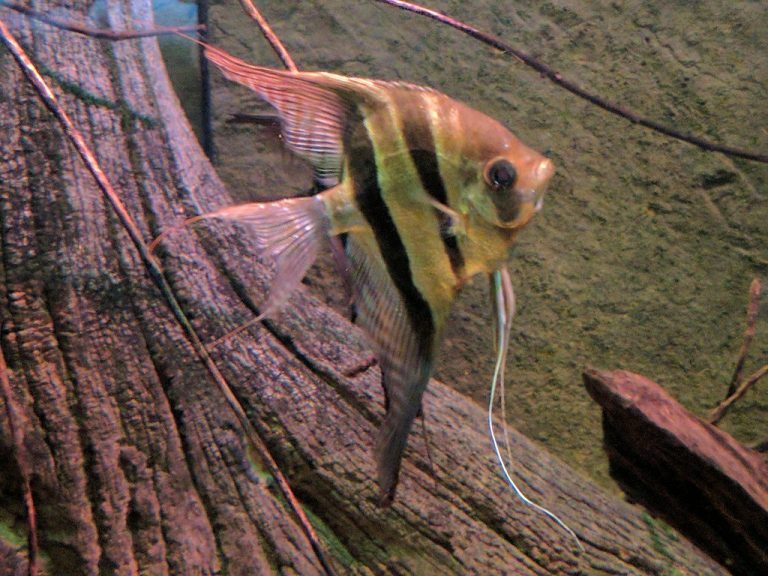
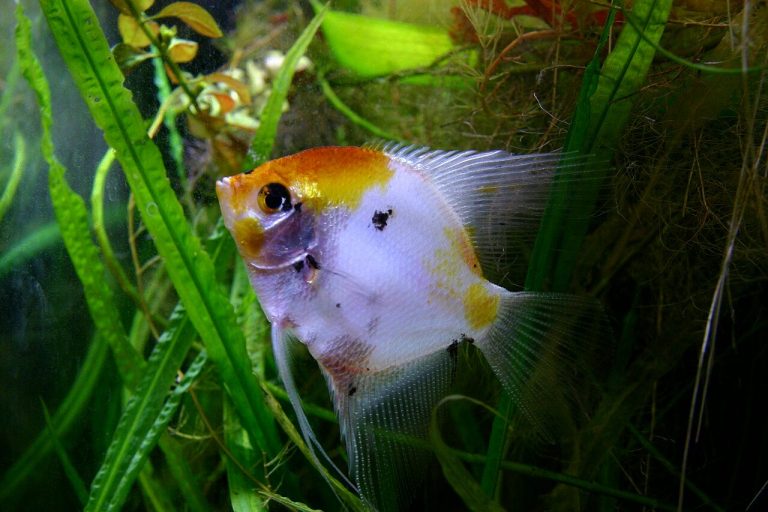
It is one of the most frustrating experiences in the aquarium hobby. You watch your beautiful Pterophyllum scalare carefully clean a leaf, deposit a perfect batch of eggs, and then, hours later, they are all gone.
In my experience, seeing a pair of angelfish eat their own brood is a rite of passage for many breeders. It feels like a personal failure, but it is often just a natural response to environmental cues or inexperience.
Learning how to stop angelfish eating their eggs requires a blend of patience, observation, and sometimes, a little bit of intervention. After a decade of breeding these majestic cichlids, I have found that most “egg-eaters” can be reformed with the right approach.
At a glance: Freshwater angelfish (Pterophyllum scalare)
- Temperature
- 76–84°F (24–29°C)
- Water pH
- 6.0–7.5
- Adult size
- 6 in long, 8 in tall (15 × 20 cm)
- Minimum tank
- 30 gal for a pair, 55 gal tall for a group
- Group size
- Pair or group of 5+
- Temperament
- Semi-aggressive, territorial when breeding
- Diet
- Omnivore: pellets, flakes, frozen bloodworm and brine shrimp
- Lifespan
- 10–12 years
Keeper’s tip: Choose a tall tank; height matters more than length for a fish that grows taller than it is long.
Understanding Why Angelfish Eat Their Eggs
Before we can fix the problem, we have to understand the biological drive behind it. This behavior is scientifically known as filial cannibalism, and it isn’t always a sign of “bad” parents.
Often, angelfish eat their eggs because they sense that the brood is not viable. If the eggs are unfertilized or infected with Saprolegnia (water mold), the parents may eat them to recoup energy and keep the tank clean.
Another common reason is stress. In the wild, if a predator is nearby, it is better for the parents to eat the eggs themselves than to let a rival have a free meal.
Pro Tip: Don’t give up on a young pair too early. In my experience, it often takes three to five “failed” spawns for a new pair to learn the ropes and stop eating their eggs out of confusion.
how to stop angelfish eating their eggs by Reducing Environmental Stress
The most effective way to prevent this behavior is to create a “zen” environment for your fish. If the parents feel safe, they are much less likely to panic and consume their offspring.
Start by looking at the location of your aquarium. High-traffic areas, like a hallway or a living room with a loud television, can keep the fish in a state of constant high alert.
I’ve noticed that even something as simple as the aquarium lights turning off abruptly can spook the parents. Use a timer that simulates a gradual sunset to keep the environment stable.
Managing Tank Mates
Community tanks are rarely the best place for successful angelfish breeding. Even if your angelfish are the “bosses” of the tank, the presence of other fish creates a perceived threat.
Species like Corydoras or nocturnal plecos are notorious for sneaking up on eggs at night. When the parents realize they can’t defend the eggs 24/7, they may decide to eat them instead.
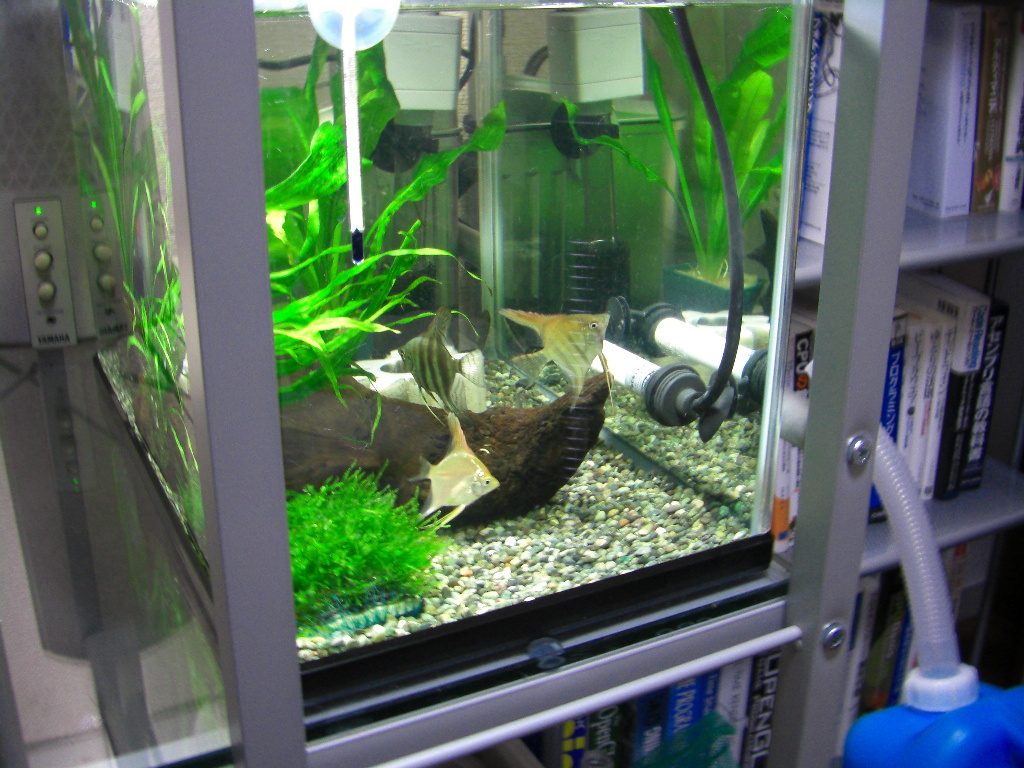
For the best results, move your breeding pair to a dedicated 20-gallon or 29-gallon tall spawning tank. Matching the ideal water parameters for angelfish in a private setting is the most reliable way to help peace of mind.
Using Physical Barriers and Mesh Egg Guards
If you have a pair that is otherwise healthy but just can’t stop themselves from nipping at the eggs, a physical barrier might be the answer. This is a common trick used by professional breeders to “force” the parents to behave.
A mesh egg guard is a fine plastic or stainless steel mesh that is placed over the spawning site. The mesh allows the parents to fan the eggs with their fins, providing oxygen, but prevents their mouths from reaching the eggs.
This works best if your fish spawn on a vertical spawning slate or a PVC pipe. You simply slide the mesh sleeve over the slate once the spawning is complete.
| Method | Pros | Cons |
|---|---|---|
| Mesh Egg Guard | Allows parents to stay with eggs; reduces stress. | Hard to fit on broad-leafed plants. |
| Artificial Incubation | Highest survival rate; 100% protection from parents. | Requires a separate setup and more labor. |
| Night Lights | Prevents parents from panicking in the dark. | May not stop “hungry” parents. |
The Role of Proper Nutrition and Water Chemistry
Sometimes, the reason for egg-eating is purely nutritional. Producing eggs takes a massive amount of metabolic energy, especially for the female.
If the parents are not receiving high-quality, protein-rich foods, they may view their own eggs as a convenient protein snack. I recommend feeding live or frozen brine shrimp, bloodworms, and high-quality flakes in the weeks leading up to spawning.
Water quality is the other side of the coin. If the water is too hard or the pH is swinging, the eggs may fail to develop properly.
When eggs die, they turn white and begin to rot. Parents will naturally pick these out to save the rest of the batch, but sometimes they get “carried away” and eat the healthy ones too. Understanding how long it takes for eggs to hatch is key so you know exactly when the danger period has passed.
Artificial Incubation: The Fail-Safe Method
When all else fails, and you have a pair that simply refuses to stop eating their eggs, it is time for artificial incubation. This is the process of removing the eggs from the parents and raising them yourself.
To do this, you need a breeding cone or a slate that can be easily moved. Once the pair has finished spawning, wait about 30 minutes to ensure fertilization is complete.
Gently remove the slate and place it into a small 5-gallon “nursery” tank. This tank should have the exact same water parameters as the main tank to avoid osmotic shock.
Setting Up the Nursery Tank
The nursery tank doesn’t need much, but it must be functional. Use an air-driven sponge filter to provide gentle filtration without the risk of sucking up tiny fry.
Position an air stone near the eggs so that the bubbles create a gentle current over them. This mimics the fanning action of the parents and prevents debris from settling on the eggs.
To prevent fungus, many experts (including myself) add a few drops of Methylene blue to the water. This antifungal agent makes sure the eggs safe until they reach the “wiggler” stage.
Pro Tip: When using Methylene blue, the water will turn a deep blue. Don’t worry! This is normal. Just make sure to do small water changes once the eggs hatch to gradually clear the tint before the fry become free-swimming.
A Step-by-Step Checklist for Spawning Success
If you want to stop the cycle of egg-eating, follow this checklist for your next spawning event. Preparation is 90% of the battle when breeding Pterophyllum scalare.
- Step 1: Make sure you have identified a compatible male and female and given them a private tank.
- Step 2: Provide a smooth, vertical surface like a ceramic breeding cone or a piece of slate.
- Step 3: Feed the pair high-protein foods three times a day to keep them satiated.
- Step 4: Keep a low-wattage “moonlight” or night light on near the tank to prevent nighttime panic.
- Step 5: If eggs are eaten within 24 hours, prepare the mesh guard or the artificial incubation tank for the next round.
Common Mistakes to Avoid
In my early years of fish keeping, I made several mistakes that led to lost broods. One of the biggest was over-cleaning the tank during the spawning phase.
While clean water is vital, sticking your hand into the tank to scrub algae or rearrange plants will terrify the parents. This stress almost always results in them eating the eggs to “hide” them from the perceived intruder.
Another mistake is leaving the aquarium lights on for 24 hours. Fish need a circadian rhythm. If they are exhausted from constant light, their parental instincts will fail, and they may eat the eggs out of sheer irritability.
FAQ: How to Stop Angelfish Eating Their Eggs
Why do my angelfish eat their eggs after two days?
By the second day, eggs that are not fertilized or are infected with fungus will begin to turn white. The parents eat these to prevent the spread of Saprolegnia. If they eat the whole batch, they likely sensed that none of the eggs were healthy.
Will angelfish eventually stop eating their eggs?
Most pairs will improve with experience. It is common for the first few spawns to be unsuccessful. If they are still eating eggs after 10 attempts, you may need to switch to artificial incubation.
Does the male or the female usually eat the eggs?
It can be either, but I’ve noticed that if one parent starts eating, the other often joins in. Sometimes, a “bad” partner will eat the eggs while the other is trying to defend them, which can lead to fighting between the pair.
Can I leave the lights on to stop them from eating eggs?
A dim light can help the parents see predators at night, but a bright light will stress them out. Use a very low-power night light or a lamp in the corner of the room rather than the main aquarium hood light.
Before you go
Determining how to stop angelfish eating their eggs is a process of elimination. You must first rule out environmental stress, then address nutritional needs, and finally consider the experience level of the fish.
If you provide a quiet, stable environment and the eggs still disappear, don’t be afraid to take over the role of the parent. Artificial incubation is a highly satisfying part of the hobby that allows you to see the miracle of life up close.
Every successful breeder started with a few failed spawns. Stay patient, keep your water clean, and soon you will have a tank full of tiny, swimming angelfish fry.

- 2003First tank
- 20+Years keeping
- 40+Tanks kept
- 0Sponsored picks
Howard set up his first 10-gallon planted tank in 2003 and lost half of it within six weeks. Two decades and more than forty aquariums later, he writes the guides he wished he had then: clear numbers, the reasons behind them, and what actually goes wrong in home tanks.