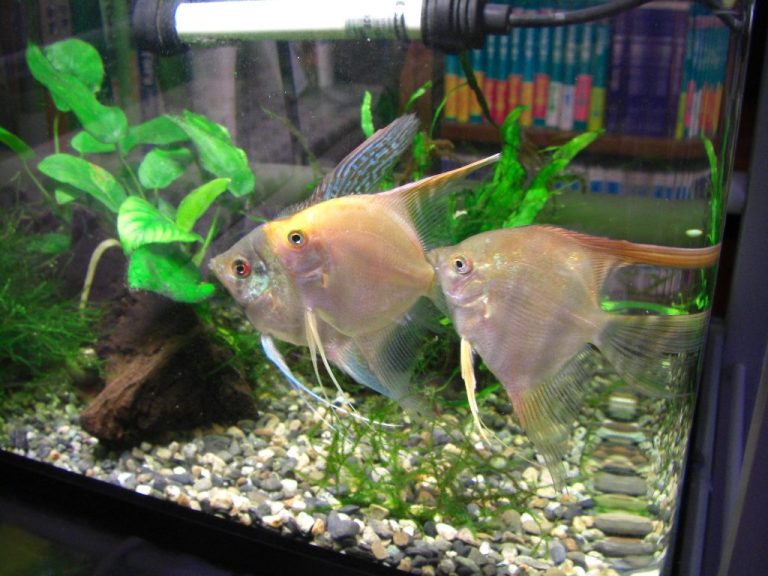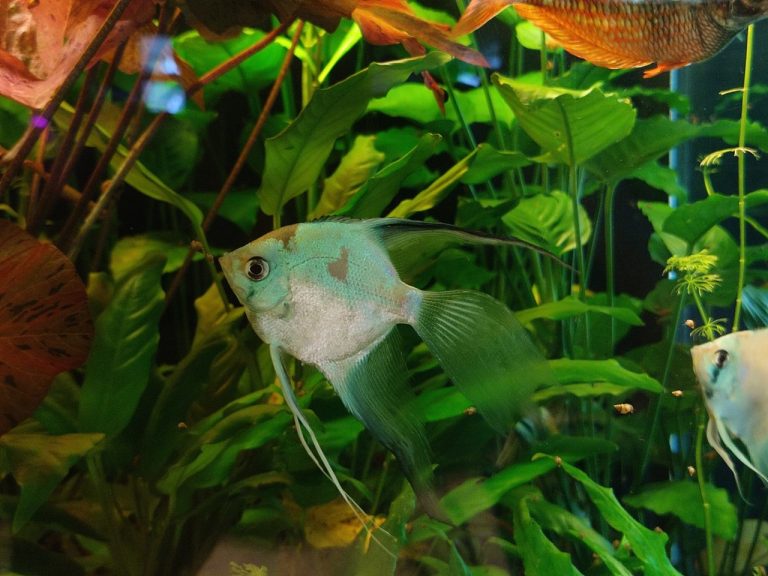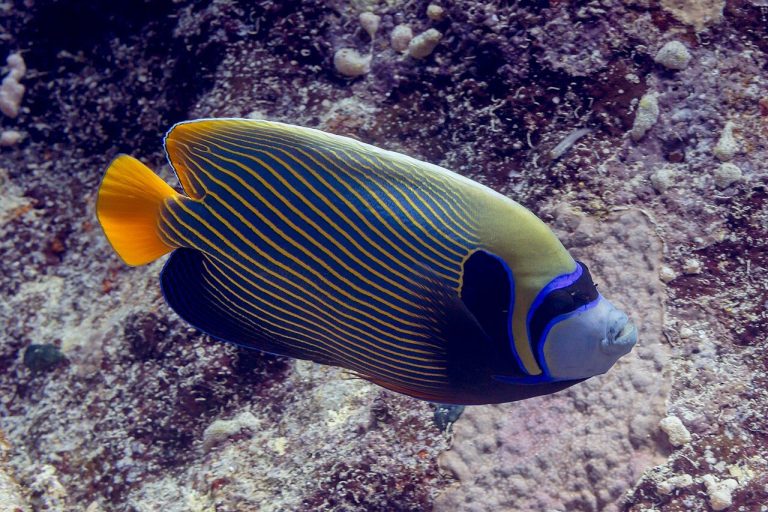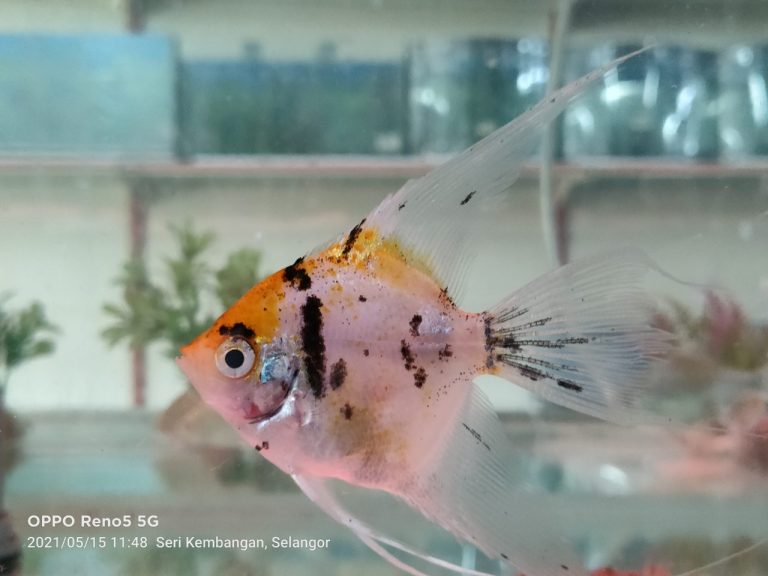
How To Tell Male And Female Angelfish Apart – Your Expert Guide
Distinguishing male and female angelfish can be challenging due to their subtle sexual dimorphism, often only becoming clear during breeding. The most reliable indicator is the shape of their breeding tubes, or vents, which become visible when the fish are mature and ready to spawn.
Angelfish, with their majestic fins and graceful swimming, are the kings and queens of many freshwater aquariums. As an aquarist with over a decade of experience, I’ve found immense joy in keeping these eye-catching cichlids. However, one of the most common questions I hear, and certainly one I grappled with myself early on, is: “How do you tell male and female angelfish apart?”
It’s a puzzle many hobbyists face, especially if they’re hoping to breed these magnificent fish. Unlike some species with obvious differences, angelfish don’t make it easy. Their sexual dimorphism is often subtle, requiring a keen eye and a bit of patience. This comprehensive guide will walk you through the key indicators, behavioral cues, and expert tips to help you confidently identify male and female angelfish in your own tank.
At a glance: Freshwater angelfish (Pterophyllum scalare)
- Temperature
- 76–84°F (24–29°C)
- Water pH
- 6.0–7.5
- Adult size
- 6 in long, 8 in tall (15 × 20 cm)
- Minimum tank
- 30 gal for a pair, 55 gal tall for a group
- Group size
- Pair or group of 5+
- Temperament
- Semi-aggressive, territorial when breeding
- Diet
- Omnivore: pellets, flakes, frozen bloodworm and brine shrimp
- Lifespan
- 10–12 years
Keeper’s tip: Choose a tall tank; height matters more than length for a fish that grows taller than it is long.
The Challenge of Sexing Angelfish: Why It’s Tricky
Many beginner aquarists assume that male and female fish will have clear, distinct differences, like many birds or mammals. With angelfish, this simply isn’t the case for most of their lives. This lack of obvious visual cues is known as sexual monomorphism.
You won’t typically see a male angelfish sporting brighter colors or dramatically larger fins than a female until they reach maturity. This makes sexing juveniles virtually impossible, as they all look strikingly similar. The subtle differences only begin to emerge as they grow and approach breeding age.
Furthermore, individual variations within angelfish species can add to the confusion. What might be a slight difference in fin shape in one pair could be entirely absent in another. This means you can’t rely on just one characteristic alone for accurate identification.
Key Physical Indicators for Sexing Angelfish
While no single trait is 100% foolproof outside of actual spawning, a combination of observations can significantly increase your chances of correctly identifying male and female angelfish. Let’s go through the most reliable physical clues.
The Ventral Tube (Breeding Cone) – The Most Reliable Sign
This is arguably the most accurate method for how to tell male and female angelfish apart, but it requires patience and a good eye. The ventral tube, often referred to as the breeding cone or ovipositor in females, only becomes prominent when the fish are mature and actively preparing to spawn.
The male’s breeding tube is generally thinner and more pointed, almost like a tiny, sharp pencil tip. It’s used to fertilize the eggs laid by the female.
In contrast, the female’s ovipositor is noticeably thicker, blunter, and often more rounded or paddle-shaped. This tube is specifically designed for depositing eggs onto a chosen surface. Observing these differences during the pre-spawning phase is the clearest way to distinguish sexes.
Pro Tip: Don’t try to sex your angelfish by their ventral tubes if they aren’t actively pairing up or showing signs of breeding. The tubes are usually retracted and virtually invisible otherwise. Wait until you see a pair cleaning a spawning site, and then observe closely. A flashlight can help illuminate the area for a better view.
Dorsal Fin and Nuchal Hump
While not as definitive as the ventral tube, these traits can offer supporting evidence, especially in mature specimens. The dorsal fin, the large fin on the angelfish’s back, can sometimes show subtle differences.
Males often (but not always) display a slightly longer and more pointed dorsal fin compared to females. The leading rays might appear more extended and elegant. However, this is highly variable depending on the individual fish and its genetic lineage.
Another commonly cited, though less reliable, indicator is the nuchal hump. This is a slight fatty deposit that can develop on the forehead of some male angelfish, giving them a more pronounced, “roman nose” profile. I’ve noticed that this trait is more prevalent in certain strains and older, dominant males. It’s certainly not present in all males and can sometimes be seen in very large females, making it a weaker indicator on its own.
Body Shape and Size
Looking at the overall body shape and size can also provide some clues, especially when comparing multiple fish. Mature female angelfish, particularly when gravid (carrying eggs), will often appear rounder and deeper-bodied than males. Their belly might swell noticeably.
Males, on the other hand, tend to be slightly larger and more angular in their overall build. They might appear more streamlined and muscular, though this is a very subtle difference. In my experience, relying solely on size can be misleading, as dominant females can sometimes grow larger than subordinate males. It’s best used in conjunction with other observations.
Behavioral Clues: Observing Angelfish Interactions
Behavior provides important insights into angelfish sex, often revealing pairs before physical differences become obvious. Angelfish are cichlids, and their social dynamics, especially during breeding, are quite telling.
Paired Behavior
Angelfish are known to form monogamous pairs for breeding. If you observe two angelfish consistently staying together, chasing other fish away from a particular area, and engaging in synchronized swimming, you likely have a male and female pair. They will often “shimmy” together, a sign of bonding.
This pairing behavior is a strong indicator, even if you can’t visually sex them yet. The pair will often clean a chosen spawning site, such as a broad plant leaf, a piece of slate, or even the aquarium glass, signaling their readiness to breed.
Spawning Activity
The ultimate confirmation of sex comes during spawning. The female will carefully deposit rows of eggs onto the prepared surface. Immediately afterward, the male will swim over the eggs, fertilizing them. Observing this sequence directly leaves no doubt as to their sex.
It’s a remarkable process to witness, demonstrating the distinct roles each fish plays. The eggs themselves are usually small, clear, and adhesive.
Aggression and Dominance
While angelfish are generally peaceful, males can become more territorial and aggressive, especially when trying to attract a mate or protect a spawning site. A dominant male might assert himself over others in the tank. This doesn’t mean every aggressive angelfish is a male, but it can be a supporting clue when combined with other observations.
Females also exhibit territoriality during spawning, fiercely guarding their eggs and fry. Both parents play an active role in protecting their brood from other tank inhabitants.
Common Mistake: Don’t confuse general angelfish aggression with breeding behavior. Angelfish can be territorial even without spawning, especially in smaller tanks or with incompatible tank mates. Always observe the context of the aggression – is it directed at a specific fish, or is a pair defending a potential spawning site?
A Comparative Look: Male vs. Female Angelfish
To consolidate the information, here’s a detailed comparison of the key traits that can help you distinguish between male and female angelfish. These are general guidelines, and individual variations exist.
| Characteristic | Male Angelfish | Female Angelfish |
|---|---|---|
| Ventral Tube (Breeding Cone) | Thinner, more pointed, pencil-like. Visible during breeding. | Thicker, blunter, more rounded/paddle-shaped. Visible during breeding. |
| Nuchal Hump (Forehead) | May develop a noticeable fatty hump on the forehead (more prominent in older, dominant males of certain strains). | Forehead usually smooth or gently sloped, lacking a pronounced hump. |
| Dorsal Fin | Often slightly longer and more pointed, with extended rays (variable). | Generally shorter and less pointed than males (variable). |
| Body Shape | Can appear slightly larger and more angular or streamlined. | Often rounder and deeper-bodied, especially when gravid with eggs. |
| Behavior (Breeding) | Fertilizes eggs laid by female, defends spawning site vigorously, may be more assertive. | Deposits eggs, defends spawning site vigorously, may appear more round prior to spawning. |
| Aggression | Can be territorial, especially towards other males or during breeding. | Can also be territorial, particularly when guarding eggs or fry. |
Preparing for Breeding: What Happens After You Sex Them?
Once you’ve successfully identified a potential male and female angelfish pair, the real fun of breeding can begin. Sexing is often the first step for those hoping to raise angelfish fry. To encourage spawning, you’ll need to provide right conditions.
Conditioning a Breeding Pair
A well-conditioned pair is more likely to spawn successfully. This involves feeding them a high-quality, varied diet rich in protein. Live foods like brine shrimp, bloodworms, and daphnia are excellent for bringing fish into breeding condition. Frozen alternatives also work very well.
Regular water changes are also key for maintaining pristine water quality. Clean, warm water often acts as a trigger for spawning. A stable diet and clean environment are essential for healthy angelfish, regardless of breeding aspirations. For more detailed information on their general requirements, you can refer to our Angelfish Care Guide.
Spawning Substrates and Water Parameters
Provide appropriate spawning sites for your angelfish pair. Vertical surfaces like broad-leafed plants (e.g., Amazon swords), pieces of slate, PVC pipes, or even the aquarium glass are commonly chosen. Make sure these surfaces are clean and stable.
Water parameters also play a significant role. Angelfish typically prefer soft, slightly acidic water for breeding. A pH between 6.0 and 7.0 and a temperature of 78-82°F (25.5-27.8°C) are often ideal. Regular monitoring with a reliable test kit is essential.
Common Mistakes and Pro Tips When Sexing Angelfish
Even experienced aquarists can sometimes misidentify angelfish, especially if they haven’t seen them spawn. Avoiding common pitfalls will improve your accuracy.
Don’t Rely on Just One Trait
The biggest mistake hobbyists make is fixating on a single characteristic, like a slightly more pointed dorsal fin. As discussed, many traits are variable. Always look for a combination of physical indicators and behavioral cues.
A fish might have a prominent nuchal hump but still be a female, or a male might have a less-than-perfectly-pointed dorsal fin. It’s the overall picture that counts.
Patience is Key
Angelfish don’t reach sexual maturity overnight. Juveniles are virtually impossible to sex accurately. It can take anywhere from 6 to 12 months for angelfish to mature enough to show reliable breeding traits.
Allow your fish to grow, observe their interactions over time, and wait for them to pair off naturally. Trying to force an identification too early will almost certainly lead to frustration and inaccurate results.
The Role of Group Dynamics
Keeping a group of 4-6 juvenile angelfish together is often the best strategy for obtaining a breeding pair. This allows them to naturally pair off as they mature. Once a pair forms, they will often become quite obvious in their behavior.
If you only have two angelfish and you’re struggling to sex them, consider adding a few more juveniles to your tank (provided it’s large enough). This increases the chances of a compatible pair forming. Different angelfish varieties might also exhibit slightly different characteristics, so observe your specific fish closely.
Reader questions About Angelfish Sexing
Can you sex juvenile angelfish?
No, accurately sexing juvenile angelfish is virtually impossible. They exhibit very little, if any, sexual dimorphism until they reach sexual maturity, which typically occurs between 6 to 12 months of age.
How old do angelfish need to be to sex them?
Angelfish generally need to be at least 6 to 8 months old, and often closer to a year, before they show reliable signs of their sex. This is when their breeding tubes develop, and pairing behaviors become apparent.
Do angelfish change sex?
No, angelfish do not change sex. Once an angelfish is male or female, it remains so throughout its life. However, identifying their sex can be so difficult that it might seem like they’ve changed if you previously misidentified them.
What if I can’t tell the difference?
If you’re struggling to tell male and female angelfish apart, don’t despair. Many hobbyists face this challenge. The best approach is to acquire a group of 4-6 young angelfish and allow them to grow and pair off naturally. The pair will usually make their sex obvious through their breeding behavior and the appearance of their breeding tubes.
In short
Distinguishing between male and female angelfish is one of the more rewarding challenges in the aquarium hobby. While it requires patience and keen observation, understanding the subtle physical differences in their ventral tubes, fin shapes, and body forms, combined with their distinct breeding behaviors, will equip you with the knowledge to make accurate identifications.
The most definitive signs often appear when your angelfish are mature and actively preparing to spawn. If you provide a healthy environment and carefully observing your fish, you’ll soon be able to confidently identify your angelfish pairs and perhaps even enjoy the incredible experience of angelfish breeding.

- 2003First tank
- 20+Years keeping
- 40+Tanks kept
- 0Sponsored picks
Howard set up his first 10-gallon planted tank in 2003 and lost half of it within six weeks. Two decades and more than forty aquariums later, he writes the guides he wished he had then: clear numbers, the reasons behind them, and what actually goes wrong in home tanks.