Angelfish Species Guide – Care, Diet and Tank Setup
This angelfish species guide details the care for Pterophyllum scalare, P. altum, and P. leopoldi, providing expert advice on water chemistry, diet, and habitat to make sure success with these majestic Amazonian cichlids.
Few fish capture the imagination of the hobbyist quite like the freshwater angelfish. Their majestic, disc-like bodies and trailing fins have earned them a permanent spot as the “King of the Aquarium” in many households.
In my experience of over a decade keeping these cichlids, I have found that success comes down to understanding their specific biological needs. This angelfish species guide is designed to move you beyond basic care and into a deeper understanding of their world.
Whether you are just starting out or looking to refine your technique, choosing the right aquarium fish species requires a balance of patience and knowledge. Let’s look at the remarkable variety within the Pterophyllum genus.
At a glance: Freshwater angelfish (Pterophyllum scalare)
- Temperature
- 76–84°F (24–29°C)
- Water pH
- 6.0–7.5
- Adult size
- 6 in long, 8 in tall (15 × 20 cm)
- Minimum tank
- 30 gal for a pair, 55 gal tall for a group
- Group size
- Pair or group of 5+
- Temperament
- Semi-aggressive, territorial when breeding
- Diet
- Omnivore: pellets, flakes, frozen bloodworm and brine shrimp
- Lifespan
- 10–12 years
Keeper’s tip: Choose a tall tank; height matters more than length for a fish that grows taller than it is long.
Understanding the Three True Species of Angelfish
While the local fish store usually stocks dozens of color varieties, there are actually only three scientifically recognized species of freshwater angelfish. Understanding which one you are keeping is vital because their size and sensitivity vary significantly.
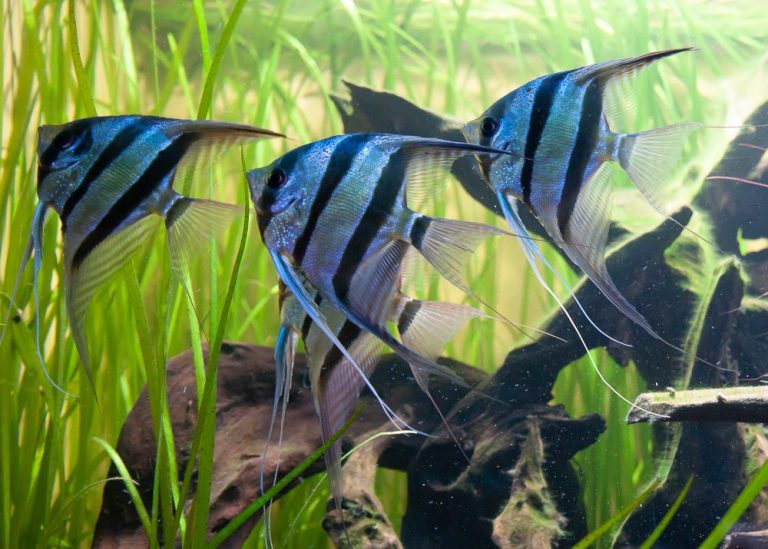
Most hobbyists are familiar with Pterophyllum scalare, which is the progenitor of almost all domestic strains. However, the wild forms and their cousins offer a unique challenge for those looking to replicate a true Amazonian biotope.
Pterophyllum scalare: The Common Angelfish
This is the most widespread species in the hobby and is found across much of the Amazon River basin. They are incredibly adaptable, which is why they have become a staple for anyone looking for proper fresh water fish for a medium to large setup.
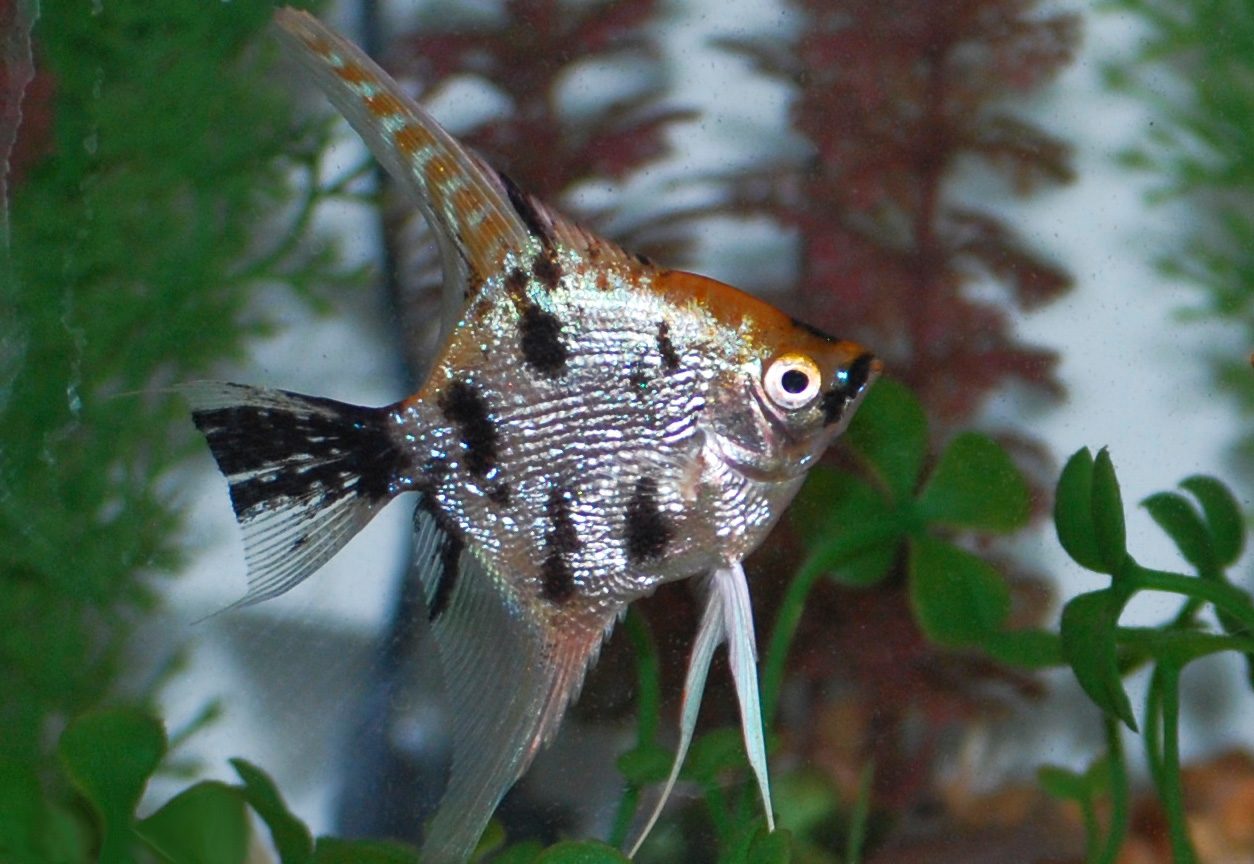
Over decades of captive breeding, we have seen the emergence of marbles, koi, gold, and veiltail varieties. While these domestic strains are hardier than their wild ancestors, they still retain the classic cichlid personality and predatory instincts.
Pterophyllum altum: The Deep-Water Giant
The Pterophyllum altum is the largest and most demanding of the trio, often reaching heights of over 12 inches including their fins. They are native to the Orinoco River and the Upper Rio Negro, where the water is exceptionally soft and acidic.
These fish are known for their distinct “notch” above the snout and their vertical brown bars. In my experience, keeping Altums successfully requires a massive tank and a commitment to pristine water quality that most beginners might find daunting.
Pterophyllum leopoldi: The Teardrop Angelfish
Often overlooked, Pterophyllum leopoldi is the smallest and most aggressive of the three species. They are easily identified by a dark spot on the lateral line system at the base of the dorsal fin, giving them a “teardrop” appearance.
Unlike their taller cousins, Leopoldi angelfish have a more elongated body shape. They are a fantastic choice for those who want a wild-type angelfish but have a tank that is slightly shorter than what an Altum would require.
| Species Name | Common Name | Max Height | Difficulty Level |
|---|---|---|---|
| Pterophyllum scalare | Common Angelfish | 6 – 8 Inches | Beginner – Intermediate |
| Pterophyllum altum | Altum Angelfish | 12+ Inches | Expert |
| Pterophyllum leopoldi | Leopoldi/Teardrop | 5 – 6 Inches | Intermediate |
Setting Up the Perfect Angelfish Habitat
To follow an angelfish species guide, you must understand that these fish live in slow-moving, heavily vegetated waters. Their thin, tall bodies are an evolutionary adaptation for handling through submerged tree roots and tall aquatic plants.
When I first started keeping them, I made the mistake of using a standard shallow tank. I quickly realized that angelfish need vertical space more than horizontal length to prevent their fins from becoming stunted or damaged.
Water Chemistry and Quality
Angelfish stay healthy in water that mimics the tropical rainforest environment. This means the water should be warm, slightly acidic, and low in carbonate hardness.
While domestic strains can tolerate a wider range of parameters, wild-caught species like Altums are highly sensitive. I recommend using driftwood to naturally release humic substances into the water, which provides a bacteriostatic effect and mimics their natural blackwater home.
Pro Tip: If you are struggling with high pH, avoid using chemical “pH Down” products which can cause dangerous swings. Instead, use peat moss in your filter or Indian Almond leaves to gently lower the acidity while adding beneficial tannins.
The Importance of Tank Height
For a standard pair of Pterophyllum scalare, a 29-gallon tank is often cited as the minimum, but I strongly suggest a 55-gallon “tall” tank. This extra height allows them to display their natural swimming posture without dragging their pelvic fins on the substrate.
If you are planning to keep a group, a 75-gallon or larger is necessary to manage territory. Angelfish are social but hierarchical, and a larger footprint helps diffuse aggression during feeding and breeding.
Diet and Nutrition for Ideal Health
Angelfish are opportunistic omnivores with a strong lean toward carnivory. In the wild, they consume small crustaceans, insect larvae, and even smaller fish.
Their anatomy is specialized for this; they possess pharyngeal teeth located in their throat that help them grind up tougher prey items. Providing a varied diet is the best way to make sure vivid colors and a strong immune system.
What to Feed Your Angelfish
I have found that a base of high-quality flake or pellet food is excellent, but it should be supplemented at least three times a week. Frozen or live foods like bloodworms, brine shrimp, and daphnia are favorites that trigger their natural hunting instincts.
Be careful not to overfeed, as angelfish are notorious beggars. Overfeeding leads to poor water quality and can increase the risk of internal parasites and fatty liver disease.
| Food Type | Frequency | Benefits |
|---|---|---|
| High-Quality Flakes/Pellets | Daily (1-2 times) | Balanced base nutrition and vitamins. |
| Frozen Bloodworms | 2-3 times per week | High protein for growth and breeding. |
| Live Brine Shrimp | Weekly Treat | Encourages natural hunting behavior. |
| Blanched Spinach/Zucchini | Occasionally | Provides necessary fiber for digestion. |
angelfish species guide: Breeding and Substrate Spawning
One of the most rewarding aspects of the hobby is witnessing the complex parental care of angelfish. Unlike many fish that scatter their eggs and forget them, angelfish are substrate spawning cichlids that guard their young fiercely.
To begin breeding, you first need a compatible pair. It is often best to start with a group of six juveniles and let them naturally pair off as they reach maturity.
The Spawning Process
When a pair is ready to spawn, they will select a vertical surface, such as a large Amazon Sword leaf or a piece of slate. They will spend hours cleaning the site with their mouths before the female begins laying rows of translucent eggs.
Once the eggs are laid, the male follows behind to fertilize them. Both parents will then take turns fanning the eggs with their pectoral fins to keep a steady flow of oxygenated water and to prevent fungus from growing.
Raising the Fry
The eggs usually hatch within 48 to 72 hours, depending on the temperature. At this stage, they are known as “wigglers” and will remain attached to the spawning site by a sticky thread.
After a few more days, the fry become free-swimming. This is the most critical time, as they require specialized food like freshly hatched brine shrimp to survive. Watching the parents lead their cloud of fry around the tank is a spectacular sight.
Common Mistake: Many new breeders leave the aquarium lights on 24/7 to help the parents see the eggs. This actually stresses the fish out; instead, use a very dim “moonlight” or a nearby hallway light so they can guard the nest without losing sleep.
While angelfish are often sold as community fish, they are still cichlids. This means they can be territorial, especially when they reach sexual maturity or during spawning.
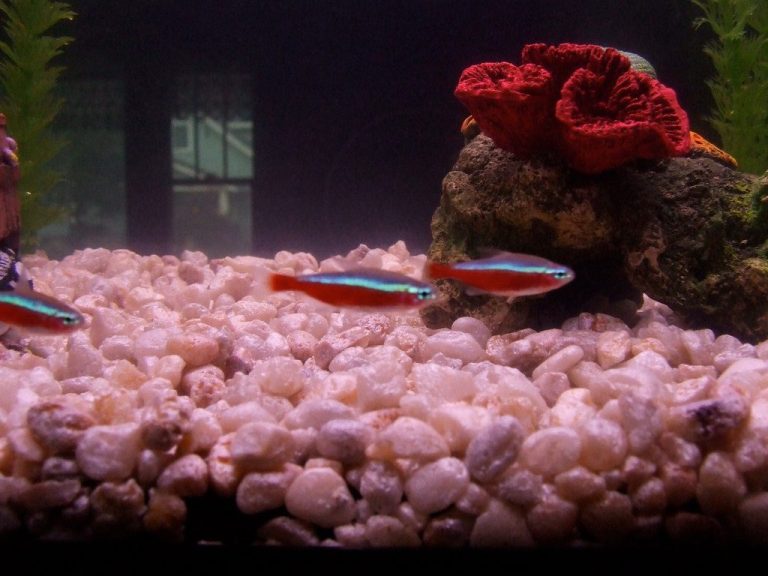
When choosing peaceful community fish to live with them, you must avoid anything small enough to fit in their mouths. Neon tetras, while beautiful, are a natural prey item for large angelfish in the wild.
Ideal Tank Mates
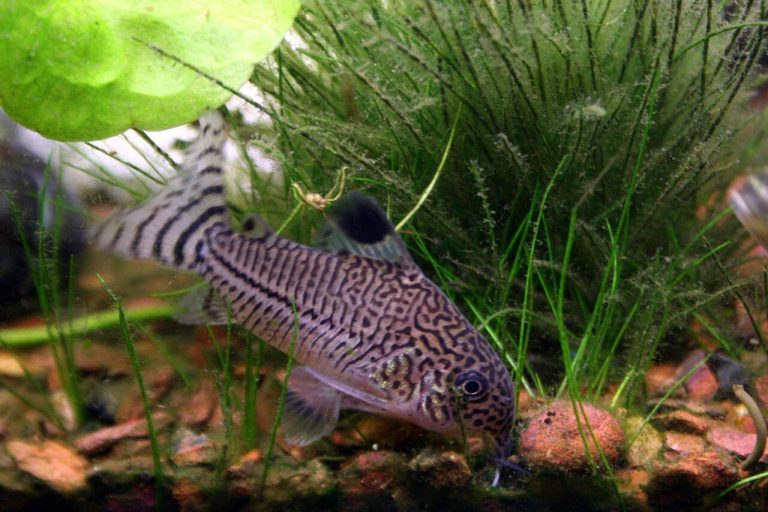
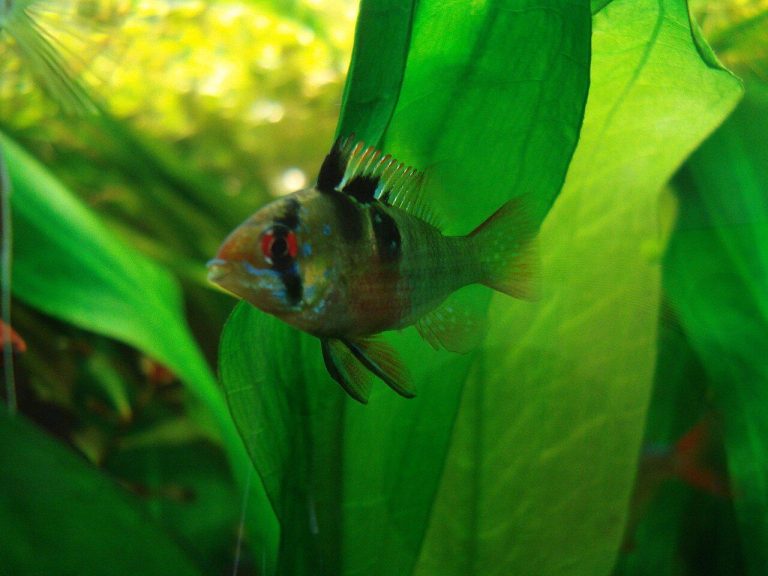
Larger tetras, such as Rummy Nose or Bleeding Heart tetras, make excellent companions. Corydoras catfish are also perfect because they inhabit the bottom of the tank and rarely cross paths with the mid-water dwelling angelfish.
Avoid aggressive fin-nippers like Tiger Barbs, as they will be tempted by the angelfish’s long, flowing filaments. Similarly, very aggressive cichlids should be avoided as they may outcompete the angelfish for food and space.
Common Health Issues and Disease Prevention
Even with the best care, angelfish can fall victim to various ailments. Maintaining high water quality is 90% of the battle, but being able to identify symptoms early can save your fish’s life.
Two of the most common issues in angelfish are “Ich” and “Hole-in-the-Head” disease. Both are treatable if caught in the early stages, but they can quickly become fatal in a stressed environment.
Ichthyophthirius multifiliis (Ich)
Commonly known as white spot disease, Ichthyophthirius multifiliis presents as small white grains of salt on the body and fins. It is often triggered by sudden temperature drops or the stress of being moved to a new tank.
Increasing the tank temperature to 86°F (30°C) for a week can speed up the parasite’s life cycle, making it easier to treat with standard over-the-counter medications. Always help you increase aeration when raising temperatures, as warm water holds less oxygen.
Hexamitiasis (Hole-in-the-Head)
Hexamitiasis is a parasitic infection often linked to poor water quality and vitamin deficiencies. It manifests as small pits or erosions on the fish’s head and along the lateral line.
Treating this usually requires a medicated food containing metronidazole and a rigorous schedule of water changes. I’ve noticed that adding a high-quality vitamin supplement to their food can significantly aid in the recovery of the skin and tissue.
Still wondering?
How long do angelfish live? With proper care, freshwater angelfish typically live between 10 and 15 years. Their lifespan is heavily dependent on water stability and a balanced diet.
Can I keep a single angelfish? Yes, angelfish can be kept alone, and they often become quite “tame,” recognizing their owners. However, they are naturally social and usually do well better in pairs or groups if the tank is large enough.
Why is my angelfish turning pale? Angelfish often lose their color when they are stressed, sleeping, or if the water quality has dipped. If the paleness is accompanied by lethargy or lack of appetite, check your ammonia and nitrite levels immediately.
Are angelfish aggressive toward other fish? They are generally peaceful but can be “bullies” during feeding or when guarding a nesting site. Their aggression is usually directed at other angelfish to establish a pecking order.
Wrapping up
The freshwater angelfish is a rewarding species that offers a unique blend of beauty and personality. If you follow this angelfish species guide, you are setting yourself up for a successful and long-term relationship with these incredible animals.
Remember that what matters most is mimicking their natural environment as closely as possible. Focus on vertical space, soft water, and a high-quality, varied diet.
Whether you choose the hardy domestic P. scalare or the majestic P. altum, these fish will undoubtedly become the centerpiece of your aquatic world. Stay patient, keep your water clean, and enjoy the journey of keeping the King of the Aquarium.

- 2003First tank
- 20+Years keeping
- 40+Tanks kept
- 0Sponsored picks
Howard set up his first 10-gallon planted tank in 2003 and lost half of it within six weeks. Two decades and more than forty aquariums later, he writes the guides he wished he had then: clear numbers, the reasons behind them, and what actually goes wrong in home tanks.