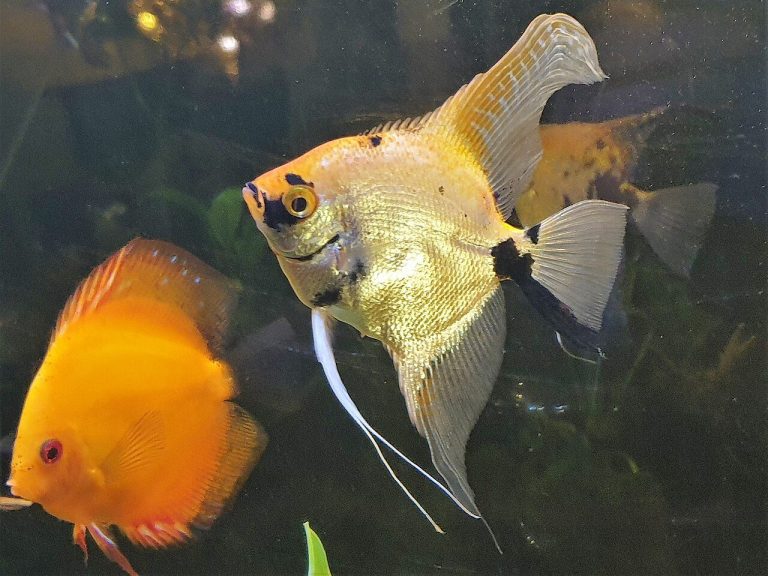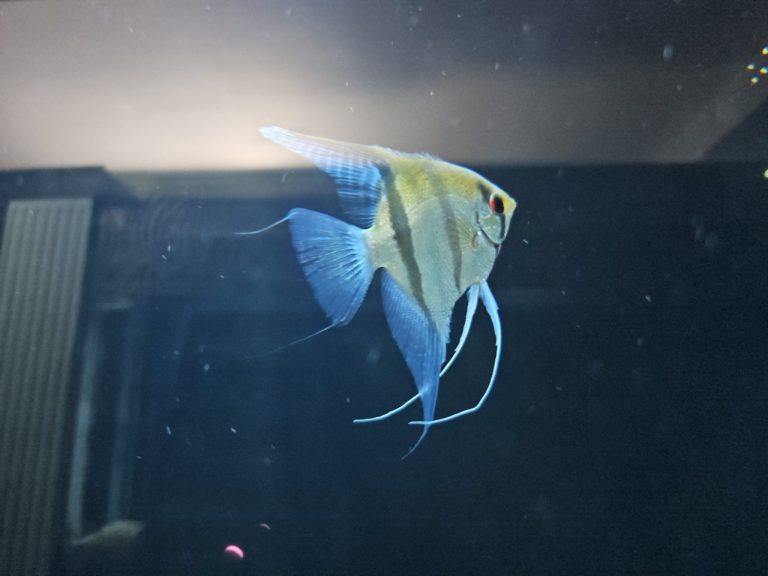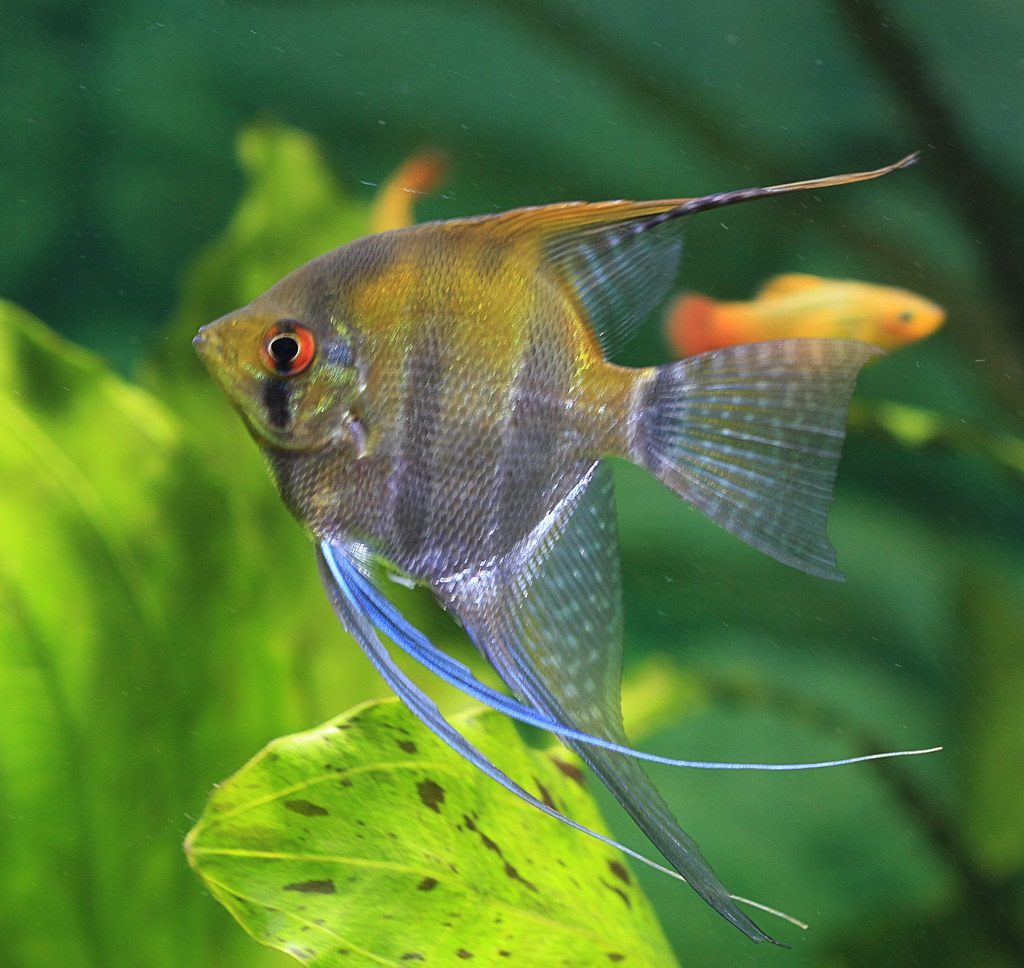
Can Angelfish Change Gender – How to Tell Them Apart
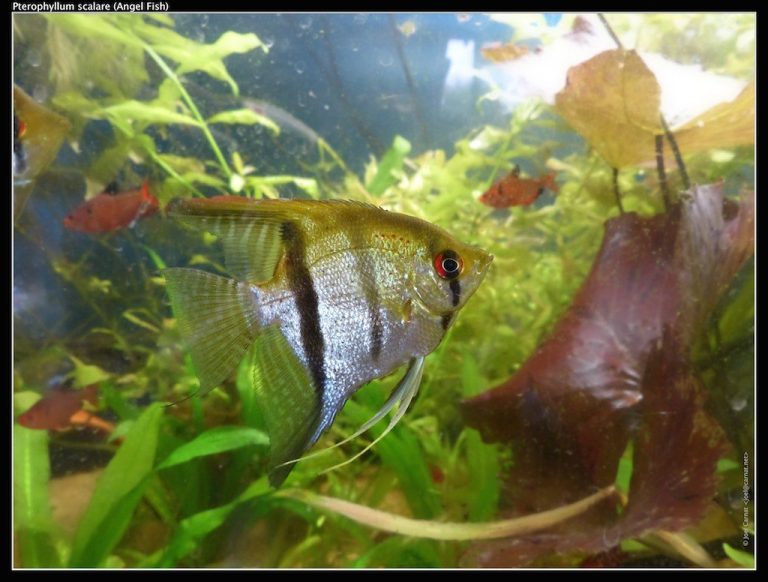
No, angelfish (Pterophyllum scalare) are gonochoristic, meaning they have distinct, fixed biological sexes as either male or female from birth. They do not possess the ability to change their gender throughout their lives, unlike some other fish species that exhibit sequential hermaphroditism.
Angelfish are magnificent creatures that add a touch of elegance and majesty to any freshwater aquarium. Their flowing fins and graceful swimming patterns have captivated aquarists for generations. As a fish keeper with over a decade of experience nurturing these aquatic jewels, I’ve seen firsthand the wonder and occasional confusion they inspire.
One of the most frequently asked questions I encounter, especially from those venturing into angelfish breeding or trying to establish compatible pairs, is about their gender. Specifically, many aquarists wonder: can angelfish change gender? It’s a unusual question, rooted in the incredible diversity of reproductive strategies found in the aquatic world. Let’s look closely at this topic and clarify the facts surrounding angelfish sexes.
At a glance: Freshwater angelfish (Pterophyllum scalare)
- Temperature
- 76–84°F (24–29°C)
- Water pH
- 6.0–7.5
- Adult size
- 6 in long, 8 in tall (15 × 20 cm)
- Minimum tank
- 30 gal for a pair, 55 gal tall for a group
- Group size
- Pair or group of 5+
- Temperament
- Semi-aggressive, territorial when breeding
- Diet
- Omnivore: pellets, flakes, frozen bloodworm and brine shrimp
- Lifespan
- 10–12 years
Keeper’s tip: Choose a tall tank; height matters more than length for a fish that grows taller than it is long.
The Definitive Answer: Do Angelfish Change Gender?
Let’s get straight to the point: No, angelfish do not change gender. They are what biologists call “gonochoristic.” This means that an individual angelfish is born either male or female and remains that sex throughout its entire lifespan. There’s no biological mechanism for them to transition from one sex to the other.
This understanding is fundamental for anyone hoping to breed angelfish successfully or simply maintain a peaceful community tank. Misconceptions about their gender can lead to frustration when trying to pair them up. Knowing that their sex is fixed is the first step towards successful angelfish keeping.
Understanding Gonochorism
`Gonochorism` is the most common sexual strategy in the animal kingdom, including most fish species. In a `gonochoristic` species like the angelfish (`Pterophyllum scalare`), individuals develop either male or female reproductive organs early in life. These organs, the testes in males and ovaries in females, are responsible for producing sperm and eggs, respectively.
This fixed sexual identity means that an angelfish born male will always be capable of producing sperm, and one born female will always be capable of producing eggs. There’s no intermediate stage or potential for transformation. This is a important distinction from other interesting fish species we’ll discuss next.
What is Sequential Hermaphroditism? (And Why Angelfish Don’t Do It)
The reason the question “can angelfish change gender” often arises is because some other fish do exhibit this remarkable ability. This phenomenon is known as `sequential hermaphroditism`. In these species, an individual begins its life as one sex and later transitions to the other.
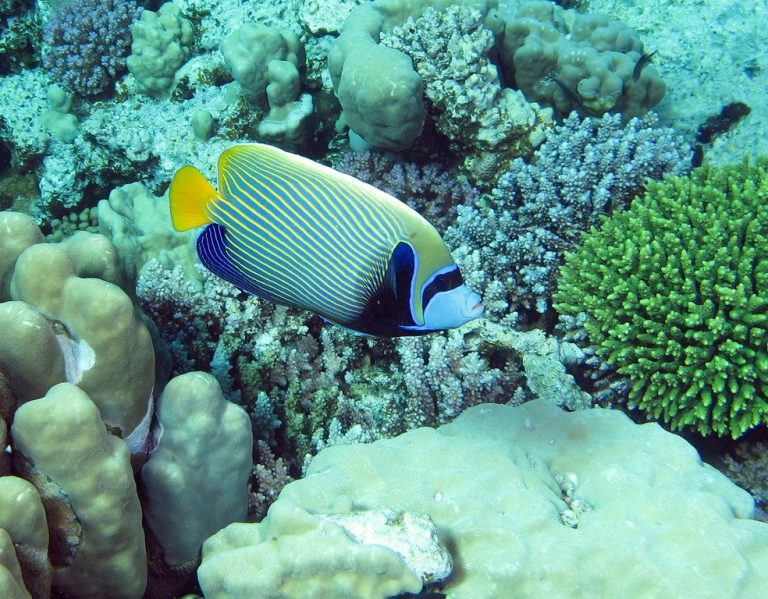
There are two main types of sequential hermaphroditism. `Protogynous hermaphroditism` involves an individual starting as female and later changing to male. Many wrasses and parrotfish, as well as some marine angelfish species (family `Pomacanthidae`), display this. Conversely, `protandrous hermaphroditism` sees individuals starting as male and later becoming female, as famously seen in clownfish. Angelfish, being freshwater cichlids, do not belong to these groups and do not exhibit either of these remarkable gender-changing abilities.
Pro Tip: Don’t Confuse Courtship with Gender Change.
I’ve noticed that sometimes new aquarists might mistake aggressive posturing or territorial displays between angelfish as signs of gender fluidity. In reality, these are often just normal behaviors as angelfish establish dominance or attempt to form breeding pairs. It’s not an indication that an angelfish can change gender, but rather part of their natural social dynamics.
Why the Confusion? Sexing Angelfish Can Be Tricky
If angelfish don’t change gender, why is there so much discussion and difficulty in determining their sex? The primary reason lies in their limited `sexual dimorphism`. `Sexual dimorphism` refers to distinct differences in appearance between males and females of the same species. In many animals, these differences are obvious, but with angelfish, they are often subtle or nonexistent until maturity, particularly during breeding.
For a long time, even experienced hobbyists found it challenging to definitively sex angelfish without observing them during spawning. This lack of obvious visual cues leads to a lot of speculation and trial-and-error pairing. Understanding these challenges helps in appreciating the more reliable methods.
Limited Sexual Dimorphism
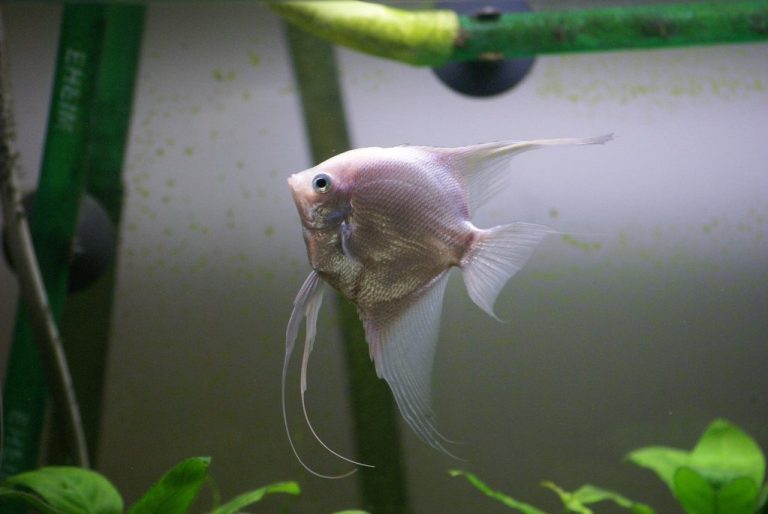
Unlike some fish where males are vividly colored or have elaborate fins, `Pterophyllum scalare` males and females look remarkably similar. Young angelfish are virtually impossible to sex visually. As they mature, some slight differences might emerge, but these are rarely definitive.
Males sometimes develop a slightly more pointed dorsal fin and a very subtle `nuchal hump` (a slight bump on the forehead) as they age. However, these traits are not universally present, can vary greatly between individuals, and are often unreliable indicators. Relying on these subtle physical traits alone can easily lead to misidentification.
Behavioral Clues vs. Physical Traits
While physical traits are generally unreliable, behavioral clues offer a much better insight. When angelfish mature and are ready to breed, they will often pair off. Once a pair has formed, their interactions and specific actions, especially around spawning time, become clear indicators of their gender.
Observing a pair clean a spawning site, followed by one fish laying eggs and the other fertilizing them, is the most unequivocal way to confirm their sexes. This observation-based approach requires patience but yields accurate results. It’s often said that angelfish choose their own partners, and watching them do so is a interesting part of the hobby.
How to Differentiate Male and Female Angelfish (The Reliable Methods)
Since the question “can angelfish change gender” has been definitively answered, the next logical step is to understand how to tell them apart. While it’s true that young angelfish are nearly impossible to sex visually, mature individuals, especially when ready to breed, offer more reliable clues.
The key is to look for specific physical differences that become pronounced during breeding. Patience and keen observation are your greatest tools here. I’ve spent countless hours watching my angelfish, and it’s always satisfying when a pair finally reveals their sexes.
The Genital Papilla: Your Best Bet
The most reliable way to sex mature angelfish is by observing their `genital papilla`. This is a small, tube-like organ located just in front of the anal fin, which becomes visible and extends when the fish is ready to spawn.
- Female Angelfish: The female’s `genital papilla` is typically broader, blunt, and more rounded at the tip. This is her `ovipositor`, through which she lays her eggs. It’s designed to deposit eggs smoothly onto a surface.
- Male Angelfish: The male’s `genital papilla` is usually narrower, more pointed, and conical. This is his `spermiduct`, used to release milt (sperm) to fertilize the eggs.
Observing the `genital papilla` requires careful timing, usually when the fish are actively preparing to spawn. It might be challenging to see if they are not in breeding condition.
Common Mistake: Sexing Too Early
Many new aquarists try to sex their angelfish when they are still juveniles, often leading to frustration and incorrect assumptions. The reliable physical indicators, especially the genital papilla, only become apparent when angelfish reach sexual maturity and are actively preparing to breed. Give your fish time to grow and mature!
Observing Breeding Behavior
Beyond the `genital papilla`, the most conclusive evidence of an angelfish’s sex comes from observing its behavior during breeding. Angelfish are pair-bond breeders, and once a pair forms, they will exhibit distinct roles.
- Pairing: Mature angelfish, often in a group, will naturally select a mate. They will chase off other angelfish, guard a specific territory, and engage in “leaf picking” or cleaning a chosen spawning site (a broad leaf, slate, or even the aquarium glass).
- Egg Laying: The female will be the one depositing the rows of eggs onto the cleaned surface. Her `ovipositor` will be clearly visible during this process.
- Fertilization: Immediately after the female lays a row of eggs, the male will follow, passing over the eggs to fertilize them with his milt. His pointed `spermiduct` will be evident.
Watching this entire process unfold is definitive for sexing and also incredibly satisfying.
Here’s a quick comparison of the key indicators:
| Characteristic | Male Angelfish | Female Angelfish |
|---|---|---|
| Genital Papilla | Narrower, more pointed, conical (`spermiduct`). | Broader, blunt, rounded at the tip (`ovipositor`). |
| Nuchal Hump (Forehead) | May develop a very subtle bump (unreliable indicator). | Typically flat or smooth. |
| Dorsal Fin | Often slightly more pointed at the tip (unreliable indicator). | Often slightly more rounded at the tip. |
| Body Shape | Can appear slightly more slender and streamlined (very subtle). | Can appear slightly rounder, especially when gravid with eggs (very subtle). |
| Behavior (Breeding) | Follows female to fertilize eggs, guards territory. | Deposits eggs, guards territory. |
Angelfish Breeding: What You Need to Know for Success
Understanding that `can angelfish change gender` is a myth, and knowing how to properly identify male and female angelfish, paves the way for successful breeding. Breeding angelfish is a satisfying experience, allowing you to witness the intricate natural behaviors of these fish firsthand. It requires dedication, stable water parameters, and a keen eye for observation.
If you’re interested in learning more about the general requirements for these eye-catching fish, our angelfish care guide offers comprehensive advice on keeping them healthy.
Creating the Ideal Environment
To encourage breeding, you’ll need a dedicated breeding tank, ideally at least 20 gallons for a single pair, though larger is always better for overall health. The water parameters should be stable and pristine. Angelfish prefer soft, acidic water, with a pH between 6.0 and 7.5, and temperatures around 78-82°F (25-28°C). A consistent feeding regimen of high-quality foods, including live or frozen options, will also help condition them for spawning.
Providing appropriate spawning surfaces is critical. This could be a broad-leafed plant, a piece of slate placed vertically, or even a specialized spawning cone. The pair will choose their preferred spot, carefully cleaning it in preparation.
The Spawning Process
Once a pair has formed and the conditions are right, you’ll observe them closely guarding their chosen spawning site. The female, with her extended `ovipositor`, will begin to lay rows of eggs on the surface. Her male partner will then follow closely behind, releasing his milt from his pointed `spermiduct` to fertilize them. This process can last for hours, resulting in hundreds of tiny, adhesive eggs.
After spawning, both parents typically guard the eggs, fanning them with their fins to keep good water circulation and picking off any unfertilized or fungused eggs. This dedicated parental care is a hallmark of cichlids. If you wish to raise the fry, you may choose to remove the eggs to a separate hatching tank to protect them from potential predation or stress in the main aquarium.
Common Misconceptions About Angelfish Gender
Despite the biological facts, several misconceptions about angelfish gender persist within the hobby. These often stem from anecdotal observations or misinterpretations of fish behavior. It’s important to address these to provide accurate information to aquarists.
One common belief is that if you have two angelfish that appear to be a pair but never produce viable fry, one of them must be changing gender. In reality, it’s far more likely that you have two females acting as a “pseudo-pair” or two males. Two females will often lay eggs together, but of course, these eggs will never be fertilized.
Another misconception is that stress or environmental factors can induce a gender change in angelfish. While stress can certainly impact their reproductive health and behavior, it does not alter their fundamental biological sex. A stressed male will remain a male, and a stressed female will remain a female. Their ability to spawn might be inhibited, but their gender is not affected. Understanding the freshwater nature of angelfish and their specific environmental needs is key to keeping them healthy and reducing stress.
Quick answers About Angelfish Gender and Reproduction
Here are answers to some of the most common questions aquarists have about angelfish gender and reproduction.
Q: At what age can you tell the sex of an angelfish?
A: You can generally begin to reliably tell the sex of an angelfish once they reach sexual maturity, which is typically between 6 to 12 months of age. Even then, the most definitive way is to observe their `genital papilla` during active breeding preparation or actual spawning. Before this age, it’s very difficult, if not impossible, to accurately sex them visually.
Q: Can angelfish breed with siblings?
A: Yes, angelfish can and often do breed with siblings. In a tank where a batch of fry has grown up together, sibling pairs will naturally form. While this is common, prolonged inbreeding over many generations can potentially lead to weaker genetics, reduced fertility, or increased susceptibility to disease. For serious breeders, introducing new, unrelated bloodlines is important to maintain genetic diversity and vigor.
Q: How do you know if an angelfish is male or female?
A: The most reliable method is to observe their `genital papilla` when they are ready to spawn. Males will have a narrower, more pointed `spermiduct`, while females will have a broader, blunter `ovipositor`. Additionally, observing actual spawning behavior – one fish laying eggs and the other fertilizing them – provides definitive proof. Less reliable indicators include slight differences in dorsal fin shape or the presence of a subtle `nuchal hump` in males.
Q: What if I have two females and want them to breed?
A: If you have two female angelfish, they will not be able to produce viable fertilized eggs, as both lack the necessary male reproductive organs. However, two females can sometimes form a “pair” and even lay eggs together. These eggs will never hatch. To breed successfully, you will need a true male and female pair. Your best bet is to acquire a group of juvenile angelfish (4-6 individuals) and let them grow out together; they will typically pair off naturally. You might also explore resources on various angelfish species to understand their specific pairing dynamics.
Final thoughts
The question “can angelfish change gender” is a common one, but the answer is a clear no. Angelfish are `gonochoristic`, meaning they are born either male or female and remain that way throughout their lives. They do not exhibit `sequential hermaphroditism` like some other interesting fish species. The confusion often arises because `sexual dimorphism` in angelfish is minimal, making it difficult to differentiate sexes until they are mature and ready to breed.
Once you understand the key differences in their `genital papilla` and observing their unique breeding behaviors, you can reliably identify male and female angelfish. This knowledge is vital for successful breeding and also improves your appreciation for these elegant cichlids. As always, patience, keen observation, and providing best care are the cornerstones of a stable angelfish aquarium.

- 2003First tank
- 20+Years keeping
- 40+Tanks kept
- 0Sponsored picks
Howard set up his first 10-gallon planted tank in 2003 and lost half of it within six weeks. Two decades and more than forty aquariums later, he writes the guides he wished he had then: clear numbers, the reasons behind them, and what actually goes wrong in home tanks.