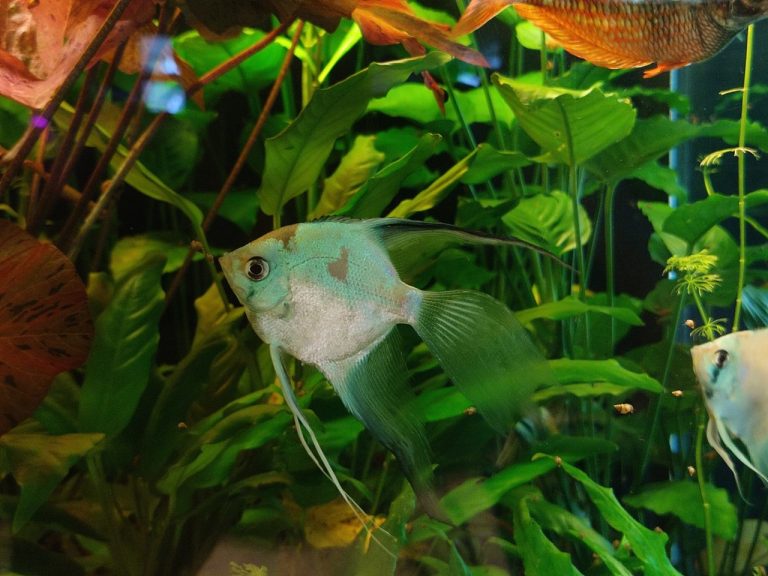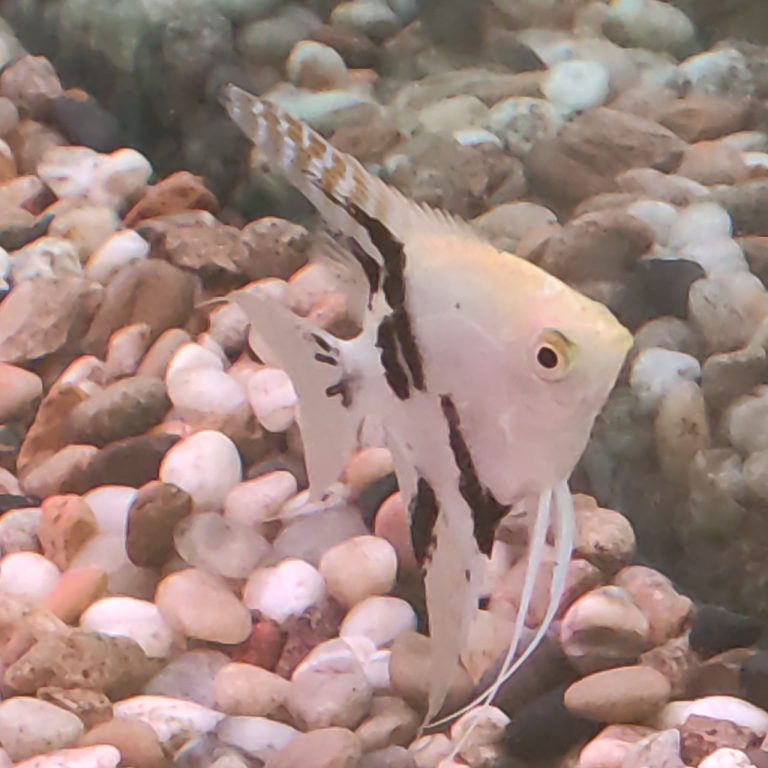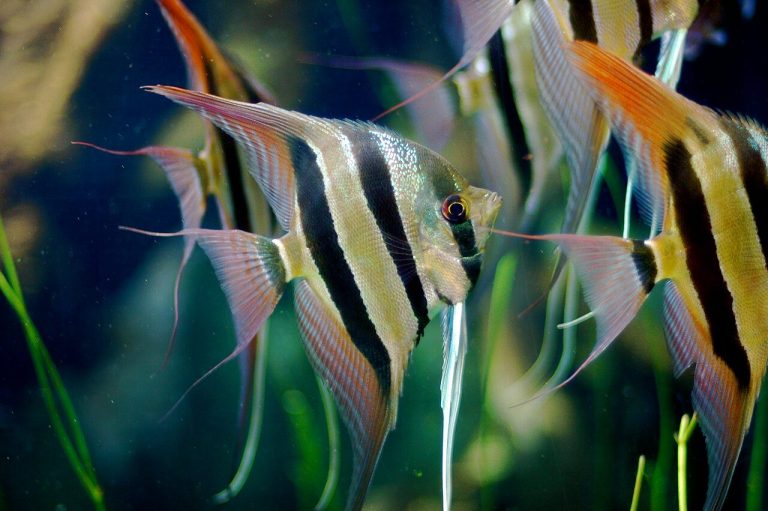
Why Can’t You Tell Angelfish Gender When Young
You cannot determine the sex of young angelfish because they lack sexual dimorphism until maturity, meaning their reproductive organs and physical differences only develop and become visible once they reach 6 to 12 months of age.
In my experience of keeping these majestic “Kings of the Aquarium” for over a decade, I have seen countless hobbyists stare intently at a tank of two-inch juveniles. They are all searching for that one elusive clue that might reveal a future breeding pair.
The truth is that why can’t you tell angelfish gender when young is one of the most common frustrations for beginners and intermediate keepers alike. These fish are biologically designed to make sure their secrets until they are physically ready to reproduce.
In this guide, I will draw on years of breeding experience to explain the biological reasons behind this mystery. We will also explore the subtle signs that emerge as they age and how you can eventually identify your males and females with confidence.
Expert Pro Tip: If your goal is to have a mated pair, never buy just two juveniles. In my fish room, I always start with a group of at least six young fish, which gives you a 95% statistical chance of at least one male and one female forming a natural bond.
At a glance: Freshwater angelfish (Pterophyllum scalare)
- Temperature
- 76–84°F (24–29°C)
- Water pH
- 6.0–7.5
- Adult size
- 6 in long, 8 in tall (15 × 20 cm)
- Minimum tank
- 30 gal for a pair, 55 gal tall for a group
- Group size
- Pair or group of 5+
- Temperament
- Semi-aggressive, territorial when breeding
- Diet
- Omnivore: pellets, flakes, frozen bloodworm and brine shrimp
- Lifespan
- 10–12 years
Keeper’s tip: Choose a tall tank; height matters more than length for a fish that grows taller than it is long.
The Biological Mystery: why can’t you tell angelfish gender when young?
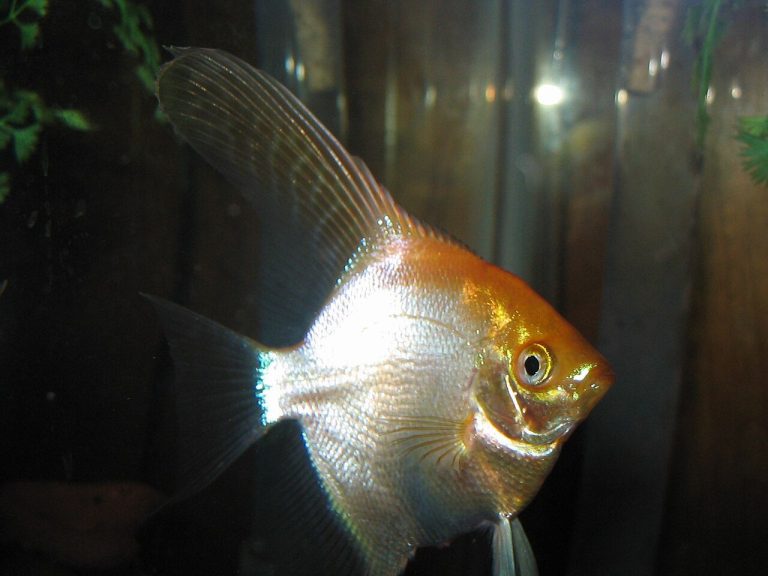
The primary reason why can’t you tell angelfish gender when young is that Pterophyllum scalare are considered monomorphic as juveniles. This means that both males and females look identical in shape, size, and color during the first several months of their lives.
Unlike some fish species where males have brighter colors or longer fins from birth, angelfish develop their sexual characteristics slowly. Their reproductive organs, known as papillae, are tucked away inside the body cavity and only emerge when the fish is fully mature and ready to spawn.
Furthermore, the secondary sexual characteristics, such as the nuchal hump on the forehead of some males, are hormonal developments. These physical changes are triggered by growth and social hierarchy, which simply haven’t occurred in a fish that is only three or four months old.
The Role of Hormonal Maturity
As an angelfish grows, its endocrine system begins to produce the hormones necessary for reproduction. This typically happens when the fish reaches the size of a silver dollar, excluding the fins.
Before this stage, there is no physiological difference for us to observe. Even a trained biologist would struggle to distinguish them without a microscopic examination or a DNA test, which is neither practical nor safe for the fish.
Evolutionary Advantages of Being Identical
In the wild, being monomorphic as juveniles may serve as a survival strategy. By looking identical, young angelfish can school together without the immediate pressure of sexual competition or aggression.
This allows them to focus their energy on growth and escaping predators. Only when they are large enough to defend a territory do the physical differences begin to manifest.
The Timeline: When Can You Finally Tell?
Since we know why can’t you tell angelfish gender when young, the next logical question is: when does that change? In my tanks, I have noticed that the timeline depends heavily on diet, water quality, and genetics.
Generally, you can expect to see the first reliable signs of gender between 6 and 10 months of age. Some slow-growing varieties, like certain wild-type alums, may take up to a full year to show their true colors.
| Growth Stage | Approximate Age | Gender Distinguishability |
|---|---|---|
| Fry / Small Juvenile | 0 – 3 Months | Impossible (0% accuracy) |
| Sub-Adult | 4 – 7 Months | Very Difficult (Guesses only) |
| Mature Adult | 8 – 12 Months | Possible (Visual & Behavioral) |
| Spawning Pair | 10+ Months | Definitive (100% accuracy) |
Maintaining a consistent proper care for angelfish regimen will make sure they reach these milestones on schedule. Poor water quality or cramped conditions can actually stunt their hormonal development, making it even harder to sex them.
Physical Indicators to Watch for in Maturing Fish
Once your fish have moved past the juvenile stage, you can start looking for subtle physical clues. While none of these are 100% foolproof on their own, they provide a strong “educated guess” for the experienced keeper.
The most famous indicator is the nuchal hump. This is a fatty deposit on the forehead, just above the eyes, that is much more common in mature males than females.
Body Shape and Profile
In my experience, males tend to have a more circular body shape, while females often appear slightly more angular or “teardrop” shaped. When viewed from the front, a female that is carrying eggs (gravid) will appear much thicker in the midsection than a male.
Males also tend to grow slightly larger and may have more “rugged” features. Their dorsal fins might be taller, and their overall presence in the tank is often more imposing.
The Venting Method (The Breeding Tube)
The only reliable physical way to tell gender is by looking at the breeding tubes, or papillae. These emerge from the vent area (between the ventral fins and the anal fin) when the fish are preparing to spawn.
The male’s tube is thin, pointed, and resembles the tip of a pencil. In contrast, the female’s tube is blunt, rounded, and significantly wider to allow for the passage of eggs.
Expert Pro Tip: Don’t try to force the tubes to appear by changing the water or stressing the fish. Instead, watch your fish closely after a high-quality feeding of frozen bloodworms or brine shrimp, as this often stimulates “mock” spawning behavior where the tubes briefly descend.
Behavioral Clues: Let the Fish Tell You
When you realize why can’t you tell angelfish gender when young, you start to rely more on their social interactions. Angelfish are highly social and hierarchical cichlids.
As they approach maturity, their behavior changes drastically. You will notice certain fish becoming more territorial, while others may start to hang out together in a specific corner of the tank.
Pairing and Bonding
The most obvious sign of a male and female is the “pairing dance.” This involves two fish swimming side-by-side, twitching their bodies, and locking lips. While lip-locking can be a sign of aggression, when followed by cleaning a surface together, it almost always indicates a pair has formed.
They will choose a vertical surface, such as a broad leaf, a heater, or a piece of slate, and begin peck-cleaning it. This is a clear signal that they are preparing for a clutch of eggs.
Aggression and Dominance
Males are generally more aggressive, especially toward other males. If you see two fish constantly sparring while a third fish is left alone, you likely have two males and one female.
However, be careful with this assumption. I have seen very dominant females act just as aggressively as any male. This is why a selecting different varieties of angelfish requires careful observation of their individual personalities.
How Your Tank Setup Affects Sexing
The environment plays a massive role in how quickly you can solve the mystery of why can’t you tell angelfish gender when young. In a crowded or stressful tank, fish may suppress their sexual characteristics to avoid being targeted by a dominant tank mate.
To encourage your angelfish to show their true gender, you need to provide a stress-free environment. This includes plenty of swimming space and appropriate hiding spots.
Best Water Parameters for Maturity
Angelfish are cichlids that do well in a freshwater environment with specific chemistry. If the water is too hard or the pH is swinging wildly, their growth will slow down.
| Parameter | Ideal Range | Why It Matters |
|---|---|---|
| Temperature | 78°F – 82°F (25°C – 28°C) | Boosts metabolism and growth. |
| pH Level | 6.5 – 7.2 | Mimics natural Amazonian waters. |
| Water Hardness | 3 – 8 dGH | Soft water is better for egg development. |
| Ammonia / Nitrite | 0 ppm | Prevents stunting and illness. |
The Importance of High-Quality Diet
If you want your angelfish to mature quickly so you can tell their gender, you must feed them a variety of nutrient-dense foods. I’ve noticed that a diet consisting only of low-quality flakes results in late-blooming fish.
Incorporate high-protein options like frozen bloodworms, mysis shrimp, and high-quality pellets. This provides the building blocks for the hormones and physical structures needed for maturity.
Still wondering?
Can a pet store employee tell the gender of a juvenile?
In most cases, no. If a salesperson claims they can 100% guarantee the sex of a two-inch angelfish, they are likely guessing. Unless they are selling “proven pairs” (fish that have already successfully spawned), it is nearly impossible to be certain at that size.
Do different varieties like Koi or Marble have different sexing traits?
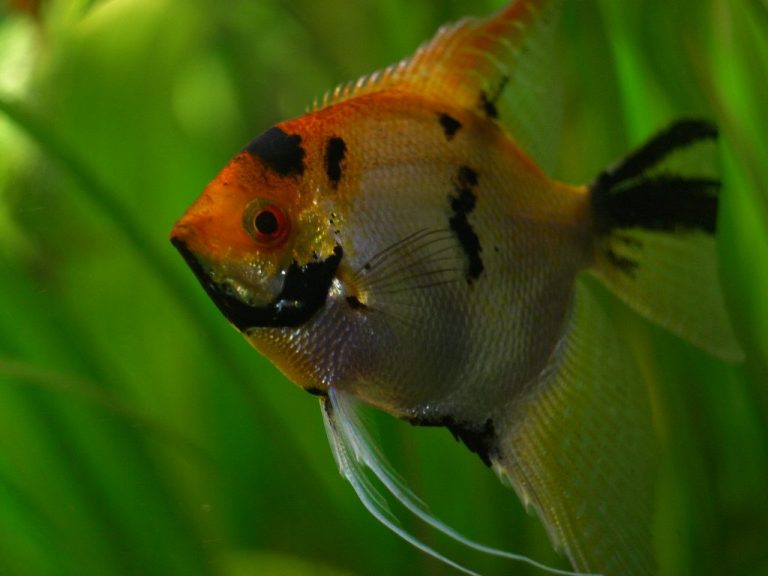
The biological reasons for why can’t you tell angelfish gender when young remain the same across all color varieties. However, some long-finned (veil) varieties can be even harder to sex because their fin length can mask the shape of their body and vent area.
Is it possible for two females to act like a pair?
Yes, this is a very common point of confusion. Two females will sometimes bond and even lay eggs together if no male is present. You will know this has happened when you see two sets of eggs or when all the eggs turn white (unfertilized) within 48 hours.
Does the nuchal hump always mean it’s a male?
While a large hump is a strong indicator of a male, it is not 100% accurate. Some older, dominant females can develop a slight bump on their forehead, and some males may have very smooth profiles. Always look for multiple signs rather than relying on just one.
Final Thoughts on Sexing Your Angelfish
Understanding why can’t you tell angelfish gender when young is the first step toward becoming a more patient and successful aquarist. Nature has a way of revealing these details only when the fish are ready.
I have spent many hours sitting in front of my tanks, watching the subtle shifts in behavior and body shape as my juveniles grew into majestic adults. It is one of the most satisfying aspects of the hobby—watching that mysterious juvenile finally reveal itself as a eye-catching male or a productive female.
Provide them with the best water quality, a varied diet, and plenty of space. If you do, the mystery will eventually solve itself. Don’t rush the process; instead, enjoy the journey of raising your angelfish from small silver coins into the kings of your aquarium.
Whether you are looking to breed them or just want a peaceful community tank, knowing their gender will eventually help you manage the social dynamics of your underwater world. Keep observing, stay patient, and

- 2003First tank
- 20+Years keeping
- 40+Tanks kept
- 0Sponsored picks
Howard set up his first 10-gallon planted tank in 2003 and lost half of it within six weeks. Two decades and more than forty aquariums later, he writes the guides he wished he had then: clear numbers, the reasons behind them, and what actually goes wrong in home tanks.