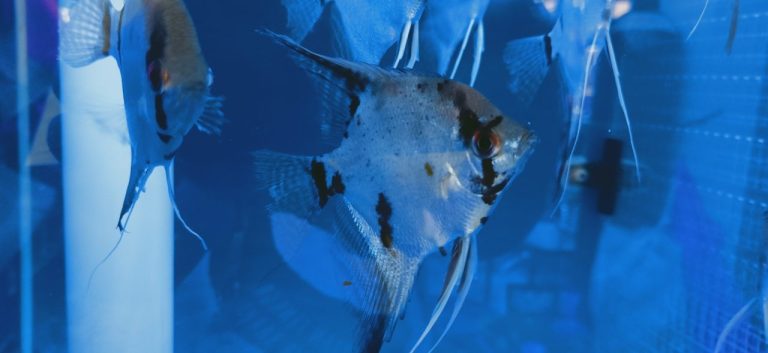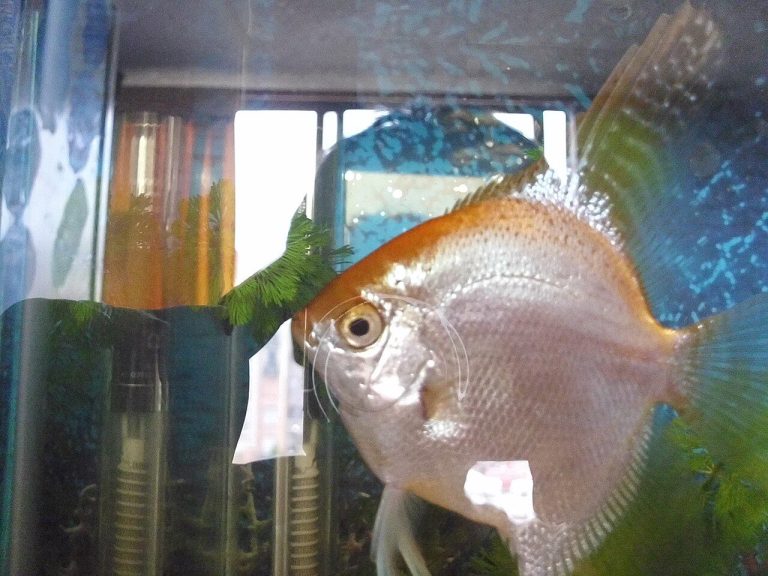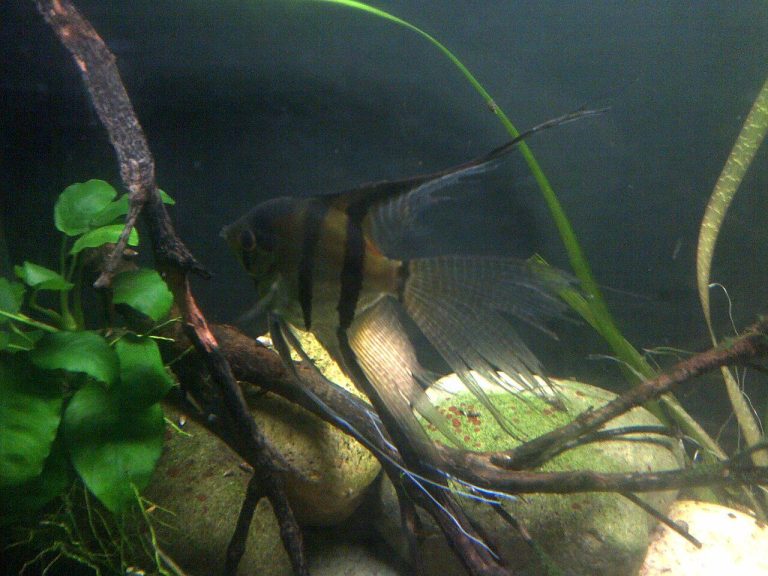
What Age Do Angelfish Reach Maturity? A Complete Guide To Breeding
Most freshwater angelfish (Pterophyllum scalare) reach sexual maturity between 6 and 12 months of age. Factors like diet, water temperature, and tank size significantly influence how quickly they develop their reproductive capabilities.
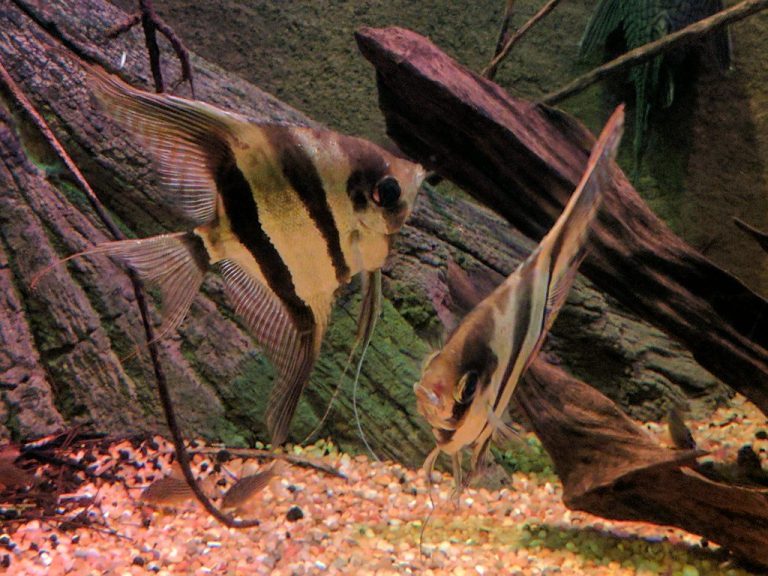
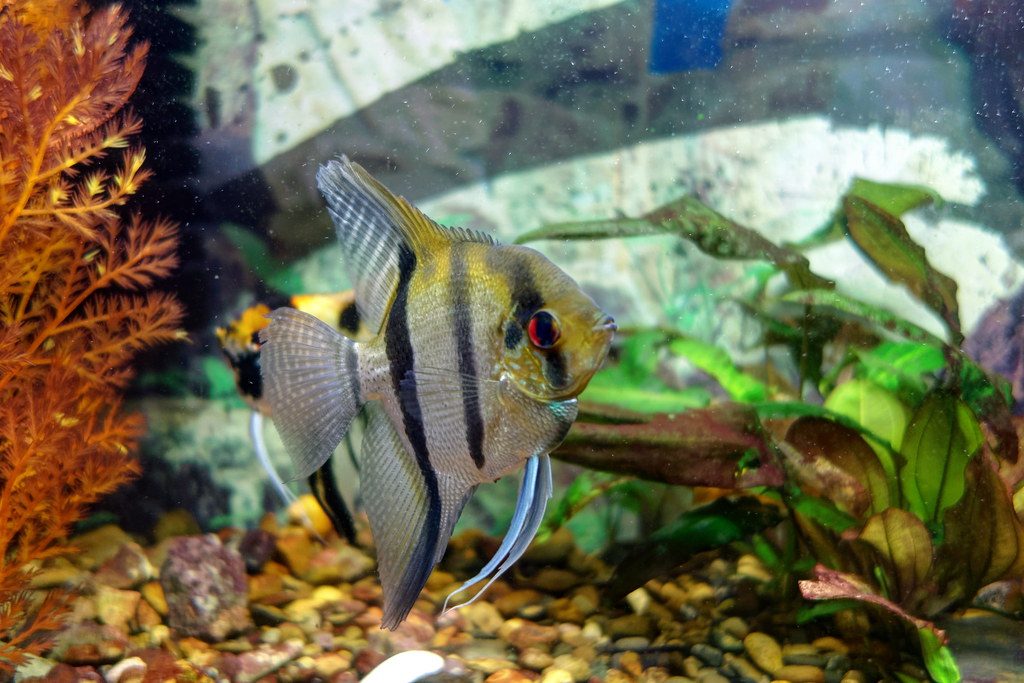
Watching a juvenile angelfish transform from a tiny, silver speck into a majestic, long-finned “king” of the aquarium is one of the most satisfying experiences in the hobby.
In my experience, the transition from adolescent to adult is a subtle process that requires a keen eye for behavioral changes and physical development.
Understanding what age do angelfish reach maturity is essential if you plan on breeding these fish or simply want to help they are stable in their environment.
At a glance: Freshwater angelfish (Pterophyllum scalare)
- Temperature
- 76–84°F (24–29°C)
- Water pH
- 6.0–7.5
- Adult size
- 6 in long, 8 in tall (15 × 20 cm)
- Minimum tank
- 30 gal for a pair, 55 gal tall for a group
- Group size
- Pair or group of 5+
- Temperament
- Semi-aggressive, territorial when breeding
- Diet
- Omnivore: pellets, flakes, frozen bloodworm and brine shrimp
- Lifespan
- 10–12 years
Keeper’s tip: Choose a tall tank; height matters more than length for a fish that grows taller than it is long.
The Biological Journey of Pterophyllum scalare
The common freshwater angelfish, scientifically known as Pterophyllum scalare, undergoes a complex biological transformation before it is ready to spawn.
This process is governed by the release of Gonadotropin-releasing hormone, which signals the fish’s body to start developing its reproductive organs.
As the fish grows, its endocrine system works overtime to prepare for the demands of vitellogenesis in females and spermatogenesis in males.
Understanding Vitellogenesis and Spermatogenesis
Vitellogenesis is the process where the female angelfish’s liver produces yolk proteins that are then transported to the developing eggs.
In males, spermatogenesis begins as the testes mature, allowing the fish to produce viable sperm for fertilization.
I’ve noticed that these internal processes are often triggered by a combination of age, stable water chemistry, and high-quality nutrition.
The Role of Hormones in Growth
The Gonadotropin-releasing hormone acts as the master switch for maturity, but it doesn’t work in a vacuum.
Environmental stability is key to making sure these hormones are released at the right time in the fish’s life cycle.
If a fish is stressed or malnourished, this biological clock can be delayed significantly, leading to stunted growth or late-onset maturity.
Pro Tip: When I first tried breeding angelfish, I realized that providing a variety of frozen and live foods like brine shrimp and bloodworms is the fastest way to trigger these hormonal changes. High protein levels are non-negotiable for healthy reproductive development.
What Age Do Angelfish Reach Maturity?
The standard answer to what age do angelfish reach maturity is typically between 6 and 12 months.
However, this is a broad window because individual genetics and tank conditions play a massive role in the timeline.
In a high-quality environment with frequent water changes and warm temperatures, some angelfish may show interest in pairing up as early as 5 months.
Typical Maturity Milestones
By the time an angelfish reaches the 6-month mark, it usually measures about 2 to 3 inches in body length (excluding the fins).
At this stage, you might start to see the first signs of territorial behavior as they begin to establish a hierarchy within the group.
By 10 to 12 months, most angelfish are fully capable of laying and fertilizing eggs, provided they have found a compatible mate.
| Age Range | Developmental Stage | Typical Behaviors |
|---|---|---|
| 0 – 3 Months | Juvenile Growth | Rapid eating, schooling for safety. |
| 4 – 6 Months | Adolescence | Minor territorial disputes, fin-nipping. |
| 7 – 10 Months | Early Maturity | Pairing off, cleaning surfaces for eggs. |
| 12+ Months | Full Maturity | Regular spawning cycles, parental care. |
Variations Among Varieties
Different strains of angelfish may reach maturity at slightly different rates.
For example, standard silver or marble varieties often mature slightly faster than highly inbred specialty strains like high-coverage albinos.
If you are raising unique varieties, you can learn more about their specific needs in our angelfish species guide.
Identifying Sex and Reproductive Readiness
One of the most frustrating aspects for beginner keepers is trying to figure out which fish is male and which is female.
Before they reach maturity, it is virtually impossible to sex an angelfish by looking at its body shape alone.
Once they approach the 8 to 10-month mark, physical indicators known as the Genital papilla and the Ovipositor become visible.
The Genital Papilla and Ovipositor
The Genital papilla in males is usually smaller, more pointed, and angled forward.
In contrast, the female’s Ovipositor is blunt, rounded, and thicker, designed specifically for the passage of eggs.
These organs usually only descend when the fish are actively preparing to spawn, making “venting” the most reliable way to confirm their sex.
Behavioral Indicators of Readiness
Aside from physical changes, you will notice Pheromone signaling between potential pairs.
The fish will start to hang out in the same corner of the tank and may begin “shaking” or “twitching” at each other.
They will also start aggressively defending a specific site, such as an Amazon Sword leaf or a piece of slate, from other tank mates.
Environmental Factors Influencing Maturity
While age is the primary factor, the environment dictates how quickly or slowly an angelfish hits its milestones.
Water quality is the most significant external influence on the growth rate and health of Pterophyllum scalare.
If you want your fish to reach maturity on schedule, you must prioritize a consistent angelfish care guide routine.
Photoperiodism and Lighting
Photoperiodism, or the duration of light the fish receives each day, can actually influence their reproductive cycle.
A consistent 12-hour light and 12-hour dark cycle mimics their natural habitat near the equator.
Sudden changes in lighting can stress the fish, potentially delaying their interest in pairing off or spawning.
Water Chemistry and Oxygen
Maintaining a stable Carbonate hardness is vital for keeping the pH from swinging wildly, which can stunt juvenile growth.
Furthermore, high Dissolved oxygen saturation is necessary to support the high metabolic rate of growing angelfish.
I always recommend using an air stone or a spray bar to make sure the water surface is constantly agitated for maximum gas exchange.
Common Mistake: Many keepers forget that temperature is a metabolic driver. Keeping your tank too cool (below 76°F) will slow down their growth and delay maturity. I’ve found that 80°F to 82°F is the “sweet spot” for accelerating healthy development.
Angelfish are naturally social when young but become increasingly territorial as they age.
When they reach the age where maturity is possible, the group dynamic will shift from a peaceful school to a series of power struggles.
This is why many experienced keepers suggest starting with a group of 6 juveniles and allowing them to pair off naturally.
Recognizing a Bonded Pair
A bonded pair will stick together like glue, often swimming side-by-side and chasing away any other fish that get too close.
This bond is often for life, though “divorces” can happen if the environment becomes too stressful or if one partner becomes ill.
Once a pair is established, they will begin cleaning a flat surface together in preparation for the female’s eggs.
Managing Aggression in the Tank
As they reach maturity, the aggression levels can become a problem in smaller tanks.
If you notice one fish being bullied constantly, it may be time to rehome it or add more decorations to break the line of sight.
Mature angelfish need space to establish territories, so a tall tank of at least 40 to 55 gallons is highly recommended for a breeding pair.
Feeding for Successful Maturation
Diet is perhaps the most controllable factor in determining what age do angelfish reach maturity.
A diet consisting solely of dry flakes is rarely enough to support the intense biological needs of a maturing fish.
You must provide a variety of nutrient-dense foods to keep the proper development of eggs and sperm.
Essential Nutrients
Focus on foods high in omega-3 fatty acids and protein to support the endocrine system.
I have had great success using a rotation of the following:
- Live or frozen brine shrimp (great for protein).
- High-quality spirulina flakes (for vitamins).
- Beef heart or bloodworms (for weight gain).
- Freshly hatched baby brine shrimp (even for adults, as a treat).
Feeding Frequency
Juvenile angelfish should be fed 3 to 4 times a day in small amounts to support their rapid growth.
As they reach the 6-month mark, you can transition to 2 hearty feedings per day.
Overfeeding can lead to poor water quality, which ironically will slow down their growth, so always monitor how much they actually consume.
Common Pitfalls and Troubleshooting
Even with the best intentions, you might find that your angelfish are taking longer than expected to mature.
If your fish are over a year old and show no signs of pairing or spawning, there might be an underlying issue.
Check your nitrate levels and help they are consistently below 20 ppm, as high nitrates can inhibit reproductive health.
Stunted Growth
If a fish was kept in a small container (like a 10-gallon tank) during its first few months, its growth may be permanently stunted.
Stunted fish can still reach sexual maturity, but they may have difficulty producing healthy fry or may be physically unable to carry eggs.
Always provide ample swimming room from day one to ensure they reach their full genetic potential.
Incompatibility
Sometimes, you might have two fish of the same sex trying to “pair up,” which obviously won’t lead to eggs.
Two females may even go through the motions of spawning, with both laying eggs that will eventually turn white because they aren’t fertilized.
If this happens, you may need to introduce new fish to the group to allow for proper male-female pairing.
Common questions
Can angelfish breed at 5 months old?
While rare, it is possible if the fish have been grown in right conditions with high temperatures and excellent food. However, the first few spawns from such young fish are often unsuccessful or result in small batches of eggs.
How can I tell if my angelfish is a male or female?
The most reliable way is to look at the breeding tubes (papilla or ovipostor) when they are ready to spawn. Males have a thin, pointed tube, while females have a thick, blunt tube.
Does tank size affect how fast they mature?
Yes, larger tanks allow for better water stability and more swimming room, which reduces stress and promotes faster growth. A cramped tank can lead to stunted growth and delayed maturity.
Why are my mature angelfish eating their eggs?
This is common with young, first-time parents. They often need a few “practice runs” before they figure out how to care for the eggs properly. Stress in the tank can also cause them to eat the eggs to protect the nutrients.
How often do mature angelfish spawn?
Once they reach maturity and are in a stable environment, a healthy pair can spawn every 10 to 14 days if the eggs are removed or eaten.
Final Thoughts on Angelfish Maturity
Knowing what age do angelfish reach maturity helps you set realistic expectations for your aquarium keeping.
While 6 to 12 months is the standard timeframe, your role as the aquarist is to provide the “building blocks” for that maturity.
If you keep high water quality, providing a diverse diet, and making sure a stress-free environment, you can enjoy the majestic sight of adult angelfish raising their own fry.
Patience is key; every fish is an individual, and some take a little longer to grow into their crowns.

- 2003First tank
- 20+Years keeping
- 40+Tanks kept
- 0Sponsored picks
Howard set up his first 10-gallon planted tank in 2003 and lost half of it within six weeks. Two decades and more than forty aquariums later, he writes the guides he wished he had then: clear numbers, the reasons behind them, and what actually goes wrong in home tanks.