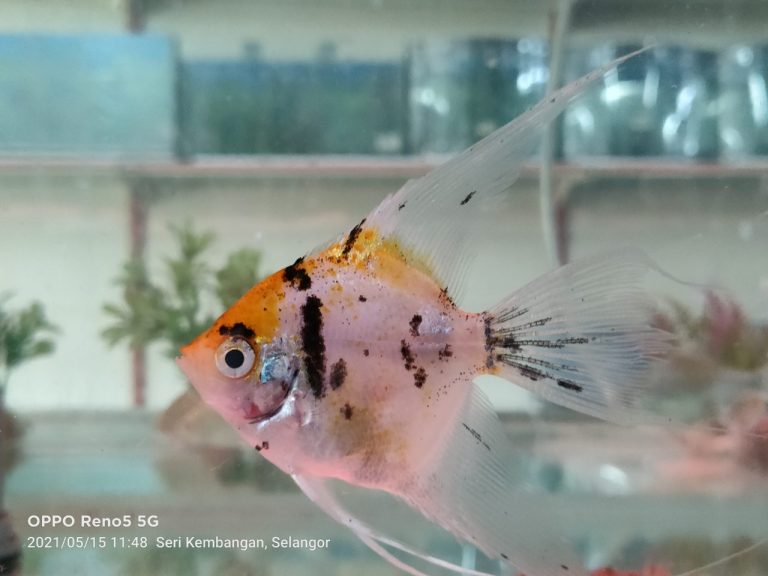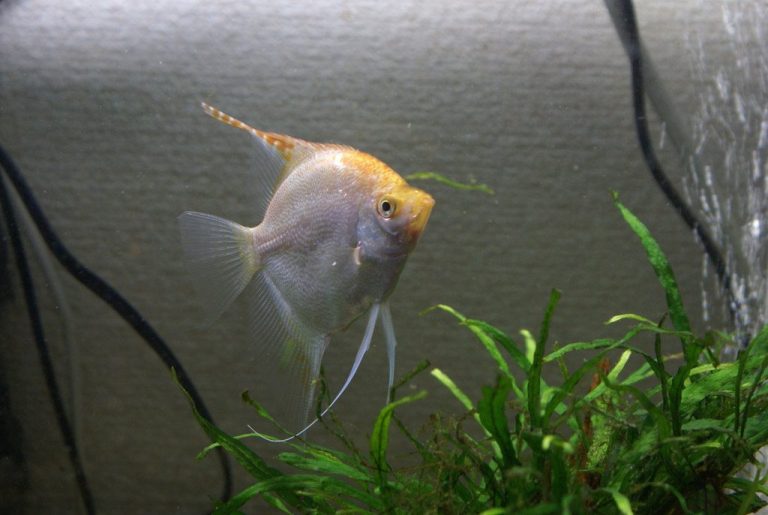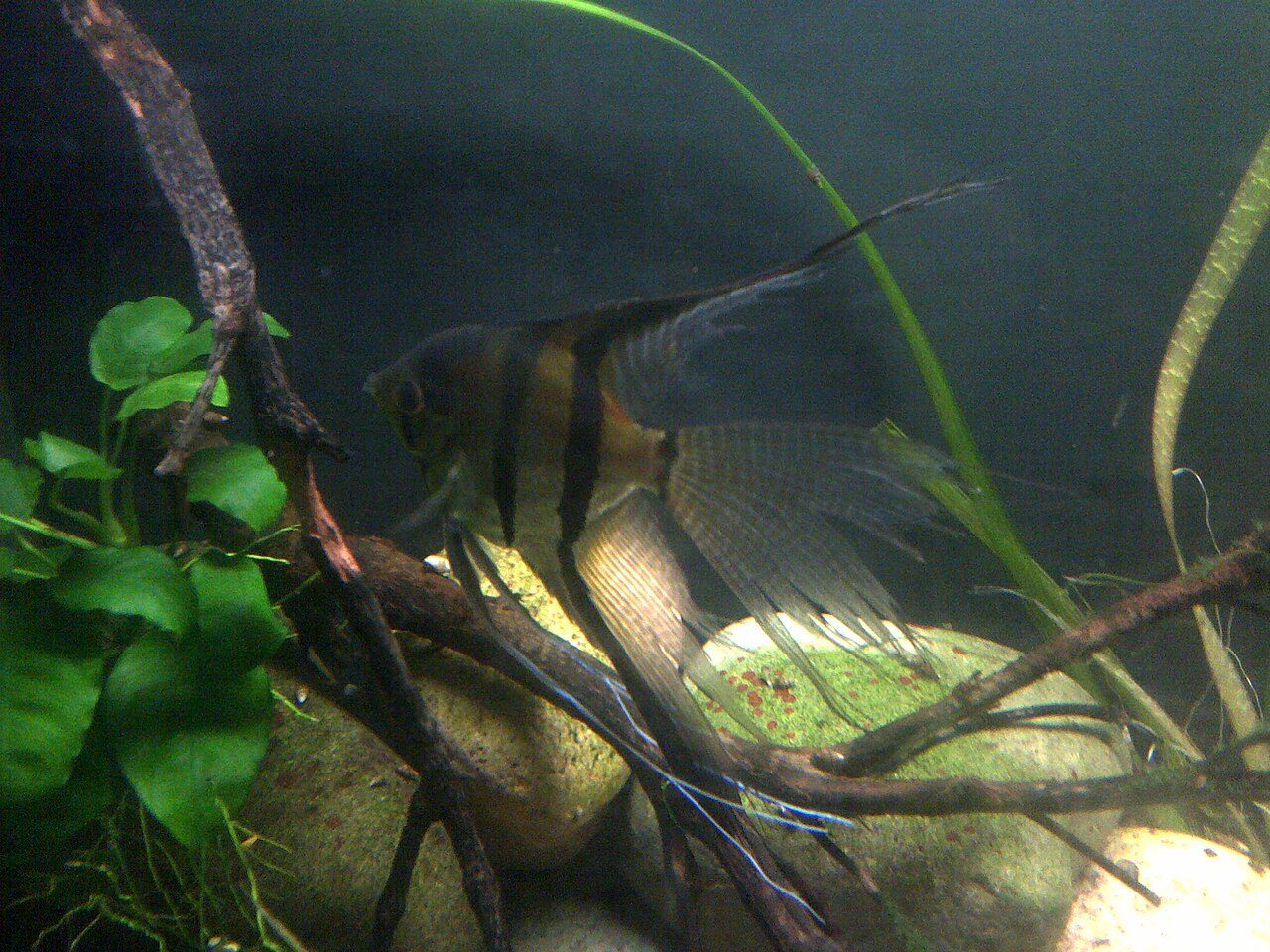
Why Is My Angelfish Bloated? Causes, Treatments, And Expert
Your angelfish is likely bloated due to constipation from overfeeding, internal parasites like Hexamita, or a bacterial infection leading to dropsy. Identifying accompanying symptoms like pineconing scales or lethargy is essential for effective treatment.
Seeing your majestic Pterophyllum scalare looking swollen can be a heart-wrenching experience for any hobbyist. In my 10 years of maintaining South American cichlid tanks, I have learned that a bloated belly is rarely just a “stomach ache.”
It is often a signal that something is fundamentally wrong with the fish’s internal biology or the environment they live in. Understanding why is my angelfish bloated requires a keen eye for detail and a systematic approach to diagnosis.
We will cover everything from simple dietary fixes to complex bacterial interventions.
At a glance: Freshwater angelfish (Pterophyllum scalare)
- Temperature
- 76–84°F (24–29°C)
- Water pH
- 6.0–7.5
- Adult size
- 6 in long, 8 in tall (15 × 20 cm)
- Minimum tank
- 30 gal for a pair, 55 gal tall for a group
- Group size
- Pair or group of 5+
- Temperament
- Semi-aggressive, territorial when breeding
- Diet
- Omnivore: pellets, flakes, frozen bloodworm and brine shrimp
- Lifespan
- 10–12 years
Keeper’s tip: Choose a tall tank; height matters more than length for a fish that grows taller than it is long.
Understanding the Primary Causes of Bloating in Angelfish
The first step in helping your fish is identifying the root cause of the swelling. Bloating is a clinical sign, not a specific disease itself, and it can manifest in several different ways.
In my experience, most cases of bloating fall into three categories: digestive issues, infectious diseases, and environmental stressors. Each requires a very different response to improve the survival of your fish.
Pro Tip: Always observe your angelfish during feeding time. A bloated fish that still has a voracious appetite is often suffering from constipation, while a fish that refuses food likely has a more serious internal infection or parasite.
Constipation and Overfeeding
The most common reason for a distended abdomen is simply eating too much or eating the wrong types of food. Angelfish are opportunistic feeders and will often eat until they literally cannot swim properly.
Low-quality flakes or pellets with high filler content can expand in the gut, leading to a blockage. This prevents the fish from passing waste, causing a visible “bulge” in the lower abdominal area.
If you suspect constipation, look for long, trailing, or thick feces, or a total lack of waste production. You can often resolve this by improving your proper angelfish care routine and diversifying their diet.
Dropsy and Bacterial Septicemia
Dropsy is perhaps the most feared condition in the hobby because it often indicates advanced organ failure. It is frequently caused by Aeromonas bacteria which stay healthy in poor water conditions.
When a fish has dropsy, its kidneys fail to regulate fluid, leading to massive internal swelling. This causes the scales to stick out like a pinecone, which is a definitive sign that the situation is critical.
Bacterial septicemia is another culprit, where the infection enters the bloodstream. This often presents as red streaks on the body or fins alongside the bloating.
Comparing Symptoms: What Does Your Angelfish Have?
To help you narrow down the cause, I have created a comparison table based on clinical signs I have observed in my own fishroom.
| Condition | Primary Symptom | Secondary Signs | Severity |
|---|---|---|---|
| Constipation | Localized abdominal bulge | Trailing waste, lethargy | Low to Moderate |
| Dropsy | Pineconing scales | Bulging eyes, loss of appetite | Critical |
| Swim Bladder | Floating or sinking | Uncontrolled swimming patterns | Moderate |
| Internal Parasites | Hollow or bloated belly | White, stringy feces | High |
Internal Parasites and Hexamita
Another significant reason why is my angelfish bloated involves internal flagellates, specifically Hexamita. While this parasite is often associated with “Hole-in-the-Head” disease, it can also cause severe abdominal swelling.
These parasites live in the intestinal tract and interfere with the fish’s ability to process nutrients. In some cases, the body reacts by producing excess fluid, leading to a bloated appearance.
In my experience, parasitic bloating is often accompanied by white, stringy feces. If you see this, you must act quickly to prevent the parasite from spreading to other tank mates.
Swim Bladder Disorder
The swim bladder is a gas-filled organ that helps angelfish maintain buoyancy. If this organ becomes compressed by a bloated stomach or infected by bacteria, the fish will lose its balance.
You might see your angelfish swimming sideways, nose-down, or struggling to stay at the bottom. This is often a secondary symptom of constipation where the enlarged gut physically presses against the bladder.
Correcting the underlying bloating usually resolves the swim bladder issues. However, if the bladder itself is infected, more intensive treatments are required.
Egg Binding in Female Angelfish
If you have a mature female, the bloating might not be a disease at all. Female angelfish can become “gravid” or full of eggs, which naturally expands their midsection.
However, if the female is unable to release the eggs—a condition known as egg binding—it can become life-threatening. This often happens if there is no suitable spawning site or if the water parameters are off.
If you are unsure of the sex of your fish, identifying the gender of your fish can help determine if egg binding is a possibility.
The Role of Water Quality and Nitrite Toxicity
We cannot discuss fish health without looking at the water. Nitrite toxicity and high ammonia levels put immense stress on an angelfish’s osmoregulation system.
Osmoregulation is the process by which a fish maintains the balance of water and salt in its body. When the water quality is poor, this system breaks down, and the fish may begin to retain water, leading to a bloated look.
Maintaining ideal water conditions is the most effective way to prevent these physiological failures from occurring in the first place.
Pro Tip: When a fish is bloated, the first thing I do is a 50% water change. Diluting toxins and refreshing minerals gives the fish’s immune system the “breathing room” it needs to fight off internal issues.
Step-by-Step Treatment Protocols
Once you have a better idea of what is causing the issue, you can begin treatment. Always keep in mind that early intervention is the biggest factor.
If the fish is still eating, medicated food is the most effective delivery method. If the fish has stopped eating, you will need to treat the water column or use a hospital tank.
The “Green Pea” and Fasting Method
For simple constipation, the best approach is to stop feeding all standard food for 3 days. This allows the digestive tract to clear naturally without adding more bulk.
After the fasting period, offer a blanched, skinned green pea. The high fiber content acts as a natural laxative for Pterophyllum scalare.
I have found that many angelfish are picky eaters, so you may need to crush the pea into small, bite-sized pieces. If they refuse it, try daphnia, which is often called “the laxative of the aquarium world.”
Magnesium Sulfate (Epsom Salt) Baths
Magnesium sulfate, commonly known as Epsom salt, is an invaluable tool for treating bloating. It works by drawing excess fluids out of the fish’s body and relaxing the muscles of the digestive tract.
Do not confuse this with regular aquarium salt (Sodium Chloride). Epsom salt is specifically used for swelling and constipation.
I recommend a dosage of 1 tablespoon per 5 gallons of water in a dedicated hospital tank. If you are treating the main tank, help your plants can handle the temporary increase in magnesium.
Medication for Parasites and Bacteria
If the bloating is caused by Hexamita, you will need a medication containing Metronidazole. This is highly effective against internal flagellates and is relatively safe for the rest of the biological filter.
For suspected bacterial infections like dropsy or bacterial septicemia, a broad-spectrum antibiotic is necessary. Look for products containing Kanamycin or a combination of Erythromycin and Minocycline.
Always complete the full course of medication, even if the fish looks better after two days. Stopping early can lead to antibiotic-resistant bacteria in your aquarium.
Preventing Future Bloating Issues
Preventing bloating is far easier than treating it. If you set a solid maintenance routine and a high-quality diet, you can significantly reduce the risk of these issues.
Dietary Variety and Quality
Stop relying solely on one type of food. In the wild, angelfish eat a variety of insects, larvae, and plant matter.
Include high-quality frozen foods like bloodworms, brine shrimp, and mysis shrimp. These are much easier for the fish to digest than dry, processed pellets that can expand in the gut.
Strict Maintenance Schedule
Regular water changes are non-negotiable. I recommend 25-30% weekly to keep nitrates low and prevent the buildup of Aeromonas and other pathogens.
Use the following table as a guide for the parameters you should aim for to keep your angelfish’s immune system at its peak.
| Parameter | Ideal Range | Frequency of Testing |
|---|---|---|
| Ammonia | 0 ppm | Weekly |
| Nitrite | 0 ppm | Weekly |
| Nitrate | < 20 ppm | Weekly |
| Temperature | 78°F – 82°F | Daily |
Reader questions
Can an angelfish recover from dropsy?
Recovery is possible if caught in the very early stages of pineconing. However, once the organ damage is extensive, the survival rate is unfortunately low.
Is bloating contagious to other fish?
If the bloating is caused by parasites or bacteria, yes, it can spread. If it is caused by constipation or overfeeding, it is not contagious, though other fish may be affected by the same poor diet.
How long can an angelfish go without food?
A healthy adult angelfish can easily go 5-7 days without food. Fasting is often the safest first step when you notice any abdominal swelling.
Why is my angelfish bloated but still acting normal?
This usually indicates the early stages of constipation or, in females, that she is carrying eggs. It is the best time to intervene before the condition worsens.
Summary and Final Thoughts
Asking why is my angelfish bloated is the first step toward saving your fish’s life. Whether it is a simple case of overeating or a more serious battle with Hexamita, your quick response is vital.
Start by checking your water parameters and performing a significant water change. Use the fasting method and Epsom salt baths as your first line of defense.
If symptoms like pineconing or stringy waste appear, do not hesitate to move the fish to a hospital tank and begin medication. With patience and the right care, many angelfish can overcome these challenges and return to their position as the “Kings of the Aquarium.”
A healthy aquarium is a balanced ecosystem. If you focus on high-quality nutrition and pristine water, you create an environment where your angelfish can settle in for years to come.

- 2003First tank
- 20+Years keeping
- 40+Tanks kept
- 0Sponsored picks
Howard set up his first 10-gallon planted tank in 2003 and lost half of it within six weeks. Two decades and more than forty aquariums later, he writes the guides he wished he had then: clear numbers, the reasons behind them, and what actually goes wrong in home tanks.