How Many Angelfish In A 40 Gallon Tank – Minimum Tank Size Explained
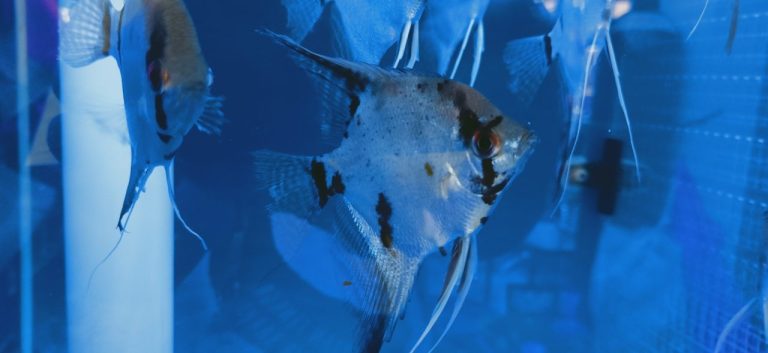
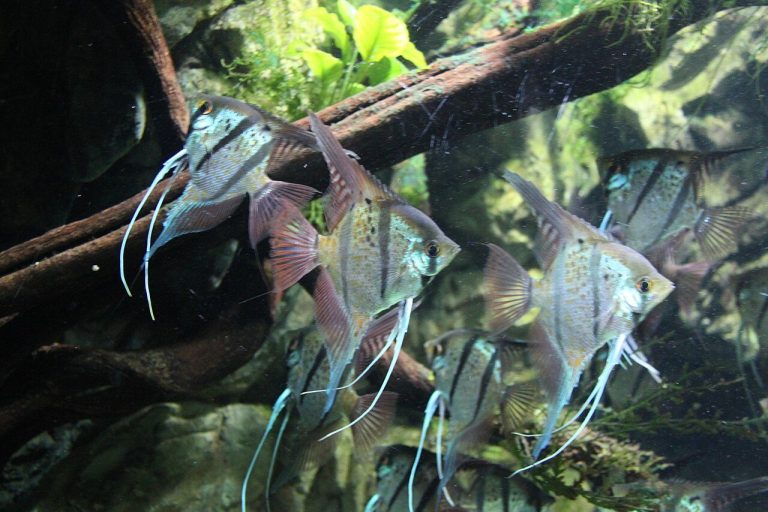
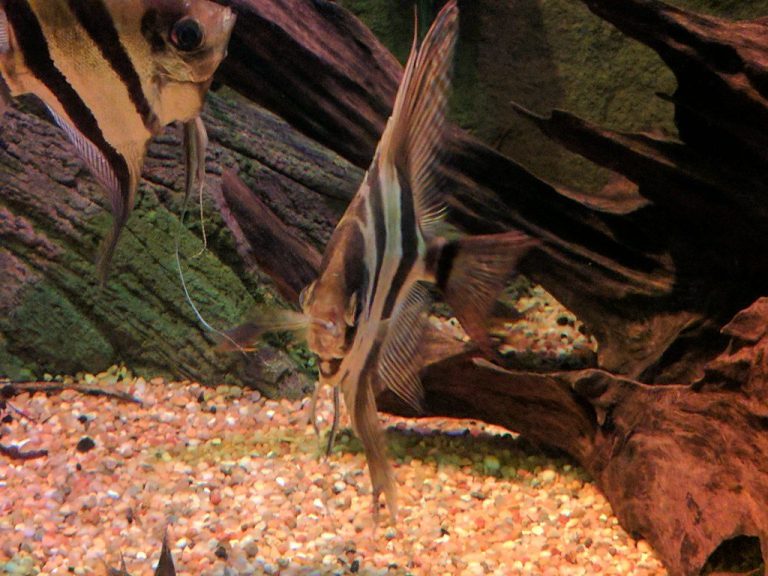
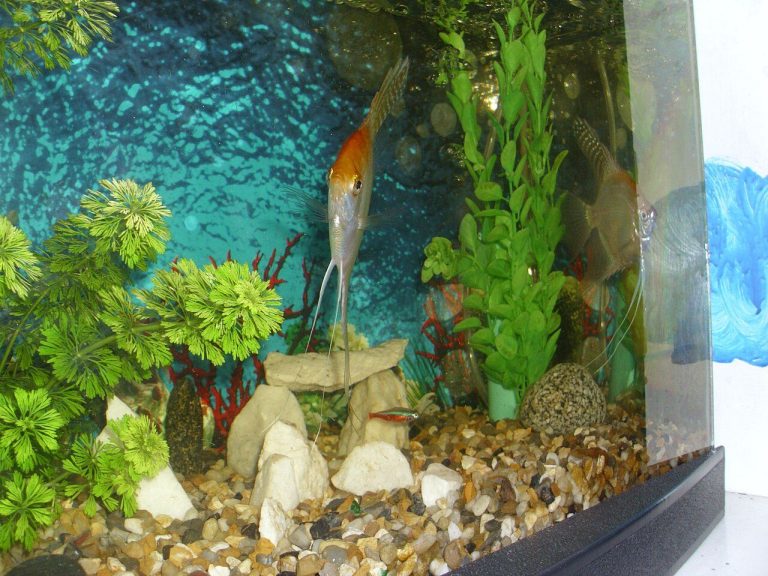
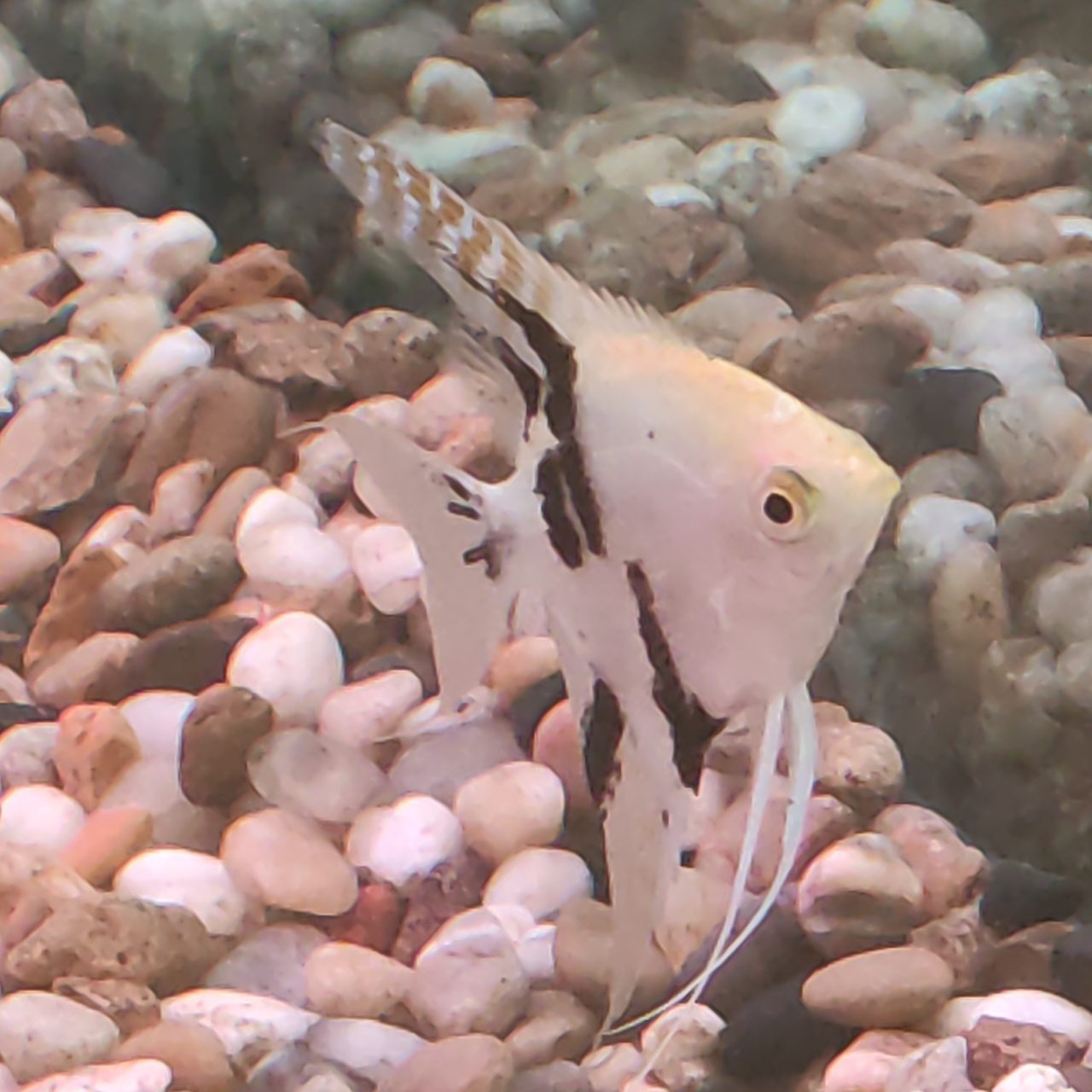
In a 40-gallon tank, you can successfully keep 2 to 4 angelfish. A mated pair is the most stable choice, while a group of four juveniles can work if you provide enough vertical clearance and visual breaks.
Bringing home the “King of the Aquarium” is a milestone for many hobbyists. These graceful, disc-shaped cichlids, known scientifically as Pterophyllum scalare, add a sense of elegance that few other freshwater fish can match.
Over my ten years of keeping various cichlid species, I’ve found that the 40-gallon aquarium is one of the most versatile sizes for these fish. It offers enough volume to maintain stable water parameters while fitting comfortably in most living spaces.
However, determining how many angelfish in a 40 gallon tank is safe depends heavily on the tank’s dimensions and the temperament of the individual fish. In this guide, I will share my practical experience to help you create a well-kept environment for these majestic creatures.
At a glance: Freshwater angelfish (Pterophyllum scalare)
- Temperature
- 76–84°F (24–29°C)
- Water pH
- 6.0–7.5
- Adult size
- 6 in long, 8 in tall (15 × 20 cm)
- Minimum tank
- 30 gal for a pair, 55 gal tall for a group
- Group size
- Pair or group of 5+
- Temperament
- Semi-aggressive, territorial when breeding
- Diet
- Omnivore: pellets, flakes, frozen bloodworm and brine shrimp
- Lifespan
- 10–12 years
Keeper’s tip: Choose a tall tank; height matters more than length for a fish that grows taller than it is long.
Understanding the Importance of Vertical Clearance
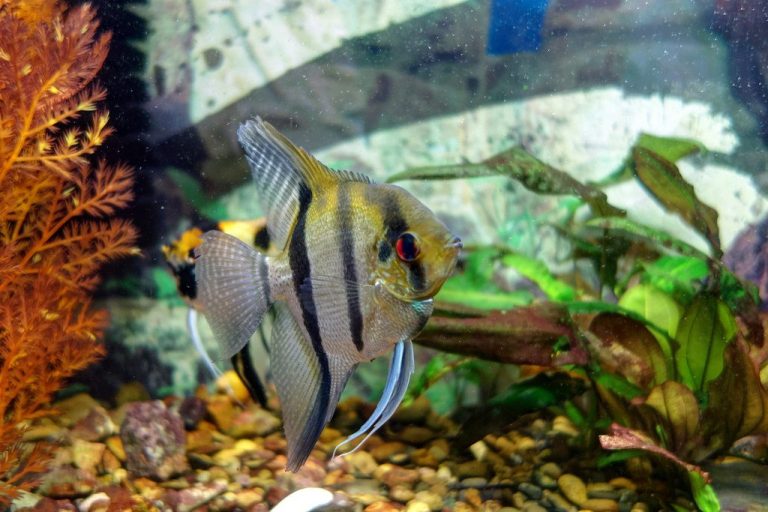
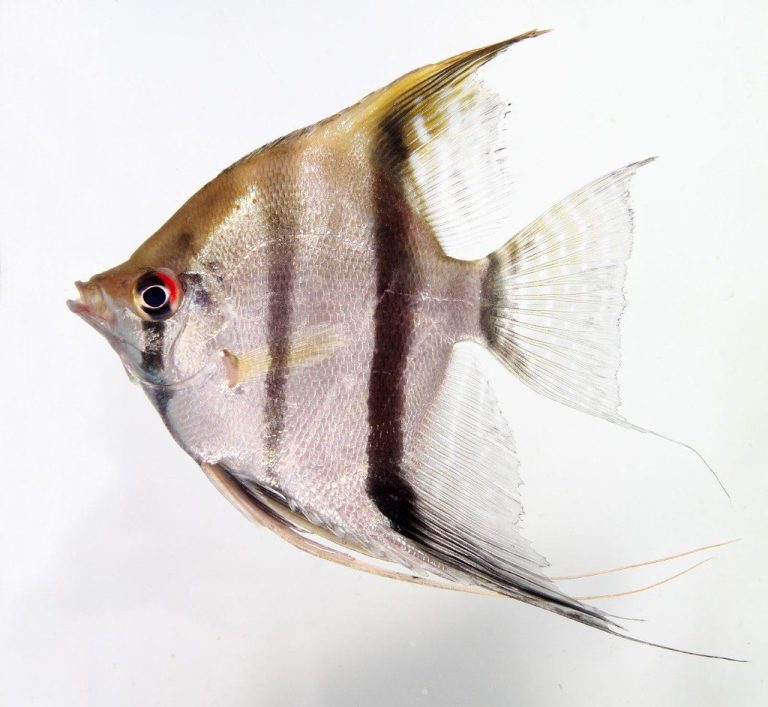
Angelfish are unique because they are laterally compressed and grow quite tall. Unlike many schooling fish that appreciate horizontal swimming space, angelfish require significant vertical clearance to accommodate their long, flowing fins.
A standard 40-gallon “high” tank is often preferred over a 40-gallon “breeder” for this reason. In my experience, a shallow tank can lead to stunted fin development or stress as the fish matures and feels cramped.
When planning your setup, keep in mind that an adult angelfish can reach up to 6 inches in length and nearly 8 to 10 inches in height. This verticality is a primary factor in deciding how many angelfish in a 40 gallon tank can actually coexist without damaging their fins on decor.
Pro Tip: If you are using a 40-gallon breeder tank, keep the substrate layer thin. This maximizes the vertical water column, giving your Pterophyllum scalare the height they instinctively crave.
how many angelfish in a 40 gallon tank: The Ideal Numbers
The short answer is usually two to four fish, but the “correct” number depends on their life stage. If you are buying juveniles, you might start with a group of five or six to allow them to grow together.
As they reach sexual maturity, you will notice a shift in behavior. At this point, you must be prepared to rehome some individuals, as a 40-gallon tank cannot support six adult angelfish without significant conspecific aggression.
A single mated pair is the gold standard for a 40-gallon setup. This allows them to establish a territory and potentially engage in substrate-spawning without the constant stress of defending against other angelfish in a confined space.
| Setup Type | Recommended Number | Pros/Cons |
|---|---|---|
| Single Specimen | 1 Angelfish | Very peaceful; allows for more tank mates. |
| Mated Pair | 2 Angelfish | Best behavior; natural breeding displays. |
| Small Group | 4 Angelfish | Requires heavy planting; potential for bullying. |
The Risks of Overstocking
When you exceed the recommended limit, the biological load can quickly become unmanageable. Angelfish are messy eaters and produce a significant amount of waste, which can lead to ammonia spikes.
Furthermore, overstocking increases the likelihood of disease outbreaks. Stress from crowded conditions weakens their immune systems, making them susceptible to parasites like Hexamita, often associated with “hole-in-the-head” disease.
I have found that keeping the numbers lower leads to a much more relaxing experience for both the fish and the keeper. Quality of life should always come before the quantity of fish in the display.
Managing Behavior and Conspecific Aggression
Angelfish are members of the cichlid family, which means they have a natural inclination toward territoriality. In a 40-gallon tank, space is a finite resource that they will fight to protect.
Conspecific aggression is the most common issue I see in medium-sized tanks. This is why having a plan for how many angelfish in a 40 gallon tank is so vital before you make a purchase.
To minimize fighting, use tall plants like Amazon Swords or Vallisneria to create visual breaks. If one fish cannot see its rival across the tank, the frequency of chasing and nipping decreases significantly.
Identifying a Mated Pair
If you notice two fish constantly hanging out together and cleaning a vertical surface, you likely have a pair. These fish are substrate-spawning experts and will defend their chosen site vigorously.
During this time, even a 40-gallon tank can feel small. The pair may push other inhabitants to the far corners of the tank, which is why I often suggest keeping only a pair if you intend to have a peaceful community.
If you are interested in specific colors, such as Koi or Platinum varieties, the behavior remains the same. These domestic strains are just as territorial as their wild-type ancestors.
Water Quality and Filtration Requirements
Maintaining pristine water is non-negotiable for angelfish health. They settle in in warm, slightly acidic to neutral water with a stable carbonate hardness (KH).
I highly recommend using canister filtration for a 40-gallon angelfish tank. Canisters provide a large surface area for nitrifying bacteria to colonize, which is essential for processing the waste of these large cichlids.
Additionally, angelfish prefer a gentle current. Their body shape makes them catch the flow like a sail, so make sure your filter output doesn’t blow them around the tank, which causes unnecessary exhaustion.
| Parameter | Ideal Range |
|---|---|
| Temperature | 78°F – 84°F (25.5°C – 29°C) |
| pH Level | 6.5 – 7.5 |
| Carbonate Hardness (KH) | 3 – 8 dKH |
| Ammonia / Nitrite | 0 ppm |
| Nitrate | < 20 ppm |
Pro Tip: To keep dissolved oxygen levels high without creating too much flow, use a large sponge filter in one corner of the tank. This provides extra biological filtration and aeration without pushing the fish around.
Choosing Compatible Tank Mates
When deciding how many angelfish in a 40 gallon tank, you must also consider their neighbors. Angelfish are opportunistic predators; if a fish can fit in their mouth, it eventually will.
Avoid very small tetras like Neons, as they often become expensive snacks. Instead, look for deeper-bodied tetras or peaceful bottom dwellers that won’t compete for the same swimming space.
Corydoras catfish are excellent choices because they stay at the bottom and help with best fish for cleaning duties by scavenging leftover food. This helps keep the substrate clean and reduces the overall waste load.
Top 3 Tank Mate Categories
- Deeper-Bodied Tetras: Rummy nose tetras or Bleeding Heart tetras are usually large enough to be safe.
- Bottom Dwellers: Bristlenose Plecos or various Corydoras species work perfectly.
- Dwarf Cichlids: In a well-planted 40-gallon, a pair of Rams can sometimes coexist if territories are clearly defined.
For more ideas on building a balanced environment, check out our guide on choosing community fish for your freshwater setup.
Setting Up Your 40-Gallon Angelfish Tank
The physical layout of the tank is just as important as the water chemistry. Because angelfish are substrate-spawning fish, they appreciate broad-leafed plants or pieces of slate angled against the glass.
I prefer using a dark substrate, which makes the colors of the angelfish pop and helps them feel more secure. Driftwood is also a great addition, as it can naturally lower the pH and provide tannins that mimic their natural Amazonian habitat.
Help you leave an open swimming area in the center. While they love plants for cover, they also need space to glide gracefully without snagging their fins on sharp hardscape.
Reader questions
Can I keep 6 angelfish in a 40 gallon tank?
While you can keep six juveniles, it is not sustainable for adults. As they grow, the conspecific aggression will become too intense, and the biological load will likely overwhelm your filtration system.
Do angelfish need a heater?
Yes, angelfish are tropical fish that require temperatures between 78°F and 84°F. Keeping them in cooler water can lead to a sluggish metabolism and a weakened immune system.
What is the best filter for a 40-gallon angelfish tank?
A high-quality canister filtration system is the best choice. It provides superior mechanical and biological filtration while allowing you to control the flow rate to keep the water calm.
How often should I change the water?
I recommend a 25% to 30% water change every week. This removes nitrates and replenishes essential minerals, ensuring your Pterophyllum scalare remain rich and healthy.
Can angelfish live with shrimp?
Generally, no. Most ornamental shrimp will be eaten by adult angelfish. If you want to keep shrimp, you would need a much smaller, dedicated nano tank.
Before you go
Determining how many angelfish in a 40 gallon tank is the first step toward a successful and beautiful aquarium. By sticking to a pair or a small group of four, you make sure each fish has enough territory to do well.
Remember to prioritize vertical space, invest in sturdy canister filtration, and keep a close eye on their behavior as they mature. Looked after properly, your angelfish will become the centerpiece of your home for many years to come.
If you are just starting your journey with these amazing fish, be sure to read our comprehensive angelfish care guide to master the art of keeping the “King of the Aquarium.”

- 2003First tank
- 20+Years keeping
- 40+Tanks kept
- 0Sponsored picks
Howard set up his first 10-gallon planted tank in 2003 and lost half of it within six weeks. Two decades and more than forty aquariums later, he writes the guides he wished he had then: clear numbers, the reasons behind them, and what actually goes wrong in home tanks.