How Many Angelfish In A 55 Gallon Tank – The Ultimate Stocking Guide
For a standard 55-gallon aquarium, you can successfully keep 4 to 6 juvenile angelfish or one established breeding pair. This volume provides the essential vertical swimming space required for their tall fins and helps manage territorial behavior.
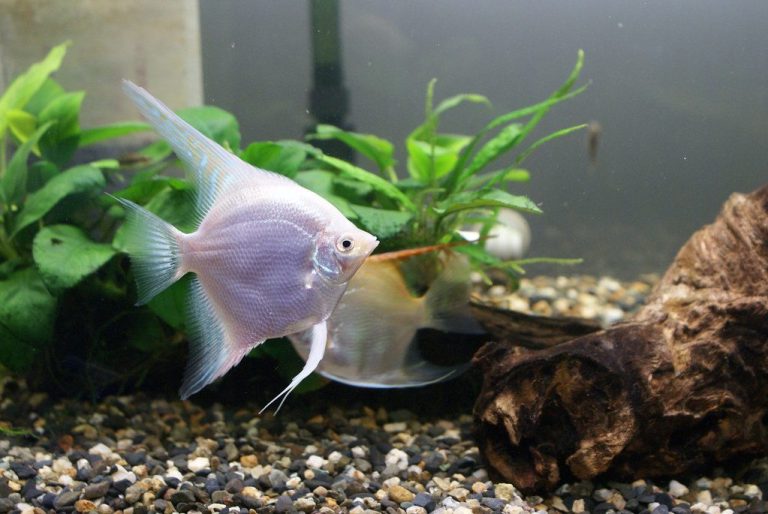
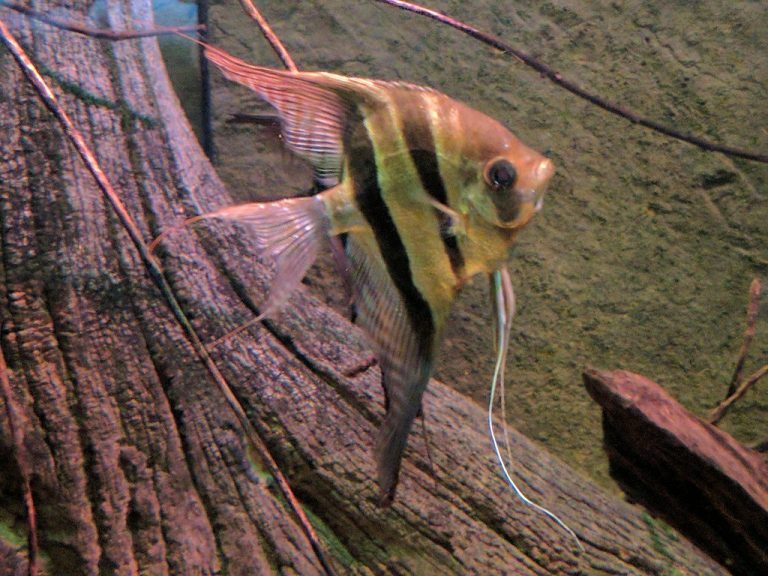
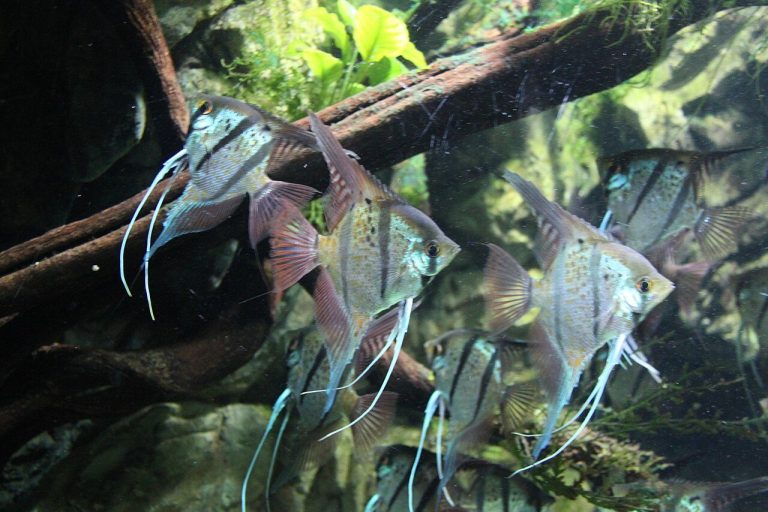
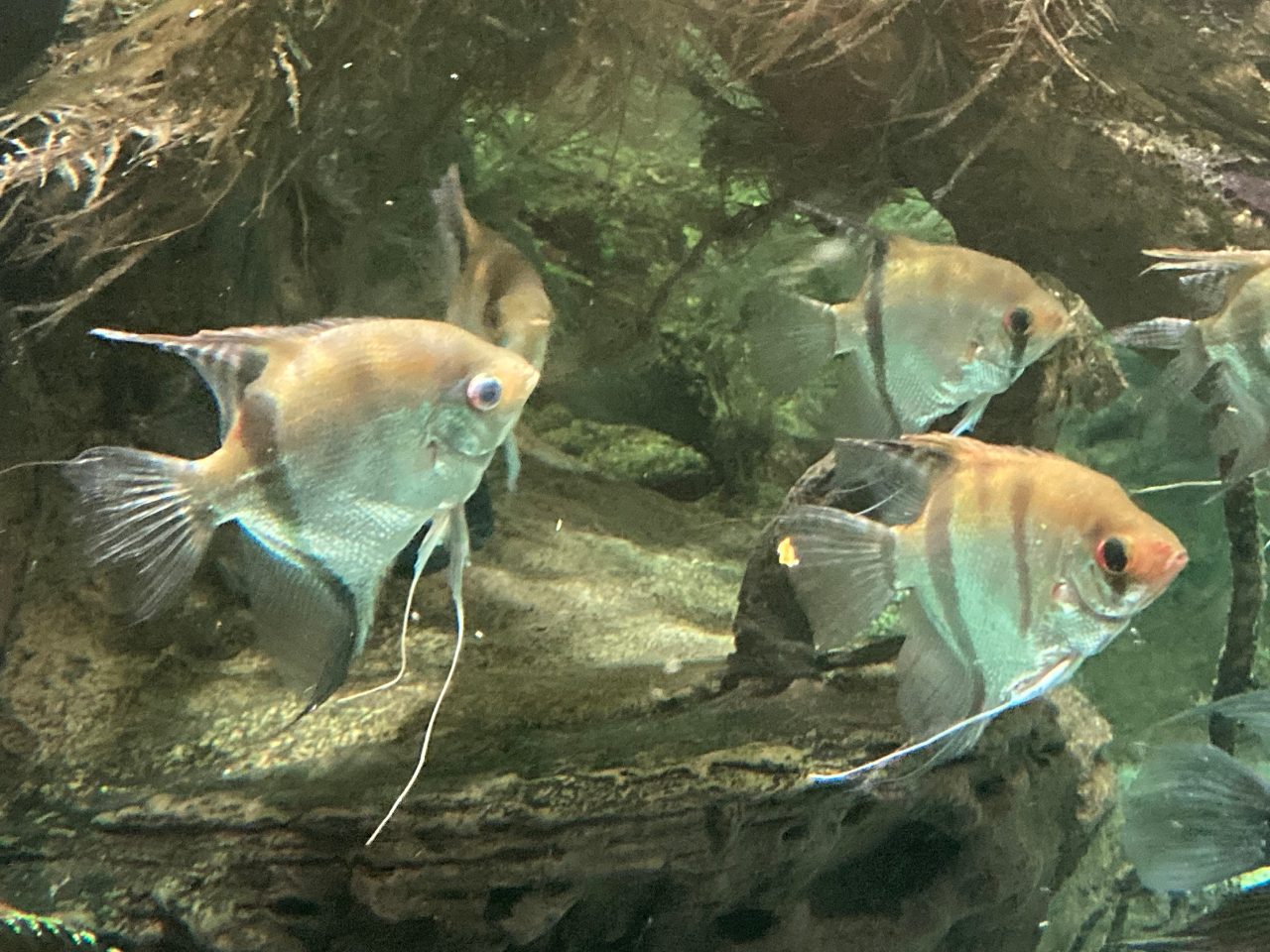
The majestic Pterophyllum scalare, commonly known as the freshwater angelfish, is often the crown jewel of a home aquarium. With their graceful movement and striking triangular shapes, they bring a sense of elegance that few other species can match.
When I first started keeping these “Kings of the Amazon” over a decade ago, I quickly learned that tank dimensions matter just as much as volume. A 55-gallon tank is a classic choice for hobbyists because its height accommodates the long, flowing fins of these cichlids perfectly.
Determining how many angelfish in a 55 gallon tank is one of the most critical decisions you will make for the health of your aquatic ecosystem. Overstocking leads to stress and disease, while the right balance creates a peaceful Amazonian biotope that stays healthy for years.
At a glance: Freshwater angelfish (Pterophyllum scalare)
- Temperature
- 76–84°F (24–29°C)
- Water pH
- 6.0–7.5
- Adult size
- 6 in long, 8 in tall (15 × 20 cm)
- Minimum tank
- 30 gal for a pair, 55 gal tall for a group
- Group size
- Pair or group of 5+
- Temperament
- Semi-aggressive, territorial when breeding
- Diet
- Omnivore: pellets, flakes, frozen bloodworm and brine shrimp
- Lifespan
- 10–12 years
Keeper’s tip: Choose a tall tank; height matters more than length for a fish that grows taller than it is long.
The Core Factors of Vertical Swimming Space
Angelfish are unique because they are laterally compressed, meaning they are thin but very tall. This body shape requires significant vertical swimming space to prevent their dorsal and anal fins from becoming stunted or damaged.
In my experience, a 55-gallon tank is the minimum size where you can appreciate their full growth potential. While a 29-gallon tank might work for a single fish, the extra length and height of a 55-gallon allow for more natural schooling behavior.
The height of a standard 55-gallon tank is usually around 21 inches. This depth ensures that as your fish reach their adult size of 6 to 10 inches in height, they can move freely without scraping the substrate or hitting the surface.
Pro Tip: When setting up your tank, avoid tall, sharp plastic plants that can tear delicate fins. Opt for live plants like Jungle Val or Amazon Swords, which provide natural cover and complement their height.
how many angelfish in a 55 gallon tank: Stocking Scenarios
The answer to how many angelfish in a 55 gallon tank depends heavily on the life stage of the fish and your long-term goals. If you are starting with juveniles, you have more flexibility than if you are housing mature adults.
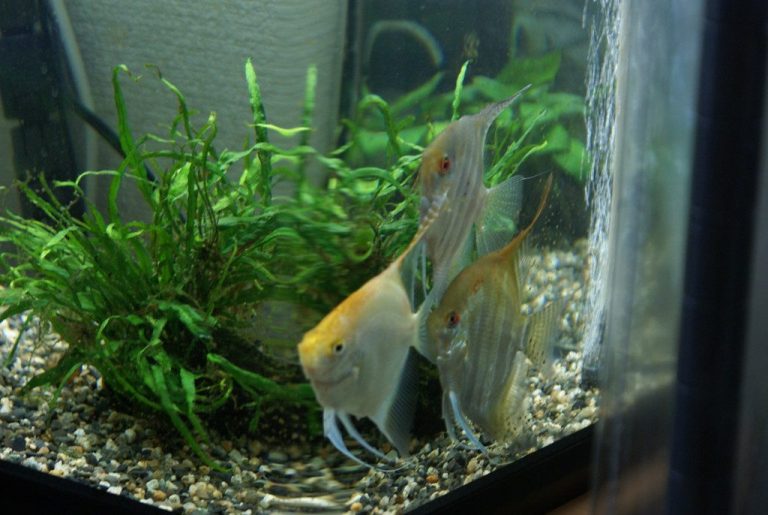
For a community setup, keeping 4 to 5 angelfish is often the “sweet spot.” This number allows them to form a small hierarchy, which can actually reduce conspecific aggression by spreading out dominance displays across the group.
However, if a pair decides to bond and begin paired breeding behavior, the dynamics will change instantly. A breeding pair will become highly territorial, often claiming half the tank as their own and chasing away any intruders.
| Stocking Strategy | Recommended Number | Best For… |
|---|---|---|
| Juvenile School | 5 – 6 Fish | Growing out young fish to find a compatible pair. |
| Established Pair | 2 Fish (1 Pair) | Breeding and a peaceful community environment. |
| Solo Specimen | 1 Fish | A centerpiece fish in a busy community tank. |
| Mature Group | 4 Fish | Experienced keepers with heavy filtration and decor. |
Managing the Biological Load
Every fish you add increases the biological load on your filtration system. Angelfish are messy eaters and produce a fair amount of waste, which can quickly lead to nitrate spikes in a 55-gallon volume.
I always recommend over-filtering your tank. If you have a 55-gallon tank, use a filter rated for 75 or 100 gallons to make sure the water stays pristine and the dissolved oxygen levels remain high.
High-quality filtration also helps manage the hormones that fish release into the water. In a crowded tank, these hormones can inhibit growth and increase stress, making the fish more susceptible to illness.
Understanding Conspecific Aggression
Angelfish are members of the cichlid family, and they carry the typical cichlid “attitude.” Conspecific aggression refers to the bullying that happens between members of the same species.
In a 55-gallon tank, space is generous but not infinite. If you keep only two or three fish that aren’t a pair, the dominant fish may relentlessly pick on the weakest one until it becomes ill.
I’ve noticed that having a group of at least four or five helps diffuse this tension. The “bully” has too many targets to focus on just one, which allows the subordinates to eat and rest more effectively.
Common Mistake: Many beginners buy two angelfish hoping they are a male and female. If you end up with two males in a 55-gallon tank, they will likely fight for dominance until one is severely injured.
The Impact of Breeding Behavior
When angelfish reach maturity, they will often engage in substrate-spawning. They will pick a flat surface, like a broad leaf or a piece of slate, and aggressively defend it from all tank mates.
If you notice a pair cleaning a specific site and shivering near each other, they are preparing to spawn. At this point, the question of how many angelfish in a 55 gallon tank becomes a matter of safety for the other fish.
In a 55-gallon setup, a breeding pair can coexist with other species, but they might make life miserable for other angelfish. You may need to have a backup plan or a divider ready if the aggression becomes too intense.
Ideal Water Parameters for Angelfish Health
To keep your angelfish well-kept, you must replicate their natural soft-water environment. While captive-bred angels are hardy, they still prefer specific chemistry to maintain their bright colors and immune systems.
Paying attention to carbonate hardness and pH is essential. Sudden swings in these levels can shock the fish, leading to clamped fins or a loss of appetite.
| Parameter | Ideal Range | Notes |
|---|---|---|
| Temperature | 76°F – 84°F | Higher temps (80°F+) are better for breeding and immunity. |
| pH Level | 6.5 – 7.5 | Slightly acidic is preferred but stability is most important. |
| Carbonate Hardness (KH) | 3 – 8 dKH | Provides a buffer to prevent pH crashes. |
| Ammonia / Nitrite | 0 ppm | Angelfish are very sensitive to nitrogenous waste. |
| Nitrates | < 20 ppm | Keep low with weekly water changes of 25-30%. |
The Importance of Temperature Stability
Angelfish are tropical and require a consistent heater. Fluctuating temperatures can weaken their slime coat, making them an easy target for parasites like Ich or velvet.
If you are keeping a healthy angelfish, you’ll find that they are much more active and exhibit better social behaviors when the water is kept on the warmer side (around 80°F).
This warmth also aids in their digestion. Since they are opportunistic feeders, a slightly higher metabolism helps them process proteins more efficiently, which is vital for the growth of younger fish.
Compatible Tank Mates for a 55-Gallon Community
While angelfish are the stars, they can share their home with many other species. The key is to choose tank mates that are too large to be eaten but not so aggressive that they nip at the angels’ long fins.
A 55-gallon tank offers enough room to include a school of medium-sized tetras or bottom-dwelling scavengers. These additions help create a balanced community fish environment.
Avoid very small fish like neon tetras, as adult angelfish will view them as a natural food source. Instead, look for deeper-bodied tetras or peaceful cichlids like Rams.
- Corydoras Catfish: Excellent bottom dwellers that stay out of the angels’ way.
- Rummy Nose Tetras: Large enough to avoid being eaten and provide great movement.
- Bristlenose Plecos: One of the best fish for cleaning algae off the glass and decor.
- Dwarf Gouramis: Can work, but monitor for territorial disputes in the upper water column.
Common Health Issues and Prevention
When considering how many angelfish in a 55 gallon tank, you must account for the risk of disease transmission. In a crowded environment, pathogens spread much faster.
One of the most common issues in angelfish is Hexamita, also known as Hole-in-the-Head disease. This is often triggered by poor water quality, stress, or nutritional deficiencies.
Symptoms include white, stringy feces and small pits developing around the head and lateral line. Maintaining a low biological load and providing a varied diet of high-quality flakes, pellets, and frozen bloodworms is the best defense.
Stress is the silent killer in the aquarium hobby. For angelfish, stress usually comes from being bullied by a tank mate or having nowhere to hide.
Make sure your 55-gallon tank has “broken lines of sight.” This means using driftwood or tall plants to create different zones. If one fish is being chased, it can duck behind a piece of wood to escape the aggressor’s view.
Regular water changes are non-negotiable. I’ve found that changing 25% of the water every week is the single most effective way to prevent the majority of angelfish health problems.
Things people often ask
Can I keep 6 adult angelfish in a 55-gallon tank?
While you can start with 6 juveniles, keeping 6 full-grown adults in a 55-gallon is often pushing the limit. As they reach 6+ inches in length, the bioload and potential for territorial fighting increase significantly. I recommend sticking to 4 adults for long-term success.
Do angelfish need a tall tank or a long tank?
They definitely prefer a tall tank. Because of their body shape, vertical swimming space is more important than horizontal length. A standard 55-gallon is a great compromise, offering both height and enough length for swimming laps.
Will angelfish eat my shrimp?
Yes, almost certainly. Angelfish are natural predators. Any shrimp small enough to fit in their mouths, like Cherry Shrimp, will likely become an expensive snack. Larger Amano shrimp might survive, but it is always a risk.
What is the best substrate for angelfish?
Sand or fine gravel works best. Angelfish often forage near the bottom, and sand is easier on their delicate mouths. It also makes it easier to keep the tank clean, as waste sits on top of the sand rather than sinking into deep gravel.
The short version
Deciding how many angelfish in a 55 gallon tank is a balance of aesthetics and biology. While it is tempting to fill the tank with as many of these beautiful fish as possible, the “less is more” approach usually leads to a much more satisfying experience.
If you keep 4 to 6 juveniles or a single breeding pair, you give your fish the space they need to display their natural behaviors and reach their full majestic size. Prioritize vertical space, maintain strict water quality, and choose tank mates wisely.
With the right setup, your 55-gallon angelfish tank will become a beautiful focal point in your home, providing you with years of peaceful, aquatic beauty.

- 2003First tank
- 20+Years keeping
- 40+Tanks kept
- 0Sponsored picks
Howard set up his first 10-gallon planted tank in 2003 and lost half of it within six weeks. Two decades and more than forty aquariums later, he writes the guides he wished he had then: clear numbers, the reasons behind them, and what actually goes wrong in home tanks.