Angelfish Care Guide – Diet, Tank and Tank Mates
Successful angelfish care requires a tall tank of at least 30 gallons, warm water (75-82°F), and stable parameters. Provide a diet of high-quality flakes and frozen foods while making sure plenty of vertical swimming space.
Few sights in the fish-keeping world are as remarkable as a group of angelfish gliding through a well-planted tank. In my ten years of maintaining South American setups, I have found that following a proper angelfish care guide is the difference between a stressed fish and a stable centerpiece.
These “Kings of the Aquarium” are not just beautiful; they are intelligent, semi-aggressive cichlids with unique personalities.
In this guide, we will look closely at everything from water chemistry to social dynamics. By the end, you will have the confidence to create a beautiful environment where your fish can live for a decade or more.
At a glance: Freshwater angelfish (Pterophyllum scalare)
- Temperature
- 76–84°F (24–29°C)
- Water pH
- 6.0–7.5
- Adult size
- 6 in long, 8 in tall (15 × 20 cm)
- Minimum tank
- 30 gal for a pair, 55 gal tall for a group
- Group size
- Pair or group of 5+
- Temperament
- Semi-aggressive, territorial when breeding
- Diet
- Omnivore: pellets, flakes, frozen bloodworm and brine shrimp
- Lifespan
- 10–12 years
Keeper’s tip: Choose a tall tank; height matters more than length for a fish that grows taller than it is long.
Understanding the Majestic Pterophyllum scalare
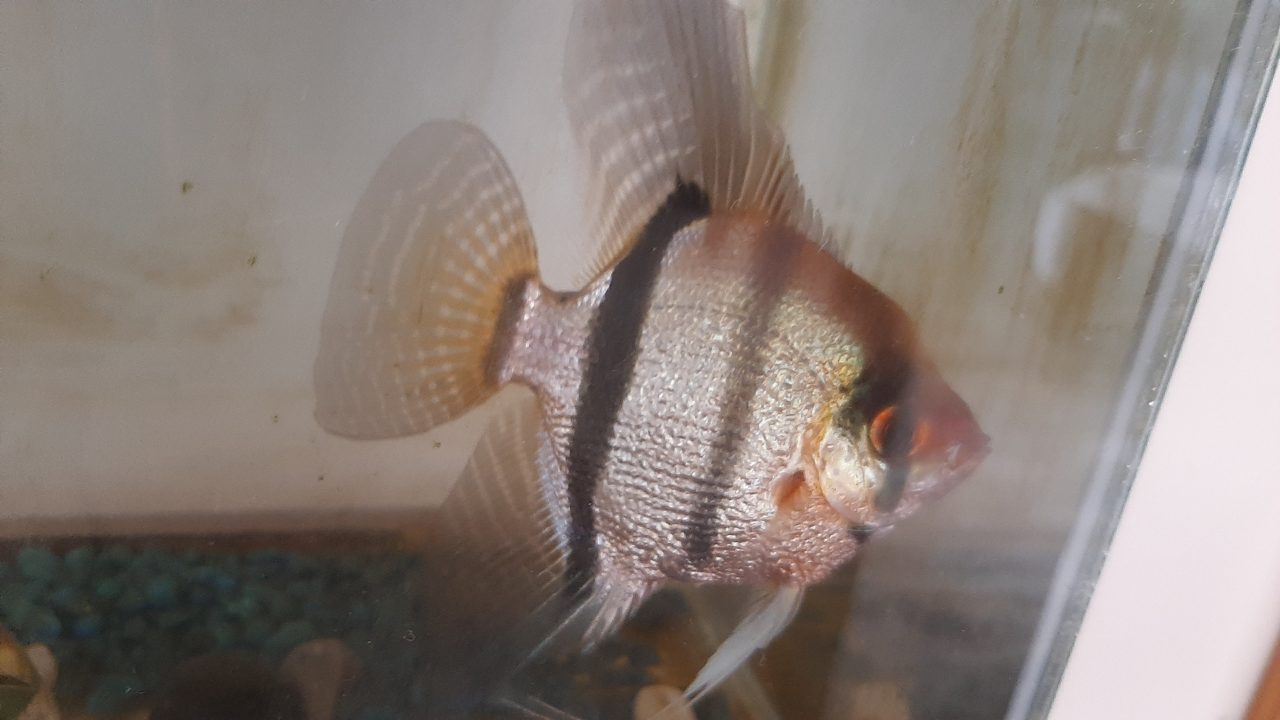
The common freshwater angelfish, scientifically known as Pterophyllum scalare, originates from the slow-moving river systems of the Amazon Basin. Their unique, diamond-shaped bodies are an evolutionary adaptation for maneuvering through dense submerged roots and vegetation.
Unlike many other fresh water fish species, angelfish are lateral-compressed, meaning they are very thin when viewed from the front. This allows them to hide effectively among vertical structures in the wild.
In the hobby, you will find various color morphs, including silver, marble, koi, and black. While their colors vary, their fundamental biological needs remain remarkably consistent across the species.
Setting Up the Ideal Angelfish Environment
The most common mistake I see beginners make is choosing a tank that is too short. Because of their long, flowing fins, these fish require significant vertical tank dimensions to prevent fin curling and stunted growth.
A standard 29-gallon tank is often cited as the minimum, but I always recommend a 55-gallon “tall” tank for a small group. This extra height allows them to display their natural grace without feeling cramped by the substrate or the surface.
| Parameter | Ideal Range |
|---|---|
| Temperature | 75°F to 82°F (24°C – 28°C) |
| pH Level | 6.0 to 7.4 (Slightly acidic is best) |
| Carbonate Hardness (KH) | 3 to 8 dKH |
| Ammonia / Nitrite | 0 ppm (Strict) |
| Nitrate | < 20 ppm |
Pro Tip: When setting up your filtration, aim for a gentle flow. Angelfish are not strong swimmers in high-current environments and will become stressed if they have to constantly fight a heavy powerhead.
Designing a Natural Aquascape with Plants and Tannins
To follow a professional angelfish care guide, you must consider the “look and feel” of the Amazon. I’ve noticed that angelfish are significantly calmer when they have plenty of hiding spots and vertical plants.
The Amazon Sword (Echinodorus amazonicus) is the quintessential plant for this species. Its broad, sturdy leaves provide the perfect resting spot and even serve as a potential spawning site later in life.
I also like to incorporate driftwood that leaches tannins into the water. Not only do these organic compounds create a beautiful “blackwater” aesthetic, but they also have mild antibacterial properties that benefit the fish’s slime coat.
Floating plants like Frogbit or Salvinia are also excellent additions. They help diffuse the light, making the angelfish feel more secure and less likely to dart around when you approach the tank.
The Best Diet for Growth and Colorful Color
In my experience, angelfish are opportunistic eaters that will accept almost anything you drop into the tank. However, to maintain those vivid koi or marble patterns, a varied diet is non-negotiable.
Start with a high-quality tropical flake or pellet as the daily staple. Supplement this with frozen or live foods like bloodworms, brine shrimp, and mysis shrimp at least three times a week.
If you are raising juveniles, protein is your best friend. I have had great success using Artemia nauplii (baby brine shrimp) to bulk up young fish quickly during their first few months of life.
Common Mistake: Avoid overfeeding, as angelfish are notorious beggars. Excess food leads to spikes in nitrates, which can cause fin rot and other stress-related illnesses in these sensitive cichlids.
Choosing Compatible Tank Mates
Angelfish are “semi-aggressive,” which means they are generally peaceful until they reach breeding age or until something small enough to eat swims by. Selecting the right community fish for freshwater tank setups is a delicate balance.
Avoid “fin nippers” like Tiger Barbs or Serpae Tetras, as they will shred the angelfish’s delicate filaments. Similarly, avoid tiny fish like Neon Tetras once the angelfish are full-grown, as they may become an expensive snack.
Good companions include larger tetras like Rummynose or Bleeding Heart tetras, Corydoras catfish, and even some dwarf cichlids. If you need help with algae, certain fish for cleaning aquarium tank surfaces, like Bristlenose Plecos, work perfectly.
You must also be aware of conspecific aggression. This is the aggression angelfish show toward their own kind, usually to establish a pecking order or defend a breeding territory.
Mastering the Angelfish Care Guide: Breeding and Spawning
One of the most rewarding aspects of this hobby is watching a pair of angelfish bond. They are famous for their substrate spawning behavior, where they carefully clean a flat surface before laying hundreds of eggs.
A breeding pair will become extremely territorial and may harass other tank mates. If you notice a pair constantly cleaning a leaf of your Echinodorus amazonicus or a piece of slate, they are likely preparing to spawn.
Once the eggs are laid, both parents will fan them with their fins to provide oxygen and protect them from predators. If the eggs hatch, you will see “wigglers” attached to the surface for a few days before they become free-swimming.
Raising the fry requires a dedicated nursery tank and a steady supply of live baby brine shrimp. It is a challenging but incredibly fulfilling process that demonstrates the true depth of the angelfish care guide.
Preventing Common Diseases and Health Issues
Even with the best care, angelfish can fall victim to specific pathogens. Maintaining high water quality is your first line of defense, but you should always keep a close eye on their behavior.
One common issue is Ichthyophthirius multifiliis, more commonly known as Ich. This presents as tiny white spots on the body and fins and can usually be treated by slightly raising the water temperature and using a copper-based medication.
A more serious concern for angelfish is Hexamitiasis, often called “Hole-in-the-Head” disease. This is frequently linked to poor water quality or nutritional deficiencies and requires specialized medicated flakes to treat effectively.
Always quarantine new additions for at least two to four weeks before introducing them to your main angelfish display. This simple step has saved my main show tanks from disaster more times than I can count.
Things people often ask
How long do angelfish live in a home aquarium?
Looked after properly, angelfish typically live between 8 to 12 years. Some well-cared-for individuals have been known to reach 15 years in large, stable environments.
Can I keep a single angelfish alone?
Yes, you can keep a single angelfish. They are social but can also be quite territorial, so a single specimen often becomes a very personable “pet” fish that interacts with its owner.
Why is my angelfish turning pale?
Angelfish often lose color when they are stressed, sleeping, or if the water quality has dipped. Check your ammonia and nitrite levels immediately if you notice sudden fading.
What is the minimum tank size for a pair?
A 29-gallon tall tank is the absolute minimum for a proven pair, but a 55-gallon tank is much better for managing aggression and maintaining stable water chemistry.
Do angelfish need a heater?
Absolutely. Angelfish are tropical fish from the Amazon and require a consistent temperature between 75°F and 82°F. A high-quality, submersible heater is a requirement.
The short version
Following a comprehensive angelfish care guide is about more than just keeping fish alive; it’s about helping them flourish. If you provide a tall tank, clean acidic water, and a high-protein diet, you are setting the stage for a spectacular display.
Remember that patience is key when keeping Pterophyllum scalare. They may take time to settle into their environment, but once they do, their intelligence and beauty are unmatched in the freshwater world.
Whether you are watching them guard a clutch of eggs or simply enjoying their rhythmic swimming, these fish bring a touch of the wild Amazon right into your living room. Keep learning, keep testing your water, and enjoy the journey of keeping the “King of the Aquarium.”

- 2003First tank
- 20+Years keeping
- 40+Tanks kept
- 0Sponsored picks
Howard set up his first 10-gallon planted tank in 2003 and lost half of it within six weeks. Two decades and more than forty aquariums later, he writes the guides he wished he had then: clear numbers, the reasons behind them, and what actually goes wrong in home tanks.