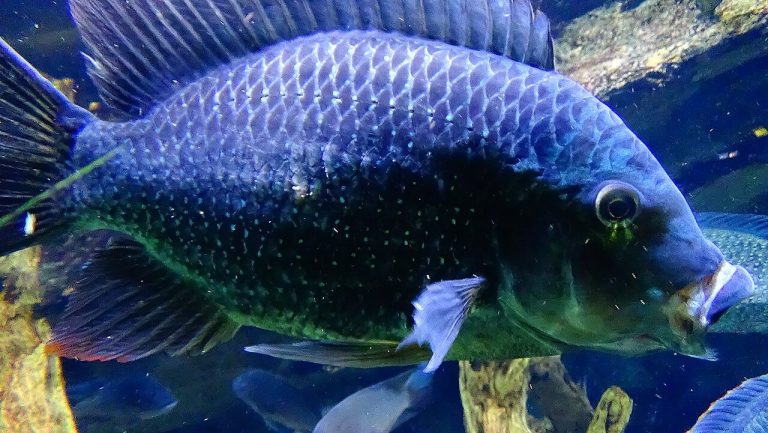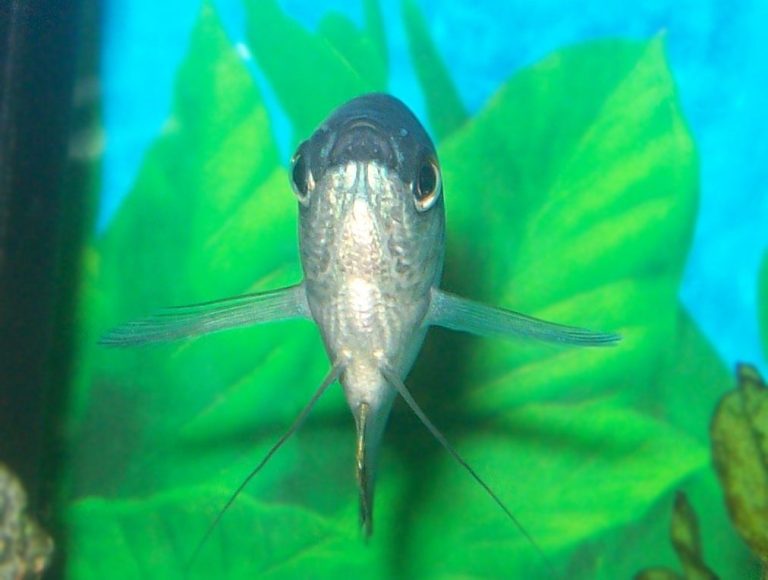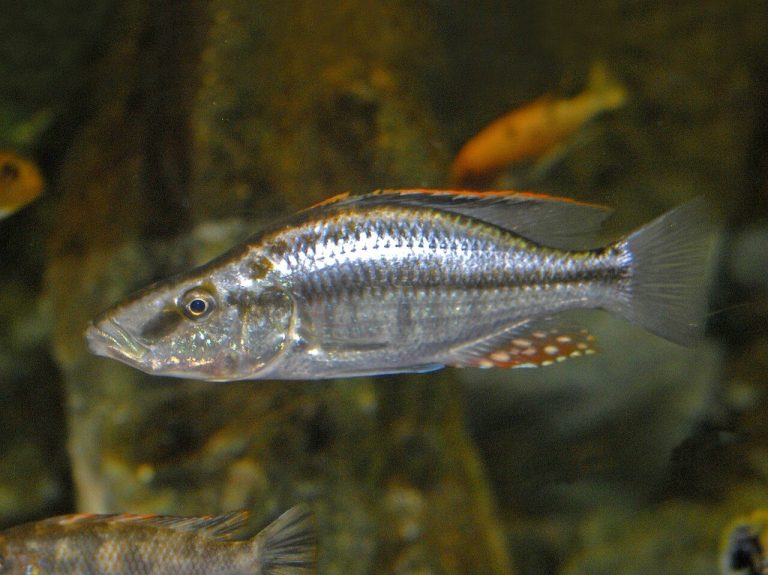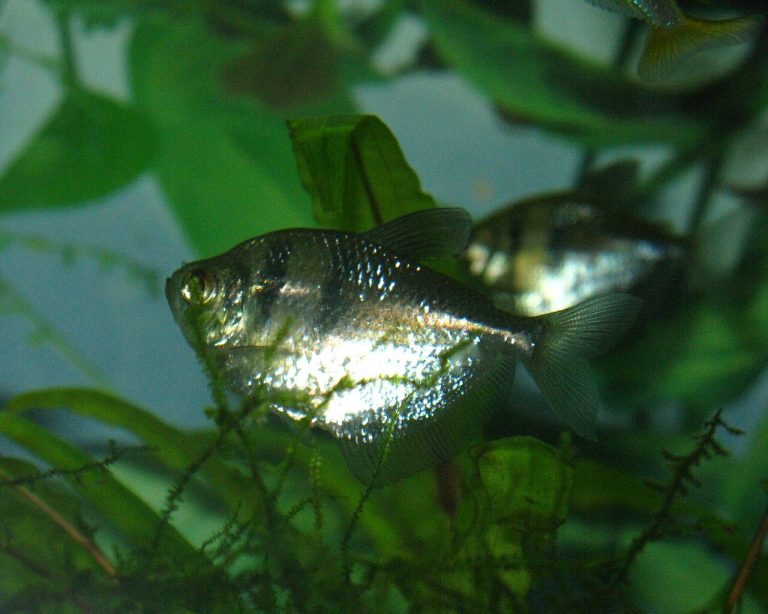
Fresh Water Fish Species – Top Picks for Your Tank
Selecting the right fresh water fish species involves matching water parameters like pH and temperature with compatible temperaments. A successful aquarium stays healthy when you choose healthy inhabitants that occupy different water levels and share similar dietary needs.
Starting a new aquarium is one of the most satisfying experiences a hobbyist can have. After more than a decade of maintaining various setups, I still feel that spark of excitement when I see a well-planned tank come to life.
Choosing the right fresh water fish species is about more than just picking the prettiest colors. It requires a deep understanding of biology, water chemistry, and social behavior to make sure your pets settle in for years to come.
In this guide, we will explore the diverse world of aquatic life. We will cover everything from the basic biology of popular families to the technical details of water chemistry that keep them healthy.
Understanding the Major Families of fresh water fish species
When you walk into a local fish store, the variety can be overwhelming. To make better decisions, it helps to categorize these animals into their biological families, which often share similar care requirements.
Most common inhabitants in the hobby belong to a few specific groups. Understanding these lineages helps you predict their behavior and environmental needs before you even bring them home.
The Diverse World of Cyprinidae
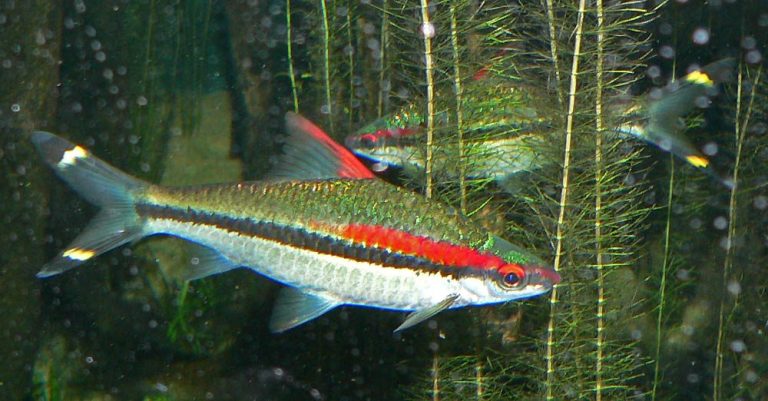
The family Cyprinidae is perhaps the most well-known in the hobby. This group includes everything from the tiny Zebra Danio to the classic Goldfish and various species of Barbs and Rasboras.
In my experience, Cyprinids are often the backbone of a beginner’s tank. They are generally hardy, active, and provide constant movement in the mid-to-upper levels of the water column.
The Rich Characidae Family
If you are looking for schooling behavior, the Characidae family is where you should look. This group contains the famous Tetras, such as Neons, Cardinals, and Rummy Noses.
Most Characins originate from South America and prefer slightly acidic, soft water. They are known for their striking iridescent colors and their tendency to stick together for safety and social interaction.
The Intelligent Cichlidae
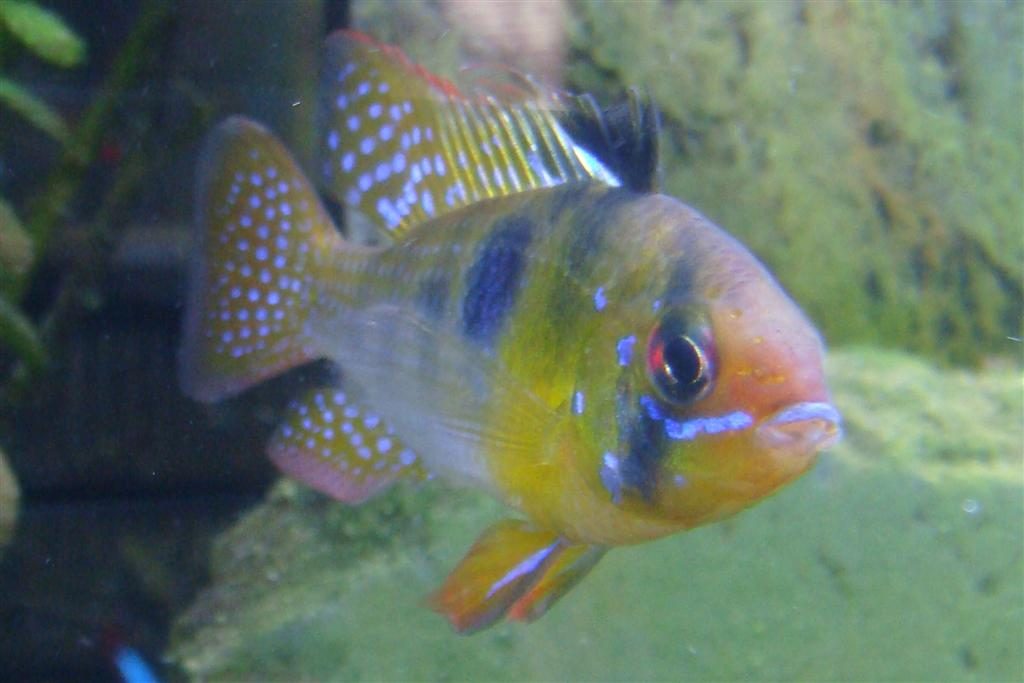
For keepers looking for personality and complex behavior, the Cichlidae family is unmatched. These fish are known for their intelligence, parental care, and, occasionally, their territorial nature.
From the majestic Angelfish to the bright African Cichlids of Lake Malawi, this family offers endless variety. However, they often require larger tanks and specific rockwork to manage their social hierarchies.
Pro Tip: When starting a community tank, always research the adult size of your fish. Many “cute” juveniles in stores grow much larger than beginners expect, leading to overstocking and stress.
Essential Water Chemistry for fresh water fish species
To keep your fish healthy, you must master the invisible world of water chemistry. The water in your tank is a living medium that directly affects the biological functions of every inhabitant.
Two of the most important factors are General hardness (GH) and Carbonate hardness (KH). These measurements determine the mineral content and the stability of your pH levels.
The Importance of Carbonate Hardness
Carbonate hardness acts as a buffer for your pH. If your KH is too low, your pH can crash suddenly, which is often fatal for sensitive fresh water fish species.
I have noticed that many beginners ignore KH until they run into trouble. Maintaining a steady KH ensures that the acids produced by biological waste do not cause dangerous fluctuations in the environment.
Understanding Osmoregulation
Every fish must manage the balance of salts and water inside its body through a process called Osmoregulation. Fresh water fish are constantly taking in water through their skin and gills.
They must expel this excess water while retaining vital salts. If the water parameters are too far from their natural evolution, their organs work overtime, leading to “osmotic stress” and a weakened immune system.
| Species Group | Preferred pH Range | Temperature (°F) | Care Level |
|---|---|---|---|
| Tetras (Characidae) | 6.0 – 7.5 | 72 – 82 | Easy/Intermediate |
| African Cichlids | 7.8 – 8.6 | 75 – 82 | Intermediate |
| Livebearers (Poeciliidae) | 7.0 – 8.5 | 70 – 80 | Very Easy |
| Danios (Cyprinidae) | 6.5 – 7.5 | 64 – 75 | Beginner |
Special Adaptations: The Anabantoidei Suborder
Some of the most popular fresh water fish species belong to the suborder Anabantoidei. This group includes Bettas and Gouramis, which are famous for their unique “labyrinth organ.”
This organ allows them to breathe atmospheric air directly from the surface. In the wild, this adaptation helps them survive in stagnant, low-oxygen waters where other fish would perish.
Managing Dissolved Oxygen
Even though some fish can breathe air, most rely on Dissolved oxygen in the water. Proper surface agitation from a filter or air stone is vital for gas exchange.
When oxygen levels drop, you will see fish gasping at the surface. This is a critical warning sign that your tank needs better aeration or a significant water change.
The Role of Poeciliidae (Livebearers)
The Poeciliidae family includes Guppies, Mollies, and Platies. These are known as “livebearers” because they give birth to free-swimming fry rather than laying eggs.
They are incredibly prolific and stay healthy in harder water with a higher pH. If you are interested in choosing compatible tank mates, livebearers are often a fantastic starting point for community tanks.
Common Health Issues and Disease Prevention
Even the most experienced keepers face health challenges in their tanks. Understanding the biology of common pathogens is the first step in protecting your fresh water fish species.
Most diseases are opportunistic, meaning they strike when the fish is already stressed by poor water quality or aggressive tank mates. Keeping a clean environment is the best medicine.
Identifying and Treating Ich
One of the most common parasites is Ichthyophthirius multifiliis, commonly known as “Ich” or white spot disease. It looks like small grains of salt sprinkled over the fish’s body and fins.
This parasite has a complex life cycle that is influenced by temperature. Raising the tank temperature slightly can speed up the life cycle, making the parasite more vulnerable to medication.
The Importance of Identification
Properly identifying your pets is essential when diagnosing health issues. Different species may react differently to medications, especially “scaleless” fish like Loaches or Catfish.
Always read the labels on treatments carefully. Some medications containing copper or certain dyes can be harmful to invertebrates like shrimp or sensitive fish species.
Pro Tip: Never add new fish directly to your main display tank. Use a simple quarantine tank for 2-4 weeks to observe them for signs of illness or parasites like Ich before introducing them to your established community.
Designing a Successful Community Environment
Creating a balanced community requires more than just picking peaceful fresh water fish species. You must consider the “zones” of the aquarium to ensure every inhabitant has its own space.
A well-designed tank utilizes the bottom, middle, and top layers. This reduces competition for territory and makes the aquarium look more full and natural.
Bottom Dwellers and Clean-up Crews
Catfish and Loaches are the typical residents of the bottom zone. They spend their time foraging through the substrate for leftover food.
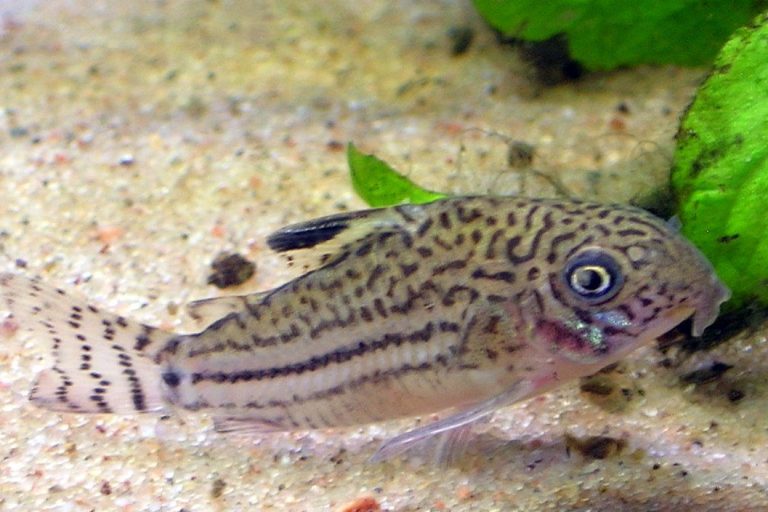
I’ve found that Corydoras are excellent additions to almost any community. They are peaceful, social, and help keep the substrate turned over, which prevents toxic gas pockets from forming.
Mid-Water Schooling Species
This is where your Tetras and Rasboras shine. They fill the open swimming space and provide the rhythmic movement that makes an aquarium so relaxing to watch.
When choosing mid-water fish, aim for groups of at least six to eight individuals. This reduces stress and allows the fish to display their natural schooling behaviors.
Top-Level Specialists
Species like Hatchetfish or certain Gouramis prefer the surface. Because they stay near the top, they are often the first to notice when you are about to feed the tank.
Be careful with surface dwellers, as many are excellent jumpers. Making sure you have a tight-fitting lid is essential for many of these fresh water fish species.
Advanced Considerations for Planted Tanks
If you want to keep live plants alongside your fish, you must balance the needs of both. Plants provide natural filtration and hiding spots, which significantly reduces fish stress.
However, plants also consume nutrients and affect the Carbonate hardness and CO2 levels in the water. Achieving this balance is the hallmark of an advanced aquarist.
The Symbiosis of Fish and Plants
Fish produce ammonia through their waste, which beneficial bacteria turn into nitrates. Aquatic plants then consume these nitrates as fertilizer, helping to keep the water clean.
This cycle creates a more stable environment for your fresh water fish species. In my experience, a heavily planted tank is much easier to maintain in the long run than a “sterile” plastic-decorated tank.
Practical notes
- Fill different levels of the tank: top dwellers, mid-water schools and bottom dwellers spread the bioload and reduce competition.
- Buy from shops with clean tanks and healthy fish; ask how long new stock has been in store.
- Choose tank mates by water needs first (temperature, pH, hardness), then by temperament and size.
- Avoid mixing fin-nippers like tiger barbs or serpae tetras with slow, long-finned fish.
Questions and answers
What are the hardiest fresh water fish species for beginners?
Zebra Danios, White Cloud Mountain Minnows, and many species of Rasboras are exceptionally hardy. They can tolerate minor fluctuations in water parameters, making them ideal for those still learning the ropes.
How many fish can I safely keep in my tank?
The “one inch per gallon” rule is a very rough guide and often inaccurate. It is better to consider the surface area for oxygen exchange and the biological capacity of your filter. Always start with fewer fish and add more slowly.
Do I really need to test my water every week?
In a new tank, yes. Once a tank is “established” (usually after 6 months), you can test less frequently. However, I always recommend testing if you notice any changes in fish behavior or unusual algae growth.
Why are my fish hiding all the time?
Fish often hide if they feel insecure due to a lack of cover, bright lights, or aggressive tank mates. Adding more plants or caves can actually make your fish more active, as they feel they have a safe place to retreat if needed.
Conclusion: Building Your Aquatic Legacy
Success with fresh water fish species is a journey of continuous learning. If you respect the biological needs of your inhabitants—from their Osmoregulation requirements to their social structures—you create a flourishing ecosystem.
Every tank is unique. What works for one hobbyist might require adjustment for another. Stay observant, keep your water clean, and always put the welfare of your fish first.
Whether you are keeping a single Betta or a massive community of Cichlids, the effort you put into understanding their world will be rewarded with a beautiful, relaxing, and healthy aquarium.

- 2003First tank
- 20+Years keeping
- 40+Tanks kept
- 0Sponsored picks
Howard set up his first 10-gallon planted tank in 2003 and lost half of it within six weeks. Two decades and more than forty aquariums later, he writes the guides he wished he had then: clear numbers, the reasons behind them, and what actually goes wrong in home tanks.