Freshwater Invertebrates For Aquarium – Setup Checklist
Freshwater invertebrates for aquariums, such as shrimp and snails, are interesting additions that boost tank aesthetics, contribute to ecosystem health by consuming algae and detritus, and offer unique behaviors without requiring complex care, provided specific water parameters are met.
Adding freshwater invertebrates to your aquarium can transform it from a simple fish tank into a vivid, bustling miniature ecosystem. These often-overlooked inhabitants bring a wealth of benefits, from diligent cleanup duties to unusual behaviors.
As someone who has nurtured countless aquatic worlds over the past decade, I’ve seen firsthand how these small creatures make a monumental difference. They contribute significantly to the overall health and stability of an aquarium.
This guide will look at the exciting world of freshwater invertebrates for aquarium setups, helping you choose the right species and care for them successfully.
Why Add Freshwater Invertebrates to Your Aquarium?
Many aquarists initially think only of fish when setting up a tank. However, introducing freshwater invertebrates can dramatically improve your aquarium’s health and visual appeal.
They fill key ecological niches, performing tasks that fish often overlook.
The Unsung Heroes: Cleanup and Algae Control
One of the most immediate benefits of keeping invertebrates is their role as an efficient cleanup crew. Many species are voracious biofilm grazers and detritivores.
They tirelessly scour surfaces for algae, uneaten food, and decaying plant matter, keeping your tank pristine.
For instance, snails like Nerite snails are legendary for their algae-eating prowess, tackling even tough green spot algae. Dwarf shrimp, such as the popular Neocaridina davidi (Cherry Shrimp), constantly pick at surfaces, consuming biofilm and micro-algae.
This natural sanitation reduces the organic load in your water, contributing to better water quality. It helps keep your fish healthier too.
Interesting Behaviors and Tank Enrichment
Beyond their utility, freshwater invertebrates are incredibly engaging to observe. Shrimp display intricate social dynamics and unique molting processes (ecdysis).
Snails glide gracefully, their tentacles constantly exploring. These behaviors add a layer of depth and interest to any aquarium.
Watching a colony of dwarf shrimp forage or a Mystery snail carefully clean a plant leaf can be remarkably therapeutic.
They introduce a sense of natural movement and activity that complements your fish inhabitants beautifully.
Pro Tip: When setting up a new tank, I always introduce a small group of active freshwater invertebrates like Nerite snails or a few Neocaridina shrimp after the nitrogen cycle is established. They act as early warning systems for water quality issues and begin their essential cleanup work from day one, helping to prevent algae outbreaks.
Popular Freshwater Invertebrate Species for Aquariums
freshwater invertebrates is vast, but a few groups stand out as ideal for the home aquarium.
Here are some of the most popular and satisfying choices.
Dwarf Shrimp: Colorful Caridina and Neocaridina
Dwarf shrimp are arguably the most popular freshwater invertebrates. They are small, peaceful, and come in an incredible array of colors.
Their constant foraging makes them excellent tank cleaners.
Neocaridina davidi (Cherry Shrimp & Relatives)
These are the ultimate beginner shrimp. They are hardy, adaptable, and breed readily in a wide range of water parameters.
Varieties like Red Cherry, Blue Dream, Yellow, and Orange Sakura shrimp are all Neocaridina davidi.
They flourish in tanks with stable temperatures between 68-78°F (20-25.5°C) and a pH of 6.5-8.0. I’ve found that a general hardness (GH) of 6-10 dGH and carbonate hardness (KH) of 2-8 dKH suits them perfectly.
Their total dissolved solids (TDS) can range from 150-300 ppm.
Caridina cantonensis (Crystal Red, Bee Shrimp & Relatives)
Caridina cantonensis varieties, such as Crystal Red Shrimp and Crystal Black Shrimp, are striking but require more specific water parameters.
They prefer softer, slightly acidic water, typically with a pH between 6.0-7.0.
A GH of 4-6 dGH, KH of 0-1 dKH, and TDS of 100-200 ppm are usually recommended. Achieving these parameters often involves using active substrates and reverse osmosis (RO) water remineralized with shrimp-specific products.
Their striking colors make the extra effort worthwhile for many experienced hobbyists.
Aquarium Snails: More Than Just Pests
While some snails can be considered pests, many species are highly beneficial and beautiful additions to a freshwater aquarium.
They are excellent at consuming algae and detritus.
Mystery Snails (Pomacea diffusa)
These large, colorful snails are active and engaging. They come in shades of gold, blue, ivory, and purple.
Mystery snails are excellent algae eaters and consume leftover food, but they are not generally known for eating live plants.
They need calcium for healthy shell growth, so ensure your water has adequate hardness. In my tanks, I often supplement with calcium-rich foods or cuttlebone.
Nerite Snails
Nerites are the undisputed kings of algae control. They are small, have attractive shell patterns, and will not reproduce in freshwater.
This makes them an ideal choice for those worried about snail overpopulation. They are especially good at cleaning glass and hard surfaces.
Ramshorn and Bladder Snails
These are often considered “pest” snails due to their prolific breeding. However, in moderation, they are efficient scavengers.
They consume decaying plant matter and uneaten food. Their population explosion usually signals overfeeding.
Freshwater Crabs and Crayfish: The Caveat Keepers
While intriguing, most freshwater crabs and crayfish are not suitable for community tanks.
Many are highly predatory and will attack and eat fish, shrimp, and even plants.
Dwarf crayfish (like the CPO, Cambarellus patzcuarensis var. “Orange”) are an exception, being generally peaceful. However, they still require careful consideration of tank mates.
Always research the specific species thoroughly before adding them to your aquarium.
Essential Care Requirements for Freshwater Invertebrates
Providing the right environment is key for the health and longevity of your freshwater invertebrates.
Their needs can differ significantly from those of fish.
Water Parameters: The Key to Success
Stable water parameters are essential for invertebrates, especially shrimp, due to their molting process.
Rapid fluctuations can be fatal.
| Parameter | Neocaridina Shrimp | Caridina Shrimp | Mystery Snails | Nerite Snails |
|---|---|---|---|---|
| Temperature | 68-78°F (20-25.5°C) | 68-74°F (20-23.5°C) | 68-84°F (20-29°C) | 72-82°F (22-28°C) |
| pH | 6.5-8.0 | 6.0-7.0 | 7.0-8.0 | 6.5-8.5 |
| GH (General Hardness) | 6-10 dGH | 4-6 dGH | 8-15 dGH | 8-12 dGH |
| KH (Carbonate Hardness) | 2-8 dKH | 0-1 dKH | 2-10 dKH | 2-10 dKH |
| TDS (Total Dissolved Solids) | 150-300 ppm | 100-200 ppm | 200-400 ppm | 150-350 ppm |
For shrimp, proper GH is vital for chitin synthesis and successful ecdysis (molting). A lack of minerals can lead to failed molts, which are often fatal.
Snails also need adequate hardness for strong shell development. Soft water can cause shell erosion.
Diet and Nutrition
Most freshwater invertebrates are omnivores or detritivores. They do well on a diet of algae, biofilm, and decaying plant matter.
However, supplemental feeding is often necessary, especially in heavily stocked tanks.
High-quality shrimp pellets, algae wafers, blanched vegetables (like spinach or zucchini), and specialized snail foods are excellent options. Make sure any added food is consumed quickly to avoid polluting the water.
Tank Mates and Compatibility
Choosing compatible tank mates is perhaps the most critical aspect of keeping freshwater invertebrates.
Many common freshwater fish will view small shrimp and snails as a snack.
Avoid any fish with mouths large enough to consume your invertebrates. Fast-moving, peaceful schooling fish like Neon Tetras, Ember Tetras, or Otocinclus catfish are often good choices for shrimp tanks.
Always research the specific species before combining them. Even seemingly peaceful fish can predate on baby shrimp.
Common Mistake: One mistake I made early on was trusting online lists of “shrimp-safe fish” too readily. While some fish are generally peaceful, any fish is an opportunistic eater. Even small tetras can decimate a shrimp colony, especially newly hatched shrimplets. Always provide plenty of hiding spots for your invertebrates and consider a dedicated “shrimp-only” tank for breeding success.
Setting Up an Invertebrate-Friendly Habitat
A well-planted tank with plenty of hiding spots is ideal for freshwater invertebrates.
Live plants provide foraging surfaces, shelter during molting, and vital biofilm.
Mosses like Java Moss or Christmas Moss are particularly beneficial for shrimp. Driftwood and caves also offer excellent retreats. Make sure your filter intake is covered with a sponge pre-filter to prevent small shrimp and snails from being sucked in.
Common Challenges and Solutions
Even with careful planning, challenges can arise when keeping freshwater invertebrates. Knowing how to address them is key.
Predation: Choosing Tank Mates Wisely
As mentioned, predation is a significant concern. If you notice your shrimp or snails disappearing, evaluate your tank mates.
Even small fish can pick off shrimplets. Consider moving predatory fish to a different tank or setting up a dedicated invertebrate tank.
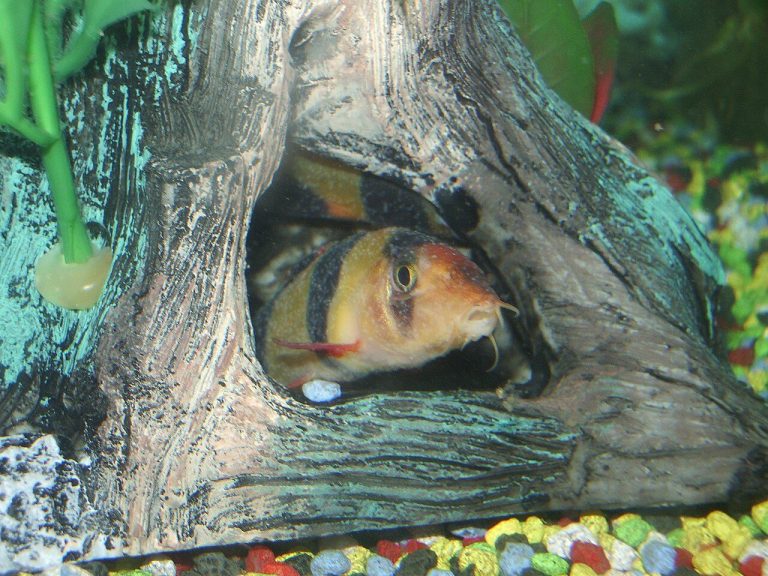
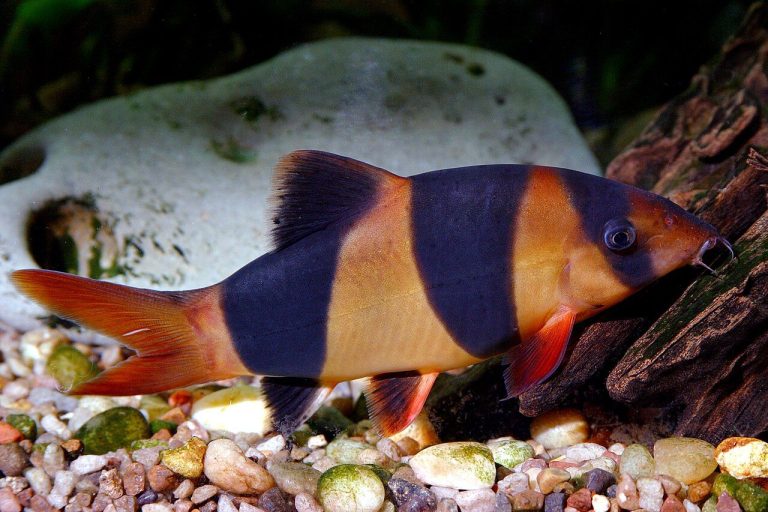
For snails, fish like loaches (e.g., Clown Loaches) are known snail eaters, so avoid them if you want your snails to stay healthy.
Molting Problems: Understanding Ecdysis
Shrimp periodically shed their exoskeleton (ecdysis) to grow. This is a vulnerable time for them.
Failed molts are a common cause of death and often indicate water parameter issues, particularly insufficient GH or sudden changes in TDS.
Help stable water parameters, provide a diet rich in calcium and minerals, and avoid overcrowding. A “white ring of death” around a shrimp’s body during a molt is a classic sign of trouble.
Unwanted Guests: Dealing with Planaria and Pest Snails
Sometimes, unwanted invertebrates can hitchhike into your tank on plants or decorations. Two common ones are Planaria and certain pest snails.
Planaria are flatworms that can prey on shrimp and eggs. If you spot these distinctive worms with triangular heads, you’ll need to treat your tank.
Chemical treatments like Fenbendazole are effective, but always research their safety for your specific invertebrates.
Overpopulation of small pest snails (like bladder or ramshorn snails) usually points to overfeeding. Reduce the amount of food you offer, and their population will naturally decline.
You can also use snail traps or introduce snail-eating fish (if compatible with your other inhabitants).
Integrating Invertebrates into a Community Tank
Successfully adding freshwater invertebrates to a tank with fish requires strategic planning and careful observation.
It’s about creating a peaceful environment where all inhabitants can settle in.
Shrimp and Fish Compatibility
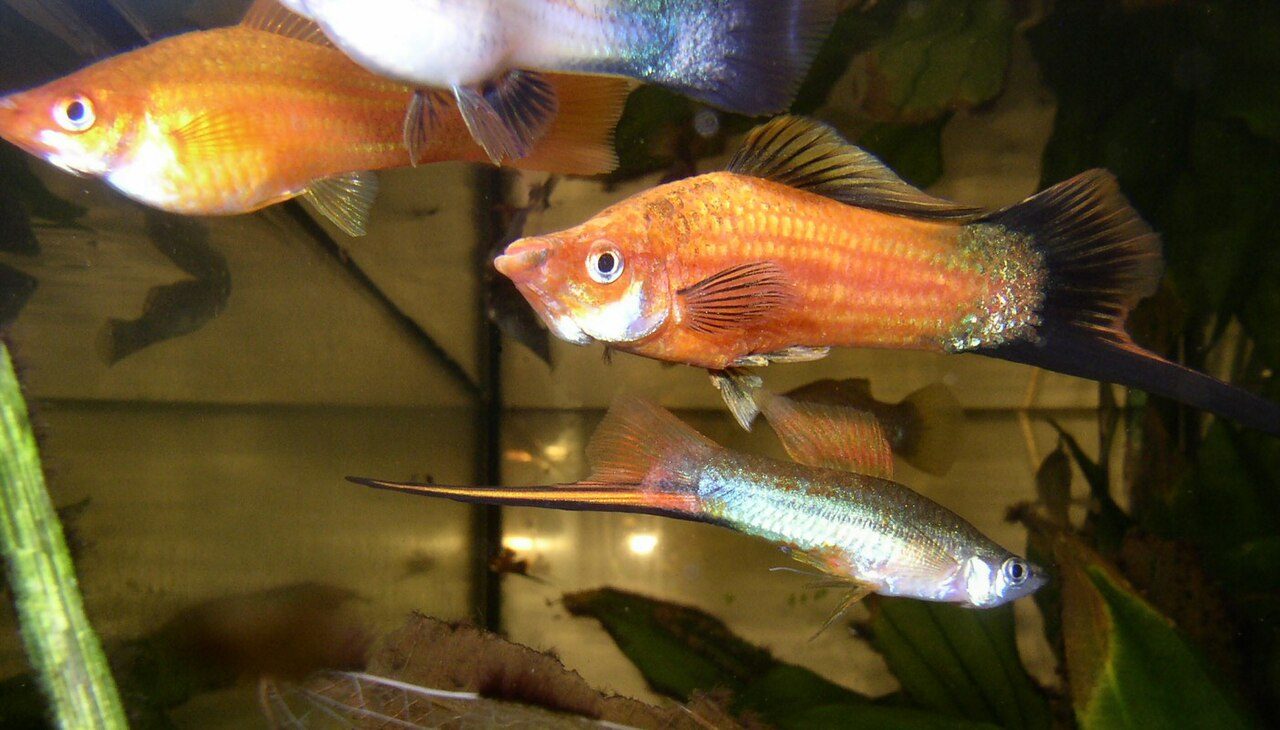
When selecting fish for a tank containing shrimp, prioritize small, peaceful, and slow-moving species. Nano fish like Endler’s Livebearers, Chili Rasboras, or Dwarf Gouramis can coexist with adult dwarf shrimp.
However, be aware that even these can snack on baby shrimp. Providing dense planting and mosses gives shrimplets a much higher chance of survival.
Avoid anything known to be aggressive or predatory. This includes most cichlids, large tetras, and barbs. Copper toxicity is also a major concern; many common fish medications contain copper, which is highly toxic to all invertebrates.
Always check medication ingredients before use.
Planted Tank Synergy
A heavily planted aquarium is almost always the best environment for freshwater invertebrates. The plants provide security, foraging surfaces, and help maintain water quality.
Shrimp love to graze on the biofilm that grows on plant leaves. Snails contribute to plant health by consuming decaying matter and algae that might otherwise smother growth.
The symbiotic relationship between plants and invertebrates creates a more stable and resilient ecosystem. This makes your aquarium more beautiful and easier to maintain.
Quick checklist
- Avoid mixing fin-nippers like tiger barbs or serpae tetras with slow, long-finned fish.
- Research adult size before buying; many fish sold as juveniles outgrow common 20–30 gallon tanks.
- Schooling fish need groups of six or more to feel secure and show natural colours.
- Captive-bred fish usually adapt to home aquariums more easily than wild-caught fish.
Reader questions About Freshwater Invertebrates
What do freshwater invertebrates eat?
Most freshwater invertebrates are omnivores, detritivores, or herbivores. They primarily eat algae, biofilm, decaying plant matter, and leftover fish food.
Many also appreciate supplemental foods like algae wafers, specialized shrimp pellets, and blanched vegetables.
Can freshwater invertebrates live with fish?
Yes, but compatibility is key. Small, peaceful fish (like nano schooling fish) can often coexist with adult dwarf shrimp and snails.
However, most fish will opportunistically eat baby shrimp or small snails. Larger or more aggressive fish are generally not suitable tank mates for invertebrates.
How do I keep my invertebrates healthy?
The most important factors are stable, appropriate water parameters (especially GH, KH, and pH), a clean tank, a balanced diet, and compatible tank mates.
Avoid medications containing copper, as it is highly toxic to most invertebrates.
What causes shrimp to die after molting?
Deaths after molting (ecdysis) are often due to insufficient minerals, particularly calcium and magnesium (reflected in GH), or sudden changes in water parameters.
These issues prevent the shrimp from successfully shedding their old exoskeleton or hardening their new one. Ensure stable water chemistry and a mineral-rich diet.
Are snails considered freshwater invertebrates?
Yes, snails are a diverse group of freshwater invertebrates. Many species, like Mystery Snails, Nerite Snails, and even smaller Ramshorn snails, are commonly kept in aquariums for their algae-eating abilities and interesting behaviors.
Putting it all together
Embracing freshwater invertebrates for your aquarium is a satisfying journey that enriches both your tank’s ecosystem and your experience as an aquarist.
From the diligent algae-eating prowess of Nerite snails to the remarkable social dynamics of a Caridina cantonensis colony, these tiny titans offer immense value.
Once you understand their specific needs regarding water parameters, diet, and tank compatibility, you can bring out a bright, healthy, and endlessly unusual underwater world.
So go ahead, explore the diverse world of freshwater invertebrates. You might just find your next favorite aquarium inhabitant.

- 2003First tank
- 20+Years keeping
- 40+Tanks kept
- 0Sponsored picks
Howard set up his first 10-gallon planted tank in 2003 and lost half of it within six weeks. Two decades and more than forty aquariums later, he writes the guides he wished he had then: clear numbers, the reasons behind them, and what actually goes wrong in home tanks.