How Many Angelfish In A 75 Gallon Tank – The Expert Stocking Guide
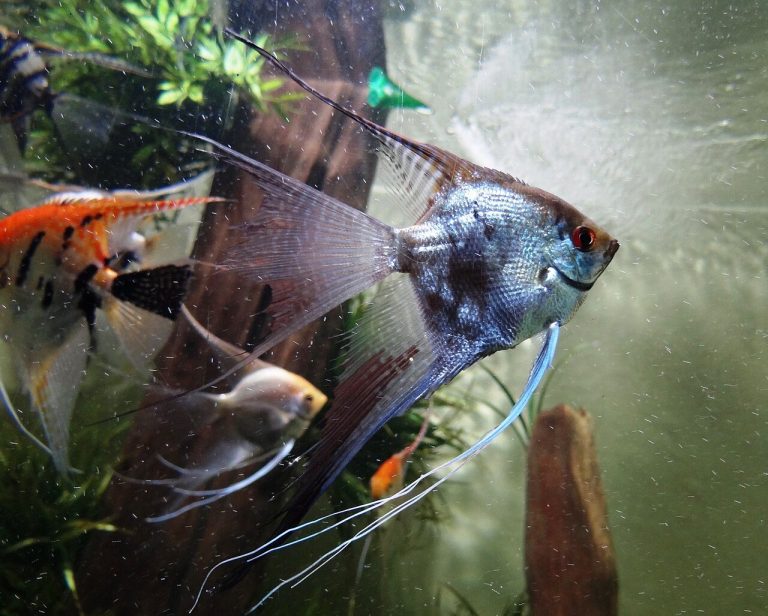
In a 75-gallon aquarium, you can successfully keep 4 to 6 adult angelfish. This number provides a balance between social interaction and territorial space, making sure a healthy environment while preventing excessive aggression and waste buildup.
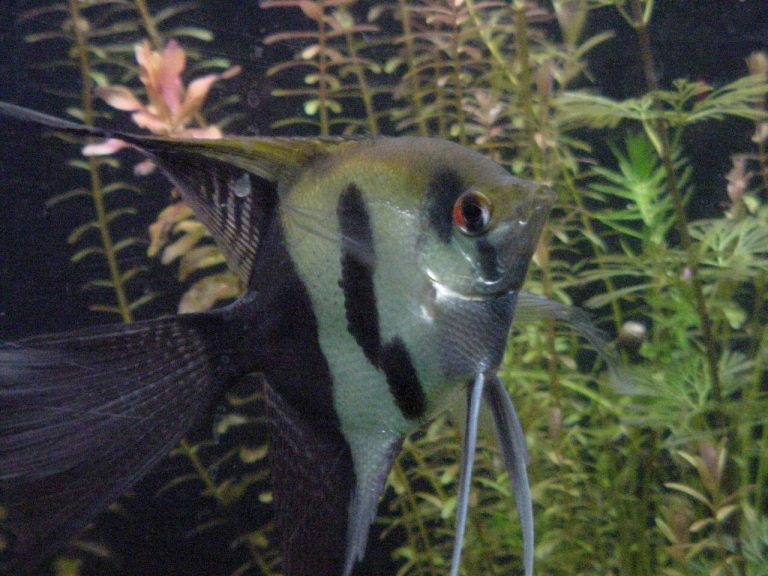
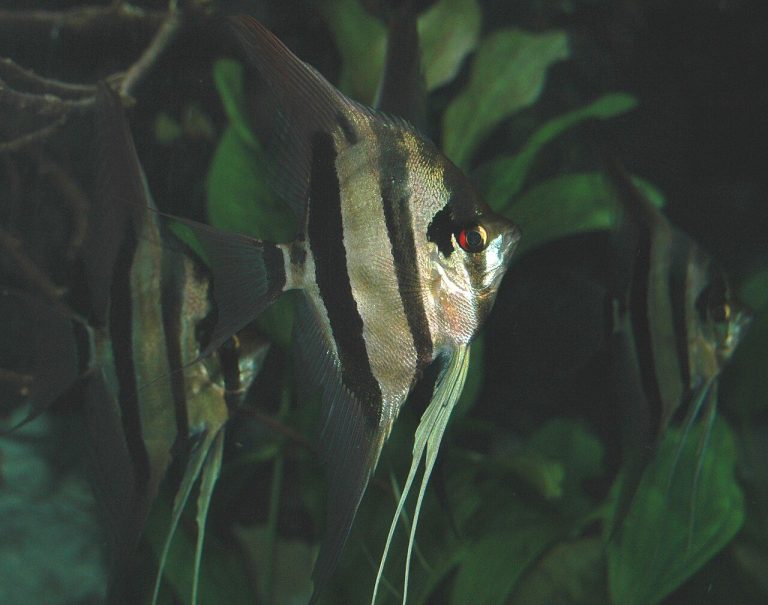
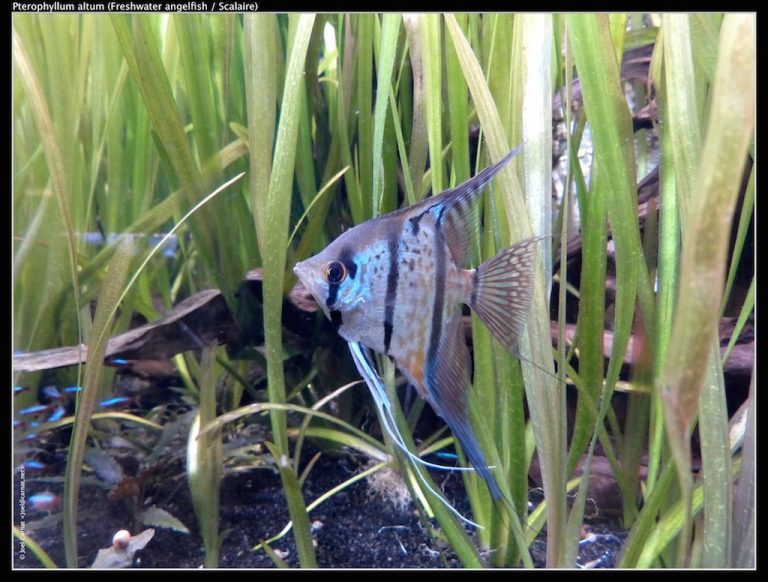
When you first see a group of Pterophyllum scalare gliding through a well-planted aquarium, it is hard not to be captivated. These “Kings of the Aquarium” bring a level of grace and personality that few other freshwater fish can match.
If you are planning a new setup, you are likely asking how many angelfish in a 75 gallon tank is the magic number. After over a decade of keeping various cichlids, I have found that the 75-gallon footprint is one of the most versatile for these majestic fish.
In this guide, we will look closely at the nuances of stocking. We will cover everything from social hierarchies to the technical requirements of maintaining a healthy angelfish community.
At a glance: Freshwater angelfish (Pterophyllum scalare)
- Temperature
- 76–84°F (24–29°C)
- Water pH
- 6.0–7.5
- Adult size
- 6 in long, 8 in tall (15 × 20 cm)
- Minimum tank
- 30 gal for a pair, 55 gal tall for a group
- Group size
- Pair or group of 5+
- Temperament
- Semi-aggressive, territorial when breeding
- Diet
- Omnivore: pellets, flakes, frozen bloodworm and brine shrimp
- Lifespan
- 10–12 years
Keeper’s tip: Choose a tall tank; height matters more than length for a fish that grows taller than it is long.
Why the 75 Gallon Tank is Ideal for Angelfish
A 75-gallon tank is often considered the “sweet spot” for many hobbyists. It offers a significant upgrade over the standard 55-gallon tank, primarily because of its increased depth from front to back.
While a 55-gallon tank is narrow, the 75-gallon provides 18 inches of width. This extra space is essential for territorial displacement when fish need to get out of each other’s line of sight.
The vertical water column height of a 75-gallon tank is also perfect for angelfish. Since these fish are taller than they are long, they require deep water to develop their fins fully and swim naturally.
Pro Tip: When setting up your 75-gallon, prioritize height and width over length. Angelfish feel much more secure in deeper water where they can retreat upward or downward during social disputes.
how many angelfish in a 75 gallon tank? Breaking Down the Numbers
The standard recommendation for a 75-gallon tank is 4 to 6 adult angelfish. However, this number can fluctuate based on your goals for the tank and your level of experience.
If you are a beginner, starting with 4 fish is often the safest bet. This allows for mistakes in water management and gives each fish plenty of “personal space” as they reach their full size.
For intermediate keepers who are diligent with water changes, 6 fish can create a striking display. This larger group often helps spread out conspecific aggression, which is the tendency for these fish to pick on their own kind.
| Setup Type | Number of Angelfish | Primary Focus |
|---|---|---|
| Species Only | 6 – 8 | Social interaction and breeding. |
| Community Tank | 2 – 4 | Harmonious balance with other species. |
| Proven Breeding Pair | 2 (One Pair) | Maximizing fry survival and parental care. |
The Importance of Starting with Juveniles
When I first started with angelfish, I made the mistake of adding random adults one by one. This led to immediate fighting as the established “boss” of the tank defended its home.
It is much better to buy a group of 6 juveniles and let them grow up together. As they mature, they will establish a pecking order naturally, which is far less stressful for the fish and the keeper.
Once they reach sexual maturity, you might notice two fish sticking closely together and defending a specific corner. This is a sign that a pair has formed, which may require you to adjust the stocking of the tank.
Angelfish are members of the cichlid family, which means they are inherently territorial. They are not “mean” fish, but they do have a strict social structure that they defend vigorously.
In a 75-gallon tank, the main challenge is managing the aggression that occurs when fish decide to spawn. A breeding pair will claim a large portion of the tank and chase away any intruders.
If you have 6 angelfish and one pair forms, the other 4 fish may be squeezed into the remaining half of the tank. This is where the 18-inch width of the 75-gallon tank becomes a lifesaver, providing more room for the non-breeding fish to hide.
Using Decor to Break Line of Sight
To keep the peace, you should use tall plants and driftwood to divide the tank into distinct zones. I highly recommend using Echinodorus grisebachii, commonly known as the Amazon Sword.
These plants are native to the angelfish’s natural habitat and provide broad leaves that are perfect for egg-laying. By placing large swords at opposite ends of the tank, you encourage fish to claim separate territories.
Driftwood branches that reach toward the surface are also excellent. They mimic the fallen trees found in the Amazon river and provide physical barriers that stop a dominant fish from constantly seeing its rivals.
Water Quality and Filtration Requirements
When considering how many angelfish in a 75 gallon tank, you must account for the biological filtration capacity of your system. Angelfish are sensitive to poor water quality, which can lead to diseases like Hexamitiasis (Hole-in-the-Head).
Nitrogenous waste accumulation is the silent killer in many overstocked tanks. Ammonia and nitrites must always stay at zero, while nitrates should ideally remain below 20 ppm.
A 75-gallon tank has a large volume, but angelfish produce a significant amount of waste as they grow. I always recommend using a filter rated for at least 100 gallons to keep crystal-clear water and high dissolved oxygen saturation.
| Parameter | Ideal Range | Notes |
|---|---|---|
| Temperature | 76°F – 82°F | Warmer water boosts immune systems. |
| pH | 6.5 – 7.5 | Stability is more important than a specific number. |
| Carbonate Hardness (KH) | 3 – 8 dKH | Prevents pH crashes. |
| Nitrates | < 20 ppm | Requires weekly 25-50% water changes. |
Choosing Compatible Tank Mates
If you decide to keep fewer than 6 angelfish, you have the opportunity to add other peaceful community species. Choosing the right companions is vital to maintaining a low-stress environment.
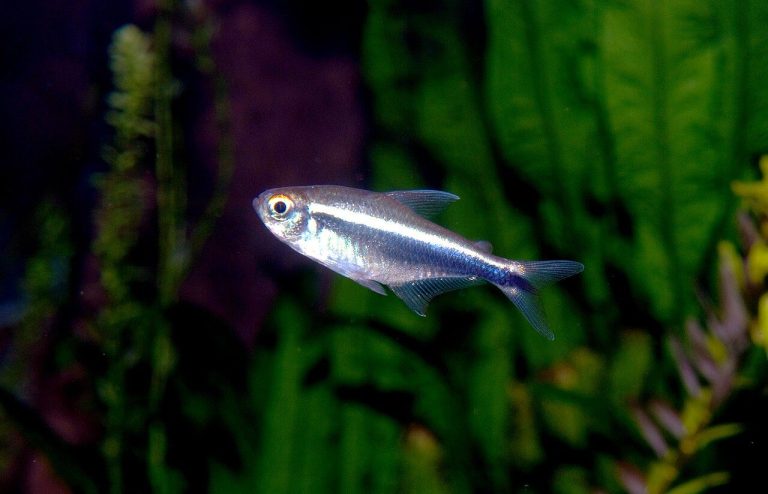
Avoid very small fish like neon tetras, as a large adult angelfish may eventually view them as a snack. Instead, look for deeper-bodied tetras or peaceful bottom dwellers.
Corydoras catfish are excellent choices because they stay at the bottom and do not compete for territory. You can also look for efficient algae eaters like Bristlenose Plecos to help keep the tank clean.
Pro Tip: If you want to keep tetras with your angelfish, introduce the tetras first and let them grow. Adding small fish to a tank with established adult angelfish often results in “expensive fish food.”
Feeding and Nutrition for Growth
To keep your angelfish healthy and bright, a varied diet is essential. While high-quality flakes and pellets are a good base, they should not be the only thing your fish eat.
In my experience, frozen foods like bloodworms and brine shrimp are the best way to trigger spawning behavior and improve color. These foods provide the protein and fats needed for proper fin development.
Feeding twice a day in small amounts is better than one large feeding. This ensures that all fish, even the less dominant ones, get a chance to eat before the food sinks or is consumed by the “alphas.”
For more detailed information on maintaining these beautiful fish, you can check out our comprehensive majestic cichlid care guide. It covers everything from water chemistry to specific disease prevention.
Common Pitfalls to Avoid in a 75 Gallon Setup
One of the biggest mistakes I see is “over-decorating” the center of the tank. While it looks nice, it restricts the swimming path of the angelfish, which need open space to glide.
Another issue is inadequate surface agitation. Large fish like angelfish need plenty of oxygen, especially when the temperature is kept on the higher end (80°F+).
Ensure your filter outlet creates some ripples on the surface. This facilitates gas exchange and keeps dissolved oxygen saturation at healthy levels for your fish.
Identifying Signs of Stress
You should monitor your fish daily for signs of bullying or illness. If you see an angelfish hiding near the heater or the surface with its fins clamped, it is likely being bullied or is feeling unwell.
Keep an eye out for white, stringy feces, which can be an early indicator of internal parasites or Hexamitiasis. Catching these issues early is the key to a long-lived aquarium.
Quick answers
Can I keep just one angelfish in a 75-gallon tank?
Yes, you can keep a single angelfish as a “centerpiece” fish. It will be much more peaceful and can be kept with a wider variety of community tank mates without the risk of spawning aggression.
Do angelfish need a heater in a 75-gallon tank?
Absolutely. Angelfish are tropical fish and require stable temperatures. A 300-watt heater is usually sufficient for a 75-gallon tank to maintain a steady 78-80°F.
How big do angelfish get in a 75-gallon tank?
Looked after properly and high-quality food, a standard Pterophyllum scalare can reach 6 inches in body length and up to 8-10 inches in height including the fins.
Should I use a lid on my 75-gallon angelfish tank?
Yes, angelfish can be surprisingly jumpy, especially if they are startled at night or during a chase. A secure lid prevents tragic accidents.
Can I mix different varieties of angelfish?
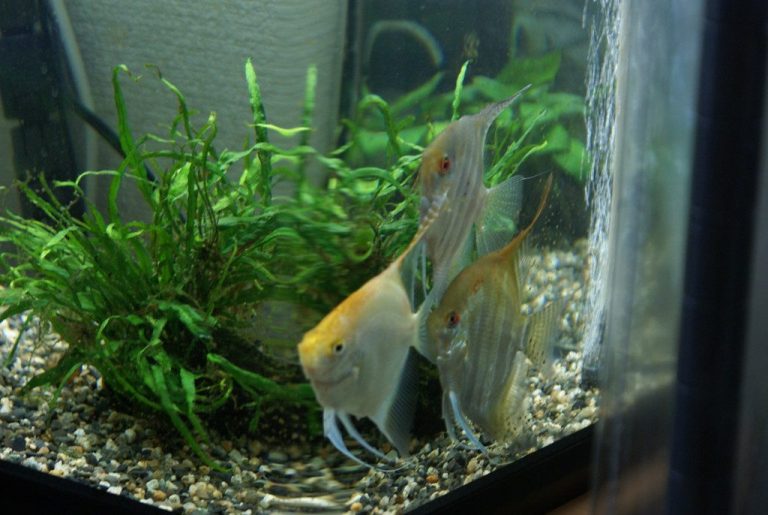
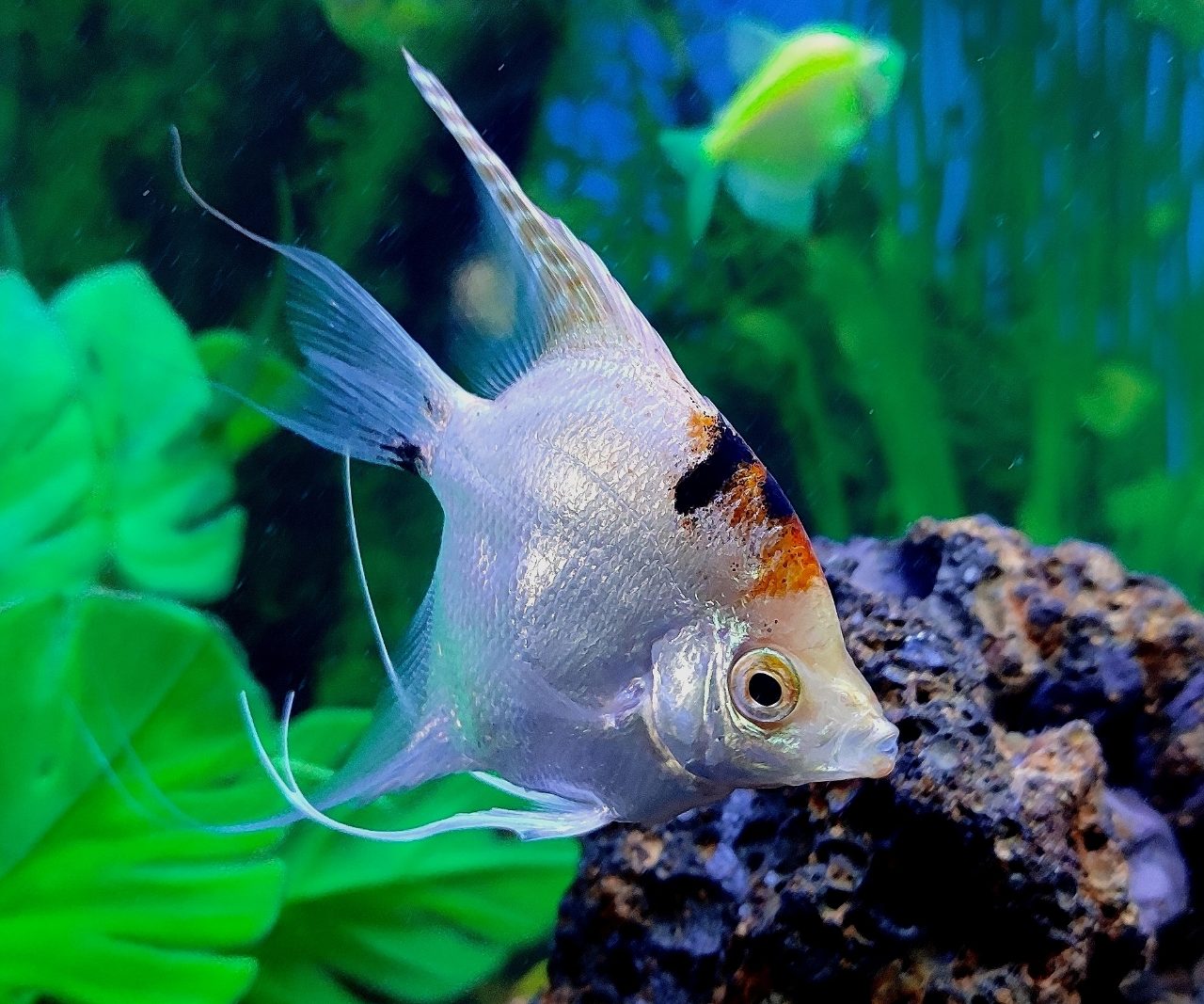
Yes, you can mix Koi, Marble, Silver, and Black varieties. They are all the same species and will school together and even interbreed without issues.
A closing note
Determining how many angelfish in a 75 gallon tank is the first step toward a successful and beautiful aquarium. By sticking to the 4 to 6 fish rule, you provide your pets with the space they need to stay healthy and exhibit their natural behaviors.
The success of your tank depends as much on your maintenance routine as it does on the initial stocking. Weekly water changes, high-quality food, and a well-planned layout with plenty of plants will make sure your angelfish live long, healthy lives.
A 75-gallon tank is a generous canvas. If you treat it with respect and stay observant, it will reward you with a striking display of aquatic grace that will be the envy of any guest in your home.

- 2003First tank
- 20+Years keeping
- 40+Tanks kept
- 0Sponsored picks
Howard set up his first 10-gallon planted tank in 2003 and lost half of it within six weeks. Two decades and more than forty aquariums later, he writes the guides he wished he had then: clear numbers, the reasons behind them, and what actually goes wrong in home tanks.