What Water Parameters Do Angelfish Need – Complete Guide
Angelfish stay healthy in warm water between 75°F and 84°F, with a slightly acidic to neutral pH of 6.0 to 7.5. Maintaining soft to moderately hard water and zero ammonia or nitrite levels is essential for their long-term health.
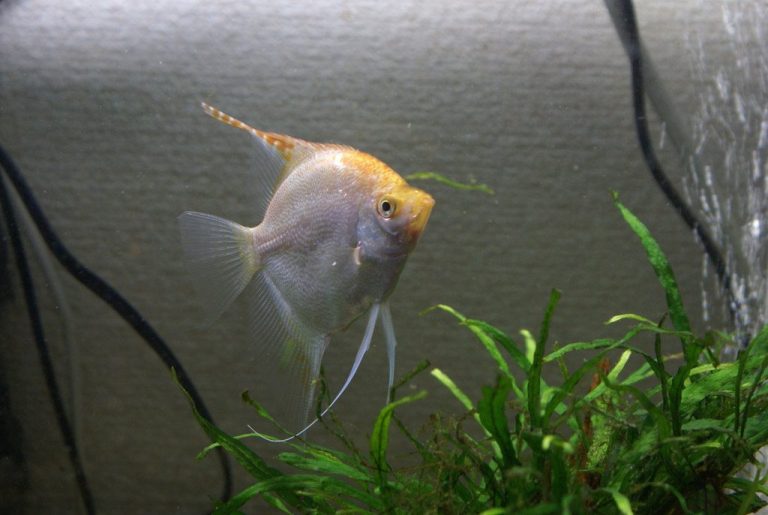
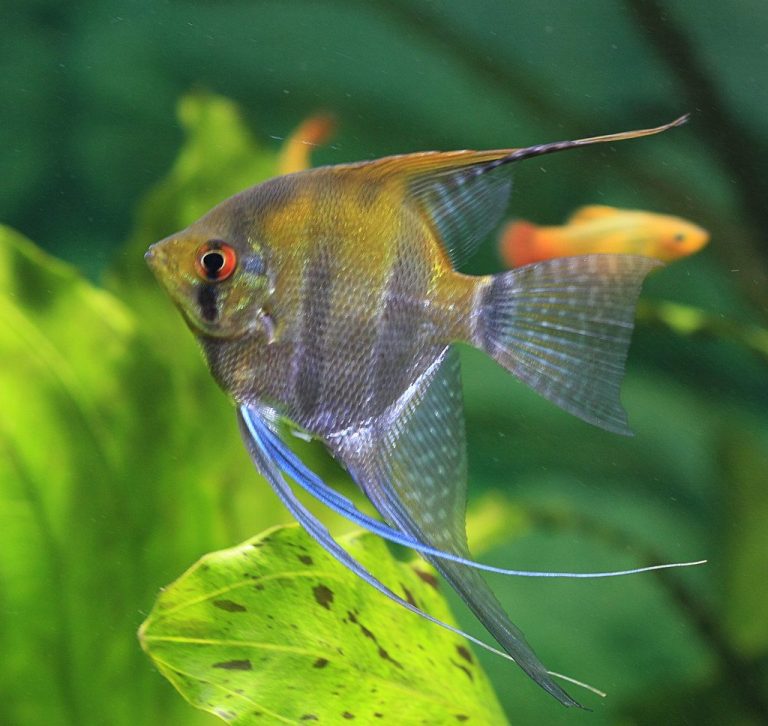
Understanding what water parameters do angelfish need is the first step in moving from a casual hobbyist to a successful aquarist. These majestic cichlids, scientifically known as Pterophyllum scalare, are the undisputed kings of the freshwater tank, but they can be sensitive to poor water quality.
In my 10+ years of keeping various strains, I have found that while they are hardy once established, they flourish when their environment mimics their natural Amazonian roots. Whether you are keeping a common silver variety or specialized striking color variations, the chemistry of your water dictates their growth, color, and lifespan.
In this guide, I will break down the essential chemistry, the “hidden” numbers like TDS and KH, and the maintenance routines that have kept my tanks crystal clear and my fish healthy for over a decade.
At a glance: Freshwater angelfish (Pterophyllum scalare)
- Temperature
- 76–84°F (24–29°C)
- Water pH
- 6.0–7.5
- Adult size
- 6 in long, 8 in tall (15 × 20 cm)
- Minimum tank
- 30 gal for a pair, 55 gal tall for a group
- Group size
- Pair or group of 5+
- Temperament
- Semi-aggressive, territorial when breeding
- Diet
- Omnivore: pellets, flakes, frozen bloodworm and brine shrimp
- Lifespan
- 10–12 years
Keeper’s tip: Choose a tall tank; height matters more than length for a fish that grows taller than it is long.
The Core Fundamentals: what water parameters do angelfish need?
When we talk about water parameters, we are looking at the chemical makeup of the environment where your fish breathe, eat, and live. For Pterophyllum scalare, consistency is often more important than hitting a “perfect” number.
Angelfish are surprisingly adaptable to a range of conditions, provided those conditions don’t swing wildly from day to day. Rapid changes in pH or temperature can lead to stress, which is the primary precursor to diseases like Ich or Fin Rot.
| Parameter | Ideal Range | Acceptable Range |
|---|---|---|
| Temperature | 78°F – 82°F (25.5°C – 28°C) | 75°F – 84°F (24°C – 29°C) |
| pH Level | 6.5 – 7.0 | 6.0 – 7.5 |
| Ammonia (NH3) | 0 ppm | Strictly 0 ppm |
| Nitrite (NO2) | 0 ppm | Strictly 0 ppm |
| Nitrate (NO3) | < 10 ppm | < 20 ppm |
| GH (General Hardness) | 3 – 8 dGH | 1 – 12 dGH |
| KH (Carbonate Hardness) | 2 – 5 dKH | 1 – 8 dKH |
Temperature and Thermal Stability
Angelfish are true tropical fish, and they require warmth to maintain their metabolic functions. In my experience, keeping the tank around 78°F to 80°F is the “sweet spot” for active feeding and bright colors.
If the temperature drops below 75°F for extended periods, their immune systems slow down, making them vulnerable to parasites. Conversely, very high temperatures (above 84°F) can increase their metabolism so much that they become aggressive and their lifespan shortens.
Pro Tip: Always use two smaller heaters rather than one large one. If one fails and stays “on,” it is less likely to cook your fish; if one fails “off,” the second heater will prevent the temperature from plummeting overnight.
Understanding pH and the Role of Humic Substances
The pH level measures how acidic or basic your water is, and for Angelfish, the preference leans toward the acidic side. In the wild, they inhabit “blackwater” or “clearwater” environments rich in tannins from decaying wood and leaves.
These tannins release humic substances, which naturally lower the pH and provide antibacterial properties. I’ve noticed that when I add driftwood or Indian Almond leaves to my Angelfish tanks, the fish display much deeper blacks and more intense oranges.
While most captive-bred Angelfish can handle a pH up to 7.8, they will not be as comfortable as they would be in a range of 6.5 to 7.0. If you are struggling with high pH, avoid using chemical “pH Down” products, as they cause dangerous fluctuations.
The Importance of Carbonate Hardness (KH)
Carbonate hardness, or KH, is often overlooked by beginners, but it is vital for stability. KH acts as a “buffer” for your pH, preventing it from crashing suddenly.
If your KH is 0, your pH can swing wildly from 7.0 to 5.0 in a single night, which is usually fatal for fish. I recommend keeping a KH of at least 2-3 dKH to make sure your water chemistry remains stable between water changes.
The Nitrogen Cycle and Nitrogenous Waste Management
No discussion on what water parameters do angelfish need is complete without addressing the nitrogen cycle. This biological process, known as nitrification, is where beneficial bacteria turn toxic waste into less harmful substances.
Angelfish produce a significant amount of waste due to their size and high-protein diet. If your biological filtration is not solid, ammonia levels will rise quickly, leading to gill damage and death.
Ammonia and Nitrite: The Silent Killers
In a healthy aquarium, both ammonia and nitrite must always be 0 ppm. Even trace amounts can cause long-term damage to an Angelfish’s delicate fins and internal organs.
I always tell new keepers that if they see their Angelfish gasping at the surface, the first thing to check is ammonia. High levels of these toxins prevent the fish from effectively carrying oxygen in their blood.
Nitrate Control
Nitrate is the end product of the nitrogen cycle and is only removed through water changes or live plant uptake. While Angelfish are more tolerant of nitrate than ammonia, they still prefer levels below 20 ppm.
High nitrate levels are a common cause of “Hole-in-the-Head” disease in cichlids. If you find your nitrates climbing, it is a sign that your stocking level is too high or your water change schedule is insufficient.
Common Mistake: Many keepers assume a “clear” tank is a “clean” tank. Water can look crystal clear while containing lethal levels of nitrates; only a liquid test kit can tell you the truth.
Hardness and Osmoregulation
General Hardness (GH) measures the concentration of calcium and magnesium ions in the water. These minerals are essential for osmoregulation, the process by which fish maintain the fluid balance in their bodies.
Angelfish are adapted to soft water with low mineral content. If the water is too hard (high GH), their kidneys have to work much harder to pump excess minerals out of their systems.
This extra work causes chronic stress and can lead to a shortened lifespan. If you live in an area with very hard tap water, you might consider mixing it with Reverse Osmosis (RO) water to bring the GH down to a comfortable level.
Total Dissolved Solids (TDS)
TDS is a “catch-all” measurement of everything dissolved in the water, from minerals to organic waste. While not a specific parameter like pH, keeping an eye on TDS helps you understand when it is time for a water change.
In my breeding tanks, I keep the TDS quite low (around 100-150 ppm). For a standard community tank with compatible tank mates, a TDS of 200-300 ppm is perfectly acceptable.
Maintaining Dissolved Oxygen Levels
Angelfish have large, compressed bodies that require a surprising amount of oxygen, especially in the warmer water they prefer. As water temperature increases, its ability to hold dissolved oxygen decreases.
I have found that adding a simple air stone or ensuring plenty of surface agitation from your filter output makes a massive difference. If your Angelfish are lethargic or hanging out near the filter return, they likely need more oxygen.
Using peat filtration can also help by softening the water, but be mindful that organic decay can sometimes slightly lower oxygen levels. Always balance your botanical additions with good surface movement.
Special Considerations for Wild-Caught vs. Tank-Bred
It is important to note that the answer to what water parameters do angelfish need can change based on the origin of the fish. Most Angelfish found in local pet stores are many generations removed from the wild.
These tank-bred fish are much more “plastic” in their requirements and can settle in in a wider range of pH and hardness. However, if you decide to keep wild-caught Altum or Scalare, you must be much more precise.
Wild-caught specimens often require very low pH (below 6.0) and almost non-existent hardness to survive. For most hobbyists, sticking to high-quality tank-bred varieties is the best path to success.
A Practical Maintenance Schedule for Success
To keep your parameters stable, you need a routine. I have followed this simple schedule for years, and it has served my Pterophyllum scalare well.
| Frequency | Task |
|---|---|
| Daily | Check temperature and observe fish for active swimming. |
| Weekly | 25-30% Water change using a gravel vacuum to remove waste. |
| Bi-Weekly | Test pH, Ammonia, Nitrite, and Nitrate. |
| Monthly | Clean filter media in removed tank water (never tap water!). |
When performing water changes, always ensure the new water is the same temperature as the tank. Adding cold water can shock the fish and lead to an immediate outbreak of stress-related illnesses.
I also recommend reading our comprehensive care guidelines to understand how feeding and tank size interact with these water parameters.
Frequently asked questions
Can angelfish live in hard water?
Yes, most tank-bred angelfish can adapt to moderately hard water. However, they may not live as long or display their best colors compared to those kept in softer water.
What happens if the pH is too high?
If the pH is consistently above 8.0, angelfish may suffer from chronic stress. This weakens their slime coat, making them more susceptible to bacterial infections and parasites.
Do I need a heater for my angelfish?
Absolutely. Angelfish require stable, warm temperatures that most homes cannot provide without a dedicated aquarium heater. Fluctuating temperatures are a major cause of death for these fish.
Is aquarium salt good for angelfish?
In general, no. Angelfish are soft-water fish and do not naturally encounter high salt concentrations. Salt should only be used as a short-term medicinal treatment, not as a permanent water additive.
My final take
Mastering what water parameters do angelfish need is less about chasing specific numbers and more about providing a clean, stable environment. If you focus on warmth, low nitrogenous waste, and a slightly acidic pH, you create the perfect stage for these “Kings of the Aquarium” to shine.
Remember that your fish are living creatures that rely entirely on you for their well-being. Regular testing, consistent water changes, and a bit of patience will go a long way in keeping your Angelfish live a long, healthy, and rich life.
In my experience, the effort you put into understanding water chemistry is returned ten-fold when you see a breeding pair of Angelfish tending to their eggs or a school of them gracefully gliding through a planted tank.

- 2003First tank
- 20+Years keeping
- 40+Tanks kept
- 0Sponsored picks
Howard set up his first 10-gallon planted tank in 2003 and lost half of it within six weeks. Two decades and more than forty aquariums later, he writes the guides he wished he had then: clear numbers, the reasons behind them, and what actually goes wrong in home tanks.