How Big Do Angelfish Get – The Ultimate Growth Guide For Your Aquarium
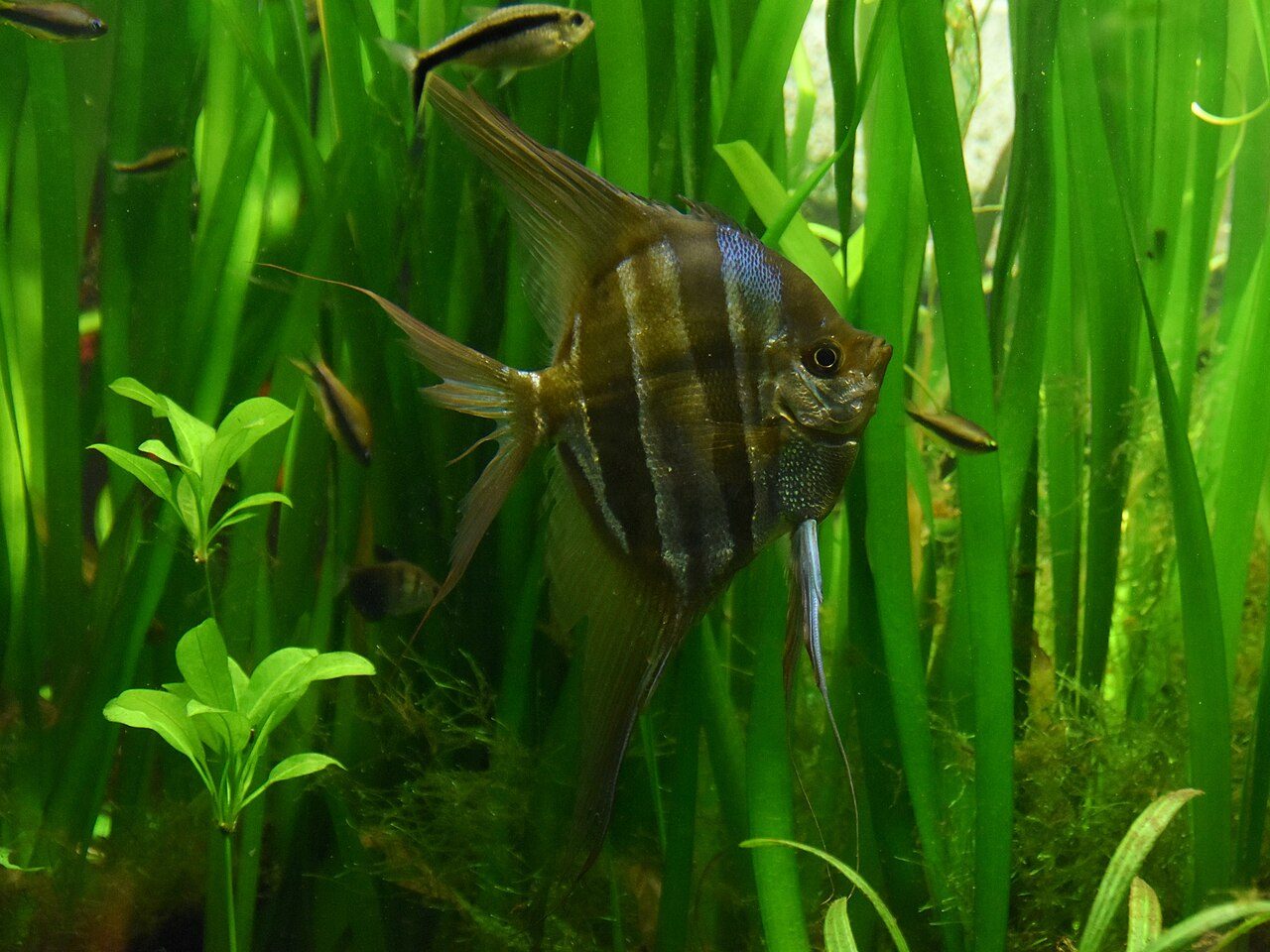
Common freshwater angelfish (Pterophyllum scalare) typically grow to 6 inches in length and up to 8–10 inches in height. Rare Altum angelfish can reach a massive vertical fin span of over 12–15 inches.
Freshwater angelfish are often the “crown jewels” of a community tank, but many new keepers are surprised by just how much space these majestic fish require. When I first started keeping these members of the Cichlidae family over a decade ago, I underestimated how quickly a tiny, nickel-sized juvenile could transform into a towering adult.
Knowing how big do angelfish get is more than just a matter of curiosity; it is a fundamental part of responsible fish keeping. If you don’t plan for their eventual vertical fin span, you risk stunted growth and a shortened lifespan for your aquatic companions.
In this guide, I will draw on my years of experience to break down the growth potential of different species, the environmental factors that dictate their size, and how you can make sure your fish reach their full, glorious potential.
Pro Tip: Never buy an angelfish based on its size in the pet store tank. Most “small” angelfish for sale are only a few months old and will double in size within their first year of life.
At a glance: Freshwater angelfish (Pterophyllum scalare)
- Temperature
- 76–84°F (24–29°C)
- Water pH
- 6.0–7.5
- Adult size
- 6 in long, 8 in tall (15 × 20 cm)
- Minimum tank
- 30 gal for a pair, 55 gal tall for a group
- Group size
- Pair or group of 5+
- Temperament
- Semi-aggressive, territorial when breeding
- Diet
- Omnivore: pellets, flakes, frozen bloodworm and brine shrimp
- Lifespan
- 10–12 years
Keeper’s tip: Choose a tall tank; height matters more than length for a fish that grows taller than it is long.
The Three Main Species and Their Size Potential
Not all angelfish are created equal when it comes to their ultimate dimensions. While most hobbyists encounter the common Pterophyllum scalare, there are actually three distinct species found in the wild, each with its own growth trajectory.
Understanding these differences is the first step in determining if your current setup can accommodate them. Let’s look at the specific measurements for the most common species found in the hobby today.
| Species Name | Common Name | Standard Length (Body) | Total Height (With Fins) |
|---|---|---|---|
| Pterophyllum scalare | Common Angelfish | 6 Inches | 8 – 10 Inches |
| Pterophyllum altum | Altum Angelfish | 7 – 8 Inches | 12 – 15+ Inches |
| Pterophyllum leopoldi | Leopold’s Angelfish | 4 – 5 Inches | 5 – 6 Inches |
Pterophyllum scalare: The Hobby Standard
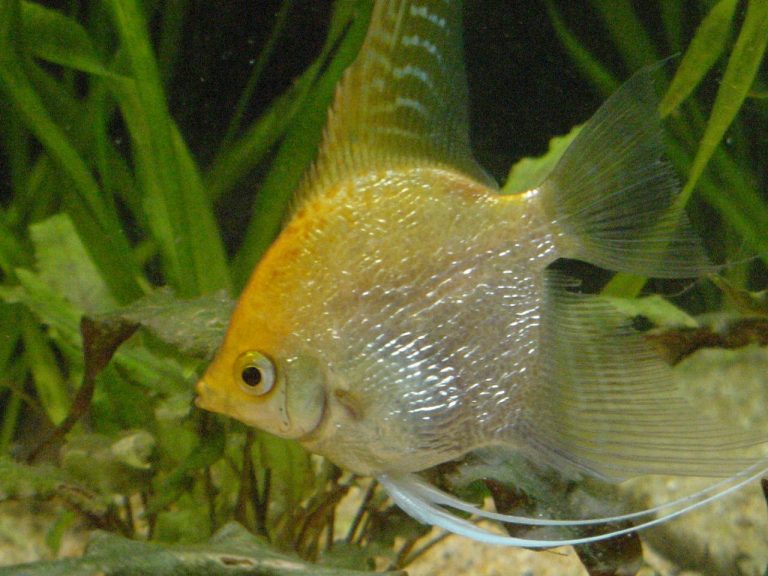
This is the species you will find in almost every local fish store. Because they have been captive-bred for decades, they are hardy and adaptable, but they still maintain a significant standard length of about 6 inches.
Their dorsal fin extension and long ventral fins mean they need a tank that is much taller than it is wide. In my experience, a well-fed P. scalare can easily reach the size of a small dinner plate when its fins are fully extended.
Pterophyllum altum: The Deep-Bodied Giant
If you are asking how big do angelfish get because you want the largest possible specimen, the Altum is your answer. These are the true giants of the genus, hailing from the Orinoco River basin.
They are notoriously difficult to keep and require very specific water parameters. However, their sheer vertical presence is unmatched, often requiring custom-built tall aquariums to prevent their fins from dragging on the substrate.
Pterophyllum leopoldi: The “Teacup” Angelfish
The Pterophyllum leopoldi is the smallest and most aggressive of the three species. It lacks the dramatic vertical height of its cousins and stays relatively compact.
While they are smaller, they still require plenty of swimming room. Do not let their reduced size fool you into thinking they can live in a “nano” tank; they are still active cichlids that need territory.
Environmental Factors: How Big Do Angelfish Get in Captivity?
The environment you provide plays a massive role in whether your fish reaches its genetic potential or suffers from stunting. Stunting occurs when a fish’s external growth is halted due to poor conditions, while its internal organs continue to grow, leading to a painful and premature death.
In my years of consulting for fellow hobbyists, I’ve noticed that water quality and tank volume are the two biggest predictors of size. Let’s look at the specific variables you need to control.
The Role of Tank Height and Volume
Because of their unique body shape, angelfish require tank height more than almost any other common tropical fish. A standard 20-gallon “long” tank might have enough volume, but it is far too shallow for an adult angelfish.
When a tank is too shallow, the fish cannot fully extend its fins. This leads to permanent curling of the dorsal fin extension and can even cause skeletal deformities over time.
I always recommend a minimum of 30 gallons for a single pair of P. scalare, but 55 gallons or more is much better. For Altums, I wouldn’t suggest anything less than a 24-inch tall aquarium.
Water Chemistry and Nitrate Concentration
High nitrate concentration is a silent growth inhibitor in the aquarium. While fish can survive in moderately high nitrates, their growth rate will slow down significantly.
In my personal tanks, I aim to keep nitrates below 20 ppm through consistent water changes and heavy planting. This mimics the clean, flowing waters of their native Amazonian habitats.
When water quality is pristine, the fish can devote all its energy to growth rather than fighting off the stress caused by poor chemistry. This is often the “secret” to those massive, show-quality specimens you see in competitions.
Common Mistake: Many beginners believe that fish only grow to the size of their tank. This is a myth; the fish simply stops growing externally while its health declines internally, leading to a much shorter lifespan.
Diet and Nutrition for Maximum Growth
To reach their maximum size, angelfish need a diet that is rich in protein and varied in nutrients. In the wild, they are opportunistic carnivores, eating small insects, larvae, and even smaller fish.
If you only feed your fish basic flakes, you likely won’t see them reach their full 8-to-10-inch height. I’ve found that a “rotation” diet works best for promoting healthy development.
High-Protein Staples
Start with a high-quality pellet or flake specifically formulated for cichlids. These contain the essential vitamins and minerals that support bone and fin development.
Frozen and Live Foods
I highly recommend supplementing with frozen bloodworms, brine shrimp, and mysis shrimp. These provide the “fuel” needed for rapid growth during the juvenile stages.
If you have the resources, live foods like blackworms can trigger a significant growth spurt. Just be sure to source live foods from reputable suppliers to avoid introducing parasites into your system.
Growth Rate: What to Expect Over Time
One of the most common questions I get is, “How long will it take for my angelfish to get big?” Angelfish are relatively fast growers in their first year of life.
If you provide best conditions, a juvenile angelfish can grow from the size of a coin to nearly full length in about 12 to 18 months. After this point, their growth slows down, but they will continue to “bulk up” and develop longer fin filaments for several years.
You can check out our angelfish care guide for more details on managing these life stages. Understanding the timeline helps you plan for tank upgrades before the fish becomes cramped.
Compatibility and the “Size Rule”
As your angelfish grows, its relationship with its tank mates will change. A common issue is that people keep them with small fish like Neon Tetras, only to find the tetras missing once the angelfish reaches its 6-inch adult size.
It is a general rule in the hobby: if a fish can fit in another fish’s mouth, it eventually will. This is especially true for cichlids.
When considering how big do angelfish get, you must also consider the size of their companions. For instance, knowing how big do neon fish get is important, as they rarely exceed 1.5 inches, making them a perfect snack for a large adult angelfish.
Recommended Tank Mates
- Rummy Nose Tetras: These are fast enough and grow large enough to usually avoid being eaten.
- Corydoras Catfish: These bottom dwellers stay out of the angelfish’s vertical swimming space.
- Larger Tetra Species: Check out our guide on large tetra species for some excellent, size-compatible options.
Common questions
How big do angelfish get in a 20-gallon tank?
An angelfish will still attempt to grow to its full 6-inch length in a 20-gallon tank, but it will likely suffer from stunted fins and stress-related illnesses. I do not recommend keeping adult angelfish in anything smaller than a 30-gallon “tall” tank.
Can angelfish live with shrimp?
Generally, no. As angelfish grow, they become very adept hunters. Most ornamental shrimp, like Cherry Shrimp, will be eaten once the angelfish reaches its sub-adult stage.
Do different colors of angelfish grow to different sizes?
Most color morphs, like Koi or Marble, are variations of Pterophyllum scalare and will grow to the same standard size. However, some highly inbred “veiltail” varieties may have longer fins but slightly smaller, weaker bodies.
How can I tell if my angelfish is stunted?
A stunted angelfish often has eyes that look disproportionately large for its body. You may also notice that the body is thin or “pinched” looking, and the fins may be brittle or permanently bent.
Is my angelfish freshwater or saltwater?
Angelfish in the aquarium hobby are almost always freshwater cichlids from the Amazon. While there are marine angelfish, they are a completely different family and require saltwater setups. You can read more in our guide on freshwater vs saltwater angelfish.
A last word
Understanding how big do angelfish get is the key to transitioning from a beginner to a successful intermediate aquarist. These fish are not just “decorations” but living creatures that require significant vertical space and high-quality care to stay healthy.
If you provide a tall tank, maintaining low nitrates, and offering a diverse diet, you can help your Pterophyllum species reaches its full, majestic size. Seeing a full-grown Altum or Scalare with a perfect vertical fin span is one of the most rewarding sights in the entire hobby.
Remember to always plan for the adult fish, not the juvenile you see in the store. Your fish will thank you with years of vivid color and graceful movement in your home aquarium.

- 2003First tank
- 20+Years keeping
- 40+Tanks kept
- 0Sponsored picks
Howard set up his first 10-gallon planted tank in 2003 and lost half of it within six weeks. Two decades and more than forty aquariums later, he writes the guides he wished he had then: clear numbers, the reasons behind them, and what actually goes wrong in home tanks.