Why Is It Called An Angelfish? Discovering The Secrets
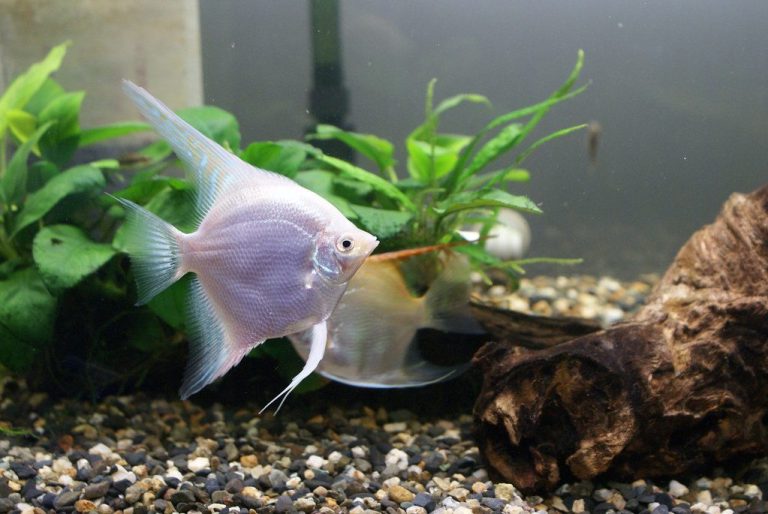
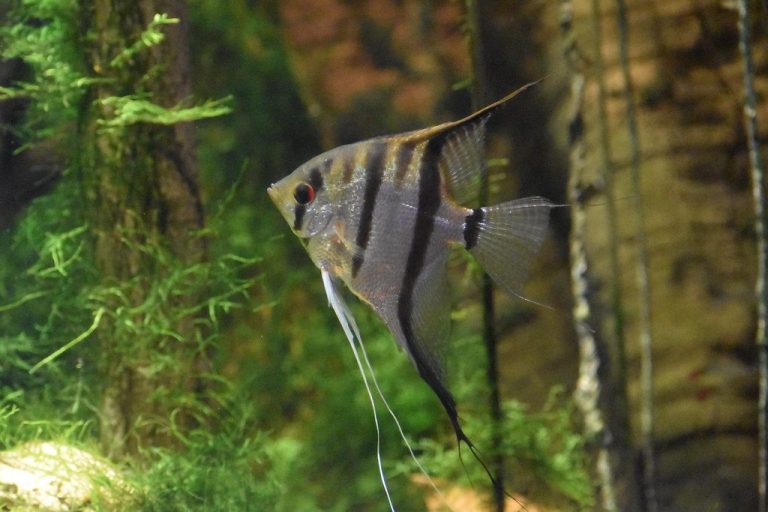
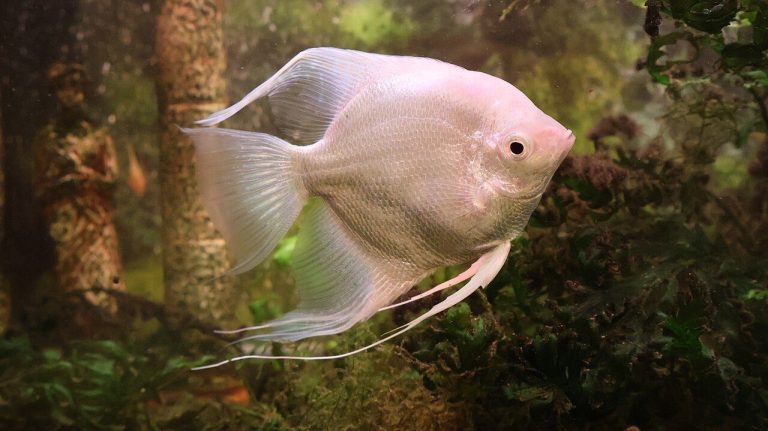
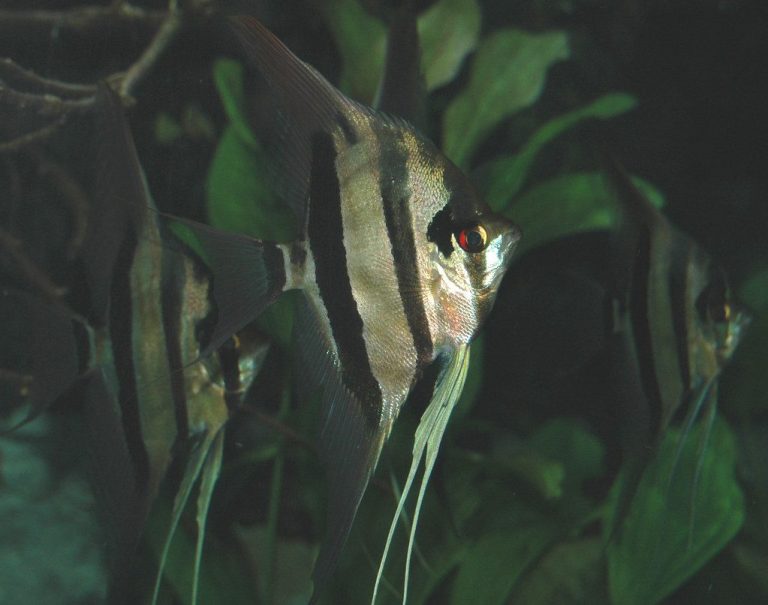
The name “angelfish” is derived from the fish’s unique, laterally compressed body and elongated dorsal and anal fins, which resemble the wings of an angel. Scientifically, their genus name Pterophyllum also translates to “winged leaf.”
When you first step into a local fish store, your eyes are almost always drawn to the majestic, triangular silhouettes gliding through the water. These creatures possess an elegance that few other species can match, moving with a poise that seems almost celestial.
In my decade of keeping various Cichlidae, I have often found myself mesmerized by their slow, deliberate movements. It is no wonder that hobbyists and scientists alike landed on a name that evokes such beauty.
But the story behind the name goes much deeper than just a pretty face. To understand why is it called an angelfish, we have to look at their biology, their scientific classification, and how they survive in the wild.
At a glance: Freshwater angelfish (Pterophyllum scalare)
- Temperature
- 76–84°F (24–29°C)
- Water pH
- 6.0–7.5
- Adult size
- 6 in long, 8 in tall (15 × 20 cm)
- Minimum tank
- 30 gal for a pair, 55 gal tall for a group
- Group size
- Pair or group of 5+
- Temperament
- Semi-aggressive, territorial when breeding
- Diet
- Omnivore: pellets, flakes, frozen bloodworm and brine shrimp
- Lifespan
- 10–12 years
Keeper’s tip: Choose a tall tank; height matters more than length for a fish that grows taller than it is long.
The Scientific Roots: Pterophyllum and the Winged Leaf
The most direct answer to the question of their naming lies in their scientific genus, Pterophyllum. This name is derived from the Greek words “pteron,” meaning wing, and “phyllon,” meaning leaf.
This name perfectly describes their physical appearance in the Amazon River Basin. When viewed from the side, their extremely thin bodies look like a leaf floating in the current, while their fins extend like delicate wings.
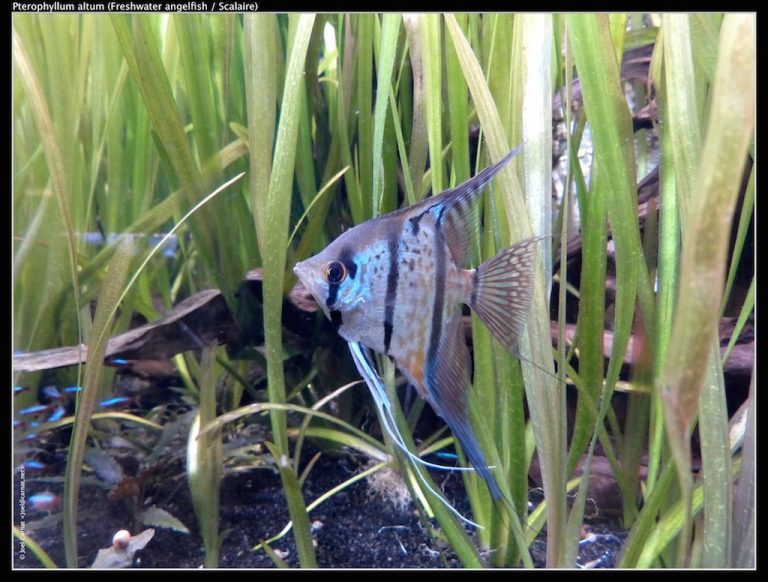
Most hobbyists are familiar with Pterophyllum scalare, the most common species in the trade. However, the genus also includes the Pterophyllum altum, known for its even more dramatic fin extension and impressive height.
Pro Tip: When choosing your first specimens, look for “tall” tanks rather than “long” ones. Because of their dorsal fin elongation and anal fin extension, these fish need vertical space to prevent their fins from dragging or becoming stunted.
Why Is It Called An Angelfish? The Visual Interpretation
The common name “angelfish” is a classic example of descriptive naming in Osteichthyes (bony fish). The primary reason for the name is the dramatic lateral compression of their bodies combined with their majestic fins.
When an angelfish is in full display, its dorsal and anal fins create a large, triangular shape. To early explorers and naturalists, these fins looked remarkably like the outstretched wings of a cherub or angel.
This “winged” appearance is not just for show; it serves a vital purpose in their natural habitat. Their thin profile allows them to slip between submerged tree roots and thick vegetation with ease, hiding from predators.
The Role of Lateral Compression and Vertical Camouflage
To understand the “why” behind the name, we must also understand how they survive in the wild. Their flat, leaf-like shape provides vertical camouflage among the reeds and roots of the Amazon.
By staying thin and tall, they can disappear almost instantly when viewed from the front or back. This makes it difficult for larger predators to lock onto them as a target.
In my experience, watching an angelfish turn 90 degrees and “vanish” against a backdrop of Vallisneria plants is one of the coolest sights in the hobby. This survival strategy is exactly what led to the physical traits that gave them their angelic name.
| Feature | Biological Purpose | Contribution to Name |
|---|---|---|
| Lateral Compression | Hiding in narrow crevices and plants. | Creates the “thin leaf” profile. |
| Dorsal Fin Elongation | Stability and social signaling. | Forms the upper half of the “wing.” |
| Anal Fin Extension | Precise movement and maneuvering. | Forms the lower half of the “wing.” |
| Ventral Pelvic Fins | Sensory feelers for navigation. | Adds to the graceful, “ethereal” look. |
Freshwater vs. Marine: A Tale of Two Angels
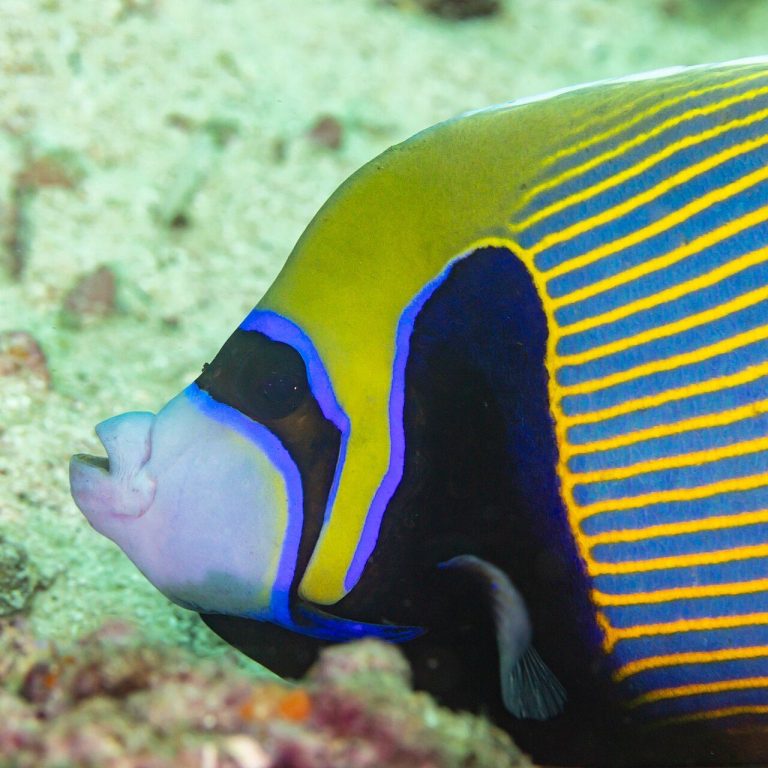
It is important to note that the name is shared by two very different groups of fish. While we are focusing on the South American cichlids, there are also marine angelfish belonging to the family Pomacanthidae.
The marine versions are often more colorful, but they share that same majestic, disc-like body shape. If you are wondering are angelfish freshwater or saltwater fish, the answer is actually both, depending on which family you are looking at.
However, the freshwater variety is what most people think of when they hear the term in a home aquarium context. Their unique “winged leaf” shape remains the defining characteristic that separates them from other common tropical fish.
The Irony of the Name: Angelic Looks, Cichlid Personality
While the name suggests a peaceful, heavenly creature, any experienced keeper will tell you that they are still members of the cichlid family. This means they can have a bit of a “devilish” side, especially during spawning.
In my early years, I made the mistake of thinking their graceful swimming meant they were harmless to smaller tank mates. I quickly learned that an adult angelfish will happily snack on small neon tetras if given the chance.
The name “angelfish” refers strictly to their appearance, not necessarily their temperament. They are intelligent, territorial, and highly protective parents, which are all hallmarks of the Cichlidae family.
Common Mistake: Do not keep angelfish with very small, “bite-sized” fish like young shrimp or tiny rasboras. As the angelfish grows, its natural predatory instincts will kick in, regardless of its “angelic” name.
Evolutionary History and Taxonomy
The journey of why is it called an angelfish also takes us back to the early 1800s. The first species was described by Hinrich Lichtenstein in 1823, though it was originally placed in a different genus.
Over time, as taxonomists studied their unique skeletal structure, the genus Pterophyllum was established. This solidified the “winged” theme in both their common and scientific identities.
Their evolution in the slow-moving waters of South America favored this tall, thin shape. This allowed them to occupy a niche that other, more tubular fish could not, further cementing their unique visual identity.
Understanding the Different Species
When discussing why is it called an angelfish, it helps to recognize that not all of them look exactly the same. There are three primary species recognized by science today, each with varying degrees of that “angelic” shape.
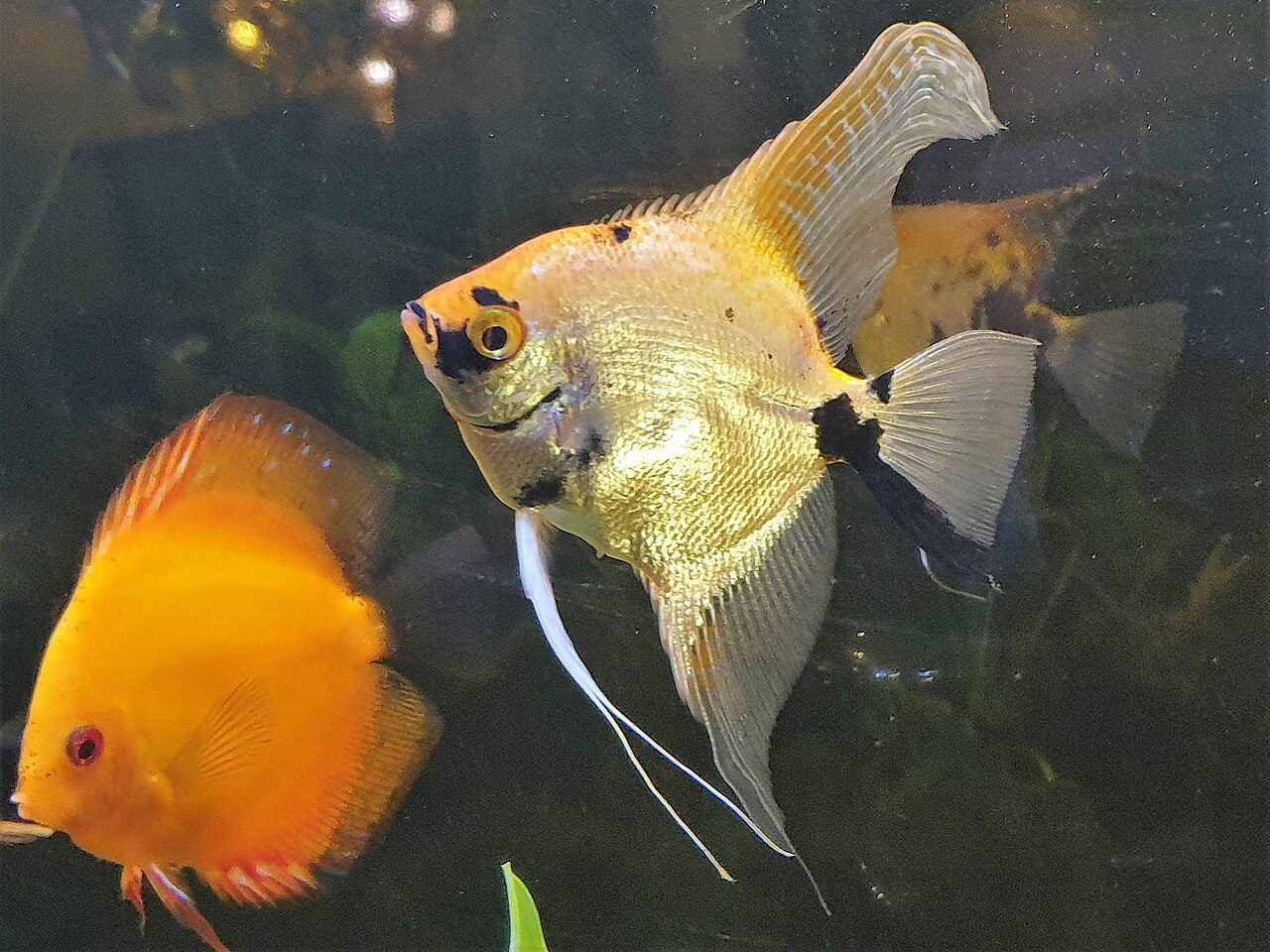
Pterophyllum scalare is the standard “angel” we see in pet stores. They are hardy, adaptable, and come in many color variations like marble, gold, and koi.
Pterophyllum altum is the giant of the group, often reaching heights of over 12 inches. They possess a very deep “notch” above their snout, making their winged profile even more dramatic.
Finally, Pterophyllum leopoldi is the smallest and rarest in the hobby. They have a more elongated body and are often called the “teardrop” or “long-nosed” angelfish. You can learn more about these variations in our angelfish species guide.
How the Name Influences Their Care
The very reason why is it called an angelfish—their long, flowing fins—is also the reason they require specific care. Those “wings” are delicate and can be easily nipped by aggressive tank mates.
Fish like Tiger Barbs or certain Serpae Tetras are notorious for “fin nipping.” In a tank with angelfish, these nippers can cause significant stress and lead to secondary infections like fin rot.
To keep your “angels” looking their best, you must choose tank mates that respect their space. If you want to dive deeper into creating the perfect environment, check out our comprehensive angelfish care guide for expert advice.
Questions and answers
Are angelfish actually peaceful?
They are generally peaceful compared to other cichlids, but they are still semi-aggressive. They become very territorial when breeding and may bully smaller fish that enter their space.
Why do they have such long fins?
Their long fins help them maneuver precisely in the slow-moving, cluttered waters of the Amazon. They also use their fins for social signaling and to appear larger to potential predators.
What is the difference between a “wing” and a “fin” in this context?
Biologically, they are fins. However, because of their vertical orientation and triangular shape, they functionally and visually resemble wings, which is why the name stuck.
Can I keep angelfish with goldfish?
No, this is not recommended. Angelfish are tropical fish that require warm water (78-82°F), while goldfish prefer much cooler temperatures. Their temperaments also do not align well.
Do all angelfish look like wings?
While the basic triangular shape is common to the genus, selective breeding has created variations like “Veil” angelfish, which have even longer, more flowing fins that look like silk ribbons.
Where that leaves you
The question of why is it called an angelfish finds its answer in a beautiful blend of Greek etymology and striking physical biology. From the “winged leaf” description of Pterophyllum to the majestic “angelic” silhouette they cast in our aquariums, the name is perfectly suited.
They bring a sense of grace and vertical interest to the tank that is unique in the freshwater world.
Once you understand the history and biology behind their name, we can better appreciate the specific needs of these “kings of the aquarium.” Always keep in mind that behind those angelic wings lies the heart of a clever, capable cichlid.

- 2003First tank
- 20+Years keeping
- 40+Tanks kept
- 0Sponsored picks
Howard set up his first 10-gallon planted tank in 2003 and lost half of it within six weeks. Two decades and more than forty aquariums later, he writes the guides he wished he had then: clear numbers, the reasons behind them, and what actually goes wrong in home tanks.