What Is An Angelfish? The Complete Guide To The Amazon’s Majestic
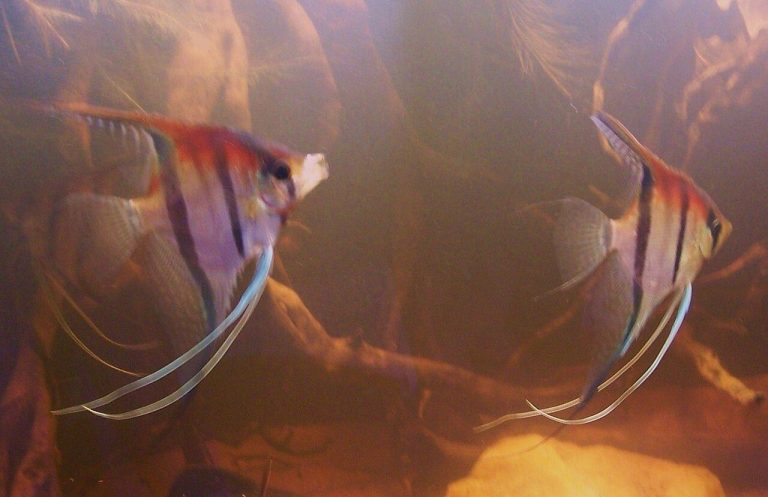
An angelfish is a freshwater cichlid native to the Amazon Basin, characterized by a unique diamond-shaped body and long, flowing fins. They are popular, semi-aggressive tropical fish known for their intelligence and majestic appearance.
When you walk into a local fish store, your eyes are almost certainly drawn to a tall, elegant fish gliding effortlessly through the water. You might find yourself asking, what is an angelfish and why does it look so different from the typical torpedo-shaped fish?
In my fifteen years of maintaining tropical tanks, I have found that few species command as much attention as these graceful South Americans. They are the undisputed “Kings” of the community aquarium, offering a blend of beauty and complex personality that is hard to match.
Understanding what is an angelfish involves more than just recognizing their shape; it requires an appreciation for their biology, their lineage, and their specific needs in a home environment. Let’s look closely at these remarkable creatures to see if they are the right fit for your next aquatic project.
At a glance: Freshwater angelfish (Pterophyllum scalare)
- Temperature
- 76–84°F (24–29°C)
- Water pH
- 6.0–7.5
- Adult size
- 6 in long, 8 in tall (15 × 20 cm)
- Minimum tank
- 30 gal for a pair, 55 gal tall for a group
- Group size
- Pair or group of 5+
- Temperament
- Semi-aggressive, territorial when breeding
- Diet
- Omnivore: pellets, flakes, frozen bloodworm and brine shrimp
- Lifespan
- 10–12 years
Keeper’s tip: Choose a tall tank; height matters more than length for a fish that grows taller than it is long.
What is an angelfish? Defining the King of the Aquarium
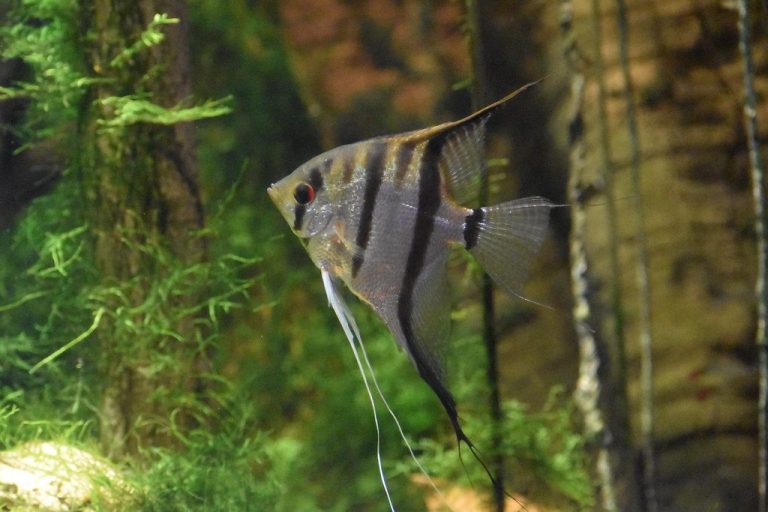
To provide a technical answer, an angelfish is a member of the Cichlidae family, specifically belonging to the genus Pterophyllum. Unlike many other cichlids that are bulky or bottom-dwelling, angelfish have evolved a striking lateral compression.
This thin, disc-like body shape allows them to handle through dense submerged roots and aquatic plants in their natural habitat. In the wild, this shape is a survival mechanism, helping them hide from predators among the vertical shadows of the rainforest.
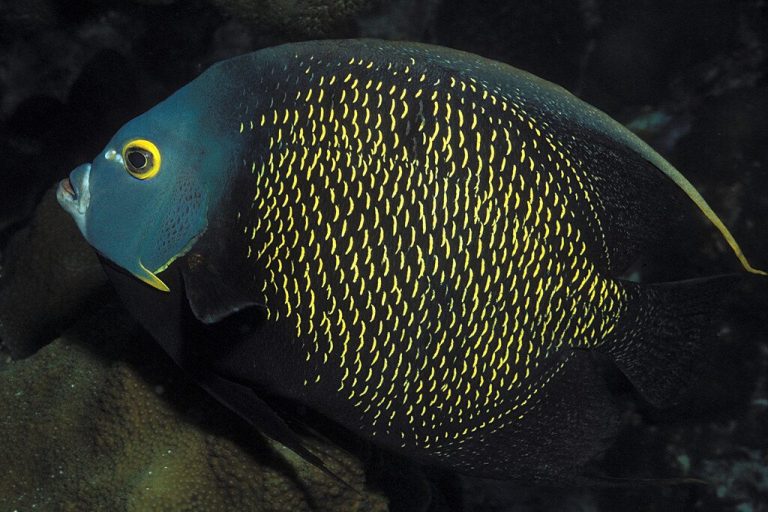
While there are many “angelfish” in the ocean, the ones we keep in our homes are strictly freshwater inhabitants. If you are curious about the differences between these and their marine cousins, you might want to learn more about whether they are freshwater vs saltwater species.
Pro Tip: When choosing your first angelfish, look for “standard” silver or marble varieties if you are a beginner. These tank-bred lines are often much hardier than the high-end wild-caught specimens or extreme long-fin varieties.
The Biological Origins: Family Cichlidae and the Amazon Basin
The story of the angelfish begins in the vast river systems of South America, primarily the Amazon River and its tributaries. These waters are often stained the color of tea due to the presence of humic substances released by decaying organic matter.
These substances create a soft, acidic environment that has shaped the evolution of the angelfish for millennia. Within the genus Pterophyllum, there are three recognized species that scientists and hobbyists distinguish between.
Understanding these species is key because their care requirements and adult sizes can vary significantly. Most fish found in pet stores today are hybrids of the common species, bred over generations for color and fin shape.
The Three Distinct Species
The most common species you will encounter is Pterophyllum scalare. This species is the ancestor of almost all the ornamental color strains we see in the hobby today, from Kois to Platinums.
The second species is Pterophyllum altum, often called the Altum Angelfish. These are the giants of the genus, reaching incredible heights and requiring specialized care due to their sensitivity to water chemistry.
Finally, there is Pterophyllum leopoldi, the smallest and arguably the most aggressive of the three. It is much rarer in the hobby and is distinguished by a “teardrop” shape and a dark spot on the dorsal fin.
Physical Characteristics and Anatomy
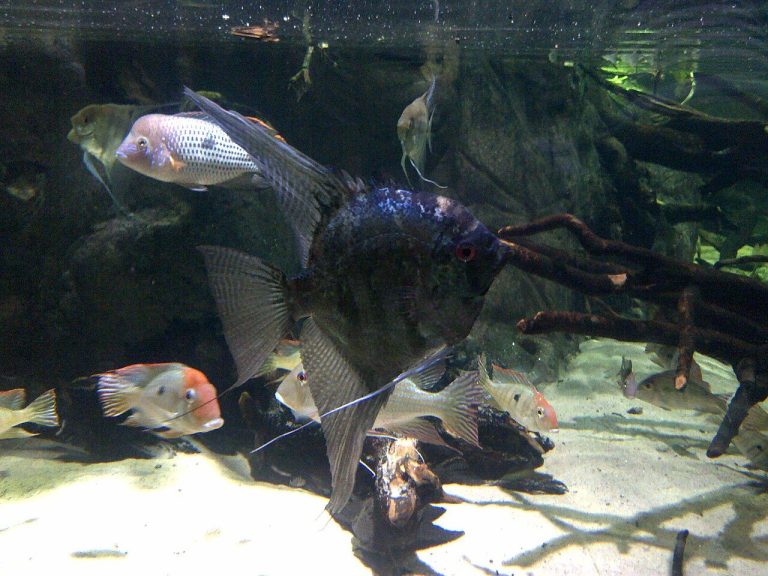
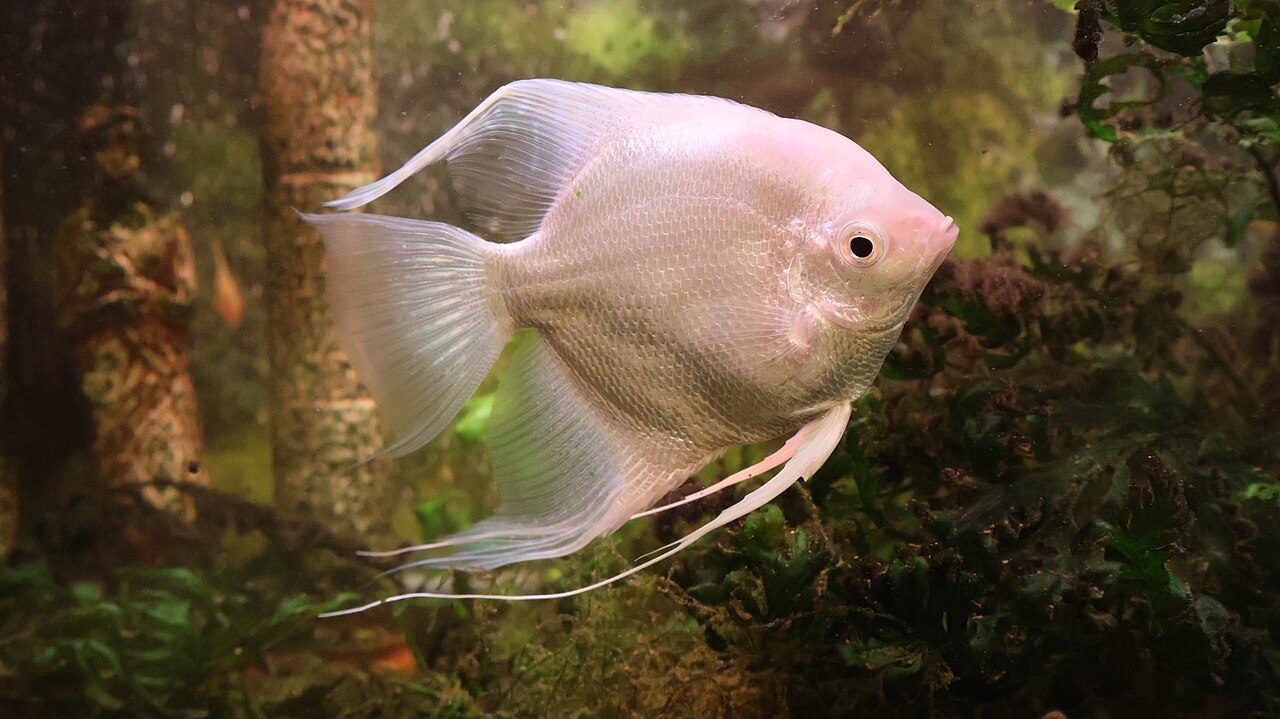
The most defining physical trait of an angelfish is its height. Because of their long dorsal and anal fins, a fully grown adult can be significantly taller than it is long.
This unique anatomy means that standard “long” tanks are often unsuitable for them. They require vertical space to prevent their fins from dragging on the substrate or being cramped at the surface.
Their eyes are also quite large relative to their body size, providing excellent vision for hunting small crustaceans and insects. This keen eyesight also makes them very responsive to their owners, often “begging” for food at the front glass.
| Characteristic | Description |
|---|---|
| Body Shape | Laterally compressed (thin and flat) |
| Maximum Height | Up to 10-12 inches (Scalare) or 15+ inches (Altum) |
| Lifespan | 10 to 15 years with proper care |
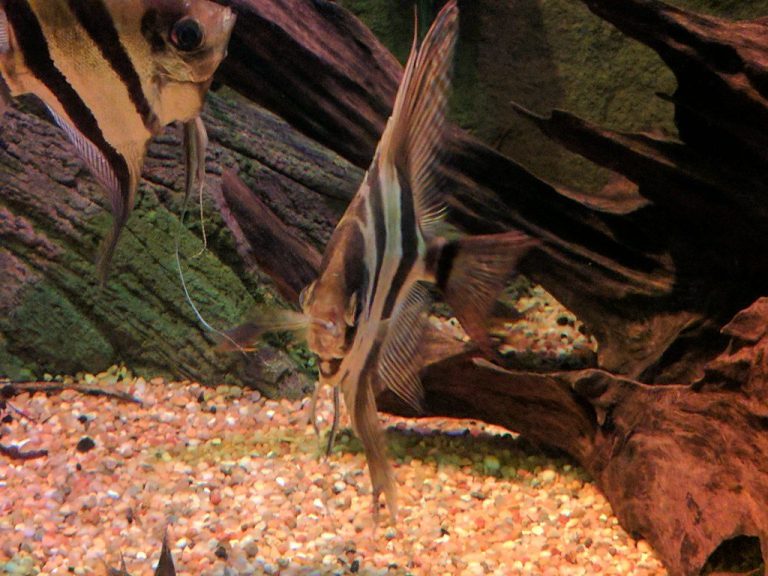
| Coloration | Silver with black bars (wild), Gold, Marble, Black, Koi (domestic) |
Ideal Tank Setup and Water Parameters
When people ask what is an angelfish tank requirement, the first word I use is “tall.” A standard 29-gallon tank is the absolute minimum for a single pair, but a 55-gallon or larger is much better for a small group.
Water chemistry is another vital factor to consider. Coming from the Amazon, these fish prefer soft water with a low carbonate hardness.
While modern tank-bred angelfish are adaptable, keeping them in very hard water can lead to stress and a weakened immune system over time. I always recommend using driftwood and Indian Almond leaves to introduce beneficial tannins into the water.
Pro Tip: Avoid high-flow filters that create a “whirlpool” effect. Because of their flat bodies, angelfish struggle to swim against strong currents and will become exhausted and stressed.
For those looking for a comprehensive roadmap to success, I highly recommend checking out our guide on maintaining a healthy environment for these fish. It covers everything from filtration to plant selection.
The behavior of an angelfish is often misunderstood. They are frequently sold as “community fish,” but we must remember they are cichlids.
They are generally peaceful when young, but as they mature and reach sexual maturity, they become territorial. This is especially true if a pair forms within the group; they will fiercely defend their chosen corner of the tank.
They also follow a strict social hierarchy. You will often see a “dominant” fish who claims the best feeding spot and the most comfortable hiding place among the plants.
Choosing the Right Tank Mates
Because they are opportunistic predators, the rule of thumb is: “If it fits in their mouth, it is food.” This means tiny shrimp and small tetras like Neons are often at risk once the angelfish reaches adult size.
Ideal tank mates include larger tetras (like Rummy Nose or Bleeding Heart), Corydoras catfish, and peaceful dwarf cichlids. Avoid “fin-nippers” like Tiger Barbs, as the long, trailing fins of the angelfish are an irresistible target for them.
Diet, Nutrition, and Feeding Habits
In the wild, angelfish are omnivores with a carnivorous leaning. They spend their days picking at larvae, small insects, and tiny fish fry.
In the aquarium, they are not picky eaters. However, to see their best colors and ensure long-term health, a varied diet is essential.
I prefer a high-quality flake or pellet as a staple, supplemented with frozen foods. Bloodworms, brine shrimp, and mysis shrimp are excellent choices that provide the protein needed for growth.
Common Health Challenges and Prevention
Even with the best care, angelfish can fall victim to certain ailments. Two of the most common issues are Hexamita and Ichthyophthirius multifiliis.
Hexamita, often called “Hole-in-the-Head” disease, is a parasitic infection that can cause pits to form on the fish’s face and lateral line. This is often linked to poor water quality or a lack of essential minerals in the diet.
Ichthyophthirius multifiliis, commonly known as “Ich” or “White Spot Disease,” appears as small white grains on the fins and body. This is usually triggered by stress, often from sudden temperature fluctuations during water changes.
The Fascination of Substrate Spawning
One of the most rewarding aspects of making sure these fish is witnessing their breeding behavior. Angelfish are substrate spawning cichlids, meaning they lay their eggs on a flat surface rather than carrying them in their mouths.
In the aquarium, they often choose a broad plant leaf, a piece of driftwood, or even the filter intake pipe. Both parents are remarkably dedicated, fanning the eggs with their fins to provide oxygen and defending the site from any intruders.
Watching a pair work together to clean the site and then carefully guard the wrigglers is a masterclass in fish behavior. It is one of the primary reasons many hobbyists become lifelong fans of the species.
Quick answers
How big do angelfish actually get? Most common angelfish (P. scalare) will reach a body length of about 6 inches, but their height can reach 8 to 10 inches including their fins. Altum angelfish can grow much larger, sometimes exceeding 15 inches in total height.
Can I keep just one angelfish? Yes, you can keep a single angelfish. In fact, if you have a smaller tank (around 30 gallons), keeping one is often better than keeping a pair that might fight or breed and become aggressive toward other tank mates.
Why is my angelfish turning pale? Angelfish often “mute” their colors when they are stressed, sleeping, or if the water quality is poor. If your fish is pale during the day, check your ammonia and nitrite levels immediately, as this is a common sign of environmental stress.
Do angelfish need live plants? While not strictly required, they highly benefit from them. Plants like Amazon Swords and Jungle Val provide natural hiding spots and spawning surfaces that mimic their wild habitat perfectly.
A closing note
So, what is an angelfish? It is more than just a decorative addition to a glass box. It is a complex, intelligent, and visually striking representative of the Amazon’s rich biodiversity.
Whether you are drawn to them for their graceful swimming or their unusual social dynamics, they offer a rewarding experience for any dedicated aquarist. If you provide them with a tall tank, clean water, and a varied diet, you can enjoy the “King of the Aquarium” for many years to come.
Remember that success with angelfish starts with patience. Observe their behavior, respect their territorial nature, and they will undoubtedly become the centerpiece of your aquatic home.

- 2003First tank
- 20+Years keeping
- 40+Tanks kept
- 0Sponsored picks
Howard set up his first 10-gallon planted tank in 2003 and lost half of it within six weeks. Two decades and more than forty aquariums later, he writes the guides he wished he had then: clear numbers, the reasons behind them, and what actually goes wrong in home tanks.