Are Angelfish Cichlids? Everything You Need To Know
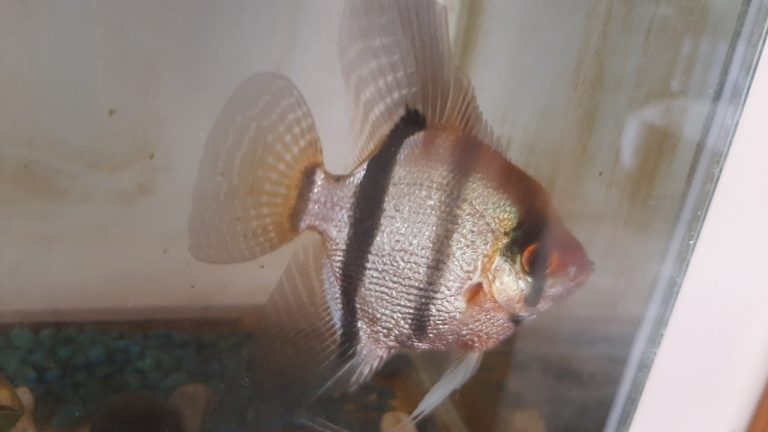
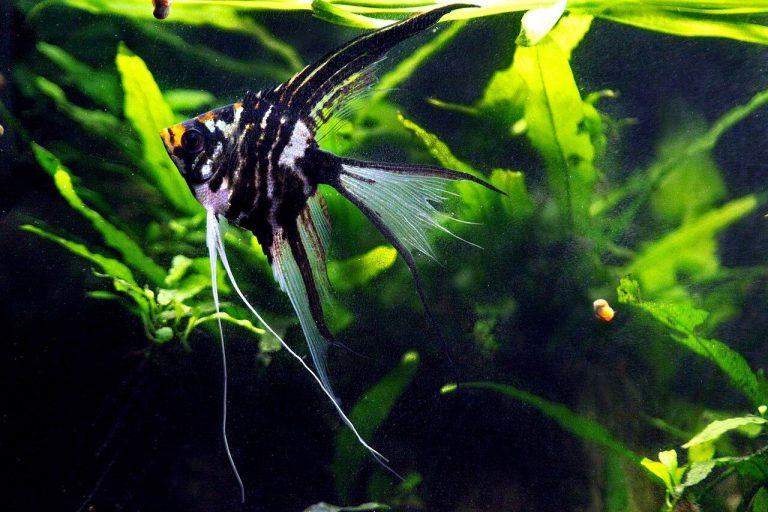
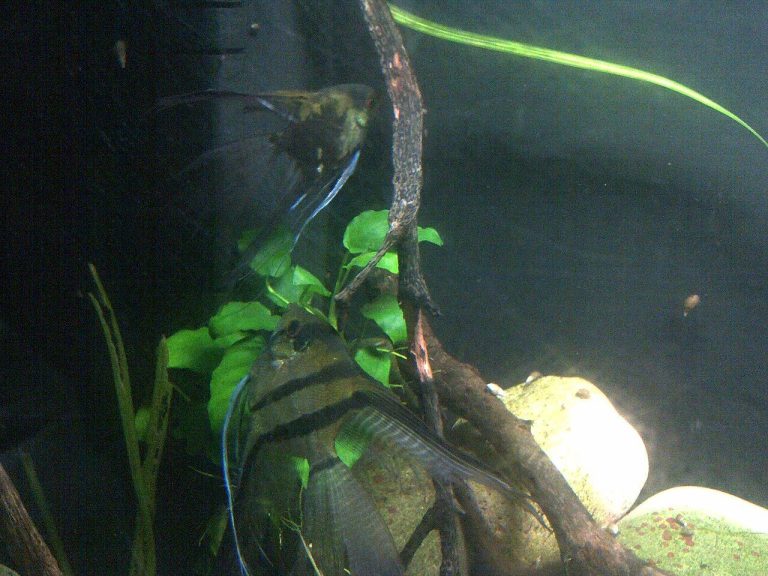
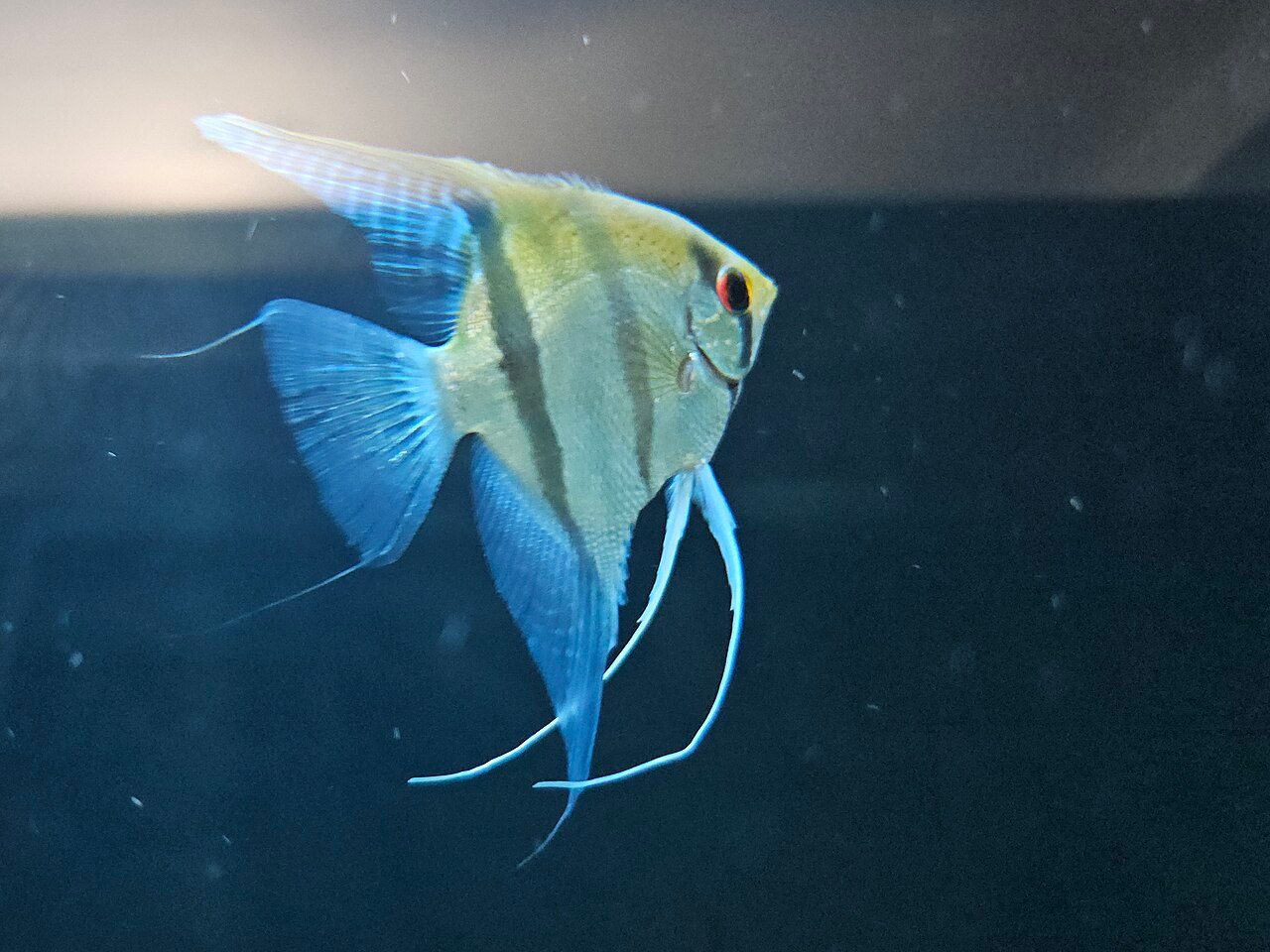
Yes, angelfish are members of the Cichlidae family. Specifically, freshwater angelfish belong to the genus Pterophyllum, making them true South American cichlids known for their unique disk-shaped bodies and advanced parental care behaviors.
When you look at the graceful, triangular silhouette of an angelfish gliding through a planted tank, “aggressive cichlid” is usually the last thing that comes to mind.
Most beginners associate the term cichlid with the bulky, boisterous Oscar or the colorful, rocky-dwelling fish from Lake Malawi. However, if you have ever wondered are angelfish cichlids, the biological answer is a definitive yes.
In my experience, understanding their classification is the first step toward successfully managing their unique temperament and environmental needs. Over the last decade of keeping these “Kings of the Aquarium,” I have learned that while they look like royalty, they certainly act like cichlids when the lights go down.
At a glance: Freshwater angelfish (Pterophyllum scalare)
- Temperature
- 76–84°F (24–29°C)
- Water pH
- 6.0–7.5
- Adult size
- 6 in long, 8 in tall (15 × 20 cm)
- Minimum tank
- 30 gal for a pair, 55 gal tall for a group
- Group size
- Pair or group of 5+
- Temperament
- Semi-aggressive, territorial when breeding
- Diet
- Omnivore: pellets, flakes, frozen bloodworm and brine shrimp
- Lifespan
- 10–12 years
Keeper’s tip: Choose a tall tank; height matters more than length for a fish that grows taller than it is long.
Understanding the Classification: Are Angelfish Cichlids?
To understand why these fish are classified this way, we have to look past their long, flowing fins and focus on their internal anatomy. Angelfish belong to the family Cichlidae, which is one of the largest and most diverse families of fish in the world.
The primary reason are angelfish cichlids comes down to a specific anatomical feature: the pharyngeal jaws. This second set of jaws in the throat allows them to process food in ways other fish cannot, a hallmark of the cichlid family.
While they may look delicate, their lineage connects them to some of the hardiest and most intelligent fish in the hobby. This biological heritage explains why they exhibit such complex social structures and territorial behaviors.
The Genus Pterophyllum
Within the cichlid family, freshwater angelfish fall under the genus Pterophyllum. This name literally translates to “winged leaf,” which perfectly describes their laterally compressed bodies designed for working through thick river vegetation.
The most common species found in pet stores is Pterophyllum scalare. However, advanced hobbyists often seek out the Pterophyllum altum, or the Altum Angelfish, which is known for its massive size and more demanding care requirements.
Expert Pro-Tip: When selecting your first angelfish, I’ve noticed that starting with locally bred Pterophyllum scalare is much easier than jumping straight into wild-caught Altums. Wild-caught specimens often struggle with high carbonate hardness and require much more precise water chemistry to flourish.
Biological Traits That Define Them as Cichlids
It is not just about the jaws; it is about how they interact with their world. One of the most remarkable aspects of the lateral line system in angelfish is how it helps them detect vibrations and pressure changes in the water.
This system is highly developed in cichlids, allowing them to be expert hunters and aware of any intruders in their territory. If you have ever seen an angelfish suddenly dart toward a tank mate that got too close, you are seeing that cichlid instinct in action.
Furthermore, their body shape is a masterclass in evolution. Being thin allows them to hide among roots and plants, making them ambush predators—another common trait among many South American cichlid species.
The Role of Pharyngeal Jaws
As mentioned earlier, the pharyngeal jaws are the “smoking gun” of cichlid identification. These jaws allow angelfish to crush shells or grind up plant matter more efficiently than non-cichlid species.
This adaptation has allowed cichlids to colonize almost every freshwater niche on the planet. For the angelfish, it means they can enjoy a diverse diet ranging from small crustaceans to high-quality flake foods.
Once you understand their biology, you can better appreciate the different types of Pterophyllum available to hobbyists today. Each variety carries these same biological markers, regardless of their color or fin length.
If you have ever kept a group of angelfish, you know they are far from “peaceful” in the traditional sense. Like most cichlids, they establish a clear pecking order within the tank.
They use body language, such as flared fins and “lip locking,” to determine who is the dominant individual. This behavior is a classic sign that are angelfish cichlids at heart, as they constantly vie for the best territory.
In my experience, the aggression is most noticeable when they reach sexual maturity. A once-peaceful community tank can quickly become a battleground if a pair decides to claim a corner for themselves.
Common Mistake: Many beginners try to keep a single angelfish in a small tank to avoid aggression. I’ve found that this often leads to a shy, stressed fish; it is usually better to keep them in a group of 5 or 6 in a large enough tank to spread out any natural cichlid aggression.
Monogamous Pair Bonding
One of the most satisfying aspects of keeping cichlids is witnessing their monogamous pair bonding. Angelfish typically choose a mate and stay with them for life, or at least for several breeding seasons.
This bond is incredibly strong, and the pair will work together to defend their chosen spot from any intruders. They communicate through subtle movements and shared responsibilities, showing a level of intelligence rarely seen in other fish families.
Watching a pair hunt together or clean a spawning site is a clear demonstration of why these fish are so well-loved. Their social complexity is a direct result of their cichlid heritage.
The Unique Spawning Habits of Angelfish
Unlike many fish that scatter their eggs and forget them, angelfish are dedicated parents. They practice substrate spawning, meaning they will clean a flat surface—like a broad leaf or a piece of slate—to lay their eggs.
Once the eggs are laid, both parents will take turns fanning them with their fins to provide oxygen and prevent fungus. They will also fiercely attack anything that comes near the nest, including your hand during maintenance.
This level of parental care is a defining characteristic of the Cichlidae family. It helps keep a higher survival rate for the fry and is a unusual process to observe in a home aquarium.
Substrate Spawning vs. Mouthbrooding
While many African cichlids are mouthbrooders (carrying eggs in their mouths), South American cichlids like the angelfish prefer the substrate method. They are careful about keeping the spawning site clean.
I have often watched my pairs spend hours picking off tiny specks of debris from a leaf before the female ever lays an egg. This instinctual drive is what makes keeping these fish healthy and breeding them such a fulfilling challenge.
If the eggs hatch, the parents will move the “wigglers” to different locations to keep them safe from predators. This constant vigilance is exhausting for the fish but incredible for the keeper to witness.
Comparing Angelfish Species and Varieties
When people ask are angelfish cichlids, they are usually referring to the common freshwater varieties. However, it is important to distinguish between the different species within the genus to provide the best care.
The table below highlights the key differences between the most common species encountered in the hobby.
| Feature | Pterophyllum scalare | Pterophyllum altum | Pterophyllum leopoldi |
|---|---|---|---|
| Common Name | Common Angelfish | Altum Angelfish | Teardrop Angelfish |
| Max Height | 6 – 8 inches | Up to 12+ inches | 5 inches |
| Difficulty | Beginner – Intermediate | Expert | Intermediate |
| Temperament | Semi-aggressive | Peaceful but shy | Most aggressive |
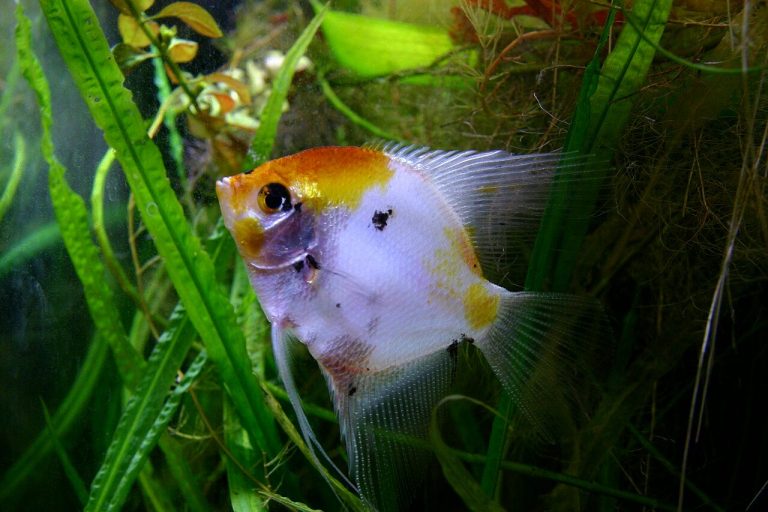
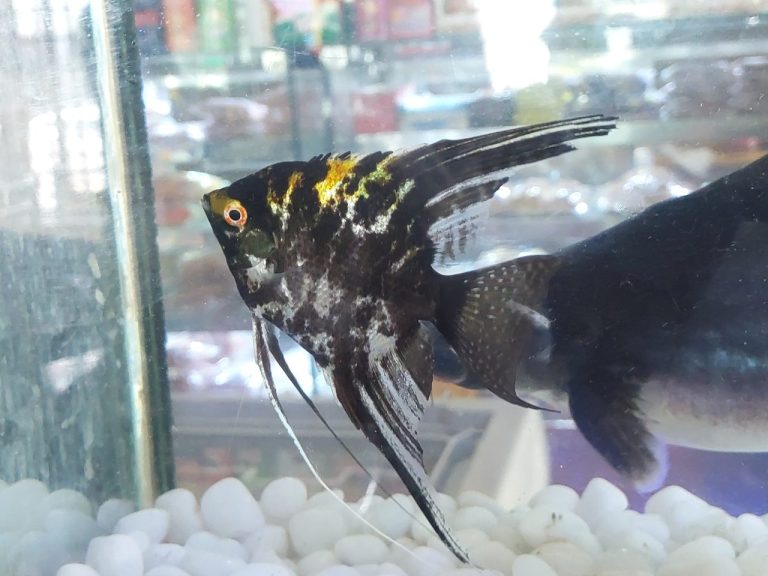
Whether you are interested in the classic silver look or the striking patterns of Koi or Platinum varieties, they all share the same fundamental cichlid traits.
Water Parameters and Habitat Requirements
To keep your angelfish healthy, you must mimic their natural Amazonian environment. This means soft, slightly acidic water with plenty of vertical space for their tall fins.
They prefer a lower carbonate hardness (kH) and a pH between 6.0 and 7.5. In my experience, maintaining a stable temperature between 78°F and 84°F is key for preventing disease and encouraging natural behavior.
Using peat filtration or adding Indian Almond Leaves can help naturally lower the pH and add beneficial tannins to the water. This creates the “blackwater” effect that many South American cichlids love.
The Importance of Tank Height
Because of their unique shape, angelfish require tall tanks rather than long ones. A standard 20-gallon tank is often too shallow for an adult angelfish, causing their fins to bend or stunt.
I always recommend at least a 30-gallon “tall” tank for a single pair, though a 55-gallon or larger is better for a community. This extra vertical space allows them to swim naturally and reduces stress.
Proper environmental needs must be met to make sure they don’t become susceptible to common cichlid ailments. Stress is the number one killer of these majestic fish, often brought on by poor water quality or cramped quarters.
Common Health Challenges: Hexamita and Beyond
Being part of the cichlid family means angelfish are susceptible to certain specific health issues. One of the most notorious is Hexamita, also known as Hole-in-the-Head disease.
This parasite often attacks when the fish is stressed or kept in poor water conditions. Symptoms include white, stringy feces, loss of appetite, and eventually, small pits appearing on the head and lateral line.
Early detection is key. I have found that maintaining a strict water change schedule and providing a varied diet rich in vitamins can prevent most outbreaks before they start.
Maintaining a Strong Immune System
A healthy angelfish is a vivid angelfish. If you notice their colors fading or they become lethargic, it is usually a sign that something is wrong with the water chemistry.
Regularly testing for ammonia, nitrites, and nitrates is non-negotiable. Because they are cichlids, they produce a fair amount of waste, so high-quality filtration is essential to keep the water pristine.
Always keep an eye on their lateral line system. If you see redness or swelling along the sides of the fish, it could indicate a bacterial infection that needs immediate attention.
Are Angelfish Compatible with Other Fish?
This is where the “are angelfish cichlids” question becomes very practical. Because they are cichlids, they are opportunistic predators.
If a fish can fit in an angelfish’s mouth, it likely will eventually. This is why keeping them with tiny neon tetras is often a recipe for disaster once the angelfish reaches its full size.
However, they do well with larger tetras (like Rummy Nose or Bleeding Heart), Corydoras, and even some peaceful dwarf cichlids like Rams. The key is providing enough space and hiding spots for everyone.
Can They Live with Shrimp?
In my experience, keeping angelfish with decorative shrimp like Cherry Shrimp is very risky. While a juvenile angelfish might ignore them, an adult will see them as an expensive snack.
If you must keep them together, help the tank is heavily planted with mosses and dense foliage where the shrimp can hide. Even then, don’t be surprised if your shrimp population slowly disappears over time.
This predatory instinct is a core part of being a cichlid. They are built to hunt, and no amount of flake food will completely override that natural drive.
Things people often ask
Do angelfish need a heater?
Yes, angelfish are tropical cichlids and require warm water. You should maintain a consistent temperature between 78°F and 84°F (25.5°C to 29°C) to keep their immune systems strong and metabolism functioning properly.
Are angelfish aggressive toward other fish?
They are semi-aggressive. While they are generally peaceful compared to Oscars or Jack Dempseys, they are still cichlids and will defend their territory, especially during breeding. They may also eat smaller tank mates.
How many angelfish should be kept together?
It is best to keep them in a group of 5-6 in a large tank (55+ gallons) to allow them to form a natural hierarchy. Alternatively, a proven mated pair can be kept together in a 30-gallon tall tank.
What is the lifespan of a freshwater angelfish?
Looked after properly, high-quality food, and clean water, angelfish can live for 10 to 12 years. Some hobbyists have even reported their fish reaching 15 years in exceptionally well-maintained environments.
Conclusion: Embracing the Cichlid Nature
So, are angelfish cichlids? They absolutely are, and they carry all the intelligence, beauty, and occasional “attitude” that makes the cichlid family so famous.
By recognizing them as cichlids, you can better prepare for their social needs and territorial behaviors. You will understand why they guard their eggs so fiercely and why they need a bit more vertical “room to breathe” than your average community fish.
Keeping angelfish is a journey into the heart of the Amazon. If you provide them with soft water, a good diet, and plenty of space, they will reward you with years of graceful movement and unusual parental behavior.
Embrace their cichlid nature, and you will find they are the crowning jewels of the freshwater hobby.

- 2003First tank
- 20+Years keeping
- 40+Tanks kept
- 0Sponsored picks
Howard set up his first 10-gallon planted tank in 2003 and lost half of it within six weeks. Two decades and more than forty aquariums later, he writes the guides he wished he had then: clear numbers, the reasons behind them, and what actually goes wrong in home tanks.