What Family Are Angelfish In? The Complete Guide To Their Taxonomy
Freshwater angelfish belong to the family Cichlidae, whereas marine angelfish are members of the family Pomacanthidae. Both families reside within the larger order of Perciformes, despite their vastly different habitats and biological needs.
Whenever I walk into a local fish store, the first thing that usually catches my eye is the graceful silhouette of an angelfish. Many new hobbyists find themselves asking, what family are angelfish in, and the answer is actually more complex than it first appears.
In my decade of maintaining various setups, I have learned that “angelfish” is a common name applied to two entirely different groups of fish. One group stays healthy in the blackwater streams of the Amazon, while the other patrols the vivid coral reefs of the ocean.
Understanding the taxonomy of these fish is not just about trivia; it is the foundation of successful keeping. By knowing their family history, you can better replicate their natural environment and help they live a long, healthy life.
At a glance: Freshwater angelfish (Pterophyllum scalare)
- Temperature
- 76–84°F (24–29°C)
- Water pH
- 6.0–7.5
- Adult size
- 6 in long, 8 in tall (15 × 20 cm)
- Minimum tank
- 30 gal for a pair, 55 gal tall for a group
- Group size
- Pair or group of 5+
- Temperament
- Semi-aggressive, territorial when breeding
- Diet
- Omnivore: pellets, flakes, frozen bloodworm and brine shrimp
- Lifespan
- 10–12 years
Keeper’s tip: Choose a tall tank; height matters more than length for a fish that grows taller than it is long.
Understanding the Freshwater Angelfish Family (Cichlidae)
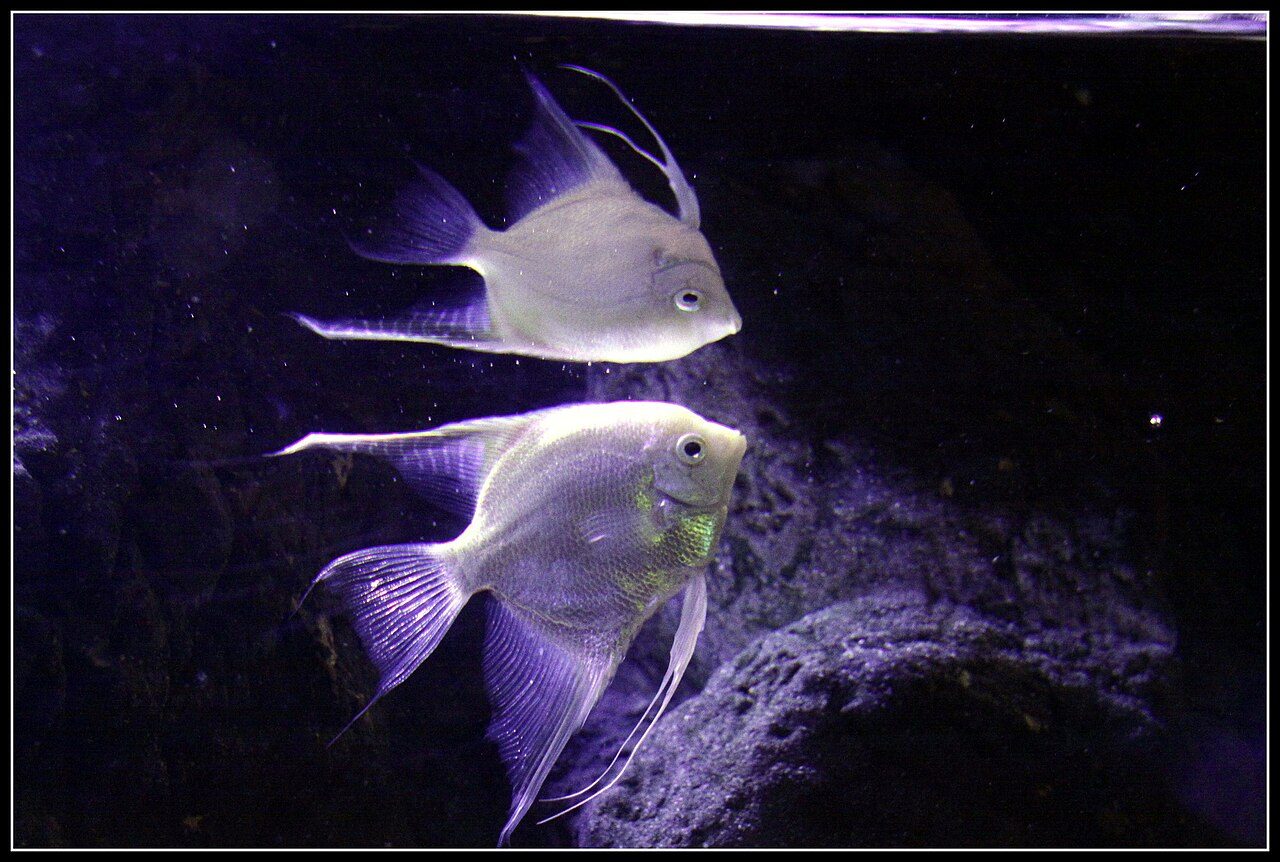
If you are keeping a freshwater tank, your majestic beauties belong to the family Cichlidae. This family is incredibly diverse, containing thousands of species ranging from the tiny shell dwellers of Lake Tanganyika to the massive Oscar.
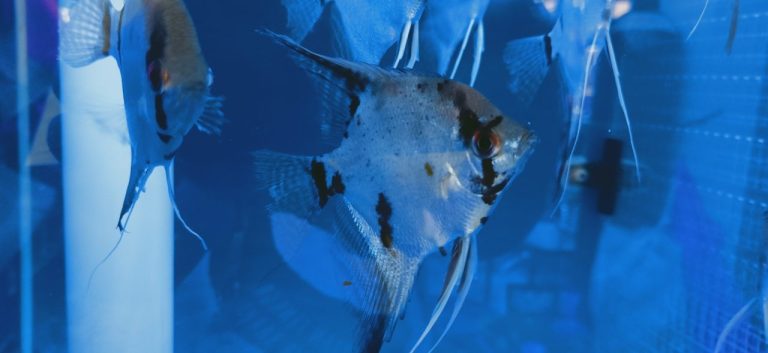
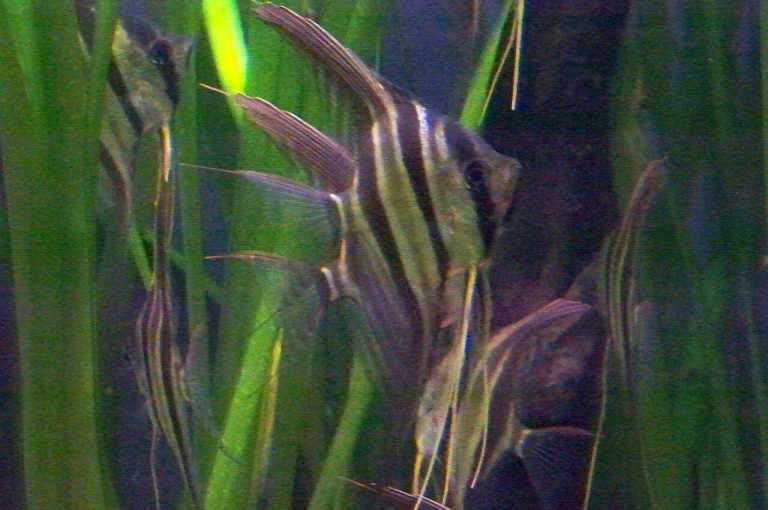
The specific genus for the most common freshwater angelfish is Pterophyllum, with Pterophyllum scalare being the most popular species in the hobby. These fish are known for their laterally compressed bodies, which allow them to glide effortlessly through thick aquatic vegetation.
In my experience, being part of the cichlid family means these fish possess a higher level of intelligence and complex social behaviors. They are famous for their parental care, often defending their eggs and fry with surprising ferocity against much larger tank mates.
Pro Tip: When keeping Pterophyllum scalare, always provide vertical structures like tall driftwood or Amazon Sword plants. Because of their family’s body shape, they feel most secure when they can “hide” in plain sight among vertical lines.
The Marine Connection: Meet the Pomacanthidae Family
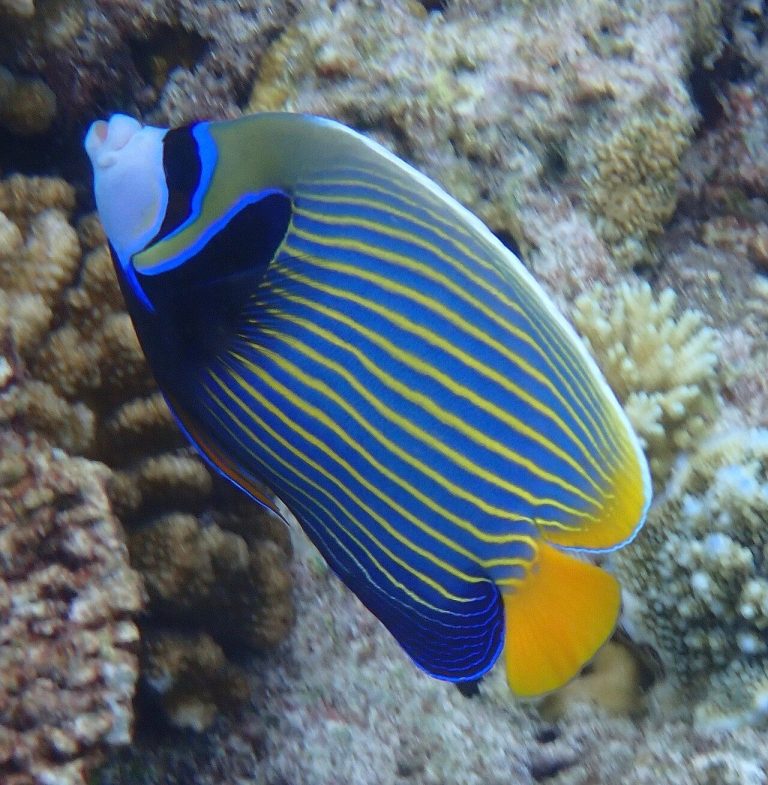
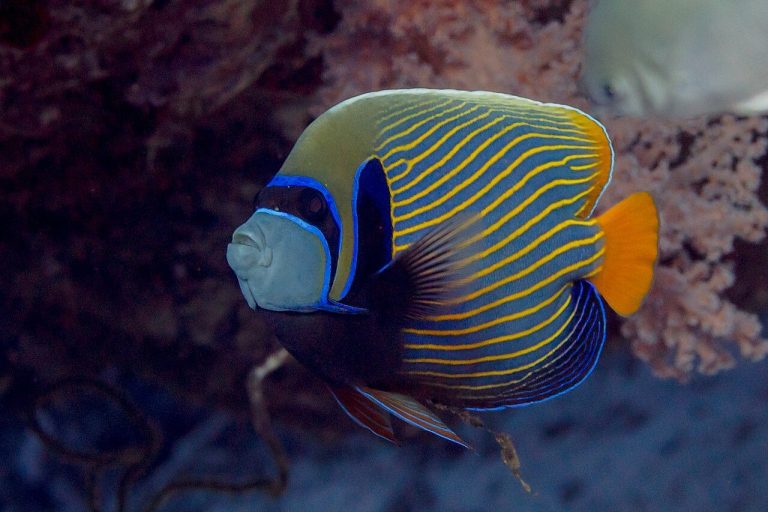
When people ask what family are angelfish in regarding saltwater setups, the answer is Pomacanthidae. Marine angelfish are some of the most colorful creatures in the ocean, but they share very little biologically with their freshwater namesakes.
The family Pomacanthidae is distinguished by a sharp spine located on the lower part of their gill covers, known as a preopercle spine. This is a key feature that separates them from the closely related butterflyfish.
Many marine angelfish exhibit protogynous hermaphroditism, a interesting biological process where individuals can change sex from female to male. This usually happens when the dominant male in a harem dies, and the largest female takes his place to lead the group.
Why Knowing “What Family Are Angelfish In” Matters for Care
Knowing the family lineage helps you understand the specific physiological needs of your fish. For instance, both freshwater and marine angelfish belong to the order Perciformes, which is the largest order of vertebrates.
However, their internal systems have adapted to very different environments over millions of years. This affects everything from how they process nutrients to how they handle fluctuations in water chemistry and mineral content.
If you are just starting out with these regal fish, I highly recommend checking out a comprehensive keeping them healthy guide to make sure your tank parameters are spot on. Understanding their origins is the first step toward mastery.
Despite living in different water types, both families share certain advanced biological features common to the Perciformes order. These traits have allowed them to become dominant predators or foragers in their respective niches.
One such trait is the presence of pharyngeal jaws. These are a second set of jaws located in the throat, which allow the fish to process food more efficiently after it has passed the initial mouth opening.
Another critical feature is the lateral line system. This sensory organ allows angelfish to detect vibrations and pressure changes in the water, helping them work through murky rivers or complex reef structures even in low light.
Common Mistake: Many beginners ignore the importance of the lateral line system by allowing stray voltage in the tank. Always use a grounding probe, as sensory interference can lead to chronic stress and a weakened immune system.
Freshwater vs. Saltwater Angelfish Comparison
To help you visualize the differences between these two families, I have put together a comparison table. This highlights why you cannot treat a Cichlid the same way you would a Pomacanthid.
| Feature | Freshwater (Cichlidae) | Marine (Pomacanthidae) |
|---|---|---|
| Body Shape | Extremely compressed, wing-like fins. | Oval to disk-shaped, sturdy bodies. |
| Primary Habitat | Amazon River Basin (Slow water). | Tropical Coral Reefs. |
| Reproduction | Substrate spawners with parental care. | Pelagic spawners (eggs float). |
| Aggression | Territorial during breeding. | Highly territorial toward same species. |
Water Chemistry and Osmoregulation
The process of osmoregulation is where the two families differ the most. Freshwater cichlids must constantly work to keep salts inside their bodies while expelling excess water that enters through their gills.
Marine angelfish face the opposite problem; they live in an environment saltier than their internal fluids. They must constantly drink seawater and use specialized cells in their gills to pump out the excess salt to avoid dehydration.
When managing a freshwater tank, paying attention to carbonate hardness (KH) is vital. Stable KH levels prevent pH swings, which can be devastating to the sensitive Pterophyllum species that prefer slightly acidic to neutral water.
Common Health Issues in Angelfish Families
Every family of fish has its “Achilles’ heel” when it comes to disease. For the freshwater Cichlidae family, one of the most common and frustrating issues is Hexamita, also known as Hole-in-the-Head disease.
This parasitic infection often stems from poor water quality or nutritional deficiencies. I’ve noticed that once a fish is stressed by fluctuating parameters, their immune system drops, making them a prime target for these flagellates.
Marine angelfish in the Pomacanthidae family are particularly susceptible to Marine Ich and Marine Velvet. Because they are often wild-caught, they may also carry internal parasites that require a strict quarantine protocol before they enter your display tank.
Choosing the Best Variety for Your Aquarium
Deciding which angelfish to keep often depends on your experience level and the size of your tank. Since there are so many options, I always suggest looking at an selecting the best species list to see which fits your lifestyle.
Freshwater angelfish are generally more accessible for intermediate keepers. They breed readily in captivity, and many tank-raised varieties are quite hardy compared to their wild ancestors.
Marine angelfish, especially the larger species like the Emperor Angelfish, require massive tanks and specialized diets. If you are not ready for the complexity of a saltwater reef, the freshwater Cichlidae family is a much better starting point.
Essential Tank Setup for Cichlid Angelfish
When setting up a home for freshwater angelfish, height is more important than length. Because of their tall fins, a shallow tank can actually cause their fins to become stunted or deformed over time.
I recommend a minimum of 30 gallons for a single pair, but larger is always better. Help the filtration is efficient but doesn’t create a “whirlpool” effect, as these fish are not strong swimmers in high currents.
It is also important to clarify the water type differences before purchasing any equipment. You don’t want to end up with a high-flow powerhead meant for a reef tank in a calm freshwater Amazonian setup.
FAQ
While they share the same common name and belong to the same order (Perciformes), they are in different families (Cichlidae vs. Pomacanthidae) and are not closely related.
Can freshwater angelfish live in saltwater?
No. Their systems for osmoregulation are specifically designed for low-salt environments. Placing them in saltwater would cause immediate and fatal cellular dehydration.
What is the most common freshwater angelfish species?
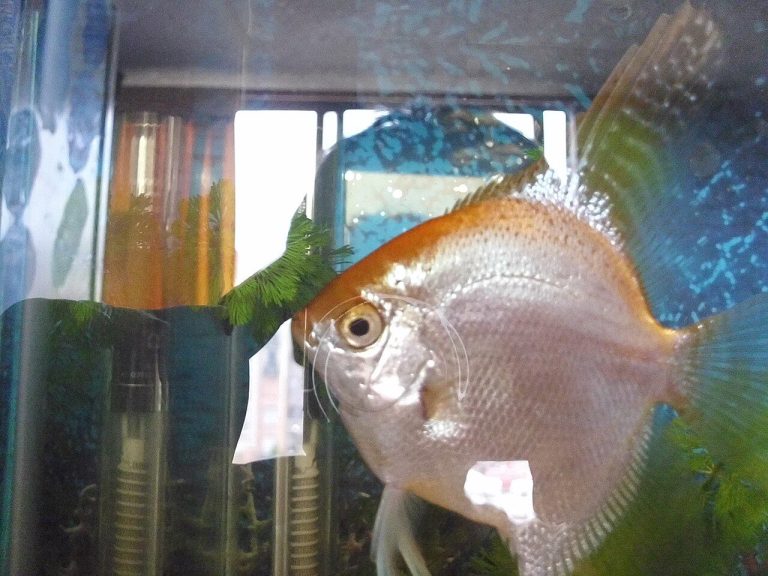
The most common species is Pterophyllum scalare. Most “common” angelfish found in pet stores are captive-bred variants of this species, including Marble, Gold, and Silver varieties.
Why do marine angelfish have a spine on their cheek?
This preopercle spine is a defensive tool used by the Pomacanthidae family. It helps protect them from predators and is a key feature used by scientists to identify the family.
Do all angelfish families show parental care?
No. Freshwater cichlids are famous for guarding their young. Marine angelfish, however, are pelagic spawners, meaning they release their eggs into the open water to drift with the current.
Putting it all together
So, what family are angelfish in? As we have explored, the answer depends entirely on whether you are looking at the rivers of South America or the coral reefs of the Pacific.
If you are drawn to the intelligent, brooding nature of the Cichlidae, the freshwater angelfish will be a satisfying addition to your home. If you prefer the colorful, shimmering colors of the Pomacanthidae, a marine setup awaits.
Regardless of which family you choose, success comes down to respecting their biological origins. If you keep stable water chemistry, providing the right diet, and understanding their unique sensory systems, you can enjoy these “Kings of the Aquarium” for many years to years to come.

- 2003First tank
- 20+Years keeping
- 40+Tanks kept
- 0Sponsored picks
Howard set up his first 10-gallon planted tank in 2003 and lost half of it within six weeks. Two decades and more than forty aquariums later, he writes the guides he wished he had then: clear numbers, the reasons behind them, and what actually goes wrong in home tanks.