What Is The Scientific Name Of Angelfish? A Complete Guide
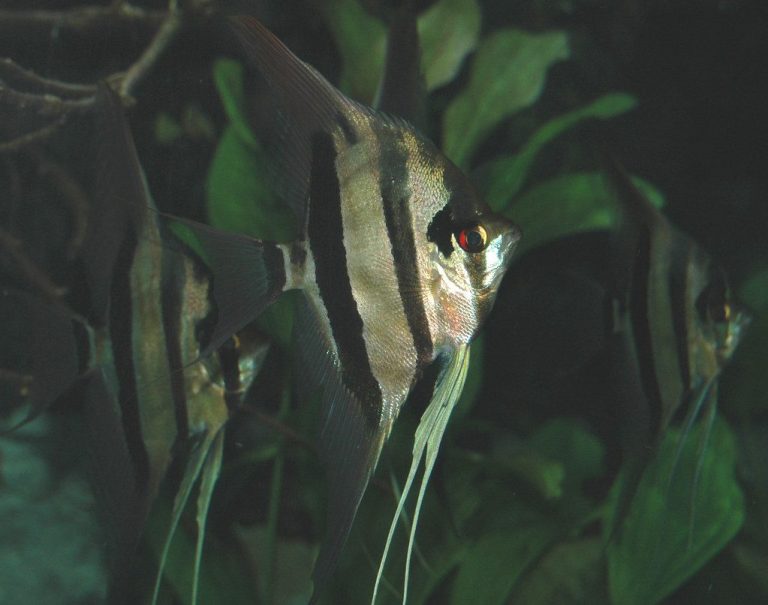
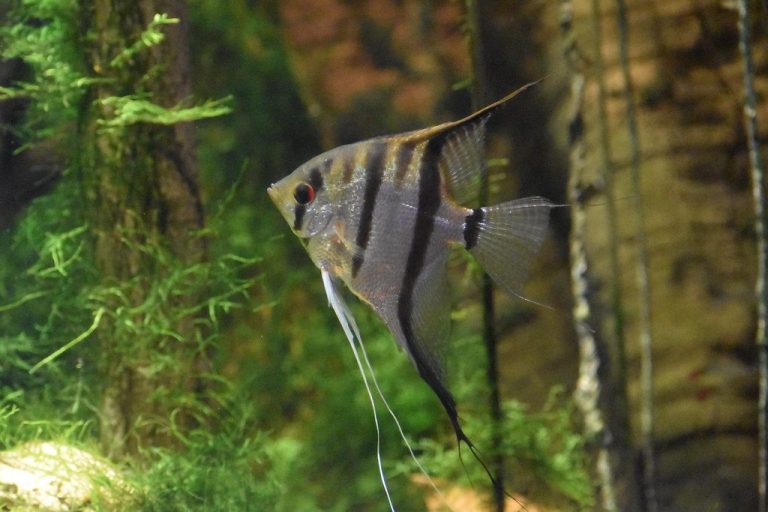
The scientific name of the most common freshwater angelfish is Pterophyllum scalare. This genus also includes two other recognized species: Pterophyllum altum and Pterophyllum leopoldi, all belonging to the family Cichlidae.
If you have ever spent time gazing at the graceful, disc-shaped fish gliding through a well-planted tank, you have likely encountered the “King of the Aquarium.” Understanding what is the scientific name of angelfish is the first step in mastering the care of these majestic South American cichlids.
In my decade of keeping these beauties, I have found that knowing their biological roots helps us replicate their natural environment more effectively.
In this guide, we will explore the three distinct species within the Pterophyllum genus and how their scientific classification impacts your daily tank management. Let’s peel back the layers of their Latin names to see what makes these fish so special in the hobby.
At a glance: Freshwater angelfish (Pterophyllum scalare)
- Temperature
- 76–84°F (24–29°C)
- Water pH
- 6.0–7.5
- Adult size
- 6 in long, 8 in tall (15 × 20 cm)
- Minimum tank
- 30 gal for a pair, 55 gal tall for a group
- Group size
- Pair or group of 5+
- Temperament
- Semi-aggressive, territorial when breeding
- Diet
- Omnivore: pellets, flakes, frozen bloodworm and brine shrimp
- Lifespan
- 10–12 years
Keeper’s tip: Choose a tall tank; height matters more than length for a fish that grows taller than it is long.
What Is The Scientific Name Of Angelfish? Understanding The Pterophyllum Genus
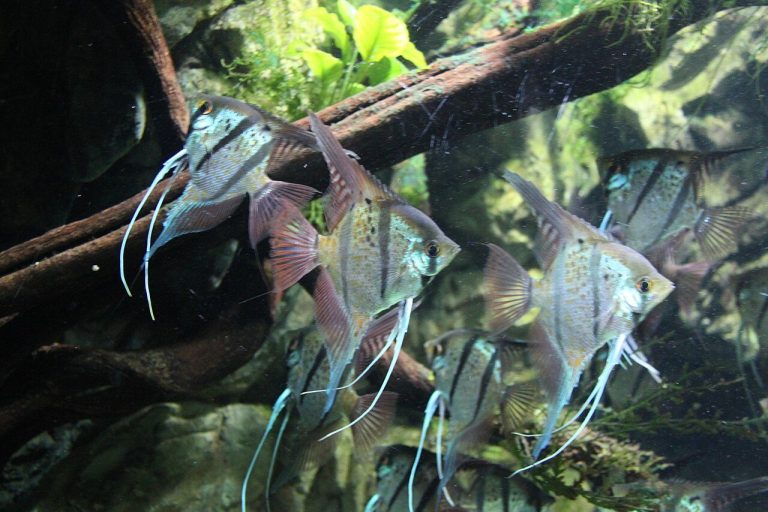
The term “Angelfish” is a common name used for several different types of fish, which can lead to some confusion among new hobbyists. To be precise, the freshwater angelfish found in our home aquaria belong to the genus Pterophyllum.
The name Pterophyllum is derived from the Greek words pteron, meaning “wing,” and phyllon, meaning “leaf.” This perfectly describes their tall, compressed bodies and long, flowing fins that resemble leaves drifting in the current.
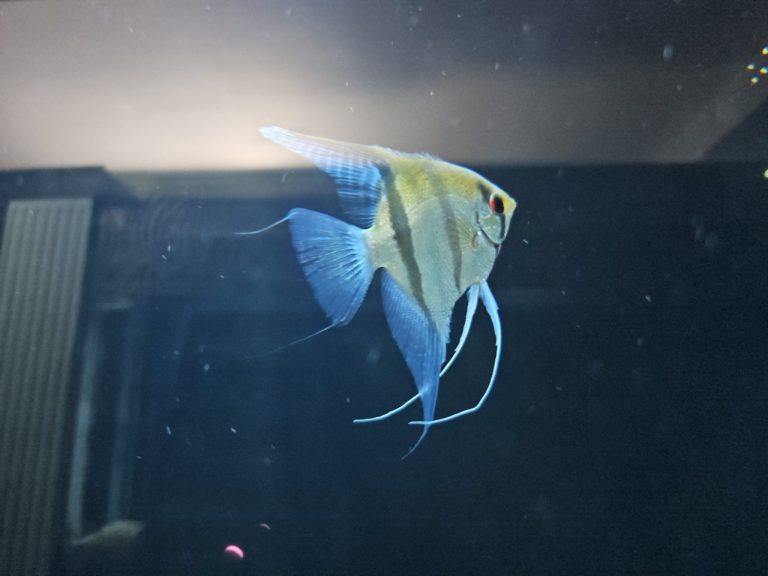
When people ask what is the scientific name of angelfish, they are usually referring to Pterophyllum scalare. This is the most widespread species in the hobby and has been selectively bred into dozens of beautiful color varieties.
Pro Tip: Always double-check if you are looking at freshwater or marine species. While they share a common name, their scientific names and care requirements are vastly different. Understanding the difference between freshwater and marine varieties is essential for setting up the right environment.
The Three Recognized Species
While many hobbyists assume all freshwater angels are the same, scientists currently recognize three distinct species within the genus. These include Pterophyllum scalare, Pterophyllum altum, and Pterophyllum leopoldi.
Each of these species hails from different regions of the Amazon River basin, leading to slight variations in size, temperament, and water preference. Knowing which one you have is vital for long-term success.
Biological Hierarchy
To understand their place in the animal kingdom, we must look at their full taxonomic path. Angelfish belong to the order Perciformes and the family Cichlidae.
Being part of the Cichlidae family means they share traits with Oscars, Discus, and African Cichlids. This includes their complex social structures and the protective way they care for their fry.
The Three Primary Species Of Freshwater Angelfish
Identifying what is the scientific name of angelfish in your specific tank depends on their physical characteristics. Most fish sold in local pet stores are Pterophyllum scalare, but wild-caught enthusiasts often seek out the others.
Each species has a unique “profile” that dictates how they interact with their environment. Let’s break down the differences so you can identify them like a pro.
| Scientific Name | Common Name | Max Height | Distinguishing Feature |
|---|---|---|---|
| Pterophyllum scalare | Common Angelfish | 6 – 8 inches | Most common; many color morphs. |
| Pterophyllum altum | Altum Angelfish | 12 – 15 inches | Extreme height; notched “nose.” |
| Pterophyllum leopoldi | Teardrop Angelfish | 5 inches | Smallest species; horizontal spot. |
Pterophyllum scalare
This is the “standard” angelfish that has been in the hobby for over a century. They are incredibly hardy compared to their wild cousins and can adapt to a wide range of water parameters.
In my experience, P. scalare is the best choice for beginners. They are less finicky about pH levels and are generally more peaceful when kept in appropriate groups.
Pterophyllum altum
The Pterophyllum altum, or Deep Angelfish, is the giant of the genus. These fish require very tall aquariums because their vertical span can reach over a foot in height.
They are native to the Orinoco River and the upper Rio Negro. They are known for a sharp notch above their snout and are significantly more sensitive to water quality than the common variety.
Pterophyllum leopoldi
The Pterophyllum leopoldi is often called the “Teardrop” or “Dwarf” angelfish. It is the smallest of the three and arguably the most aggressive for its size.
You can distinguish them by a dark blotch on their side, located just below the dorsal fin. They lack the extreme verticality of the Altum but make up for it with unique patterning.
Unique Anatomy: Pharyngeal Jaws And The Lateral Line System
When we look beyond what is the scientific name of angelfish, we discover incredible biological adaptations. As members of the family Cichlidae, they possess specialized structures that help them survive and hunt.
One of the most interesting features is their Pharyngeal jaws. These are a second set of jaws located in the throat, allowing them to process food more efficiently than many other fish species.
This double-jaw system lets them crush shells or grind up tough plant matter. It is a hallmark of the cichlid family and a reason for their evolutionary success across the globe.
The Lateral Line System
Like most fish, angelfish rely heavily on their Lateral line system. This is a visible line of sensory organs running along the side of their body that detects vibrations and pressure changes in the water.
In the murky waters of the Amazon, this system is vital for working through through dense vegetation. It helps them sense predators or potential prey long before they can see them.
I have often noticed my angels reacting to my movement across the room before I even reach the tank. This sensitivity is why it is important to keep your aquarium in a low-traffic area to reduce stress.
Dorsal and Anal Fin Symmetry
The iconic shape of the Pterophyllum comes from the near-perfect symmetry of their dorsal and anal fins. This shape allows them to move vertically through submerged tree roots and branches with ease.
Their thin profile makes them almost invisible when viewed from the front. This “stealth mode” is a primary defense mechanism against larger predators in the wild.
Natural Habitat and Ecological Influence
To provide the best care, we must look at where these fish originated. The Amazon Basin is a massive, complex network of rivers, flooded forests, and blackwater streams.
In these environments, angelfish are often found living among the roots of large trees. They also frequent areas with thick stands of aquatic plants like Echinodorus bleheri, also known as the Amazon Sword.
Replicating this in your home tank is essential for raising healthy specimens. Providing tall plants and driftwood gives them the security they need to display natural behaviors.
Common Mistake: Many keepers put angelfish in tanks that are too short. Because of their vertical fin span, they need a “high” or “tall” aquarium to prevent their fins from dragging or becoming stunted.
Water Chemistry Nuances
In the wild, many Pterophyllum species live in “blackwater” conditions. This water is stained tea-color by tannins and typically has very low Carbonate hardness.
While captive-bred P. scalare are adaptable, they still prefer slightly acidic to neutral water. Maintaining a stable environment is always more important than chasing a “perfect” number on a test kit.
If you are keeping wild-caught P. altum, you will need to be much more precise. They often require very soft water and a pH as low as 5.0 to settle in and potentially breed.
Identifying Common Health Issues Like Hexamita
A major part of being a responsible aquarist is recognizing when your fish are under the weather. Even though we know what is the scientific name of angelfish, we must also know the names of the pathogens that affect them.
One of the most common issues in cichlids is Hexamita, a protozoan parasite often associated with “Hole-in-the-Head” disease. This condition can be devastating if not caught early.
Symptoms include white, stringy feces, loss of appetite, and eventually, small pits appearing on the head and lateral line. It is often triggered by poor water quality or a lack of vitamin-rich food.
Stress and the Lateral Line
Because their Lateral line system is so sensitive, environmental stress can lead to physical illness. High levels of nitrate or sudden shifts in temperature can weaken their immune system.
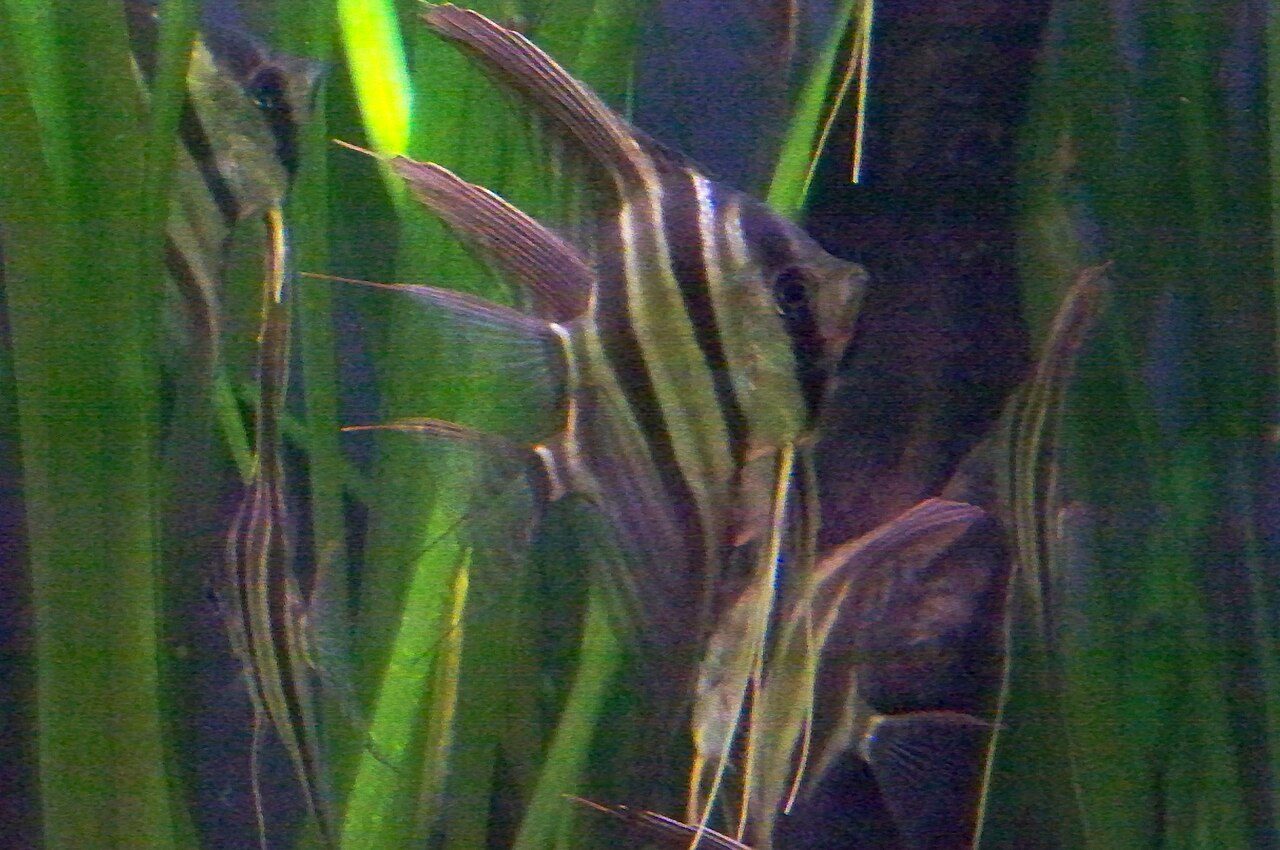
When an angelfish is stressed, its vertical bars often become much darker and more pronounced. In my experience, this is the first “warning light” that something in the tank needs your attention.
Regular water changes and a varied diet are your best defenses. I always recommend feeding a mix of high-quality flakes, frozen bloodworms, and brine shrimp to make sure they get all necessary nutrients.
The Role of Carbonate Hardness
Maintaining the right Carbonate hardness (KH) is vital for pH stability. If your KH is too low, your pH can “crash,” causing immediate and severe stress to your fish.
For most Pterophyllum scalare, a KH of 3-8 degrees is sufficient. This provides enough of a buffer to keep the environment stable while still allowing for the slightly acidic conditions they enjoy.
Choosing The Right Species For Your Aquarium
Now that you can answer what is the scientific name of angelfish, you might be wondering which species is right for you. Your choice should depend on your tank size and experience level.
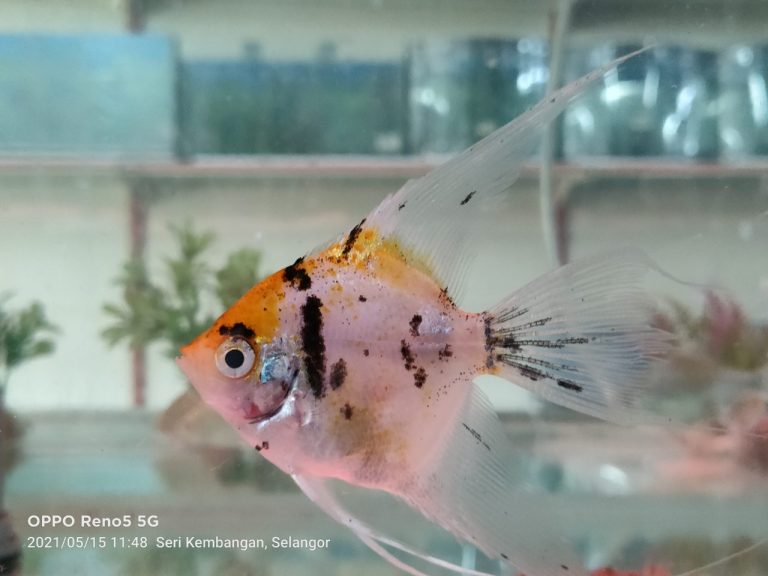
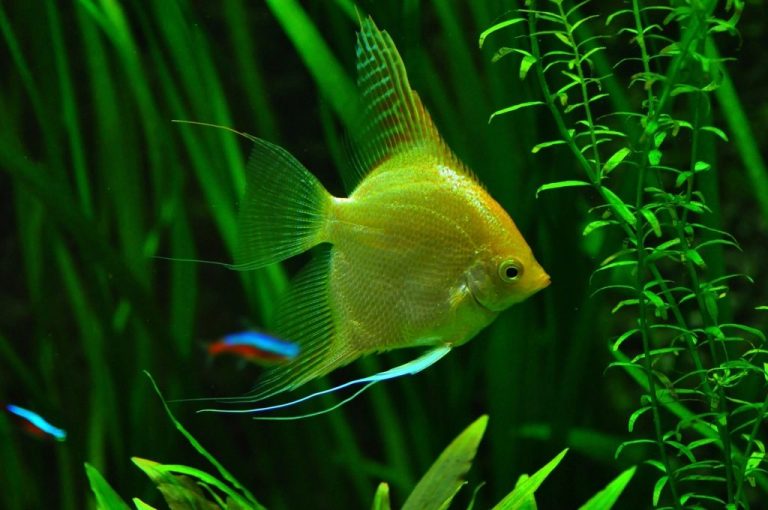
If you have a standard 29-gallon or 55-gallon tank, Pterophyllum scalare is almost always the best choice. They are available in beautiful varieties like Marble, Gold, and Koi.
For those with massive, 100+ gallon tall tanks, the Pterophyllum altum offers a satisfying challenge. Just be prepared for their specialized water requirements and larger adult size.
Pro Tip: When choosing the right species, look for clear eyes and upright fins at the store. Avoid any fish that look “pinched” behind the head, as this is often a sign of internal parasites or long-term malnutrition.
Angelfish are “semi-aggressive” cichlids. They are generally peaceful when young but can become territorial as they mature and form breeding pairs.
They should not be kept with very small fish like Neon Tetras, which may become a snack once the angels are full-grown. Instead, look for larger tetras, corydoras, or peaceful dwarf cichlids as tank mates.
In my years of keeping them, I have found that keeping them in a group of five or more when young helps distribute aggression. Once a pair forms, you may need to move the other fish if the tank isn’t large enough to provide separate territories.
FAQ: Everything You Need To Know About Angelfish Taxonomy
Is Pterophyllum scalare the only scientific name for angelfish?
No, while it is the most common, the genus Pterophyllum includes two other species: Pterophyllum altum and Pterophyllum leopoldi.
What family do angelfish belong to?
They belong to the family Cichlidae, which is one of the largest and most diverse families of fish in the world.
Are all angelfish freshwater fish?
The Pterophyllum genus is strictly freshwater. However, there are marine angelfish (family Pomacanthidae) which are entirely different animals despite the shared common name.
Why is the name Pterophyllum used?
The name translates to “winged leaf,” referring to the thin, compressed body and long fins that allow them to hide among leaves and roots in the Amazon.
Can different species of Pterophyllum interbreed?
While it is theoretically possible between some varieties of P. scalare, interbreeding between the three distinct species is rare and usually not encouraged in the hobby to preserve pure genetic lines.
My final take
Understanding what is the scientific name of angelfish is more than just a trivia fact; it is a gateway to better fishkeeping. By recognizing them as Pterophyllum, we acknowledge their unique “winged leaf” anatomy and their specialized needs.
Whether you choose the hardy P. scalare, the towering P. altum, or the compact P. leopoldi, you are bringing a piece of the Amazon’s rich biodiversity into your home. These fish offer a level of personality and grace that few other species can match.
Focus on vertical tank space, stable water parameters, and a high-quality diet. If you respect their biological heritage and providing a naturalistic environment with plants like Echinodorus bleheri, you will enjoy the company of these “Kings of the Aquarium” for many years to year.
, and may your angelfish always swim tall and bright.

- 2003First tank
- 20+Years keeping
- 40+Tanks kept
- 0Sponsored picks
Howard set up his first 10-gallon planted tank in 2003 and lost half of it within six weeks. Two decades and more than forty aquariums later, he writes the guides he wished he had then: clear numbers, the reasons behind them, and what actually goes wrong in home tanks.