Fungus On Angelfish Eggs – Causes and Treatment
To treat fungus on angelfish eggs, immediately remove unfertilized white eggs and dose the water with Methylene blue or use Catappa leaves to inhibit Saprolegnia growth and protect the remaining healthy embryos.
Watching a pair of Pterophyllum scalare carefully clean a leaf and deposit hundreds of eggs is one of the most rewarding experiences in the hobby.
However, that excitement often turns to frustration when a white, fuzzy growth begins to consume the clutch.
In my ten years of breeding these majestic cichlids, I have learned that fungus on angelfish eggs is not just a sign of bad luck, but a manageable biological process that you can control with the right techniques.
When you first notice those cotton-like tufts, time is of the essence.
If left unchecked, the fungus will spread from a single dead egg to the entire spawn, destroying days of effort by both you and your fish.
In this guide, I will share the exact protocols I use to identify, treat, and prevent fungal outbreaks so you can successfully raise a healthy brood of fry.
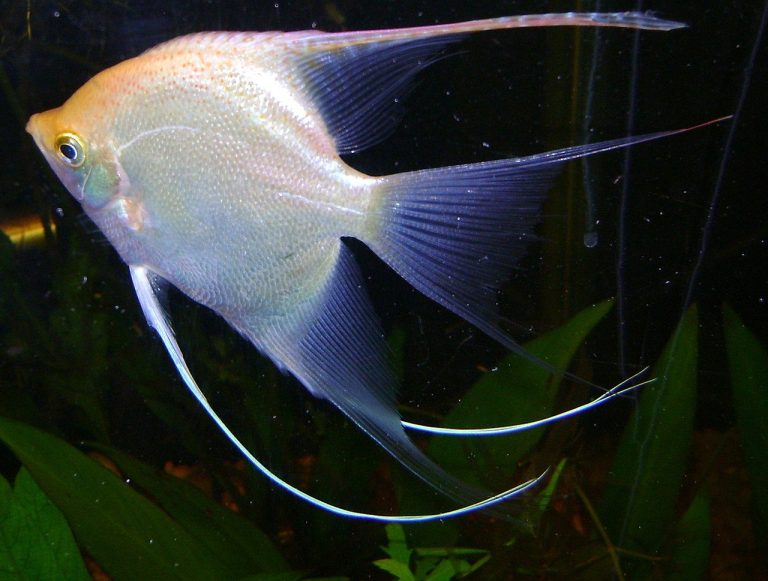
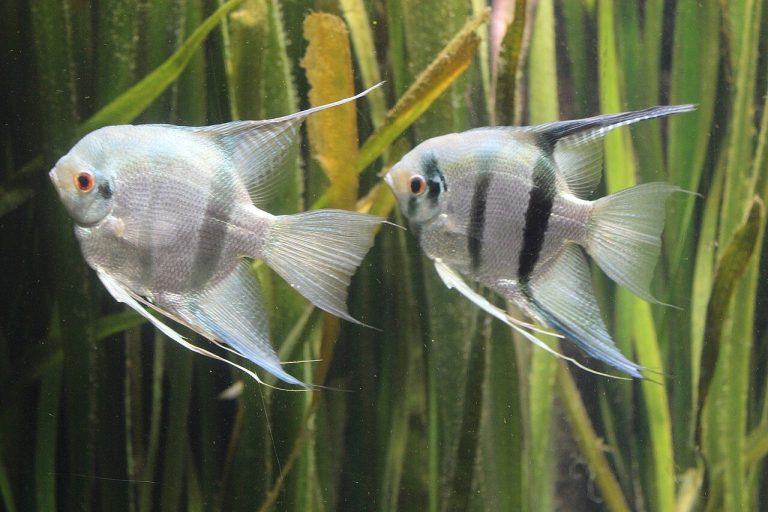
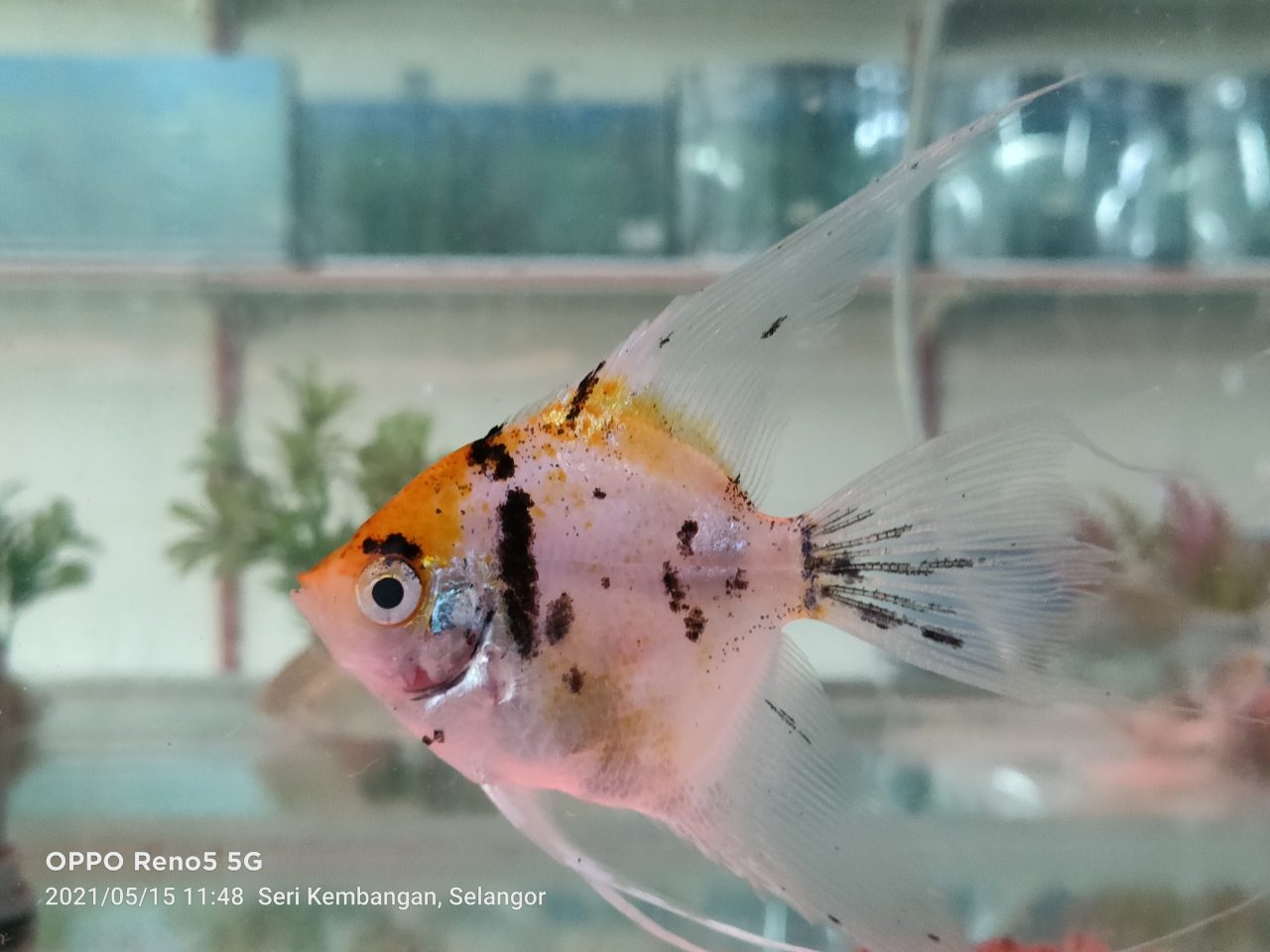
At a glance: Freshwater angelfish (Pterophyllum scalare)
- Temperature
- 76–84°F (24–29°C)
- Water pH
- 6.0–7.5
- Adult size
- 6 in long, 8 in tall (15 × 20 cm)
- Minimum tank
- 30 gal for a pair, 55 gal tall for a group
- Group size
- Pair or group of 5+
- Temperament
- Semi-aggressive, territorial when breeding
- Diet
- Omnivore: pellets, flakes, frozen bloodworm and brine shrimp
- Lifespan
- 10–12 years
Keeper’s tip: Choose a tall tank; height matters more than length for a fish that grows taller than it is long.
Understanding Fungus on Angelfish Eggs
The “fungus” we see on fish eggs is most commonly a water mold known as Saprolegnia.
This opportunistic organism stays healthy on decaying organic matter, which in a breeding tank usually means unfertilized oocytes.
When an egg fails to be fertilized or dies due to poor water conditions, it becomes a prime food source for fungal spores that are naturally present in almost every aquarium.
The problem arises because Saprolegnia does not always stay confined to the dead eggs.
As the fungal hyphae (the microscopic “roots”) grow, they can pierce the shells of adjacent, healthy eggs.
This causes a chain reaction where one bad egg can lead to the loss of the entire clutch within 24 to 48 hours.
Pro Tip: In my experience, most beginners mistake the “fuzz” for the problem itself, but it is actually a symptom. The real issue is often why the eggs died in the first place, such as low dissolved oxygen or improper water hardness.
Understanding the reasons for egg whitening is the first step in stopping the fungus from taking over.
Primary Causes of Fungal Outbreaks
Before we look at treatments, we must look at why the fungus is gaining a foothold.
Fungus rarely attacks a perfectly healthy, developing embryo unless the fungal load in the water is incredibly high.
Unfertilized Eggs
The most common cause is simply a lack of fertilization.
If the male is young or inexperienced, he may not successfully fertilize every egg in the line.
These unfertilized eggs will turn opaque white within hours, providing the perfect substrate for Saprolegnia.
Poor Water Circulation
Eggs need a constant flow of fresh, oxygenated water to stay healthy.
Without sufficient movement, metabolic waste builds up around the egg membrane, weakening it and making it susceptible to infection.
Low dissolved oxygen levels are a silent killer in many breeding setups.
High Organic Load
If the breeding tank has a dirty filter or substrate, the concentration of fungal spores will be much higher.
I’ve noticed that tanks with high levels of dissolved organic compounds (DOCs) suffer from fungal issues far more frequently than pristine bare-bottom breeding tanks.
Identifying Fungus vs. Normal Development
It is key to distinguish between a healthy egg, an unfertilized egg, and a fungused egg.
Healthy angelfish eggs are typically translucent with a light amber or brownish tint.
During the incubation period, you should be able to see the embryo developing inside.
| Egg Condition | Visual Appearance | Action Required |
|---|---|---|
| Healthy | Translucent, amber/clear color. | None; ensure stable parameters. |
| Unfertilized | Solid, opaque white; no fuzz yet. | Monitor closely or remove manually. |
| Fungused | White with fuzzy, cotton-like growth. | Immediate removal and treatment. |
If you see “hairs” or a “halo” around the egg, that is the definitive sign of fungus on angelfish eggs.
At this stage, the fungus is already producing spores and looking for its next victim.
How to Treat Fungus on Angelfish Eggs
If you spot fungus, do not panic, but do act quickly.
There are several proven methods to stop the spread and save the remaining viable eggs.
Manual Removal
The most effective way to stop the spread is to remove the source.
If the parents are still guarding the eggs, they will often do this themselves by picking out the white eggs.
However, if you are raising the eggs artificially, you must use a pipette or a needle to gently pluck away the fuzzy eggs without damaging the healthy ones.
Methylene Blue
This is the “gold standard” for many breeders.
Methylene blue is a powerful antifungal and antibacterial agent that prevents spores from attaching to the egg shells.
When I use this, I add enough to the water to turn it a deep sky blue, which creates a protective barrier for the embryos.
Acriflavine
If you find that Methylene blue isn’t doing the trick, Acriflavine is an excellent alternative.
It is slightly more aggressive and is often used in commercial hatcheries to make sure high survival rates.
Be aware that it can stain silicone and equipment, so use it in a dedicated hatching container if possible.
Hydrogen Peroxide (3%)
A more modern approach involves using 3% hydrogen peroxide.
When dosed correctly, it releases pure oxygen and acts as a mild disinfectant.
I generally use a dose of 1-2ml per gallon of water, but you must be very careful not to over-dose, as it can be caustic to delicate fry once they hatch.
Natural Preventative Measures
For those who prefer a more “Amazon-authentic” approach, there are natural ways to combat fungus.
In the wild, angelfish live in waters rich in tannic acid and humic substances.
Catappa Leaves
Indian Almond Leaves, or Catappa leaves, release tannins that have natural antifungal properties.
They also slightly lower the pH, which can inhibit the growth of certain water molds.
I always keep a few leaves in my breeding tanks to provide a constant, low-level defense against infection.
Alder Cones
Similar to Catappa leaves, Alder cones are packed with tannins.
They are very potent, so you only need a few to achieve a “tea-stained” look in the water.
This environment mimics the ideal water conditions found in the Amazon River basin.
Pro Tip: If you are using tannins, keep in mind that they can make it harder to see the eggs. I recommend using a bright LED flashlight to check for fungus daily if the water is dark.
The Role of Water Chemistry
Water parameters play a massive role in whether fungus takes hold.
Hard water often leads to tougher egg membranes, but excessively high water hardness can sometimes interfere with the fertilization process itself.
Calcium and magnesium ions can cause the egg’s micropyle (the tiny opening for sperm) to close too quickly.
Aim for a slightly acidic pH (6.5 to 6.8) and soft to medium hardness for the best results.
Maintaining a consistent temperature is also vital; fluctuations can stress the developing embryo, making it a target for Saprolegnia.
Creating a Fungus-Free Breeding Setup
Prevention is always better than a cure when dealing with fungus on angelfish eggs.
Here is my checklist for setting up a successful breeding environment:
- Bare-Bottom Tank: This makes it much easier to keep the environment clean and remove waste.
- Sponge Filtration: A sponge filter provides excellent biological filtration without the risk of sucking up tiny fry.
- High Aeration: Place an air stone near the eggs (but not directly touching them) to keep high levels of oxygen.
- Pre-Breeding Diet: Feed the parents high-quality frozen or live foods to help the eggs are nutrient-dense and the male is fertile.
Questions and answers
Can I leave the fungused eggs in the tank?
I strongly advise against it.
Even if the parents are good at cleaning, a large fungal outbreak can overwhelm them.
Manual intervention is usually necessary to save a significant portion of the spawn.
Will the fungus hurt my adult angelfish?
Generally, no. Saprolegnia is an opportunistic pathogen that targets dead tissue or stressed, injured fish.
Healthy adult angelfish with a strong slime coat are usually not affected, but the spores will remain in the water.
Why do my eggs always fungus even with Methylene blue?
This usually points to a fertilization issue.
If the eggs aren’t fertilized, no amount of medication will stop them from eventually decaying.
Check your male’s health and ensure the water flow isn’t so strong that it’s blowing the sperm away before it reaches the eggs.
Is hydrogen peroxide safe for all fish eggs?
While widely used for angelfish, some sensitive species may react poorly.
Always start with a lower dose and observe the eggs for any signs of premature shell breakdown.
Where that leaves you
Dealing with fungus on angelfish eggs is a rite of passage for many hobbyists.
It can be heartbreaking to see a promising clutch disappear under a layer of white fuzz, but it is a challenge you can overcome.
If you keep pristine water quality, keeping high oxygen levels, and using tools like Methylene blue or Catappa leaves, you can significantly increase your success rate.
In my experience, the key is observation.
Spend time watching your pair and checking the eggs every few hours during the first two days.
With a little patience and the right preventative steps, you will soon be watching those “wigglers” hatch and begin their journey into adulthood.
Stay consistent, keep your water clean, and don’t be afraid to intervene when nature needs a helping hand.

- 2003First tank
- 20+Years keeping
- 40+Tanks kept
- 0Sponsored picks
Howard set up his first 10-gallon planted tank in 2003 and lost half of it within six weeks. Two decades and more than forty aquariums later, he writes the guides he wished he had then: clear numbers, the reasons behind them, and what actually goes wrong in home tanks.