Can Angelfish Live In A 30 Gallon Tank? The Ultimate Stocking Guide
Yes, a single angelfish or a mated pair can live in a 30-gallon tank if it is a “tall” aquarium. However, this is the absolute minimum size recommended to make sure proper growth and water quality.
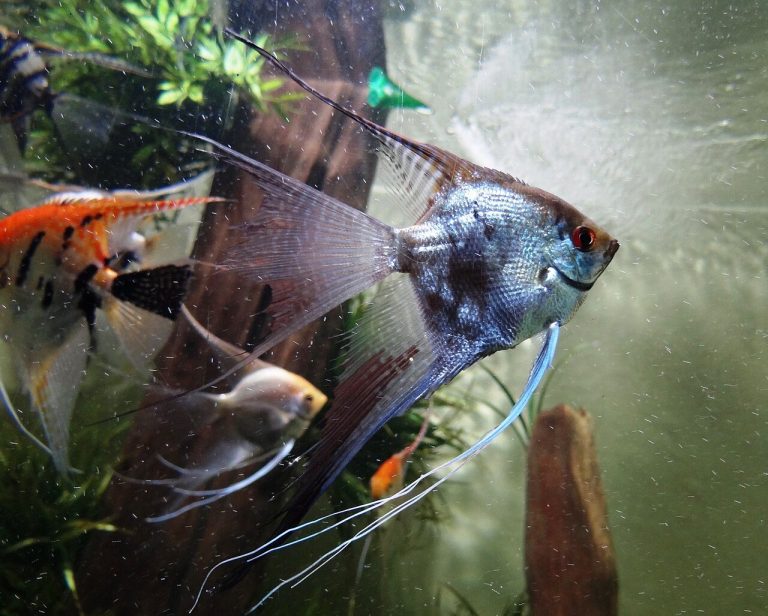
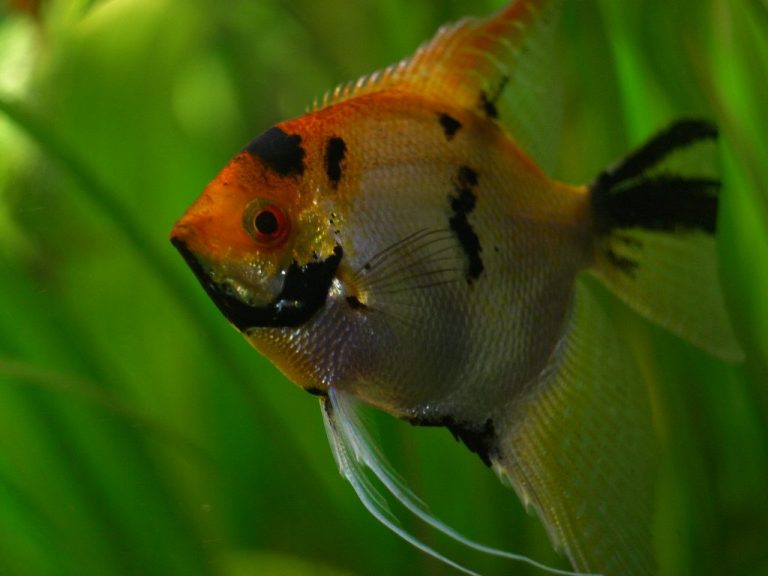
Watching the graceful glide of Pterophyllum scalare, commonly known as the freshwater angelfish, is one of the most satisfying experiences in the hobby. Over my ten years of keeping these “kings of the aquarium,” I have learned that their majestic fins require more than just clean water.
Many beginners wonder if their standard 30-gallon setup is sufficient for these vertical beauties. While the answer is technically yes, there are several critical caveats regarding tank dimensions, filtration, and social behavior that you must understand.
In this guide, I will break down exactly how to manage an angelfish in a medium-sized enclosure. We will look at the biological demands and the physical space requirements to keep your fish healthy rather than just surviving.
At a glance: Freshwater angelfish (Pterophyllum scalare)
- Temperature
- 76–84°F (24–29°C)
- Water pH
- 6.0–7.5
- Adult size
- 6 in long, 8 in tall (15 × 20 cm)
- Minimum tank
- 30 gal for a pair, 55 gal tall for a group
- Group size
- Pair or group of 5+
- Temperament
- Semi-aggressive, territorial when breeding
- Diet
- Omnivore: pellets, flakes, frozen bloodworm and brine shrimp
- Lifespan
- 10–12 years
Keeper’s tip: Choose a tall tank; height matters more than length for a fish that grows taller than it is long.
Can Angelfish Live in a 30 Gallon Tank?
When determining if your setup is appropriate, you must look beyond the total volume of water. The physical shape of the aquarium plays a massive role in the health of Pterophyllum scalare because of their unique body structure.
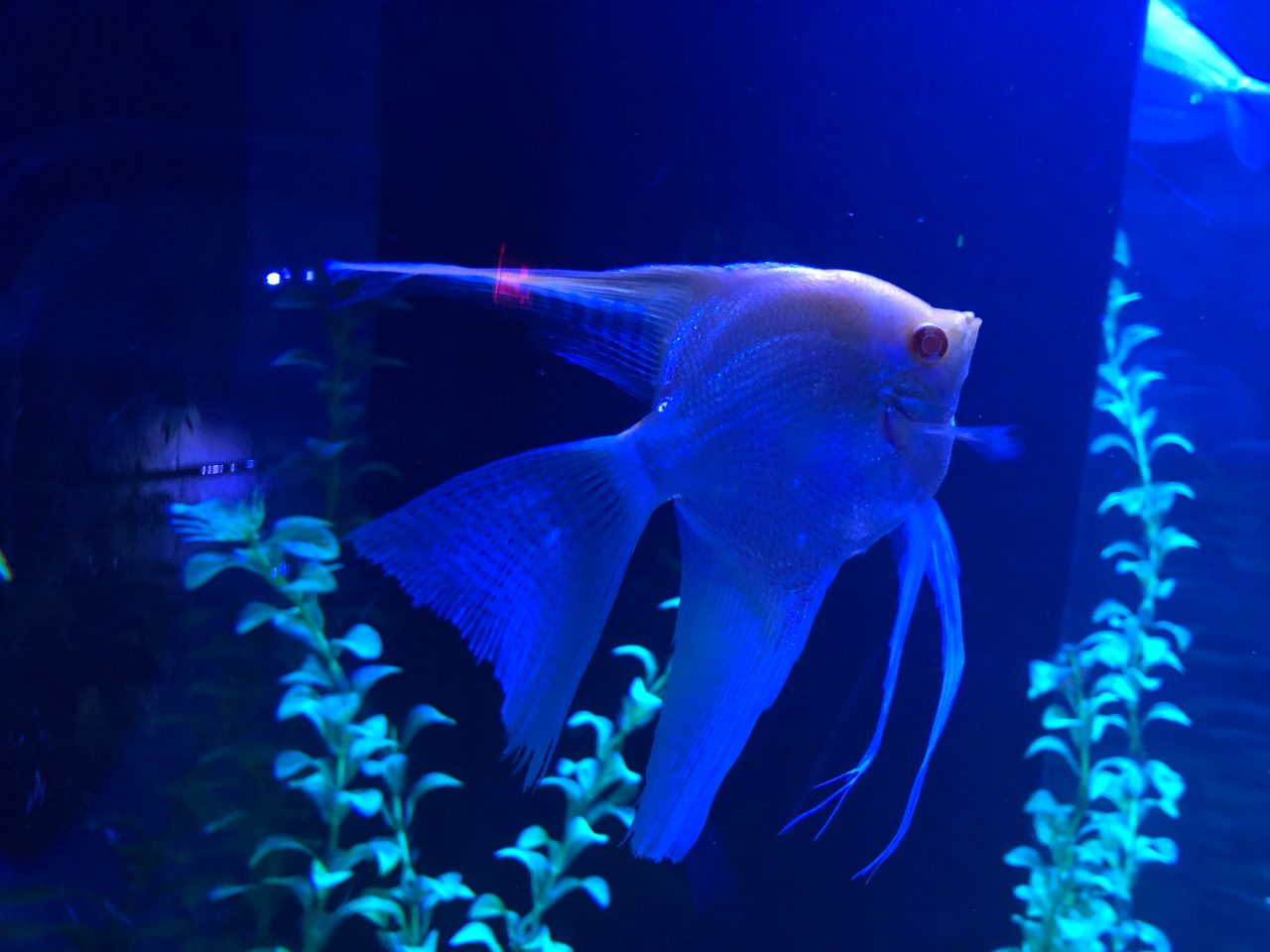
Angelfish are laterally compressed and grow significantly taller than they do long. In a shallow 30-gallon breeder tank, an adult angelfish may find its dorsal and anal fins scraping the substrate or breaking the water surface.
This lack of vertical swimming space can lead to stunted growth or permanent fin deformities. If you are using a “30-gallon tall” aquarium, you are providing the height necessary for their natural movement patterns.
Pro Tip: In my experience, always measure the internal height of your tank from the top of the substrate to the water line. If this distance is less than 16 inches, an adult angelfish will likely feel cramped and stressed as it matures.
Understanding Bio-load Capacity and Water Quality
A 30-gallon environment has a much lower margin for error than a 55 or 75-gallon system. Angelfish are heavy eaters and, consequently, produce a significant amount of waste.
In a smaller volume of water, nitrogenous waste accumulation happens much faster. Ammonia and nitrite levels can spike quickly, leading to stressed immune systems and secondary infections.
Maintaining a strict bio-load capacity is essential when keeping large cichlids in this footprint. You must prioritize high-quality filtration and a consistent maintenance schedule to keep the environment stable.
| Parameter | Ideal Range | Importance |
|---|---|---|
| Temperature | 76°F – 82°F | Supports metabolic function and immune health. |
| pH Level | 6.5 – 7.5 | Mimics natural Amazonian soft-water habitats. |
| Carbonate Hardness (KH) | 3 – 8 dKH | Prevents dangerous pH swings in smaller volumes. |
| Nitrates | < 20 ppm | Prevents long-term health issues and fin rot. |
Managing Conspecific Aggression
One of the biggest challenges of a 30-gallon tank is managing conspecific aggression. Angelfish are cichlids, and while they appear peaceful, they can be quite territorial, especially as they reach sexual maturity.
In a larger tank, a bullied fish has room to escape and hide. In a 30-gallon space, there is nowhere to run, which often leads to the death of the submissive fish.
I generally recommend keeping either a single specimen or a confirmed mated pair in this size tank. Trying to keep three or four angelfish in a 30-gallon tank is a recipe for disaster once they begin establishing a pecking order.
Creating the Perfect 30-Gallon Environment
To make a 30-gallon tank work, you need to be strategic with your aquascaping. You want to provide cover without taking up too much of the precious swimming room.
I have found that using tall, broad-leafed plants like Echinodorus grisebachii (Amazon Sword) is the best way to decorate. These plants provide a natural “wall” that breaks the line of sight, which is key if you are keeping a pair.
Additionally, adding driftwood can release tannic acid into the water. This slightly tints the water and mimics the “blackwater” conditions of their native Rio Negro habitat, which helps reduce stress levels.
Filtration and Water Movement
Angelfish do not enjoy heavy currents because their large fin surface area acts like a sail. However, in a 30-gallon tank, you need sturdy filtration to handle the waste.
I recommend using a hang-on-back filter rated for 50 gallons or a large sponge filter. If the flow is too strong, you can use a pre-filter sponge or a baffle to disperse the water return.
Consistent water changes are your best friend in a smaller setup. I typically suggest a 25-30% water change every week to make sure nitrates do not climb to dangerous levels.
Stocking Decisions: What Else Can Live There?
If you decide to keep an angelfish in a 30-gallon tank, you must be very selective about their roommates. Overstocking will lead to a rapid decline in water quality and increased stress for all inhabitants.
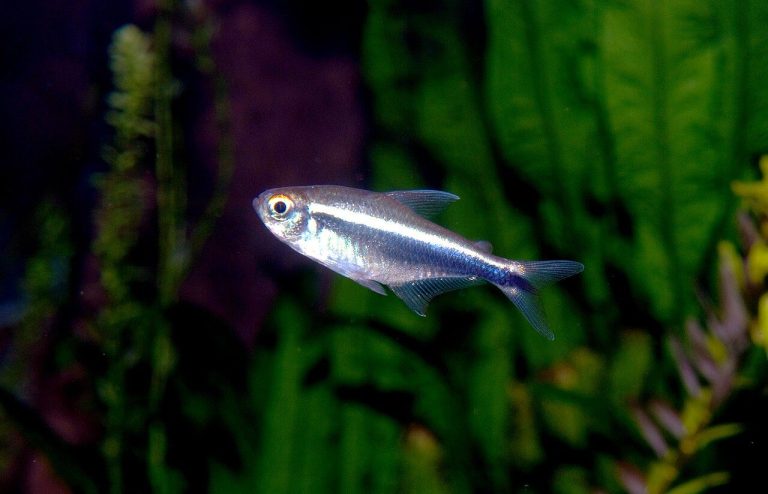
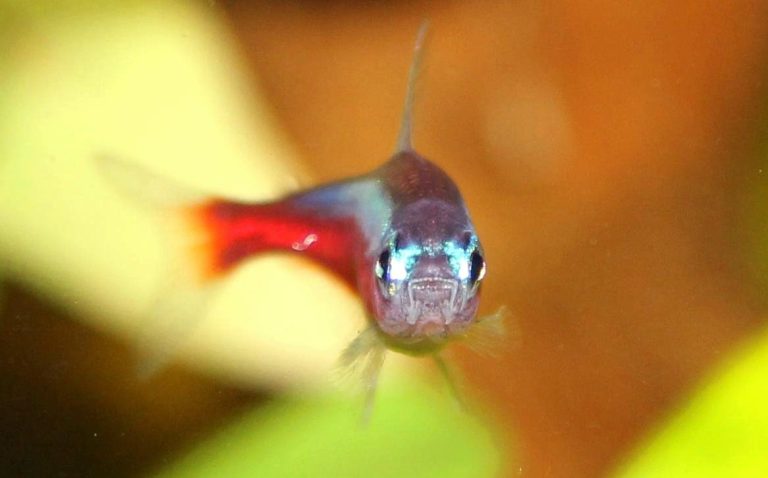
Avoid very small fish like neon tetras, as adult angelfish will eventually view them as a snack. Instead, look for deep-bodied tetras that are too large to be swallowed but peaceful enough not to nip fins.
You might consider some suitable tank mates that occupy the lower levels of the tank. This helps make sure that the angelfish has the middle and upper “tall” sections mostly to itself.
Common Mistake: Many hobbyists add “fin-nipping” species like Tiger Barbs or Serpae Tetras to an angelfish tank. In a 30-gallon space, the angelfish cannot escape these nippers, leading to tattered fins and chronic stress.
Practical Stocking Decision Table
Use this table to help you decide which stocking path is right for your specific 30-gallon aquarium.
| Setup Type | Angelfish Count | Recommended Companions |
|---|---|---|
| The Showpiece Tank | 1 Adult | 6-8 Rummy Nose Tetras, 1 Bristlenose Pleco. |
| The Mated Pair | 2 (Confirmed Pair) | None (keep as a species-only tank for breeding). |
| The Community Setup | 1 Juvenile | 6 Corydoras, 6 Harlequin Rasboras. |
Common Health Issues in Smaller Enclosures
When angelfish are kept in the minimum recommended volume, they are more susceptible to opportunistic pathogens. Stress caused by cramped quarters weakens their immune response.
One common issue is “Hole-in-the-Head” disease, often associated with the parasite Spironucleus. This is frequently triggered by poor water quality and a lack of vitamins in the diet.
Another frequent visitor in stressed tanks is Ichthyophthirius multifiliis, better known as Ich. Because a 30-gallon tank can experience faster temperature fluctuations, the white spot parasite can take hold quickly if your heater isn’t reliable.
To prevent these issues, ensure you are providing a varied diet. High-quality flakes, frozen bloodworms, and brine shrimp will give them the nutrition needed to maintain a strong slime coat.
If you are interested in the more colorful varieties, you can find specific advice on different color morphs which may have slightly different hardiness levels. Regardless of the variety, the space requirements remain the same.
Maintenance Schedule for a 30-Gallon Angelfish Tank
To succeed with this setup, you cannot afford to be lazy with your chores. A 30-gallon tank is small enough to be manageable but large enough that a neglected problem becomes a catastrophe.
I recommend following a strict weekly routine. This keeps the water crystal clear and also allows you to observe your fish for any early signs of illness or aggression.
Weekly Tasks:
- Test water for Ammonia, Nitrite, and Nitrate.
- Perform a 25% water change using a gravel vacuum to remove waste from the substrate.
- Clean the glass to make sure you can clearly see the health of your fish.
- Rinse filter media in old tank water (never tap water!) if the flow has slowed.
Monthly Tasks:
- Trim any decaying leaves from your Echinodorus grisebachii.
- Inspect all equipment (heaters, lights, filters) for proper function.
- Deep clean the intake tubes of your filter to maintain maximum turnover.
Following a strict proper care requirements plan is the only way to make sure your angelfish lives its full lifespan, which can be up to 10 years.
Common questions
Can I keep two male angelfish in a 30-gallon tank?
In my experience, this is usually a mistake. Two males will almost certainly fight for dominance, and in a 30-gallon tank, the weaker male will have nowhere to hide, leading to severe injury.
What is the best filter for a 30-gallon angelfish tank?
A high-quality canister filter or a large hang-on-back filter with adjustable flow is ideal. You want a filter that turns over the tank volume at least 5-8 times per hour without creating a whirlpool.
How big do angelfish get?
Standard Pterophyllum scalare can grow to about 6 inches in body length, but they can reach up to 8-10 inches in height including their fins. This is why vertical space is so critical.
Can I use a 30-gallon breeder tank?
A 30-gallon breeder is wider and shallower than a standard 29 or 30-gallon tall. While the footprint is great for many fish, it is generally too shallow for a full-grown adult angelfish.
Should I get a juvenile or an adult for a 30-gallon?
Starting with a juvenile is often easier as it allows the fish to grow into its environment. However, keep in mind that you will eventually need to be prepared for its full adult size.
A last word
So, can angelfish live in a 30 gallon tank? Yes, they can, but it requires a dedicated and informed aquarist to make it work long-term.
If you choose a tall aquarium, maintaining pristine water conditions, and being extremely careful with tank mates, you can create a beautiful home for these iconic fish. A single, healthy angelfish is always a better choice than a group of stressed, cramped ones.
If you find that your angelfish is outgrowing the space or becoming too aggressive, don’t hesitate to upgrade to a 55-gallon tank. In fish keeping, providing more space than the minimum is always the best way to help a flourishing, happy aquarium.

- 2003First tank
- 20+Years keeping
- 40+Tanks kept
- 0Sponsored picks
Howard set up his first 10-gallon planted tank in 2003 and lost half of it within six weeks. Two decades and more than forty aquariums later, he writes the guides he wished he had then: clear numbers, the reasons behind them, and what actually goes wrong in home tanks.