How Long Does It Take For Angelfish Eggs To Hatch
Angelfish eggs typically hatch within 48 to 60 hours after being laid, provided the water temperature remains stable between 80°F and 82°F. Proper aeration and fungus prevention are essential during this period.
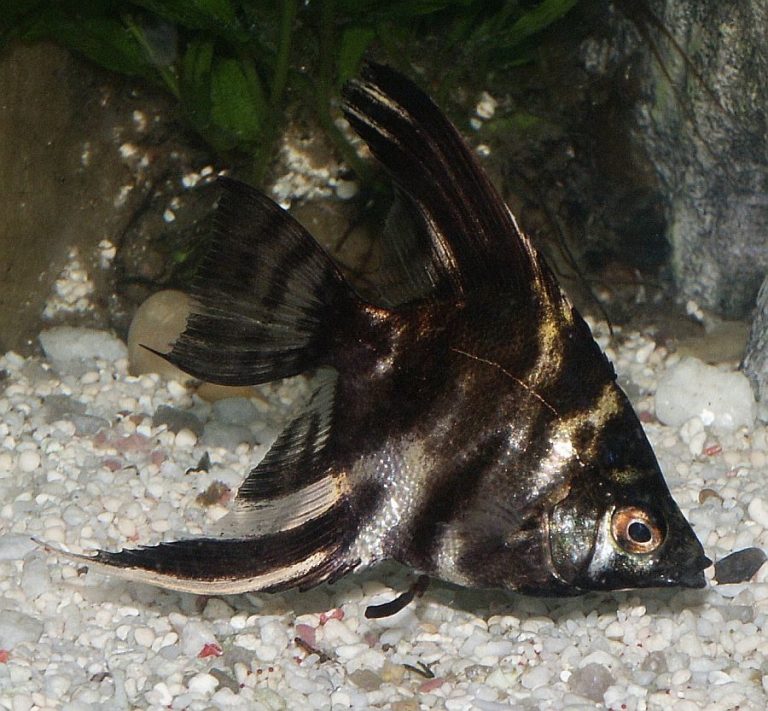
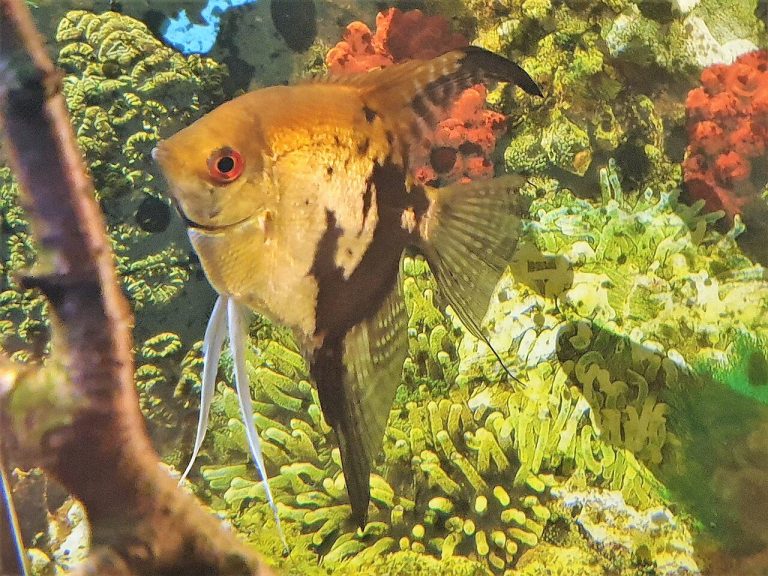
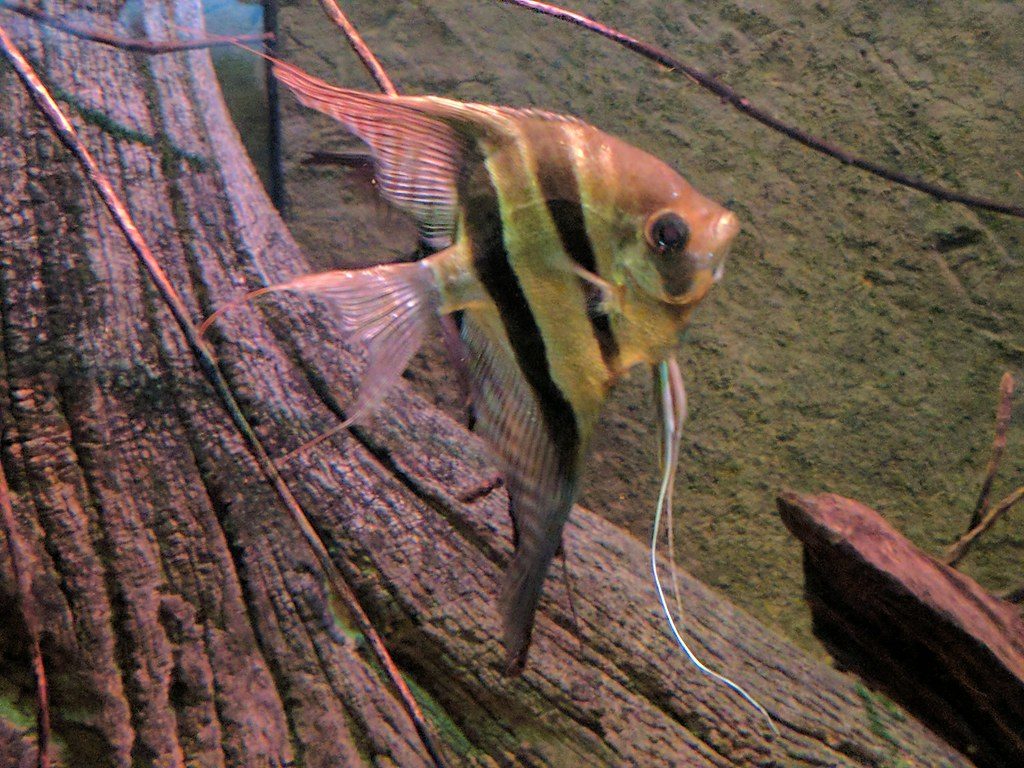
At a glance: Freshwater angelfish (Pterophyllum scalare)
- Temperature
- 76–84°F (24–29°C)
- Water pH
- 6.0–7.5
- Adult size
- 6 in long, 8 in tall (15 × 20 cm)
- Minimum tank
- 30 gal for a pair, 55 gal tall for a group
- Group size
- Pair or group of 5+
- Temperament
- Semi-aggressive, territorial when breeding
- Diet
- Omnivore: pellets, flakes, frozen bloodworm and brine shrimp
- Lifespan
- 10–12 years
Keeper’s tip: Choose a tall tank; height matters more than length for a fish that grows taller than it is long.
If you are keeping Pterophyllum scalare, witnessing a spawning event is one of the most satisfying experiences in the hobby. However, the period between the initial laying of the eggs and the moment they become free-swimming fry can be stressful for new breeders. Understanding exactly how long does it take for angelfish eggs to hatch is the first step toward successfully raising a healthy brood.
The Incubation Phase: What to Expect
In my experience, the incubation period is a delicate window where environment is everything. Once the female deposits her eggs onto a vertical spawning slate or a broad-leafed plant, the male immediately fertilizes them.
At a steady temperature of 80°F, you can expect the eggs to hatch in approximately two days. If your tank is slightly cooler, the process may slow down, stretching the timeline closer to the 72-hour mark. Conversely, warmer water can accelerate development, though it also increases the risk of bacterial growth.
Pro Tip: Always keep a close eye on the color of the eggs. Healthy, fertilized eggs are translucent or amber-colored. If you see opaque white eggs, they are likely unfertilized and will quickly develop fungus, which can spread to the healthy embryos.
Managing Water Quality and Aeration
The success of your hatch largely depends on the oxygen levels in your tank. The developing embryos, known as the blastoderm, require consistent water flow to help proper gas exchange. Many breeders use a gentle air stone positioned near the eggs to keep the water moving without blowing the eggs off their substrate.
I have found that preventing Saprolegnia, a common water mold, is vital during these first two days. Many experts use a mild dose of Methylene blue to prevent fungal outbreaks. This ensures that the eggs remain clear and viable until the moment they hatch.
Transitioning from Wrigglers to Free-Swimming Fry
Once the eggs hatch, the fish are not yet free-swimming. They enter a stage where they are affectionately called “wrigglers.” During this time, they remain attached to the spawning surface by a sticky filament on their heads.
They are still absorbing their yolk sac, which provides them with all the necessary nutrition for the first few days of life. Do not attempt to feed them during this stage, as it will only pollute the water. You will notice them twitching or “wriggling,” which is a sign of healthy development.
Breeding Success Table
To help you track your progress, refer to the following timeline and parameter guide.
| Stage | Duration | Key Requirements |
|---|---|---|
| Egg Incubation | 48–60 Hours | Constant aeration, 80°F–82°F |
| Wriggler Stage | 3–5 Days | Clean water, no feeding |
| Free-Swimming | Day 7–8 | Infusoria or baby brine shrimp |
Nutrition: The First Meal
Once the fry become free-swimming, the yolk sac will be fully absorbed. This is the moment they begin actively searching for food. Providing the right size food is critical because their mouths are incredibly small.
I highly recommend starting with Infusoria or high-quality liquid fry food for the first day or two. After that, transitioning to freshly hatched Artemia nauplii (baby brine shrimp) will provide the high protein content necessary for rapid growth.
Common Mistake: A frequent error is overfeeding at this stage. Because fry eat so little, even a small amount of leftover food will foul the water quickly. Use a pipette to feed sparingly, and perform small, daily water changes to maintain pristine conditions.
FAQ: Common Questions About Angelfish Spawning
Q: How do I know if the parents will eat the eggs?
A: It is common for young, inexperienced parents to eat their first few batches of eggs. If this happens, you may need to remove the slate and artificially hatch the eggs in a separate container with an air stone.
Q: Can I keep other fish in the tank with the eggs? A: It is strongly recommended to use a separate breeding tank. Even peaceful community fish may attempt to snack on the eggs, and the parents will likely become aggressive to protect their brood.
Q: Does light affect how long it takes for angelfish eggs to hatch? A: While light doesn’t directly change the timing, keeping the tank in a room with a natural day-night cycle reduces stress on the parents. Avoid harsh, direct light on the eggs, as it can encourage algae growth.
Final Thoughts on Breeding Success
Mastering the timeline of your angelfish spawn requires patience and keen observation. If you keep stable water parameters and making sure high dissolved oxygen levels, you provide your fry with the best start in life. If you are interested in learning more about different varieties, check out our guide on unique color morphs to see what your future fry might look like.

- 2003First tank
- 20+Years keeping
- 40+Tanks kept
- 0Sponsored picks
Howard set up his first 10-gallon planted tank in 2003 and lost half of it within six weeks. Two decades and more than forty aquariums later, he writes the guides he wished he had then: clear numbers, the reasons behind them, and what actually goes wrong in home tanks.