How Often Do Angelfish Lay Eggs – The Complete Guide To Breeding
Healthy angelfish typically lay eggs every 7 to 14 days. If the eggs are removed or eaten, the pair will often restart the spawning cycle quickly to improve the survival of their lineage.
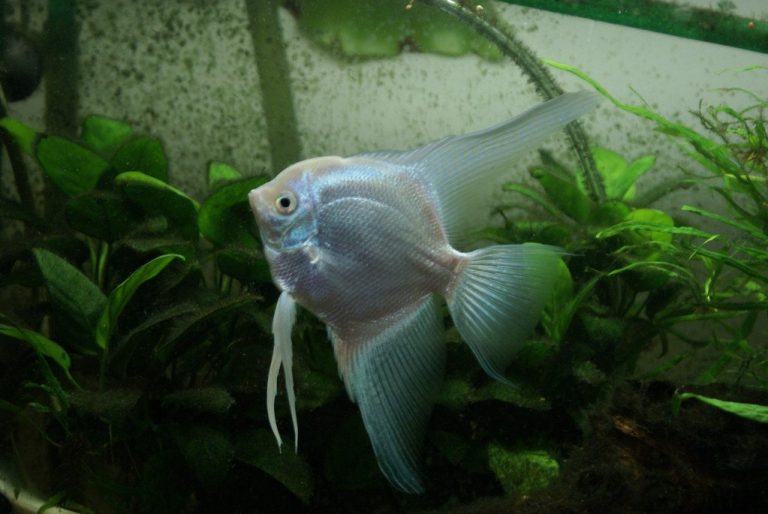
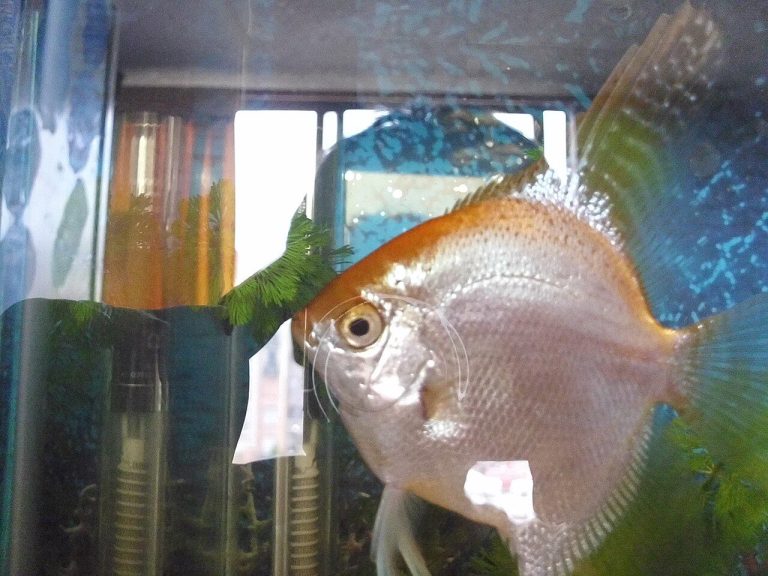
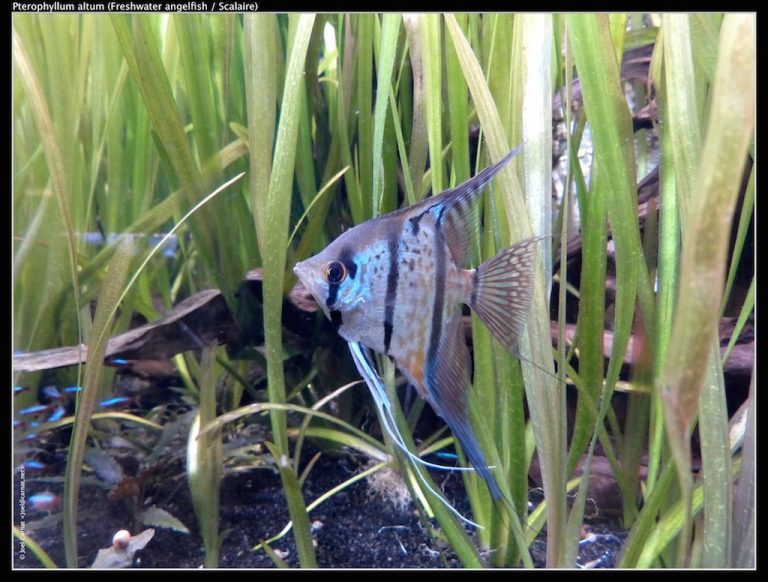
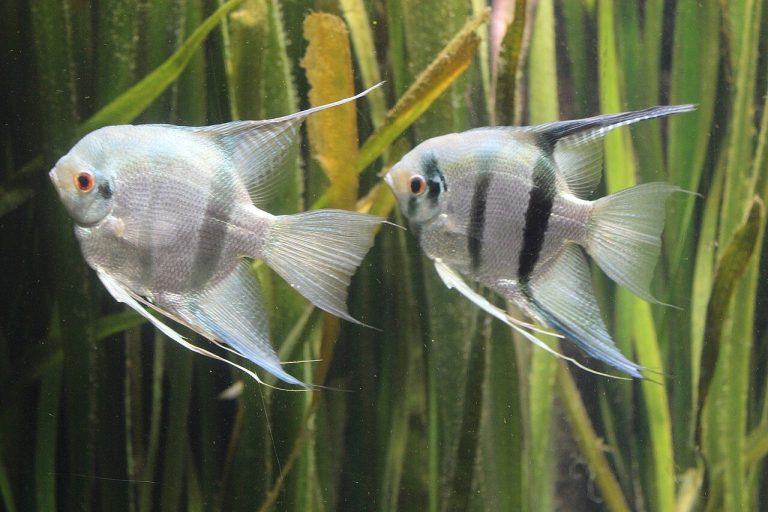
The majestic Pterophyllum scalare, more commonly known as the freshwater angelfish, is a centerpiece in many hobbyist tanks. One of the most satisfying experiences for any keeper is watching a bonded pair prepare a site for their future fry.
When you first notice your fish cleaning a leaf or a filter intake, you might wonder how often do angelfish lay eggs and what you can do to support them. In my decade of keeping these “Kings of the Aquarium,” I have found that consistency in care is the secret to a regular spawning cycle.
Breeding these fish is not just about luck; it is about understanding their biological rhythm and environmental needs. By the end of this guide, you will know exactly what to expect from your breeding pair and how to maximize their success.
Pro Tip: If your angelfish are spawning for the first time, don’t be discouraged if they eat their eggs. It often takes young pairs three or four “practice runs” to develop the parental instincts required to guard the nest effectively.
At a glance: Freshwater angelfish (Pterophyllum scalare)
- Temperature
- 76–84°F (24–29°C)
- Water pH
- 6.0–7.5
- Adult size
- 6 in long, 8 in tall (15 × 20 cm)
- Minimum tank
- 30 gal for a pair, 55 gal tall for a group
- Group size
- Pair or group of 5+
- Temperament
- Semi-aggressive, territorial when breeding
- Diet
- Omnivore: pellets, flakes, frozen bloodworm and brine shrimp
- Lifespan
- 10–12 years
Keeper’s tip: Choose a tall tank; height matters more than length for a fish that grows taller than it is long.
Understanding How Often Do Angelfish Lay Eggs in a Home Aquarium
In a stable environment, a healthy, well-fed pair of angelfish will typically spawn every 10 to 14 days. This frequency can increase to once every 7 days if the eggs are removed from the tank immediately after being laid.
This rapid cycle occurs because the female’s body begins the process of vitellogenesis, or egg yolk formation, shortly after the previous clutch is gone. Without the demand of guarding fry, her energy is redirected entirely back into egg production.
However, if the parents are allowed to raise the fry, they will not spawn again until the “babies” are independent. This usually takes several weeks, as the parents will be busy defending the free-swimming fry from potential predators.
Biological Signs of an Impending Spawn
Before the eggs appear, you will notice significant physical changes in your fish. Both the male and female will extend their genital papilla, which are small tubes located just behind the ventral fins.
The female’s tube, known as the ovipositor, is blunt and rounded to allow for the passage of eggs. In contrast, the male’s tube is much pointier and narrower, designed for precise fertilization as he follows the female.
You will also see the pair becoming increasingly territorial, often claiming a specific corner of the tank. They will spend hours picking at a vertical substrate, such as a large leaf, a piece of driftwood, or the aquarium glass, to help it is clean for the eggs.
Pro Tip: To make egg collection easier, I always provide a spawning slate or a piece of PVC pipe leaned against the glass. These fish naturally prefer to lay eggs on vertical surfaces rather than flat rocks on the substrate.
Environmental Factors That Influence Spawning Cycles
To keep your angelfish on a regular 7-to-14-day schedule, you must mimic their natural freshwater environment. Water chemistry plays a massive role in triggering the hormonal response needed for breeding.
Temperature is perhaps the most critical trigger; a slight increase to 82°F (28°C) often signals that the “rainy season” is providing plenty of food. Additionally, the carbonate hardness (KH) should be kept relatively low to mimic the soft waters of the Amazon basin.
The photoperiod, or the amount of light the tank receives, should also be consistent. I recommend using a timer to provide 10-12 hours of light daily, which helps regulate the fishes’ internal clocks and breeding hormones.
| Parameter | Ideal Range for Breeding | Impact on Spawning |
|---|---|---|
| Temperature | 80°F – 84°F (27°C – 29°C) | Higher temps stimulate metabolic activity and egg production. |
| pH Level | 6.5 – 7.0 | Slightly acidic water mimics the Amazonian blackwater habitat. |
| Carbonate Hardness (KH) | 3 – 8 dKH | Soft water prevents the egg membrane from hardening too quickly. |
| Nitrates | < 20 ppm | High nitrates can lead to egg fungus and poor hatch rates. |
The Role of Nutrition in Egg Production
If you want to know how often do angelfish lay eggs, you have to look at what they are eating. Producing hundreds of eggs every two weeks is a massive physical drain on the female fish.
I always supplement their diet with high-protein live or frozen foods like bloodworms, brine shrimp, and blackworms. These nutrient-dense foods provide the essential fatty acids required for healthy egg development.
A well-conditioned female will look noticeably “plump” around her midsection a few days before spawning. If the diet is poor, the interval between spawns will stretch out to 3 or 4 weeks as her body struggles to recover.
Protecting the Clutch from Fungus and Predators
Once the eggs are laid, the real challenge begins. Angelfish eggs are highly susceptible to Saprolegnia, a common water mold that appears as a white, fuzzy growth on unfertilized eggs.
If one egg catches fungus, it can quickly spread to the healthy, translucent eggs and kill the entire batch. This is why parents fan the eggs with their fins—to maintain water flow and prevent debris from settling.
Many professional breeders use a few drops of Methylene blue in a separate hatching tank to prevent fungal outbreaks. This antifungal agent ensures a much higher survival rate for the fry compared to leaving them in a community tank.
Common Problems That Stop Angelfish from Laying Eggs
Sometimes, a pair that was spawning like clockwork will suddenly stop. In my experience, this is usually due to stress or a change in the tank’s social hierarchy.
If you have introduced new tank mates, the breeding pair may feel too threatened to lay eggs. They prioritize their own survival over reproduction when they feel the environment is no longer safe for fry.
Old age is another factor, as angelfish fertility tends to decline after 3 to 5 years. Making sure proper care of these fish throughout their life can extend their breeding years significantly.
Questions I get asked a lot
Can angelfish lay eggs without a male?
Yes, a female angelfish can lay eggs without a male present, but the eggs will be unfertilized. They will turn white within 24 to 48 hours and eventually grow fungus or be eaten by the female.
How many eggs do angelfish lay at one time?
A mature female can lay anywhere from 100 to over 1,000 eggs in a single spawning session. The number depends on her age, size, health, and the quality of her diet leading up to the event.
Should I leave the lights on for the eggs?
It is helpful to leave a very dim “moonlight” or a nearby room light on at night. This allows the parents to see predators and continue guarding the nest during the dark hours.
Why are my angelfish eating their eggs?
Angelfish often eat their eggs if they feel stressed, if the eggs are unfertilized, or if they are young and inexperienced. Providing a calm environment and choosing the right variety of compatible tank mates can help reduce this behavior.
Summary of Spawning Success
Understanding how often do angelfish lay eggs is the first step toward becoming a successful breeder. If you keep a 10-14 day cycle through high-quality food and pristine water, you can enjoy the remarkable life cycle of these fish year-round.
Patience is key when dealing with Pterophyllum scalare. Whether you are using a spawning slate or letting nature take its course on a broad leaf, the bond between a breeding pair is one of the most beautiful sights in the hobby.
Keep your water warm, your nitrates low, and your fish well-fed. Before you know it, you will be managing a tank full of wigglers and experiencing the joy of raising the next generation of aquarium kings.

- 2003First tank
- 20+Years keeping
- 40+Tanks kept
- 0Sponsored picks
Howard set up his first 10-gallon planted tank in 2003 and lost half of it within six weeks. Two decades and more than forty aquariums later, he writes the guides he wished he had then: clear numbers, the reasons behind them, and what actually goes wrong in home tanks.