How To Treat Ich In Angelfish – Causes and Treatment
To treat ich in angelfish, gradually raise the water temperature to 86°F (30°C) and add aquarium salt or copper-based medication. Continue the treatment for 10 to 14 days to ensure the parasite’s entire lifecycle is eliminated.
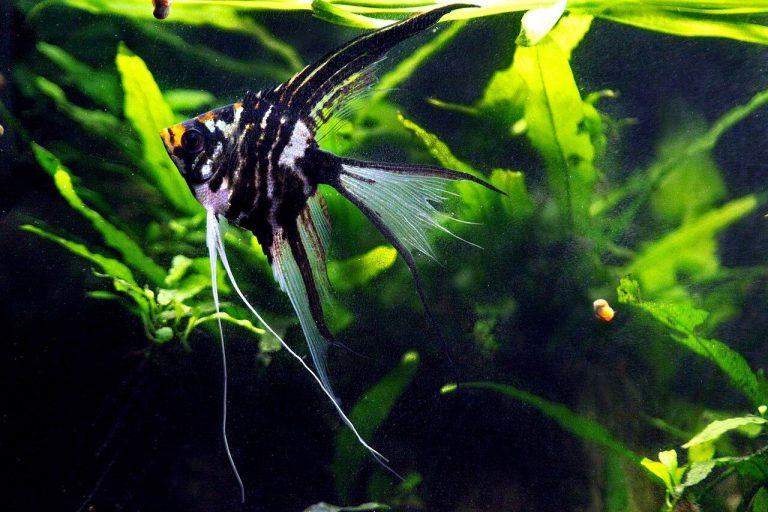
Seeing those dreaded white spots on your majestic Pterophyllum scalare can be a heart-stopping moment for any hobbyist. These spots, which look like tiny grains of salt, indicate an infestation of the protozoan parasite Ichthyophthirius multifiliis, commonly known as “Ich.”
In my experience of keeping these “Kings of the Amazon” for over a decade, I have learned that time is of the essence. Understanding how to treat ich in angelfish requires a balance of biological knowledge and patient observation. If you act quickly and follow a structured protocol, your fish have a very high chance of making a full recovery.
Angelfish are generally resilient, but their large, flowing fins make them particularly vulnerable to external parasites. This guide will walk you through the science of the disease and the most effective methods to clear your tank of this persistent pest. By the end, you will feel confident in your ability to restore health to your aquatic habitat.
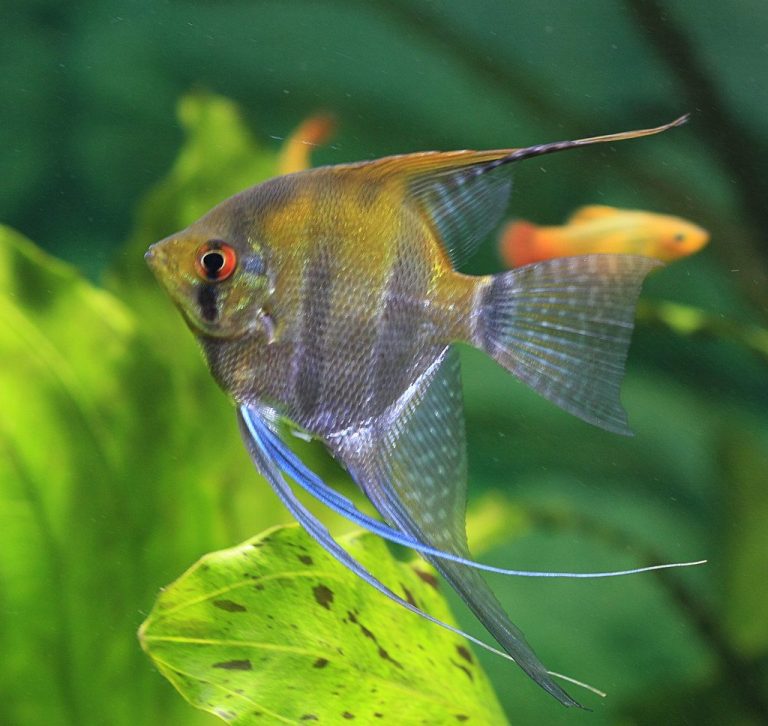
At a glance: Freshwater angelfish (Pterophyllum scalare)
- Temperature
- 76–84°F (24–29°C)
- Water pH
- 6.0–7.5
- Adult size
- 6 in long, 8 in tall (15 × 20 cm)
- Minimum tank
- 30 gal for a pair, 55 gal tall for a group
- Group size
- Pair or group of 5+
- Temperament
- Semi-aggressive, territorial when breeding
- Diet
- Omnivore: pellets, flakes, frozen bloodworm and brine shrimp
- Lifespan
- 10–12 years
Keeper’s tip: Choose a tall tank; height matters more than length for a fish that grows taller than it is long.
Understanding the Life Cycle of Ichthyophthirius multifiliis
Before you can successfully implement a plan on how to treat ich in angelfish, you must understand your enemy. Ich is not a simple infection that stays on the fish; it is a complex parasite with three distinct life stages. Treatment is only effective during one specific part of this cycle.
The first stage is the Trophont, which is the visible white spot on your angelfish. During this stage, the parasite is burrowed under the skin and protected by the fish’s mucus coat. This means that medications and salt treatments cannot reach it while it is attached to the host.
Once the trophont matures, it falls off the fish and becomes a Tomont. This stage occurs on the substrate or decorations, where the parasite encysts and begins to divide rapidly. Thousands of new parasites are produced within this protective shell, waiting to be released into the water column.
The final and most vulnerable stage is the Theront. These are the free-swimming “swarmers” that emerge from the tomont to find a new host. This is the only stage where your interventions, such as heat or Malachite green, can actually kill the parasite. Because the cycle speeds up in warmer water, temperature control is your best tool.
Expert Tip: Never stop treatment as soon as the white spots disappear! Those spots are only the trophonts. The parasites are likely still in the tomont stage in your gravel, waiting to release a new wave of theronts to re-infect your fish.
How To Treat Ich In Angelfish Effectively
There are two primary ways to approach treatment: the “Heat and Salt” method or the “Chemical Medication” method. In my early years of fish keeping, I preferred medications, but I have since found that heat and salt are often less stressful for angelfish if caught early. The choice often depends on whether you have sensitive plants or tank mates in the aquarium.
Angelfish naturally prefer warmer water, which gives them an advantage during treatment. While many community fish might struggle with high temperatures, Pterophyllum scalare can typically handle the heat required to disrupt the parasite’s life cycle. This makes proper angelfish maintenance much easier during a disease outbreak.
Regardless of the method you choose, you should start by performing a 25-30% water change. This helps reduce the number of free-swimming theronts and improves the overall water quality. Clean water is the foundation of any recovery process, as it reduces the secondary stress on the fish’s immune system.
The Heat and Salt Method
This method relies on osmotic shock and metabolic acceleration to kill the parasite. By raising the temperature, you force the ich to move through its life cycle faster. When the theronts emerge into the salty water, the Sodium chloride (aquarium salt) dehydrates and kills them.
Gradually increase your tank temperature to 86°F (30°C) over a period of 24 to 48 hours. Do not jump the temperature too quickly, as this can shock the fish. I typically aim for an increase of 1 degree every 4 to 6 hours until the target is reached.
Add 1 to 2 tablespoons of aquarium salt per 5 gallons of water. It is vital to dissolve the salt in a separate container of tank water before pouring it in. This prevents “salt burn” if a fish swims through a concentrated cloud of undissolved grains. You can check if dosing salt correctly is appropriate for your specific tank setup before starting.
| Treatment Factor | Heat & Salt Method | Medication Method |
|---|---|---|
| Complexity | Moderate (requires monitoring) | Easy (follow bottle dosing) |
| Cost | Very Low | Moderate |
| Plant Safety | Low (Salt can kill plants) | Variable (Copper kills some) |
| Effectiveness | High for early stages | Very High for advanced cases |
Managing Oxygen and Water Quality During Treatment
One common mistake I see when people learn how to treat ich in angelfish is neglecting oxygen levels. As water temperature increases, its dissolved oxygen saturation decreases. This means your fish have to work harder to breathe just when their gills might be irritated by the parasite.
To combat this, you should increase surface agitation. You can do this by adding an air stone or adjusting your filter outlet to create more ripples on the surface. If you see your angelfish gasping at the surface, it is a clear sign that the oxygen levels are too low for the current temperature.
Furthermore, some medications can further deplete oxygen or even damage your beneficial bacteria. Always monitor your ammonia and nitrite levels daily during treatment. A “mini-cycle” or a spike in toxins can be more lethal than the ich itself when the fish are already weakened.
Expert Tip: If you are using a hang-on-back filter, lower the water level slightly. The increased “splash” from the filter return will significantly boost oxygen exchange at the surface, which is vital during heat treatments.
Using Medications: Malachite Green and Formalin
If the heat and salt method isn’t an option—perhaps because you have very sensitive plants—chemical treatments are the next step. Most effective ich medications contain a combination of Malachite green and Formalin. These chemicals are highly effective at killing the theront stage of the parasite.
When using medication, you must remove any active carbon from your filter. Carbon is designed to pull impurities and chemicals out of the water, which includes the medicine you just added. If you leave the carbon in, the treatment will be neutralized and ineffective.
Always follow the manufacturer’s dosage instructions exactly. Overdosing can be toxic to your fish, while underdosing allows the parasite to build resistance. I usually recommend a 25% water change before every subsequent dose to keep the water fresh and the medication levels stable.
Keep in mind that Malachite green can stain the silicone in your aquarium a light blue or green color. It can also be harmful to invertebrates like snails and shrimp. If you have a diverse community tank, it is often safer to move the affected angelfish to a hospital tank for medication.
Prevention: Keeping Ich Out of Your Aquarium
The best way to handle how to treat ich in angelfish is to never have to do it at all. Ich is almost always introduced by adding new fish, plants, or even used equipment that hasn’t been properly disinfected. I have a strict 30-day quarantine policy for any new addition to my tanks.
Stress is the primary trigger that allows a minor presence of ich to turn into a full-blown outbreak. Angelfish are sensitive to water parameters, so maintaining the ideal warmth for your tank and keeping nitrates low is essential. A healthy fish has a strong slime coat that makes it difficult for trophonts to attach.
Check your fish daily for changes in behavior. “Flashing,” or rubbing their bodies against rocks and plants, is often the first sign of irritation before the white spots even appear. If you catch it during the flashing stage, a simple increase in temperature might be enough to stop the outbreak in its tracks.
Questions I get asked a lot
Can angelfish survive ich without treatment?
It is highly unlikely. While a very healthy fish might fight off a minor infestation, the parasite multiplies so quickly in an aquarium environment that it eventually overwhelms the host. Without intervention, the parasite will damage the gills, leading to respiratory failure.
Is aquarium salt safe for all angelfish?
Yes, in moderate doses. Angelfish can tolerate salt well for short-term medicinal purposes. However, long-term exposure to high salinity can stress their kidneys, so always perform water changes to remove the salt once the treatment is complete.
How long does it take for ich to go away?
The duration depends on the temperature. At 86°F, the cycle is completed in about 3 to 5 days. However, I recommend continuing treatment for at least 3 days after the last spot disappears to make sure all tomonts have hatched and been killed.
Can I use copper-based treatments for angelfish?
Copper is effective against ich but can be quite harsh. Angelfish generally tolerate it, but it is much more dangerous for the biological filter and any invertebrates in the tank. Only use copper if other methods have failed and you can accurately measure the copper levels with a test kit.
Why did my angelfish get ich even though I didn’t add new fish?
Ich can sometimes be present in low numbers that the fish’s immune system keeps in check. If the water temperature drops suddenly—perhaps due to a heater failure—the fish’s immune system weakens, allowing the parasite to proliferate. This is why a reliable heater is a must-have for angelfish.
Final thoughts
Mastering how to treat ich in angelfish is a rite of passage for many aquarists. While it is a stressful experience, it is also a manageable one if you remain calm and consistent with your treatment plan. Remember that the key is to target the free-swimming stage of the parasite by manipulating the environment.
Whether you choose the natural route of heat and salt or the power of modern medications, your goal is to support your angelfish’s immune system while making the water uninhabitable for the parasite. Keep the water clean, the oxygen high, and the temperature stable.
Once your angelfish are spot-free and rich again, take a moment to review your quarantine and maintenance habits. Preventing the next outbreak is always easier than treating one. Looked after properly, your angelfish will continue to be the eye-catching centerpieces of your aquarium for many years to come.

- 2003First tank
- 20+Years keeping
- 40+Tanks kept
- 0Sponsored picks
Howard set up his first 10-gallon planted tank in 2003 and lost half of it within six weeks. Two decades and more than forty aquariums later, he writes the guides he wished he had then: clear numbers, the reasons behind them, and what actually goes wrong in home tanks.