Do Angelfish Need A Heater? The Definitive Guide To A Thriving
Yes, angelfish absolutely need a heater. As tropical freshwater fish, they require stable water temperatures between 76-82°F (24-28°C) to maintain their health, metabolism, and immune system, preventing stress and disease.
Welcome to “Successful Aquarium”. If you’re pondering the question, “do angelfish need a heater?”, you’ve come to the right place. Keeping angelfish healthy and rich is a rewarding experience, but it hinges significantly on understanding and meeting their environmental needs.
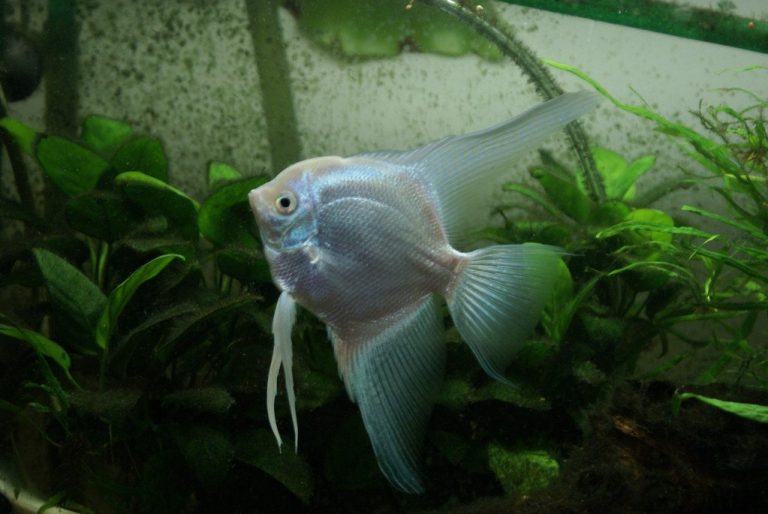
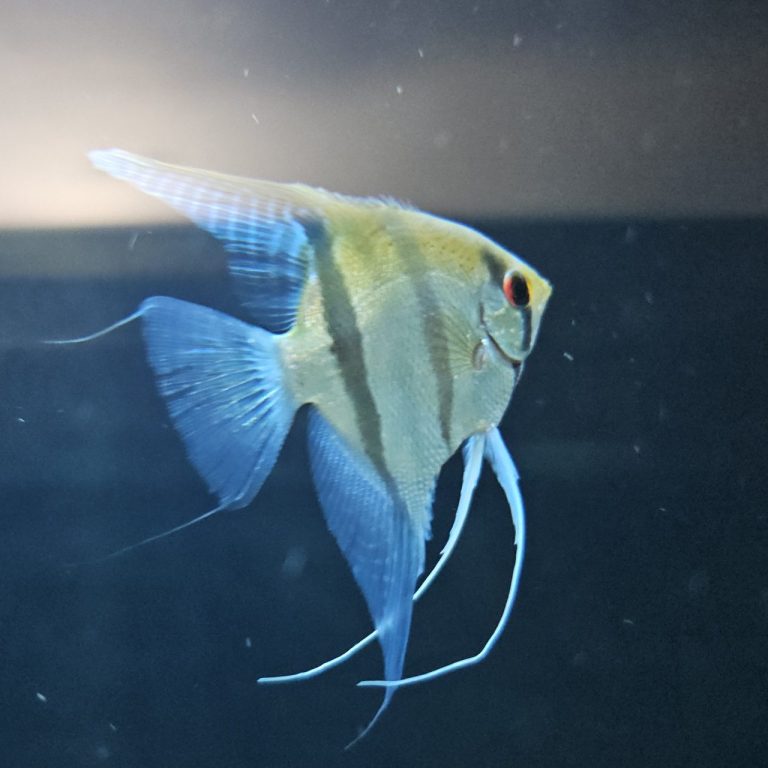
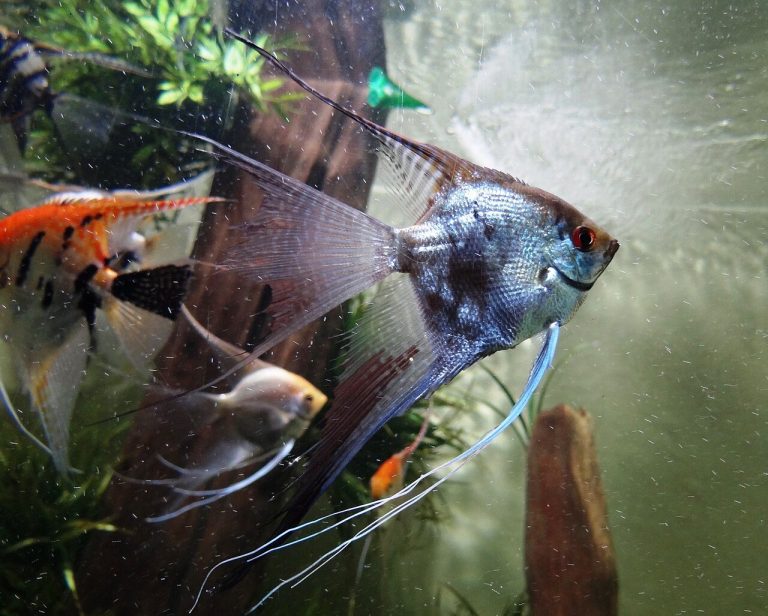
These majestic cichlids, with their elegant fins and striking patterns, originate from the warm, tropical waters of the Amazon basin. This natural habitat dictates a fundamental requirement for their well-being in your home aquarium: consistent, warm water temperatures.
In this comprehensive guide, we’ll look closely at why a heater isn’t just an accessory but an absolute necessity for your angelfish. We’ll cover everything from ideal temperature ranges and the risks of cold water to selecting the perfect heater and maintaining overall water stability.
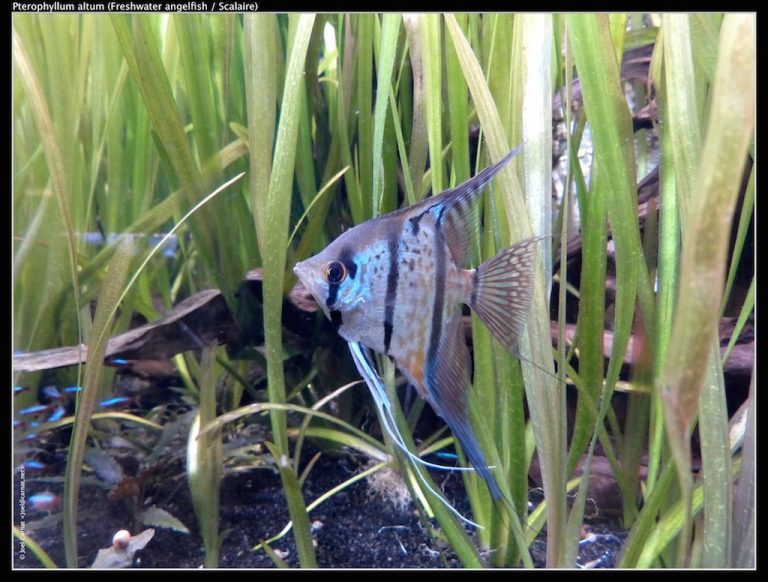
At a glance: Freshwater angelfish (Pterophyllum scalare)
- Temperature
- 76–84°F (24–29°C)
- Water pH
- 6.0–7.5
- Adult size
- 6 in long, 8 in tall (15 × 20 cm)
- Minimum tank
- 30 gal for a pair, 55 gal tall for a group
- Group size
- Pair or group of 5+
- Temperament
- Semi-aggressive, territorial when breeding
- Diet
- Omnivore: pellets, flakes, frozen bloodworm and brine shrimp
- Lifespan
- 10–12 years
Keeper’s tip: Choose a tall tank; height matters more than length for a fish that grows taller than it is long.
The Key Role of Temperature for Angelfish Health
Temperature is one of the most critical parameters in any aquarium, especially for tropical species like angelfish. It directly impacts their metabolism, immune system, and overall stress levels.
Maintaining a stable and appropriate temperature range is fundamental to preventing illness and promoting active, healthy behavior.
Best Temperature Range for Angelfish
Angelfish settle in in a specific temperature range that mimics their native Amazonian waters. For most common angelfish varieties, the ideal water temperature is between 76-82°F (24-28°C).
Slight variations within this range are generally acceptable, but drastic or rapid fluctuations can be extremely detrimental.
In my experience, keeping the temperature consistently around 78-80°F (25.5-26.5°C) tends to yield the best results for general health and activity. When I first started keeping these beautiful fish, I underestimated how critical even small temperature swings could be.
Pro Tip: Invest in a reliable aquarium thermometer in addition to your heater’s built-in thermostat. Electronic thermometers are often more accurate than traditional stick-on types. Place it at the opposite end of the tank from your heater to get a true reading of the overall water temperature.
What Happens If Angelfish Don’t Have a Heater?
Leaving angelfish in an unheated aquarium, particularly in cooler ambient room temperatures, can lead to a host of severe health issues. Their delicate systems are not designed for cold water or rapid temperature changes.
Without a heater, the water temperature will simply equalize with your room’s temperature, which is rarely warm enough or stable enough for these tropical beauties.
Signs of Cold Stress in Angelfish
When angelfish are subjected to temperatures outside their ideal range, especially on the colder side, they exhibit clear signs of distress. Recognizing these symptoms early can be vital for intervention.
Common indicators include lethargy, diminished appetite, clamped fins, and a dulling of their bright coloration. They may also appear to “shiver” or struggle to swim properly.
Prolonged exposure to cold stress weakens their immune system, making them highly susceptible to common freshwater diseases like Ich (white spot disease), fungal infections, and bacterial infections. In severe cases, it can lead to organ failure and death.
Choosing the Right Aquarium Heater for Your Angelfish Tank
Selecting the correct heater is the top priority for maintaining the stable environment your angelfish need. There are several types of heaters available, each with its own advantages and considerations.
The goal is to provide consistent, even heat throughout the entire aquarium without creating hotspots or dramatic temperature swings.
Heater Types and Their Pros & Cons
Understanding the different options will help you make an informed decision for your angelfish aquarium setup. Here’s a quick comparison of common heater types:
| Heater Type | Description | Pros | Cons |
|---|---|---|---|
| Submersible Heaters | Most common type, fully submerged in the tank. Often made of glass or titanium. | Excellent heat distribution, discreet, widely available, often affordable. | Glass models can be fragile; potential for localized hotspots if circulation is poor. |
| Hang-on-Back (HOB) Heaters | Designed to hang on the rim of the tank, with the heating element submerged. | Easy installation, minimal internal tank footprint. | Less efficient heat distribution than fully submersible; can be bulky outside the tank. |
| In-line Heaters | Connected to the aquarium filter’s return line, heating water as it circulates. | Completely hidden from view, excellent heat distribution due to water flow. | More expensive, requires external filter, can be complex to install. |
| Substrate/Cable Heaters | Heating cables placed under the substrate, primarily for planted tanks. | Promotes root growth in plants, gentle heating. | Not typically sufficient as a primary heater for tropical fish; difficult to install after tank setup. |
For most angelfish setups, a high-quality submersible heater is the most practical and effective choice. Look for models with an adjustable thermostat and an indicator light.
Sizing Your Heater: Wattage Recommendations
The wattage of your heater needs to match the volume of your aquarium and the ambient room temperature. A good rule of thumb is to provide 3-5 watts per gallon of water.
For example, a 29-gallon tank, a common size for a pair of adult angelfish, would typically need a 100-150 watt heater. Larger tanks, such as a 55-gallon angelfish setup, might require a 200-300 watt heater.
If your room is particularly cool or prone to drafts, opt for the higher end of the wattage recommendation. It’s often safer to have a slightly overpowered heater that runs less frequently than an underpowered one struggling to maintain temperature.
Proper Heater Placement and Monitoring
Correct placement of your heater is essential for even heat distribution. Position submersible heaters near water flow, such as by the filter’s output, to help disperse the warm water throughout the tank.
Avoid placing it directly against the glass or substrate, as this can create inefficient heating or even stress points. Always help the heater is fully submerged according to the manufacturer’s instructions.
Common Mistake: Relying solely on a single, oversized heater for a large tank. While a powerful heater can heat a large volume, a single point of heat can lead to temperature stratification. For tanks 55 gallons and larger, consider using two smaller heaters (e.g., two 150W heaters instead of one 300W) placed at opposite ends of the tank. This provides redundancy and makes sure more even heat distribution, critical for sensitive species like angelfish.
Maintaining a Stable Angelfish Environment Beyond the Heater
While a heater addresses the question, “do angelfish need a heater?”, it’s just one piece of the puzzle for a flourishing angelfish aquarium. A successful environment involves several interconnected factors.
Overall water stability, including chemical parameters and regular maintenance, works in concert with temperature control to keep your angelfish healthy and stress-free.
Beyond Temperature: Water Parameters
Angelfish are sensitive to water quality, and maintaining stable parameters is just as important as temperature. Here’s a quick reference for their ideal water chemistry:
| Parameter | Ideal Range for Angelfish | Importance |
|---|---|---|
| Temperature | 76-82°F (24-28°C) | Metabolism, immune function, stress reduction. |
| pH | 6.0-7.5 | Enzyme function, respiration; stability is key. |
| General Hardness (GH) | 3-8 dGH (50-150 ppm) | Essential mineral content for osmoregulation. |
| Carbonate Hardness (KH) | 3-6 dKH (50-100 ppm) | pH buffering capacity, preventing pH crashes. |
| Ammonia (NH3/NH4+) | 0 ppm | Highly toxic, product of fish waste; always test for zero. |
| Nitrite (NO2-) | 0 ppm | Toxic, intermediate product of the nitrogen cycle; always test for zero. |
| Nitrate (NO3-) | <20 ppm (ideally <10 ppm) | Less toxic but accumulates; controlled by water changes. |
Regular water testing using a reliable liquid test kit is essential. Weekly or bi-weekly water changes are important for diluting nitrates and replenishing essential minerals.
Regular Maintenance for a Well-kept Tank
Beyond water parameters, a clean and well-maintained tank significantly contributes to your angelfish’s health. This includes proper filtration, adequate tank size, and a balanced diet.
Make sure your filtration system is appropriate for your tank size and stocked bioload, providing both mechanical and biological filtration. Overstocking can quickly lead to poor water quality, even with a good heater and filter.
For more detailed information on their overall needs, you might find our Angelfish Species Guide helpful.
Advanced Tips for Angelfish Keepers
For those looking to go beyond the basics, there are several steps you can take to further bring out the stability and safety of your angelfish environment.
These tips often involve redundancy and proactive measures, making sure your fish are protected even in unexpected situations.
Heater Redundancy and Power Outages
Consider using two smaller heaters instead of one large one for tanks over 55 gallons. If one heater fails, the other can help maintain a safe temperature until you can replace the faulty unit. This redundancy is a lifesaver.
During power outages, especially in cooler climates, the tank temperature can drop rapidly. Having a battery-powered air pump can help maintain oxygen levels, but keeping the tank insulated with blankets or towels can slow down heat loss.
Seasonal Adjustments and Room Temperature
While your heater does most of the work, being mindful of ambient room temperature changes throughout the year is wise. In colder months, you might notice your heater working harder.
Ensure your aquarium is not placed near drafty windows or direct heat sources like radiators, as these can create inconsistent temperatures within the tank.
FAQ: Answering Your Angelfish Heater Questions
Here are some common questions aquarists have about angelfish and their heating needs.
Do baby angelfish need a heater?
Yes, absolutely. In fact, fry and juvenile angelfish are even more sensitive to temperature fluctuations and cold water than adults. Stable, warm temperatures are vital for their rapid growth and development.
Can angelfish survive in room temperature water?
Only if your “room temperature” consistently stays within their ideal range of 76-82°F (24-28°C), which is highly unlikely for most homes. Even small dips below 75°F (24°C) can cause stress and health problems over time. A heater provides the necessary stability.
What temperature is too cold for angelfish?
Any temperature consistently below 75°F (24°C) is generally considered too cold for angelfish. Prolonged exposure to temperatures below 72°F (22°C) is dangerous and can quickly lead to illness and death.
How long can angelfish go without a heater?
This depends entirely on the ambient room temperature. In a warm room (e.g., 75°F/24°C), they might survive for a day or two without significant immediate harm. However, in a cooler room (e.g., 68°F/20°C), serious stress and health issues can develop within hours. It’s best practice to never intentionally keep them without a heater.
What is the ideal temperature for breeding angelfish?
For breeding, many aquarists slightly increase the temperature to the higher end of their right range, typically 80-82°F (27-28°C). This can help stimulate spawning behavior. After spawning, some will slightly lower it back to the normal range.
Can other tropical fish live with angelfish in the same heated tank?
Many other tropical fish species, especially peaceful community fish, can cohabitate with angelfish in a properly heated tank. It’s vital to select tank mates that also settle in in the 76-82°F (24-28°C) range and have similar water parameter needs. Good candidates include many tetras (like neon fish or other tetras), peaceful barbs, and some catfish species.
My final take
To definitively answer the question, “do angelfish need a heater?”, the answer is a resounding yes. Providing a stable, warm water temperature is not merely an option but a fundamental requirement for the health, vitality, and longevity of your angelfish.
Once you understand their natural habitat, recognizing the risks of cold water, and investing in a reliable heater, you’re setting the foundation for a healthy angelfish aquarium. Remember to pair your heater with a quality thermometer and maintain overall water stability through regular testing and maintenance.
Your beautiful angelfish will reward your diligent care with years of majestic presence in your home.

- 2003First tank
- 20+Years keeping
- 40+Tanks kept
- 0Sponsored picks
Howard set up his first 10-gallon planted tank in 2003 and lost half of it within six weeks. Two decades and more than forty aquariums later, he writes the guides he wished he had then: clear numbers, the reasons behind them, and what actually goes wrong in home tanks.