Do Angelfish Need Aquarium Salt? The Complete Guide To Safe Salt
No, angelfish do not need aquarium salt for daily survival as they are freshwater fish. However, salt can be a powerful therapeutic tool for treating parasites, fungal infections, or reducing osmotic stress during illness.
When you first bring home a majestic pair of Pterophyllum scalare, the desire to provide the perfect environment is overwhelming. You might hear conflicting advice at the local fish store about whether “do angelfish need aquarium salt” to stay healthy and bright.
In my experience, this is one of the most misunderstood topics in the freshwater hobby. Many beginners assume that salt is a general “tonic” that should be added during every water change.
However, these graceful cichlids hail from the soft, acidic waters of the Amazon River basin. Understanding when and why to use sodium chloride is essential for maintaining their long-term health and preventing unnecessary stress.
At a glance: Freshwater angelfish (Pterophyllum scalare)
- Temperature
- 76–84°F (24–29°C)
- Water pH
- 6.0–7.5
- Adult size
- 6 in long, 8 in tall (15 × 20 cm)
- Minimum tank
- 30 gal for a pair, 55 gal tall for a group
- Group size
- Pair or group of 5+
- Temperament
- Semi-aggressive, territorial when breeding
- Diet
- Omnivore: pellets, flakes, frozen bloodworm and brine shrimp
- Lifespan
- 10–12 years
Keeper’s tip: Choose a tall tank; height matters more than length for a fish that grows taller than it is long.
Understanding the Basics: Do Angelfish Need Aquarium Salt Daily?
The short answer is no; angelfish are strictly freshwater fish and do not require salt in their permanent environment. Unlike guppies or mollies, which can stay healthy in slightly brackish conditions, angelfish have evolved to live in water with very low mineral content.
Adding salt as a permanent fixture in your tank can lead to a high level of Total Dissolved Solids (TDS). Over time, this may irritate the delicate skin and gills of your fish rather than helping them.
If you are researching the origins of these cichlids, you will find they naturally inhabit blackwater and whitewater environments. These regions have almost zero salinity, making salt an alien substance to their biology in a natural setting.
Pro Tip: I’ve noticed that many keepers confuse “aquarium salt” with “marine salt.” Never use marine salt mixes in a freshwater tank, as they contain buffers that will drastically swing your pH and hardness levels, which can be fatal for angelfish.
The Science of Osmoregulation and Electrolyte Balance
To understand why salt is used at all, we have to look at osmoregulation. This is the process by which a fish maintains the internal balance of salt and water in its body.
Freshwater fish are “saltier” than the water around them. Because of this, water is constantly trying to rush into their bodies through their mucous membrane and gills.
To combat this, their chloride cells work hard to pump essential ions back into their blood. When a fish is sick or stressed, this process becomes difficult, leading to osmotic stress.
By adding a small, controlled amount of salt, you temporarily make the water slightly more similar to the fish’s internal fluids. This reduces the energy the fish must spend on osmoregulation, allowing it to focus its energy on healing.
When to Use Aquarium Salt for Angelfish
While salt shouldn’t be a daily additive, it is an invaluable tool in your “fishy first aid kit.” There are specific scenarios where I have seen salt save an angelfish from a downward spiral.
Treating Parasites and Ich
Salt is a classic remedy for Ichthyophthirius multifiliis, commonly known as Ich or white spot disease. It works by disrupting the life cycle of the parasite and making it difficult for them to attach to the host.
Reducing Nitrite Toxicity
If your nitrogen cycle crashes, nitrites can prevent your fish’s blood from carrying oxygen. The chloride ions in salt compete with nitrite at the gill membrane, effectively blocking the toxin from entering the bloodstream.
Supporting Wound Healing
If your angelfish has nipped fins or physical scrapes from tank décor, salt can help. It promotes the production of a healthy slime coat, which acts as a natural barrier against secondary bacterial infections.
Common Mistake: Many hobbyists add salt directly into the tank without pre-dissolving it. This can cause “salt burns” if a crystal lands on a fish or a bottom-dweller like a Corydoras. Always dissolve the salt in a container of tank water first.
Salt Usage Decision Matrix
To help you decide if your current situation warrants salt, I have created this practical decision table. This will guide you on when “do angelfish need aquarium salt” based on common symptoms.
| Scenario | Should You Use Salt? | Primary Benefit |
|---|---|---|
| Standard Water Change | No | Keeps TDS low and natural. |
| Visible Ich Spots | Yes (Therapeutic) | Dehydrates the parasite. |
| Nitrite Spike (>0.5ppm) | Yes (Emergency) | Prevents brown blood disease. |
| Minor Fin Nipping | Optional | Boosts mucous membrane protection. |
| Heavily Planted Tank | Rarely | Salt can kill many aquatic plants. |
How to Safely Administer Aquarium Salt
If you have determined that your fish requires treatment, the method of delivery is just as important as the dose. Salt does not evaporate, so it only leaves the tank through water changes.
For a mild therapeutic dose, I generally recommend 1 tablespoon per 5 gallons of water. If you are treating a specific illness, you can gradually increase this, but monitor your fish closely for signs of distress.
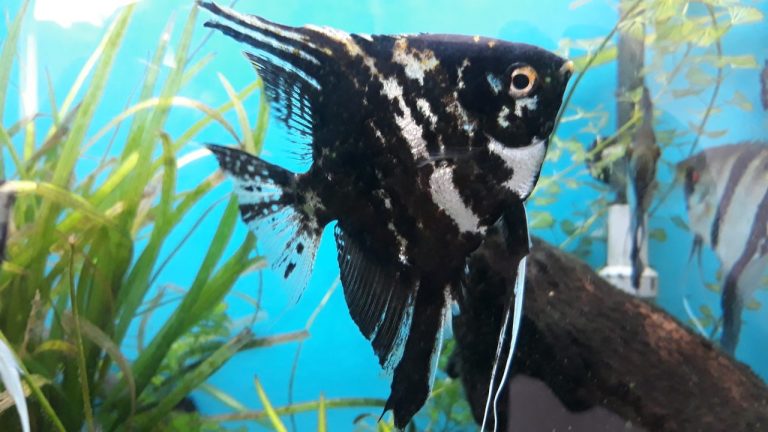
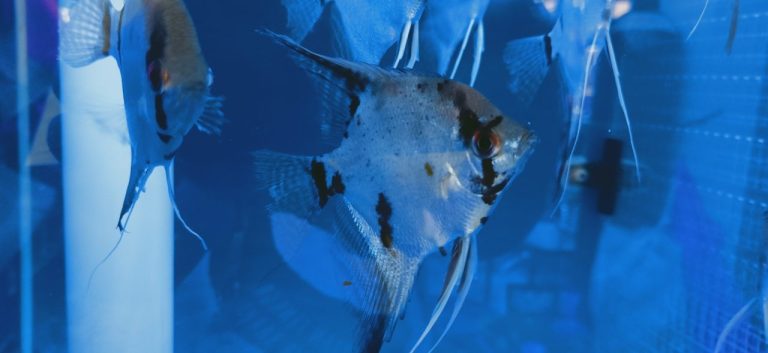
When dealing with unique color morphs like Platinums or Kois, be extra cautious. These varieties can sometimes be more sensitive to rapid changes in water chemistry than the standard silver types.
Always perform a 25-50% water change before starting salt treatment. This helps make sure the water is clean and allows you to track exactly how much salt you are adding to the system.
Potential Risks and Side Effects of Sodium Chloride
While salt is generally safe, it is not without risks. The biggest danger is “salt creep” or the gradual buildup of salinity over time if you don’t track your water changes correctly.
High salinity can cause electrolyte balance issues, leading to lethargy and kidney damage in freshwater species. You may notice your angelfish hovering near the surface or breathing heavily if the salt concentration is too high.
Furthermore, salt is devastating to most live plants. Species like Vallisneria or Amazon Swords, which are staples in an angelfish setup, will often melt and die when exposed to therapeutic salt levels.
If you have a planted tank, it is always better to move the sick fish to a separate “hospital tank.” This allows you to treat the fish effectively without destroying your hard-earned aquascape.
Alternatives to Salt for Sensitive Amazonian Species
If you are hesitant about using salt, there are several natural alternatives that fit the angelfish’s natural habitat much better. These methods focus on the “blackwater” approach.
Indian Almond Leaves (Catappa leaves) are my go-to recommendation for Pterophyllum scalare. They release tannins that have natural antibacterial and antifungal properties without altering the specific gravity of the water.
Tannins also help lower the pH slightly, mimicking the soft water of the Amazon. This can be much more soothing for an angelfish than a dose of sodium chloride.
Following proper maintenance routines is the best way to avoid needing salt in the first place. Clean water is the most effective medicine for almost any freshwater ailment.
Still wondering?
Does aquarium salt kill beneficial bacteria?
In standard therapeutic dosages, aquarium salt will not harm your beneficial bacteria. However, extremely high concentrations used in “salt baths” should be kept separate from your main biological filter.
How long should I keep salt in the tank?
Salt should only remain in the tank until the symptoms have disappeared. Once the fish is healthy, perform a series of 20% water changes over several days to gradually remove the salt.
Can I use table salt instead of aquarium salt?
I strongly advise against using table salt. Table salt often contains iodine and anti-caking agents like yellow prussiate of soda, which can be toxic to fish. Always use pure sodium chloride sold specifically for aquarium use.
Will salt affect my snails or shrimp?
Yes, invertebrates are often very sensitive to salt. If you have ornamental snails or shrimp in your tank, salt can be lethal to them even at low doses. Always check the compatibility of all inhabitants before dosing.
Does salt help with swim bladder issues?
Salt can sometimes help if the swim bladder issue is caused by a mild infection or constipation. It acts as a mild laxative and can reduce internal swelling, but it is not a guaranteed cure for all buoyancy problems.
Final Thoughts on Salt and Angelfish
In conclusion, the question of “do angelfish need aquarium salt” comes down to the difference between necessity and therapy. Your angelfish do not need salt to live a long, healthy life in a well-maintained freshwater aquarium.
In fact, keeping them in salt-free water that mimics their natural habitat is the best way to make sure they settle in. Save the salt for those moments when your fish are struggling with disease or high stress.
By using salt judiciously and always prioritizing water quality, you will provide your angelfish with the best possible care. These “Kings of the Aquarium” deserve a stable environment where they can show off their eye-catching fins and intelligent personalities.
Remember that every tank is a unique ecosystem. Observe your fish daily, and they will tell you exactly what they need to stay healthy.

- 2003First tank
- 20+Years keeping
- 40+Tanks kept
- 0Sponsored picks
Howard set up his first 10-gallon planted tank in 2003 and lost half of it within six weeks. Two decades and more than forty aquariums later, he writes the guides he wished he had then: clear numbers, the reasons behind them, and what actually goes wrong in home tanks.