How Often To Feed Angelfish – What and How Often to Feed
Feed adult angelfish once or twice daily, offering only what they can consume in two minutes. Juvenile angelfish require more frequent feedings, typically three to four times a day, to support their rapid growth and high metabolic rate.
Feeding your fish might seem like the simplest part of the hobby, but mastering the schedule for the majestic Pterophyllum scalare requires a bit of nuance. When I first started keeping these “Kings of the Aquarium,” I made the mistake of thinking more food equaled faster growth, only to struggle with water quality issues.
Understanding how often to feed angelfish is about balancing their nutritional needs with the biological capacity of your aquarium. These fish have specific dietary requirements that change significantly as they transition from tiny fry to saucer-sized adults.
In this guide, I will share the strategies I have developed over a decade of fish keeping to make sure your angelfish stay colorful, energetic, and healthy. We will look at metabolic rates, the impact of food on water chemistry, and how to tailor a schedule that fits your specific tank setup.
At a glance: Freshwater angelfish (Pterophyllum scalare)
- Temperature
- 76–84°F (24–29°C)
- Water pH
- 6.0–7.5
- Adult size
- 6 in long, 8 in tall (15 × 20 cm)
- Minimum tank
- 30 gal for a pair, 55 gal tall for a group
- Group size
- Pair or group of 5+
- Temperament
- Semi-aggressive, territorial when breeding
- Diet
- Omnivore: pellets, flakes, frozen bloodworm and brine shrimp
- Lifespan
- 10–12 years
Keeper’s tip: Choose a tall tank; height matters more than length for a fish that grows taller than it is long.
The Biological Connection: Age and Metabolic Rate
The age of your fish is the most significant factor in determining your feeding schedule. Younger fish are in a constant state of development, requiring a steady stream of nutrients to build muscle and bone structure.
Adult angelfish have a much slower metabolic rate compared to their younger counterparts. Once they reach their full size, their energy requirements shift from growth to maintenance and reproductive health.
In my experience, observing the “belly profile” of your fish is the best way to tell if your frequency is correct. A slightly rounded belly is perfect, while a sunken or excessively bulging midsection indicates a problem with your schedule.
Feeding Schedule by Life Stage
To help you visualize the needs of your fish, I have put together this reference table based on standard growth milestones. These frequencies help your fish receive enough energy without overwhelming the nitrogen cycle.
| Life Stage | Age Range | Daily Frequency | Primary Food Type |
|---|---|---|---|
| Fry (Free Swimming) | 0–4 Weeks | 4–6 times | Artemia nauplii (Baby Brine Shrimp) |
| Juveniles | 1–6 Months | 3–4 times | High-protein flakes and crushed pellets |
| Sub-Adults | 6–12 Months | 2 times | Mixed frozen, live, and dry foods |
| Mature Adults | 1 Year+ | 1–2 times | Balanced staple diet with treats |
Pro Tip: If you are raising fry, frequency is more important than volume. Use a turkey baster to target-feed small amounts of Artemia nauplii directly to the cloud of fry to minimize waste.
How Often to Feed Angelfish for Best Health
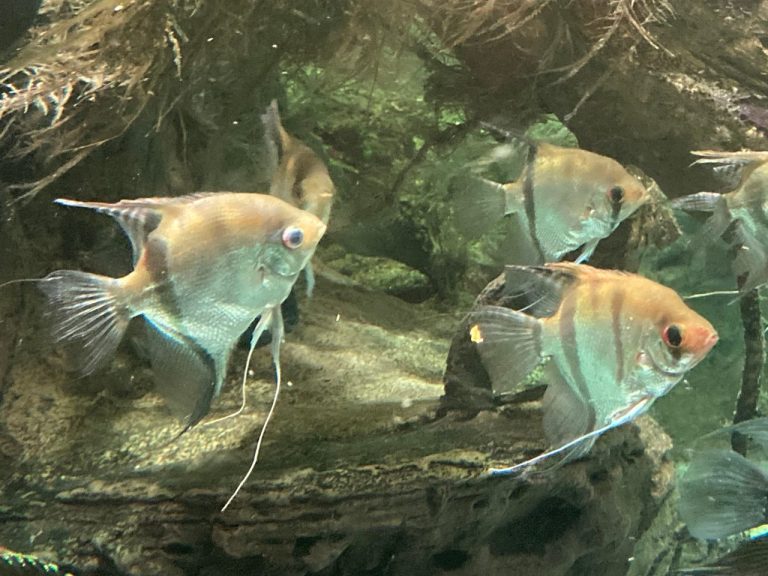
For the average hobbyist keeping adult fish, feeding twice a day is the gold standard. I typically recommend a morning feeding and an evening feeding, spaced at least eight hours apart.
This spacing allows the fish’s digestive tract to process the first meal before the second arrives. Angelfish are opportunistic feeders and will often act hungry even when they are full, so do not let their “begging” at the glass fool you.
If you have a busy schedule, feeding once a day is perfectly acceptable for healthy adults. In fact, many successful keepers prefer a once-daily routine to keep the bioload lower and the water cleaner.
The Importance of the “Fast Day”
I have found that implementing a “fast day” once a week is incredibly beneficial for adult angelfish. Skipping food for 24 hours allows their system to fully clear out any undigested material.
This practice significantly reduces the risk of constipation and swim bladder disorder. It also encourages the fish to forage around the tank, which provides mental stimulation and keeps them active.
If you are worried about your fish being hungry, keep in mind that in the wild, they often go days without a substantial meal. A well-fed aquarium fish has plenty of fat reserves to handle a single day of fasting.
Managing the Bioload and Water Chemistry
Every time you feed your fish, you are essentially adding potential waste to the water. The frequency of your feedings directly impacts the Ammonia concentration and Nitrate levels in your aquarium.
Overfeeding, or feeding too frequently, leads to uneaten food rotting in the substrate. This decay consumes dissolved oxygen, which can stress your fish and lead to gasping at the surface.
When I am helping a fellow hobbyist troubleshoot algae or health issues, the first thing I look at is their feeding habits. High nitrates are almost always a result of feeding more than the biological filter can handle.
Pro Tip: Always perform a 25% water change weekly if you are feeding more than twice a day. This helps export the excess nutrients before they can cause an algae bloom or stress your fish.
Quality and Protein Bioavailability
It is not just about how often you feed, but also what you are putting in the tank. High-quality foods with high protein bioavailability are absorbed more efficiently by the fish.
When the food is high quality, the fish produce less solid waste, which keeps the aquarium cleaner. Look for foods where the first few ingredients are whole proteins like salmon, shrimp, or krill rather than “fish meal” or “wheat gluten.”
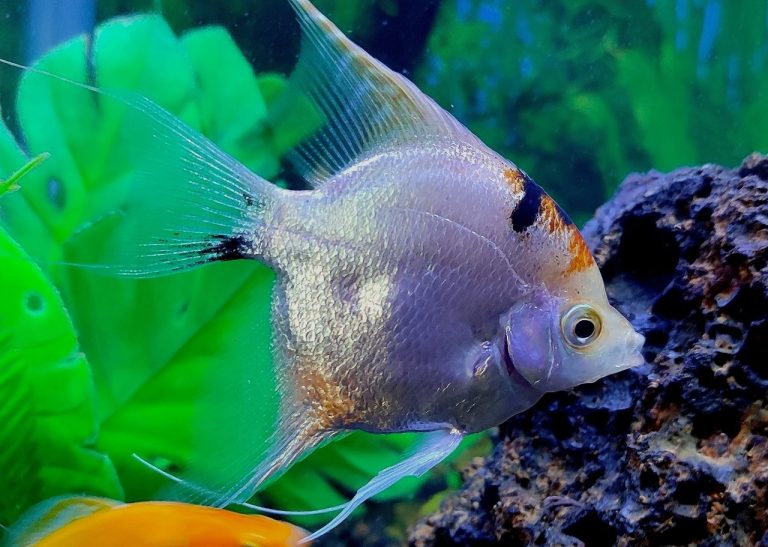
If you are keeping specific angelfish varieties like Kois or Platinums, high-quality food is essential for maintaining their intense coloration. Poor nutrition often leads to faded colors and a lackluster appearance.
Recognizing the Signs of Overfeeding
It can be tempting to feed your fish every time you walk by the tank, but this “kindness” can be deadly. Overfeeding is one of the leading causes of premature death in the aquarium hobby.
One clear sign of overfeeding is a constant presence of “stringy” waste hanging from the fish. This indicates that their digestive system is being pushed too hard and cannot process the food correctly.
Another sign is a cloudy appearance to the water or a sudden spike in pest snails. If you see these symptoms, it is time to reduce the frequency of your feedings immediately.
The Two-Minute Rule
The best way to gauge the correct amount for each feeding session is the two-minute rule. Offer a small pinch of food and watch how the fish react.
If there is food still floating or sinking to the bottom after two minutes, you have offered too much. For angelfish, who are mid-water feeders, food that hits the substrate is often ignored and left to rot.
I recommend using a feeding ring to keep floating flakes or pellets in one area. This makes it much easier to see exactly how much the fish are eating and prevents food from being swept into the filter intake.
Special Considerations for Breeding Pairs
When you are conditioning a pair for spawning, your feeding strategy must change. During this time, I increase the frequency to three times a day to provide the female with the energy needed for egg production.
During the conditioning phase, focus on live or frozen foods like bloodworms and brine shrimp. These are high in the fats and proteins required for a successful spawn.
For more details on the general environment needed for this process, you can check out our comprehensive angelfish care resources. Providing the right environment is just as important as the food itself.
Feeding During the Fry Stage
Once the eggs hatch and the fry become free-swimming, the feeding frequency must peak. Fry have tiny stomachs and very high metabolisms, requiring food almost constantly.
I recommend feeding fry at least four to six times a day in very small amounts. If you are also feeding smaller tank mates like tetras in the same system, make sure the fry are getting their share without the adults overeating.
Using a dedicated fry tank is the best way to manage this high-frequency feeding schedule. It allows you to perform the necessary daily water changes to keep the water pristine despite the heavy feeding.
Questions and answers
Can angelfish survive a weekend without food? Yes, healthy adult angelfish can easily survive 2 to 3 days without food. If you are going away for a weekend, it is actually safer to let them fast than to risk an automated feeder malfunctioning or a neighbor overfeeding.
What is the best time of day to feed? I prefer feeding about an hour after the lights come on and an hour before they turn off. This gives the fish time to “wake up” and makes sure they have enough light to find all the food before it settles.
Should I feed my angelfish before a water change? I prefer to feed after a water change. The fresh water often stimulates their appetite and activity levels. Additionally, any waste produced shortly after the meal won’t sit in the tank as long if the water was just refreshed.
My angelfish is refusing food, what should I do? First, check your water parameters, specifically ammonia and temperature. If the water is fine, try offering a high-value treat like frozen bloodworms. If they still refuse, they may be dealing with internal parasites or extreme stress.
Where that leaves you
Determining how often to feed angelfish is a skill that grows with experience, but following the “twice-a-day” rule for adults is the safest starting point. By adjusting your schedule based on the age of your fish and the quality of your water, you can help your Pterophyllum scalare settle in for years to come.
Consistency is key. Your fish will quickly learn your routine and will be waiting for you at the surface when it is time to eat. This interaction is one of the most satisfying parts of keeping these intelligent and beautiful cichlids.
Keep a close eye on your water parameters and your fish’s physical condition. If you stay observant and avoid the temptation to overfeed, you will find that angelfish are among the most hardy and enjoyable fish in the hobby.

- 2003First tank
- 20+Years keeping
- 40+Tanks kept
- 0Sponsored picks
Howard set up his first 10-gallon planted tank in 2003 and lost half of it within six weeks. Two decades and more than forty aquariums later, he writes the guides he wished he had then: clear numbers, the reasons behind them, and what actually goes wrong in home tanks.