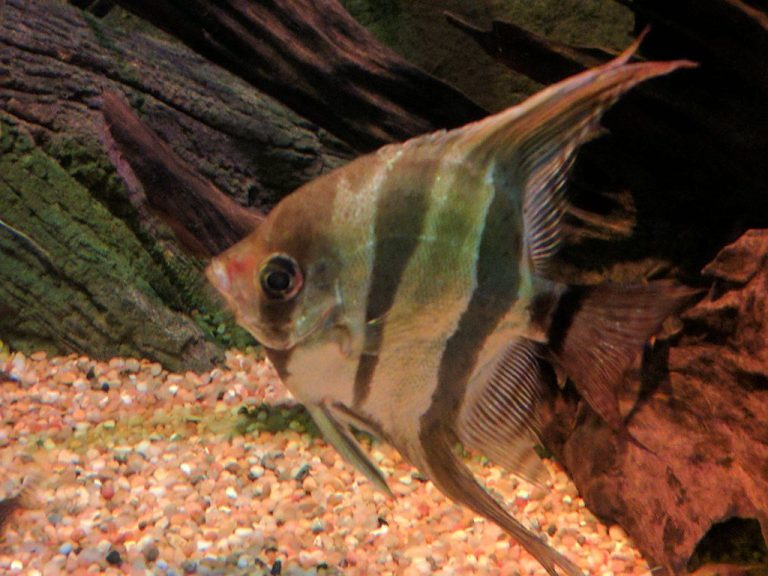
Why Is My Angelfish Breathing Rapidly? 7 Reasons And Expert
Rapid breathing in angelfish is typically caused by low dissolved oxygen, ammonia or nitrite spikes, or gill parasites. Immediate action involves testing water parameters, performing a 50% water change, and increasing surface agitation to improve oxygenation.
Walking up to your aquarium and seeing your majestic Pterophyllum scalare gasping at the surface is a heart-sinking moment. If you are currently asking, why is my angelfish breathing rapidly, you are likely dealing with a situation that requires swift intervention.
In my decade of keeping these “Kings of the Aquarium,” I have learned that their breathing rate is the most reliable “check engine light” for their health. Angelfish are generally hardy, but their large gill surface area makes them highly sensitive to changes in water chemistry and oxygen levels.
This guide will walk you through the diagnostic process, from identifying aqueous hypoxia to treating complex parasitic infections. By the end of this article, you will have a clear roadmap to restoring the health of your angelfish and ensuring your aquarium remains a stable environment.
At a glance: Freshwater angelfish (Pterophyllum scalare)
- Temperature
- 76–84°F (24–29°C)
- Water pH
- 6.0–7.5
- Adult size
- 6 in long, 8 in tall (15 × 20 cm)
- Minimum tank
- 30 gal for a pair, 55 gal tall for a group
- Group size
- Pair or group of 5+
- Temperament
- Semi-aggressive, territorial when breeding
- Diet
- Omnivore: pellets, flakes, frozen bloodworm and brine shrimp
- Lifespan
- 10–12 years
Keeper’s tip: Choose a tall tank; height matters more than length for a fish that grows taller than it is long.
Understanding Normal vs. Labored Breathing
Before we look at the causes, it is vital to know what “normal” looks like for an angelfish. A healthy angelfish will have steady, rhythmic operculum (gill cover) movements that are barely noticeable from a distance.
If you see the gills flaring wide or the mouth constantly snapping open and shut, the fish is struggling to move water across its lamellae. This increased effort is often a desperate attempt to maximize gaseous exchange when the environment is failing them.
Pro Tip: I always recommend timing your fish’s gill beats when they are healthy. Knowing their “resting heart rate” makes it much easier to spot early signs of stress before a full-blown crisis occurs.
1. Low Dissolved Oxygen Saturation
The most common reason for rapid breathing is simply a lack of air in the water. This condition, known as aqueous hypoxia, occurs when the dissolved oxygen saturation drops below what the fish requires for basic metabolism.
Oxygen enters the water through surface agitation, where the water meets the air. If the surface of your tank is still, a film of organic waste can form, effectively “sealing” the tank and preventing oxygen from dissolving.
High water temperatures also play a significant role here. Warmer water holds less oxygen than cooler water, which is why you might see gasping during a summer heatwave or if a heater malfunctions.
| Factor | Effect on Oxygen | Solution |
|---|---|---|
| High Temperature | Decreases oxygen solubility | Lower heater or use a fan |
| Surface Film | Blocks gas exchange | Increase filter flow/agitation |
| Overstocking | High oxygen consumption | Reduce fish load or add air stones |
2. Ammonia and Nitrite Toxicity
When people ask me why is my angelfish breathing rapidly, my first question is always: “What are your water parameters?” Ammonia and nitrite are silent killers that directly attack the respiratory system.
Ammonia toxicity causes chemical burns on the delicate gill tissues. This leads to gill hyperplasia, a condition where the gill cells swell and thicken, making it nearly impossible for the fish to absorb oxygen from the water.
Nitrite is equally dangerous because it leads to methemoglobinemia, or “brown blood disease.” Nitrite enters the bloodstream and prevents hemoglobin from carrying oxygen, causing the fish to suffocate even if the water is saturated with air.
It is essential to maintain ideal water conditions to prevent these spikes. Even a small nitrite concentration can cause visible respiratory distress in sensitive cichlids.
3. Why Is My Angelfish Breathing Rapidly? Carbon Dioxide Toxicity
If you keep your angelfish in a planted aquarium, you might be using a CO2 injection system. While plants love it, too much CO2 is lethal for fish.
Carbon dioxide toxicity occurs when the concentration of CO2 in the water prevents the fish from releasing the CO2 in its own blood. This creates a pH crash and causes the fish to breathe rapidly as they try to “off-gas” the excess acid.
I’ve noticed that this often happens in the early morning. During the night, plants stop consuming CO2 and start producing it through respiration, leading to a dangerous peak just before the lights come on.
Pro Tip: If you use CO2, always use a drop checker and consider running an air stone on a timer at night. This makes sure that gas exchange remains high when the plants aren’t helping with oxygenation.
4. Temperature Stress and Metabolic Rate
Angelfish are tropical fish, but they have a specific correct water temperature range where they stay healthy. When the water gets too hot, their metabolism skyrockets.
A faster metabolism means the fish requires more oxygen to fuel its bodily functions. If the water is 86°F (30°C) or higher, the fish’s “demand” for oxygen often exceeds the “supply” available in the water.
This is a double-edged sword: the heat increases the fish’s need for air while simultaneously reducing the water’s ability to hold it. This is a very common cause for rapid gill movement during the summer months.
5. Parasitic Infections: Dactylogyrus (Gill Flukes)
Sometimes the water is perfect, but the fish is still struggling. In these cases, the culprit is often a parasite. Dactylogyrus, commonly known as gill flukes, are microscopic worms that attach to the gill filaments.
As these parasites feed and multiply, they cause irritation and mucus buildup. The fish’s body produces excess slime to protect the gills, but this slime layer actually blocks oxygen absorption, forcing the fish to breathe harder.
You may notice the fish “flashing” or rubbing its gill covers against decorations. This is a classic sign of irritation. If left untreated, the damage to the gills can become permanent.
6. The Role of Stress and Physical Injury
Angelfish are social but can be territorial. Constant bullying from a tank mate can cause a fish to stay in a state of “fight or flight,” which naturally increases the breathing rate.
Physical injury to the gills from rough handling or aggressive nipping can also impair breathing. If the delicate filaments are torn, the surface area for oxygen exchange is reduced.
Additionally, certain medications or water conditioners can irritate the gills if overdosed. Always follow the manufacturer’s instructions carefully when treating your tank for other issues.
7. Diagnostic Symptom Checklist
To help you narrow down the cause, I have put together this diagnostic checklist. Use it to compare your fish’s behavior with common environmental and biological problems.
| Symptom Observed | Likely Cause | Check This First |
|---|---|---|
| Gasping at the surface | Low Oxygen / High CO2 | Surface agitation & CO2 levels |
| Lethargy at the bottom | Ammonia / Nitrite Poisoning | Ammonia & Nitrite test kit |
| Rubbing gills on decor | Gill Flukes (Parasites) | Check for mucus or redness |
| Red or inflamed gills | Ammonia Burn | Ammonia levels immediately |
| Hiding and rapid breathing | Aggression / Stress | Observe tank mate behavior |
How to Fix Rapid Breathing Immediately
If you see your fish struggling right now, do not wait for a full diagnosis. Your first step should always be a 50% water change with dechlorinated water of the same temperature.
This accomplishes three things: it dilutes any toxins, physically removes some parasites, and introduces fresh, oxygenated water. While the water is draining, check that your biological filtration is running correctly and not clogged with debris.
Next, increase the oxygen levels. You can do this by lowering the water level slightly so the filter return creates a splash, or by adding an air stone. If the fish improves within 30 minutes, you know the issue was likely oxygen or gas-related.
Long-Term Prevention Strategies
Stability is the key to preventing respiratory distress. In my experience, most cases of rapid breathing occur in tanks that are either overstocked or lack a consistent maintenance schedule.
Perform weekly 25% water changes to keep the ammonia toxicity risk at zero. Avoid overfeeding, as decaying food consumes oxygen and fuels ammonia spikes.
Finally, always quarantine new fish. Parasites like flukes are often introduced by new additions that haven’t been properly vetted. A simple 3-week quarantine can save your entire display tank from a respiratory crisis.
Common questions
Can stress alone cause an angelfish to breathe fast?
Yes, stress triggers a hormonal response that increases heart rate and oxygen demand. If an angelfish is being chased or has just been moved to a new tank, it may breathe rapidly for a few hours. However, if it continues for more than a day, it is likely an environmental issue.
Is it normal for angelfish to breathe fast after eating?
It can be. Digestion requires energy and oxygen. You might notice a slight increase in gill movement after a heavy meal, but the fish should return to a normal rate within an hour. If they are gasping, you may be overfeeding or the water quality is marginal.
How do I know if it is gill flukes or just bad water?
Always test the water first. If ammonia and nitrites are 0 ppm and oxygen is high, but the fish is still breathing fast and rubbing against objects, it is likely a parasite. If multiple fish are gasping at the surface, it is almost certainly a water quality or oxygen issue.
Can a pH crash cause rapid breathing?
Absolutely. When pH drops rapidly (often due to high CO2 or low KH), it affects the fish’s ability to regulate its internal chemistry. This leads to respiratory distress as the fish’s body tries to compensate for the acidic environment.
A last word
When you find yourself wondering why is my angelfish breathing rapidly, keep in mind that it is a symptom, not a disease. Whether the cause is a lack of oxygen, a spike in toxins, or a hidden parasite, the solution always begins with observation and water testing.
Take immediate action by increasing aeration and performing a water change. If you keep a clean, stable environment and paying close attention to your fish’s daily behavior, you can help your angelfish live long, healthy lives as the majestic centerpieces of your aquarium.
Do not let a breathing scare discourage you. Every experienced aquarist has faced this challenge, and with the right knowledge, you can turn a stressful situation into a successful recovery for your finned friends.

- 2003First tank
- 20+Years keeping
- 40+Tanks kept
- 0Sponsored picks
Howard set up his first 10-gallon planted tank in 2003 and lost half of it within six weeks. Two decades and more than forty aquariums later, he writes the guides he wished he had then: clear numbers, the reasons behind them, and what actually goes wrong in home tanks.