Can Angelfish Live Alone? The Complete Guide To Happy, Healthy Fish
Yes, angelfish can live alone quite successfully. While they are social in the wild, a single angelfish often stays healthy in a home aquarium because it eliminates territorial stress and the risks of conspecific aggression.
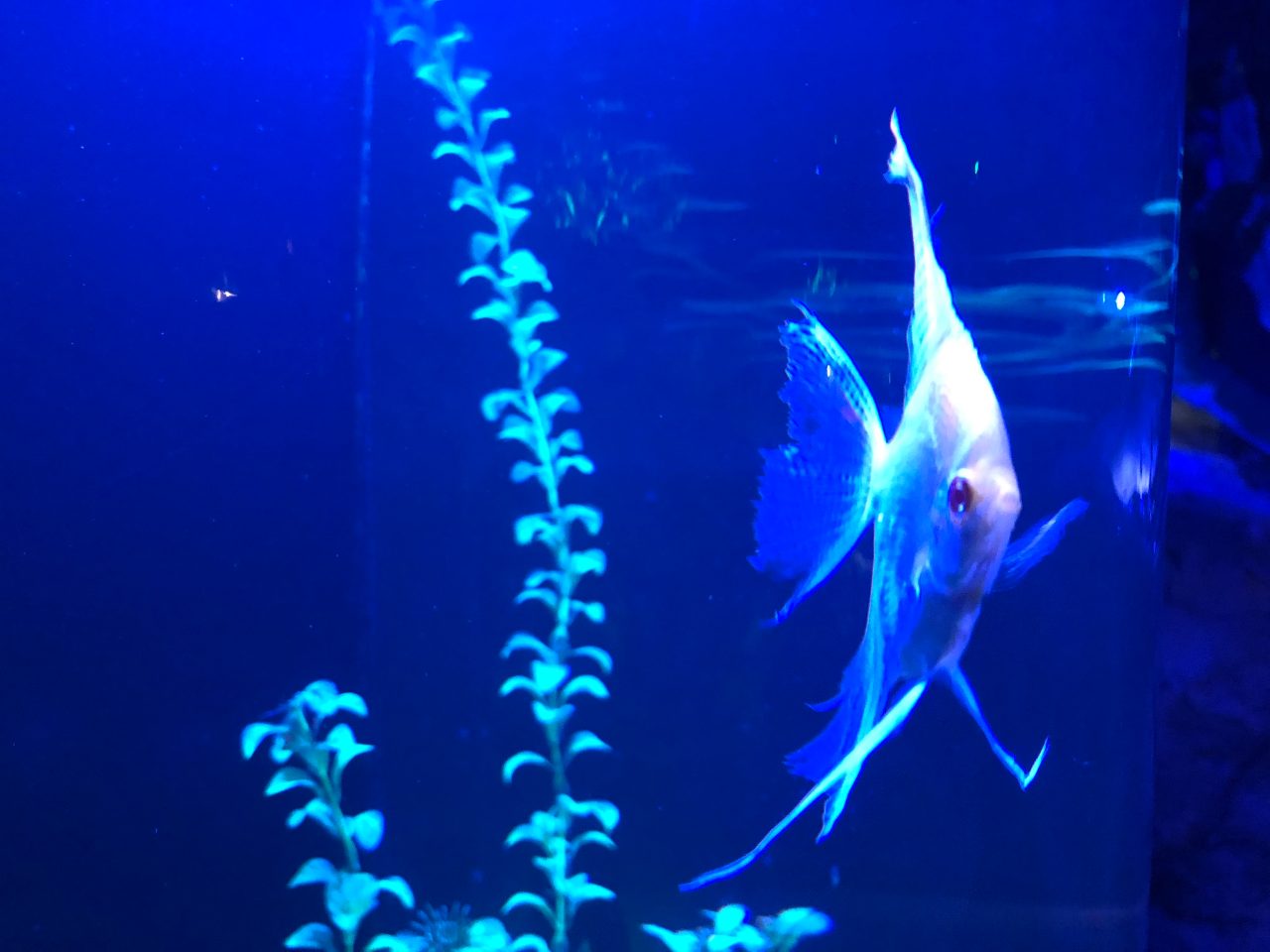
When you look at the majestic silhouette of an angelfish gliding through the water, it is easy to see why they are known as the kings of the aquarium. Many new keepers wonder, can angelfish live alone, or do they require the company of their own kind to be happy?
In my ten years of maintaining various Amazonian setups, I have found that the answer depends heavily on your specific tank goals and the personality of the fish. While we often see them in large groups at the local fish store, the dynamics of a home aquarium are vastly different from the wild.
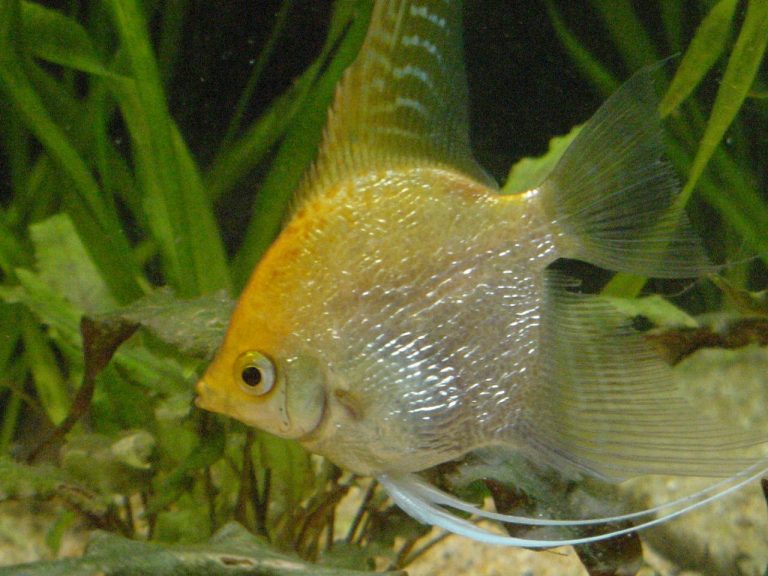
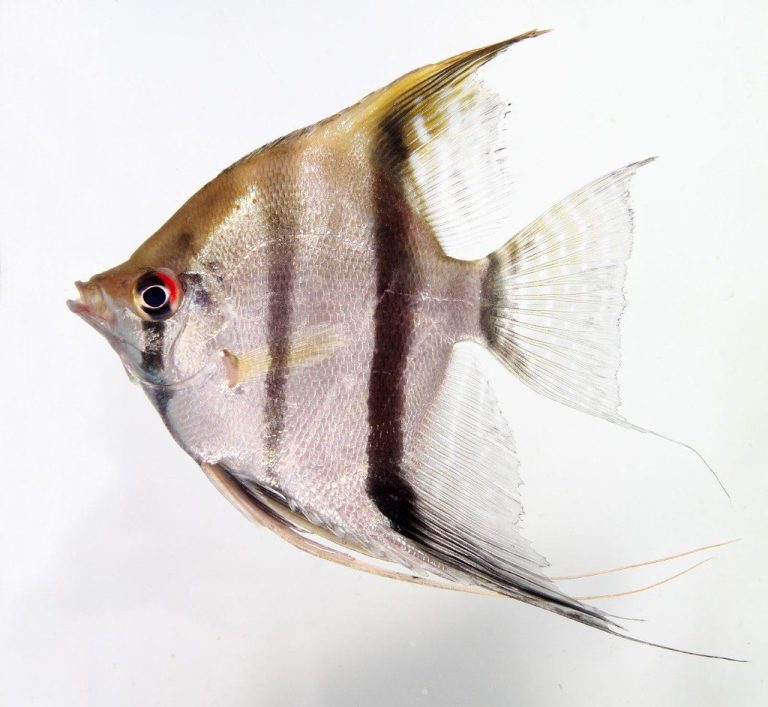
Choosing to keep a single Pterophyllum scalare (the common freshwater angelfish) can actually be a very responsible decision for a beginner. It simplifies care and prevents many of the behavioral headaches that come with keeping these semi-aggressive cichlids in groups.
Let’s look closely at the social world of these beautiful fish to understand why a solitary life might be the best choice for your aquarium.
Pro Tip: If you notice your angelfish is constantly hiding or acting lethargic when kept alone, try adding more tall plants or driftwood. They don’t necessarily miss other fish, but they do feel vulnerable in wide-open spaces.
At a glance: Freshwater angelfish (Pterophyllum scalare)
- Temperature
- 76–84°F (24–29°C)
- Water pH
- 6.0–7.5
- Adult size
- 6 in long, 8 in tall (15 × 20 cm)
- Minimum tank
- 30 gal for a pair, 55 gal tall for a group
- Group size
- Pair or group of 5+
- Temperament
- Semi-aggressive, territorial when breeding
- Diet
- Omnivore: pellets, flakes, frozen bloodworm and brine shrimp
- Lifespan
- 10–12 years
Keeper’s tip: Choose a tall tank; height matters more than length for a fish that grows taller than it is long.
In the wild, angelfish exhibit shoaling behavior, especially when they are young. They travel in large groups to protect themselves from predators and to forage more effectively in the complex root systems of the Amazon.
However, as they mature, their social needs change significantly. Unlike schooling fish that must be in a group to feel safe, angelfish become highly territorial and competitive as they reach adulthood.
When we bring them into our homes, we are placing them in a confined space. This is where the question of whether can angelfish live alone becomes vital for their long-term health.
The Cichlid Hierarchy and Aggression
Angelfish are members of the Cichlid family, a group of fish notorious for their complex social structures. In a group, they establish a strict Cichlid hierarchy where one fish is the dominant “alpha.”
This dominance is often maintained through nipping, chasing, and physical displays. If your tank is not large enough, the subordinate fish can become chronically stressed, leading to illness.
If you keep a single angelfish, you completely bypass this internal conflict. The fish becomes the undisputed ruler of its domain, which often results in a much calmer and more personable pet.
Pheromone Communication and Stress
Recent studies suggest that these fish use pheromone communication to signal dominance and reproductive readiness. In a small tank, these chemical signals can become concentrated.
When multiple angelfish are forced into a small space, these signals can trigger constant defensive behaviors. A lone angelfish does not have to process these stressful messages, allowing it to focus its energy on growth and interaction with you.
The Benefits of Keeping a Single Angelfish
Many hobbyists find that their angelfish becomes much more “tame” when it is the only one of its species in the tank. Without the distraction of competing with rivals, they often learn to recognize their owners and will even “beg” for food at the surface.
If you are following a general care requirements plan, you will find that a single fish is much easier to monitor. You can easily spot changes in appetite or behavior that might indicate a problem.
Furthermore, you don’t have to worry about monogamous pairing. While a breeding pair is beautiful, they become extremely aggressive toward every other inhabitant in the tank when guarding eggs.
| Feature | Single Angelfish | Group of Angelfish |
|---|---|---|
| Aggression Level | Low (towards owner/others) | High (conspecific aggression) |
| Tank Size Needed | 30 Gallons (Tall) | 55+ Gallons |
| Ease of Care | Beginner Friendly | Intermediate/Advanced |
| Breeding Stress | None | High during spawning |
Avoiding Conspecific Aggression
The term “conspecific aggression” refers to violence directed at members of the same species. Angelfish are masters of this, often singling out the weakest member of a group and bullying it relentlessly.
In my experience, this is the leading cause of death for angelfish in community tanks. When one fish is bullied, its immune system weakens, making it susceptible to parasites and infections.
If you keep your angelfish alone, you make sure it never has to face a bully. This leads to a much longer and more peaceful lifespan for your aquatic friend.
Can Angelfish Live Alone in a Community Tank?
Just because an angelfish lives without other angelfish doesn’t mean it has to be completely alone in the tank. In fact, many keepers find that a single angelfish makes an excellent “centerpiece” for a community of other compatible species.
The key is choosing tank mates that are too large to be eaten but not so aggressive that they will nip at the angelfish’s long, flowing fins. Angelfish are opportunistic predators, so small shrimp or tiny neon tetras might disappear over time.
However, many medium-sized characins and bottom dwellers flourish alongside a lone angelfish. This setup provides the angelfish with some “dither fish” to make it feel secure without the threat of a rival cichlid.
Ideal Tank Mates for a Solitary Angelfish
When selecting companions, look for fish that occupy different levels of the water column. Since angelfish prefer the middle and upper areas, bottom dwellers are perfect choices.
Corydoras catfish are perhaps the best companions. They are peaceful, keep the substrate clean, and never bother the angelfish’s territory.
Larger tetras, such as Rummy Nose or Bleeding Heart tetras, are also excellent. They are fast enough to stay out of the way and large enough not to be viewed as a snack.
Common Mistake: Avoid adding fin-nippers like Tiger Barbs or certain Serpae Tetras. A lone angelfish is a slow-moving target, and its long fins are an irresistible temptation for nippy fish.
Tank Requirements for a Single Angelfish
Even if you decide that your can angelfish live alone setup is the way to go, you still need to provide the right environment. Angelfish have specific physical needs based on their unique body shape.
Because they are laterally compressed (thin) and very tall, vertical tank dimensions are more important than the length of the tank. A standard 20-gallon tank is often too shallow for an adult angelfish to fully extend its fins.
I always recommend at least a 30-gallon “Tall” aquarium for a single adult. This allows them enough vertical space to swim naturally and prevents their fins from dragging on the substrate or touching the surface.
Creating an Amazonian Biotope
To make your lone angelfish feel at home, aim to replicate an Amazonian biotope. This means using plenty of driftwood, smooth rocks, and broad-leafed plants like Amazon Swords.
These plants provide natural sightline breaks. Even if the fish is alone, having places to “disappear” into makes them feel much more secure in their environment.
The water should be soft and slightly acidic, reflecting the blackwater streams of their native South America. While captive-bred angelfish are adaptable, they will show their best colors in these freshwater environments.
Proper Filtration and Water Flow
Angelfish are not strong swimmers in high-current environments. Their large fins act like sails, and a strong filter intake or output can blow them around the tank, causing exhaustion.
Use an adjustable filter or a pre-filter sponge to baffle the flow. Clean water is essential, as angelfish are sensitive to nitrate buildup, which can lead to various health issues.
Health Considerations for Solitary Angelfish
One might worry that a lone fish will suffer from “loneliness,” but in the fish world, this usually manifests as stress. Stress is the silent killer in the aquarium hobby because it leads to stress-induced immunosuppression.
When a fish is stressed, its body produces cortisol, which shuts down its immune response. This makes the fish vulnerable to common pathogens that are always present in the water.
A lone angelfish in a well-maintained tank is often less stressed than one in a group. However, you must still watch for signs of illness that can affect cichlids.
Hexamita and Hole-in-the-Head Disease
One common issue in angelfish is Hexamita, a protozoan parasite often associated with “Hole-in-the-Head” disease. This is frequently triggered by poor water quality or chronic stress.
While a lone angelfish is less likely to be stressed by rivals, it can still become stressed by poor diet or fluctuating water parameters. Always provide a varied diet of high-quality flakes, pellets, and frozen foods like bloodworms or brine shrimp.
Signs of a Happy Lone Angelfish
How do you know if your angelfish is healthy on its own? Look for these positive indicators:
- Its fins are held high and are not frayed or clamped.
- It greets you at the glass when you approach the tank.
- It has a healthy appetite and bright, colorful colors.
- It spends its time patrolling the tank rather than hiding in a corner.
Decision Guide: Should Your Angelfish Live Alone?
If you are still on the fence about whether can angelfish live alone is the right choice for your home, consider this practical decision table based on your current setup.
| Your Situation | Recommended Setup | Why? |
|---|---|---|
| Tank size is 30 Gallons or less | Keep 1 Angelfish | Prevents overcrowding and territorial fights. |
| You want a peaceful community tank | Keep 1 Angelfish | Avoids breeding-pair aggression towards other fish. |
| Tank size is 55-75 Gallons | Keep 1 or a mated pair | Enough space for a pair to claim a territory. |
| You are a first-time angelfish keeper | Keep 1 Angelfish | Allows you to learn their unique needs without drama. |
Things people often ask
Will my angelfish get lonely if it lives alone?
No, fish do not experience “loneliness” in the human sense. While they are social in specific contexts, an angelfish in a home tank often views other angelfish as rivals rather than friends.
Can I add a second angelfish later?
This is risky. Angelfish are very territorial. If you add a second fish later, the original inhabitant will likely view the newcomer as an intruder in its established territory.
Do lone angelfish live longer?
Often, yes. Because they avoid the physical injuries and chronic stress associated with fighting for dominance, solitary angelfish frequently reach their maximum lifespan of 10-12 years.
What is the best way to interact with a lone angelfish?
Angelfish are highly intelligent. You can “train” them to come to a specific corner for feeding. Spending time near the tank helps them become accustomed to your presence, making them very interactive pets.
Can a lone angelfish live with a Betta?
This is generally not recommended. Both are semi-aggressive and territorial. The flowing fins of both species are often targets for nipping, leading to significant stress for both fish.
The short version
So, can angelfish live alone? The answer is a resounding yes. In many ways, a solitary angelfish is a happier and healthier inhabitant than one forced to fight for its place in a crowded tank.
If you provide a tall tank, clean water, and a few peaceful community companions, you can enjoy the “King of the Aquarium” without the stress of cichlid warfare.
If you are ready to start your journey with these majestic fish, help your tank is cycled and your plants are ready. Your new centerpiece fish will thank you for the peaceful, dedicated home you’ve provided.
Ready to learn more about keeping your aquarium stable? Check out our other guides on water chemistry and species compatibility to become the best aquarist you can be.

- 2003First tank
- 20+Years keeping
- 40+Tanks kept
- 0Sponsored picks
Howard set up his first 10-gallon planted tank in 2003 and lost half of it within six weeks. Two decades and more than forty aquariums later, he writes the guides he wished he had then: clear numbers, the reasons behind them, and what actually goes wrong in home tanks.