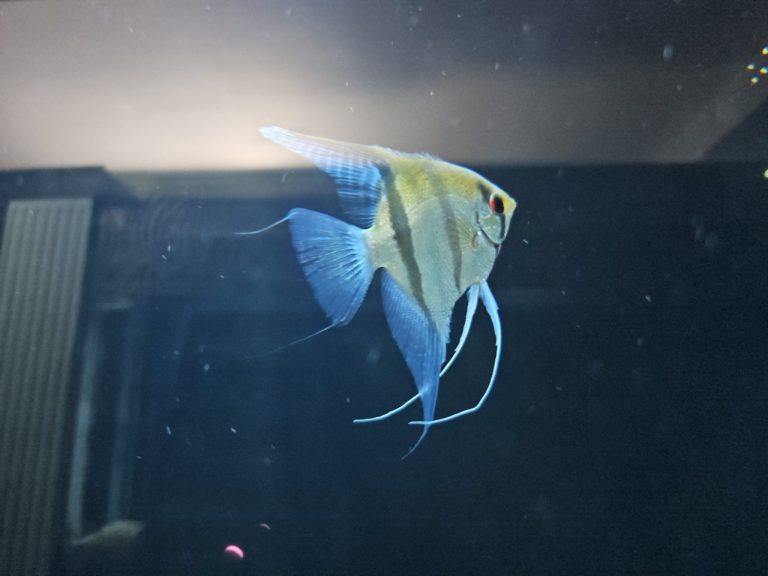
Can You Keep One Angelfish Alone – What You Need to Know
Yes, you can keep one angelfish alone in a home aquarium. Keeping a single angelfish is often safer and less stressful for the fish, as it eliminates territorial disputes and aggressive hierarchical dominance common in groups.
For decades, the angelfish has remained a crown jewel of the freshwater hobby. Their graceful fins and inquisitive personalities make them a favorite for both beginners and seasoned experts alike.
When I first started keeping these majestic kings of the freshwater tank, I often wondered if they needed a companion. The sight of a lone fish swimming in a large tank can sometimes feel “empty” to a human observer.
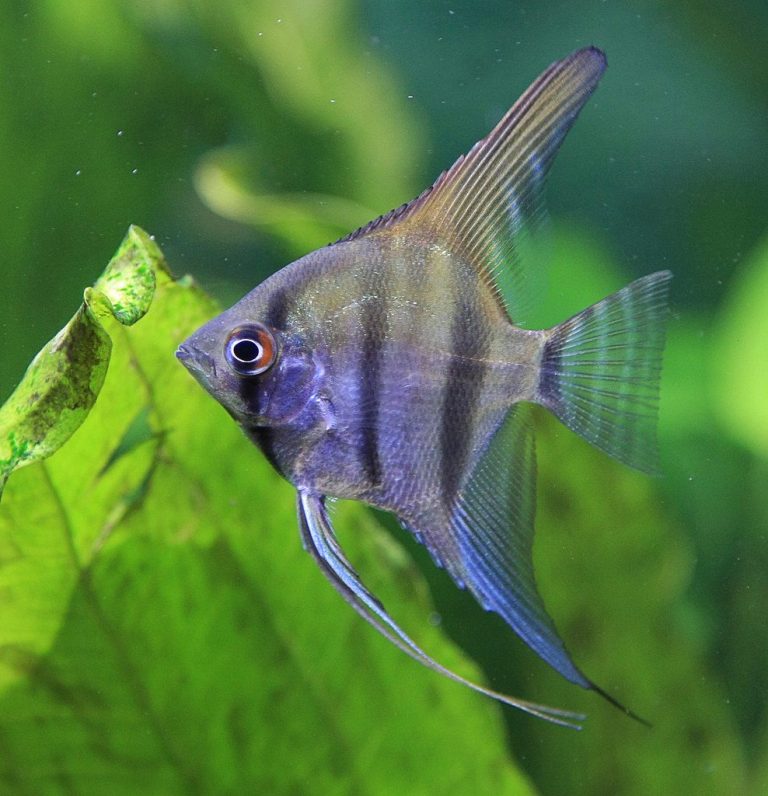
However, in my experience, keeping a single specimen is not only possible but frequently recommended. This guide will walk you through everything you need to know about successfully keeping a solo Pterophyllum scalare.
At a glance: Freshwater angelfish (Pterophyllum scalare)
- Temperature
- 76–84°F (24–29°C)
- Water pH
- 6.0–7.5
- Adult size
- 6 in long, 8 in tall (15 × 20 cm)
- Minimum tank
- 30 gal for a pair, 55 gal tall for a group
- Group size
- Pair or group of 5+
- Temperament
- Semi-aggressive, territorial when breeding
- Diet
- Omnivore: pellets, flakes, frozen bloodworm and brine shrimp
- Lifespan
- 10–12 years
Keeper’s tip: Choose a tall tank; height matters more than length for a fish that grows taller than it is long.
To answer the question of whether can you keep one angelfish alone, we must first look at their biology. Angelfish are members of the cichlid family, a group known for complex social behaviors and, occasionally, a fiery temper.
In the wild, these fish are found in the Amazonian biotope, where they live in loose groups. However, these groups are not like the peaceful schools of neon tetras; they are structured around a strict social ladder.
This hierarchical dominance means that there is always a “top dog” in the group. In a captive environment, this can lead to significant stress for the fish at the bottom of the order.
Pro Tip: While angelfish are social in the wild, they do not “pine away” in solitude like some schooling species. A single angelfish often views its human keeper as its primary social interaction point.
One of the biggest challenges with these fish is their monomorphic morphology. This is a fancy way of saying that it is nearly impossible to tell males from females just by looking at them until they are ready to spawn.
If you buy a group of juveniles, you might accidentally end up with two males. As they mature, this often results in intense conspecific aggression as they battle for territory.
If you keep just one, you completely bypass the risk of your fish injuring or killing a tank mate over a piece of driftwood or a preferred corner.
Why You Can Keep One Angelfish Alone Successfully
Many hobbyists find that can you keep one angelfish alone is the best strategy for a peaceful community tank. When an angelfish is the only one of its kind, it tends to be much more “personable” with its owner.
I have noticed that solo angelfish are often the first to greet me at the glass during feeding time. Without the distraction of defending a territory from other angelfish, they become quite bold and interactive.
Furthermore, keeping a single fish simplifies your tank management. You don’t have to worry about substrate spawning, which is when a pair becomes hyper-aggressive toward every other inhabitant in the aquarium.
| Feature | Solo Angelfish | Group of Angelfish |
|---|---|---|
| Aggression Level | Low (No conspecific fighting) | High (Dominance battles) |
| Tank Size Needed | 30+ Gallons (Tall) | 55+ Gallons |
| Social Interaction | High with owner | High with other angelfish |
| Risk of Spawning Stress | Zero | High |
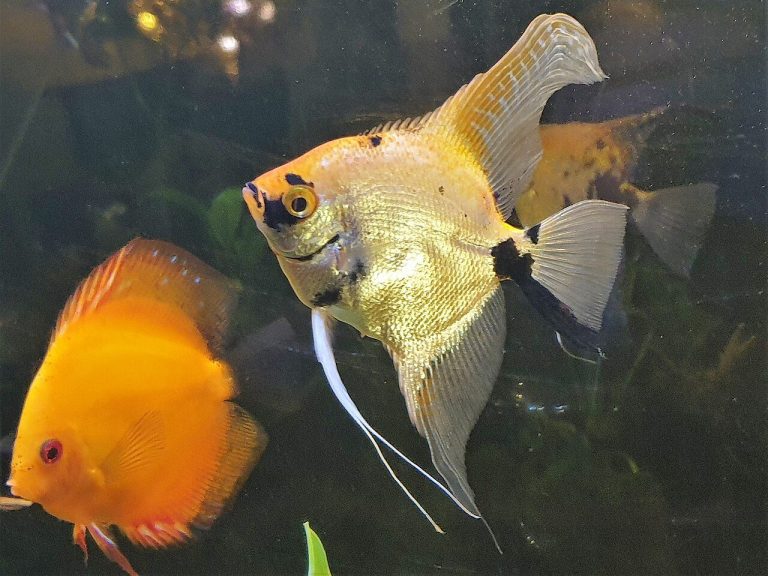
Keeping a single fish also allows you to focus on high-quality care for that specific individual. Whether you are keeping unique color morphs like koi or platinum, a single fish can be the center of attention.
In my years of keeping cichlids, I’ve found that a single angelfish in a well-planted 29 or 30-gallon tall tank is one of the most striking displays possible. It creates a sense of calm that a chaotic group of bickering fish simply cannot provide.
Setting Up the Perfect Environment for a Solo Angelfish
When you decide that can you keep one angelfish alone is the right path for you, the setup becomes the next priority. Because they are tall, thin fish, the vertical height of the tank is more important than the length.
Standard 20-gallon tanks are often too shallow for an adult angelfish. Their long trailers and dorsal fins need room to extend without touching the substrate or the surface.
I recommend a minimum of a 30-gallon “Tall” aquarium for a single adult. This provides ample vertical space and enough water volume to maintain stable parameters.
| Parameter | Ideal Range |
|---|---|
| Temperature | 76°F – 84°F (24°C – 29°C) |
| pH Level | 6.0 – 7.4 |
| Carbonate Hardness (KH) | 3 – 8 dKH |
| Ammonia / Nitrite | 0 ppm |
| Nitrate | < 20 ppm |
To mimic their natural habitat, consider using peat-filtered water or adding tannins through driftwood and dried leaves. This creates the “blackwater” effect that many wild-type angelfish prefer.
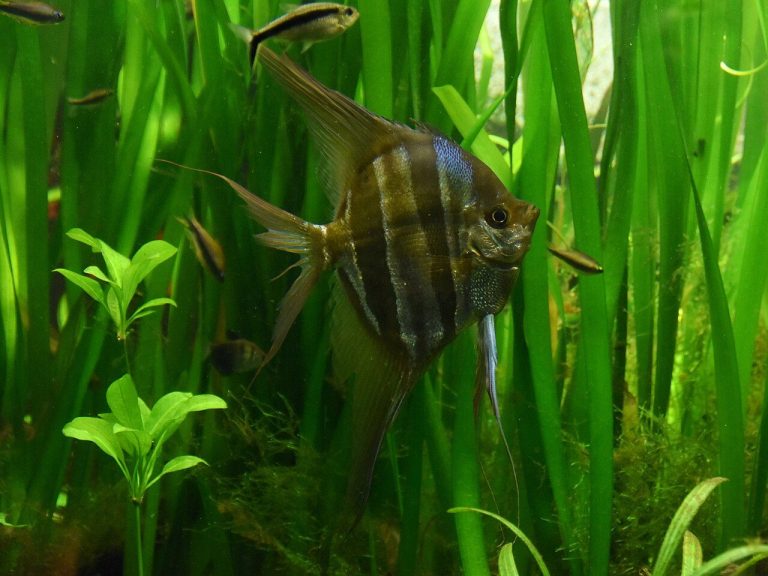
Low-light plants like Amazon Swords and Jungle Vallisneria are excellent choices. These provide vertical cover, making the fish feel secure and less exposed in their solo environment.
Health and Maintenance for the Solo Angelfish
Even without the stress of other angelfish, your solo pet still requires diligent care. One of the most critical aspects of angelfish health is water cleanliness.
Angelfish are particularly sensitive to nitrate toxicity. High nitrate levels over a long period can lead to stunted growth, tattered fins, and a weakened immune system.
I always aim for weekly 25-30% water changes to keep the environment pristine. This consistency is the secret to seeing your angelfish reach its full size and bright coloration.
Pro Tip: Watch for signs of Hexamitiasis, also known as Hole-in-the-Head disease. This is often triggered by poor water quality or nutritional deficiencies and is common in cichlids.
A varied diet is the best defense against disease. While high-quality flakes or pellets can be a staple, I’ve noticed that my angelfish stay healthy when I supplement with frozen bloodworms or brine shrimp.
Ensuring your fish gets enough vitamins and minerals is essential for maintaining its immune system. A healthy fish is a happy fish, even when it’s the only one of its species in the tank.
Choosing Compatible Tank Mates for a Single Angelfish
Just because you are keeping one angelfish doesn’t mean the tank has to be empty otherwise. In fact, many hobbyists ask can you keep one angelfish alone because they want to include other colorful species.
The key is to choose tank mates that are too large to be eaten but not so aggressive that they nip the angelfish’s long fins. Small tetras like Neons can sometimes become a snack for an adult angelfish.
Instead, look for deeper-bodied tetras or peaceful bottom dwellers. These fish will provide movement and interest without bothering your centerpiece angelfish.
| Compatible Group | Specific Examples | Why They Work |
|---|---|---|
| Dwarf Cichlids | Rams, Apistogramma | Occupies different water levels. |
| Corydoras | Bronze, Sterbai, Panda | Peaceful bottom scavengers. |
| Large Tetras | Rummy Nose, Lemon Tetras | Fast and large enough to avoid being eaten. |
| Clean-up Crew | Bristlenose Pleco, Nerite Snails | Help manage algae growth. |
I personally love keeping a single angelfish with a school of small algae eaters or Corydoras. The activity on the bottom of the tank complements the slow, gliding movements of the angelfish perfectly.
Avoid fin-nippers like Tiger Barbs or certain types of Serpae Tetras. These fish can quickly shred the delicate fins of an angelfish, leading to stress and secondary infections.
Preventing Boredom: Enrichment for Your Solo Fish
One concern people have when asking can you keep one angelfish alone is whether the fish will get bored. While “boredom” is a human concept, fish do benefit from environmental enrichment.
Changing the decor slightly during a water change can give the fish a new area to explore. Angelfish are very visual and will spend time investigating new additions to their tank.
Interactive feeding is another great way to provide enrichment. I sometimes use a feeding ring or hand-feed small treats to build a bond with the fish.
You can also use floating plants like Frogbit or Salvinia. The hanging roots provide a natural hunting ground where the angelfish can “stalk” tiny organisms, just as they would in the wild.
In my experience, a solo angelfish that is well-fed and has a stimulating environment shows no signs of lethargy or distress. They remain active, curious, and vivid throughout their lives.
FAQ
Do angelfish get lonely?
Biologically, they do not experience “loneliness” the way mammals do. They are driven by instincts for safety, food, and reproduction. In a solo environment, they feel safe from competitors and interact more with their environment and keeper.
Can I add a second angelfish later?
This is risky. If the first angelfish has already established the entire tank as its territory, it may attack the newcomer. If you want to add another, it is best to rearrange the entire tank decor first to “reset” territories.
What is the best tank size for one angelfish?
A 29-gallon or 30-gallon tall tank is the ideal starting point for a single adult. Larger is always better, but these sizes provide the necessary vertical depth for their fin structure.
How long do angelfish live?
With proper care, a solo angelfish can live for 10 to 12 years. Their lifespan is often longer when kept alone because they face zero stress from fighting or spawning.
Putting it all together
So, can you keep one angelfish alone? The answer is a resounding yes.
By removing the pressure of conspecific aggression and the complexities of hierarchical dominance, you create a stable environment where the fish can shine.
Your angelfish will reward you with years of graceful beauty and a surprisingly deep level of interaction. Just remember to keep the water clean, provide plenty of vertical space, and offer a high-quality, varied diet.
If you are ready to start your journey with these amazing fish, be sure to check out our detailed majestic kings of the freshwater tank guide for more tips on water chemistry and health.
The angelfish remains one of the most rewarding species in the hobby. Keeping one alone is not just an option—it is often the best way to enjoy everything this incredible fish has to offer.

- 2003First tank
- 20+Years keeping
- 40+Tanks kept
- 0Sponsored picks
Howard set up his first 10-gallon planted tank in 2003 and lost half of it within six weeks. Two decades and more than forty aquariums later, he writes the guides he wished he had then: clear numbers, the reasons behind them, and what actually goes wrong in home tanks.