How To Breed Angelfish – The Ultimate Guide To Spawning Success
To breed angelfish successfully, pair a compatible male and female in a dedicated 20-30 gallon tank, maintain a temperature of 80-82°F, and provide a vertical spawning surface like a slate or broad-leafed plant.
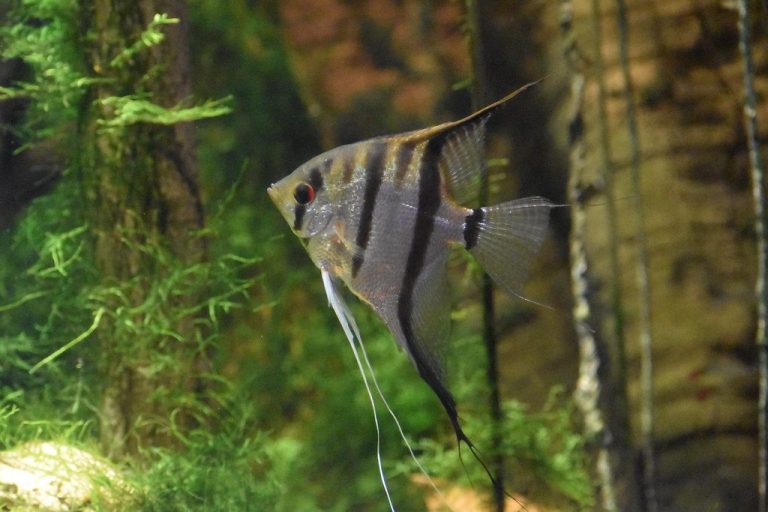
Breeding the majestic “King of the Aquarium” is one of the most rewarding milestones for any fish keeper. Whether you are captivated by their elegant fins or their complex social behaviors, seeing a pair of Pterophyllum scalare guard their nest is a sight you won’t soon forget.
In my ten years of maintaining South American cichlid tanks, I have found that angelfish are surprisingly willing to spawn if you meet their specific needs. It is not just about putting two fish together; it is about creating an environment where they feel safe enough to bring the next generation into the world.
While they are generally hardy, the nuance of successful fry rearing separates the casual hobbyist from the expert. This guide will walk you through every step of the process, ensuring you have the knowledge to go from eggs to a tank full of healthy juveniles.
At a glance: Freshwater angelfish (Pterophyllum scalare)
- Temperature
- 76–84°F (24–29°C)
- Water pH
- 6.0–7.5
- Adult size
- 6 in long, 8 in tall (15 × 20 cm)
- Minimum tank
- 30 gal for a pair, 55 gal tall for a group
- Group size
- Pair or group of 5+
- Temperament
- Semi-aggressive, territorial when breeding
- Diet
- Omnivore: pellets, flakes, frozen bloodworm and brine shrimp
- Lifespan
- 10–12 years
Keeper’s tip: Choose a tall tank; height matters more than length for a fish that grows taller than it is long.
Understanding Your Breeders: Identification and Selection
The first hurdle in learning how to breed angelfish is making sure you actually have a compatible male and female. Unlike many other tropical fish, angelfish do not make it easy to distinguish between the sexes at a glance.
Most hobbyists find success by starting with a group of six or more juveniles. As they mature, they will naturally pair off, often claiming a corner of the tank as their own and chasing away intruders.
If you are buying adult fish, look for the subtle physical cues that indicate sex. This process is known as “sexing,” and while it is never 100% certain until they actually spawn, there are reliable signs to look for in mature specimens.
Determining Sex: The Genital Papilla and Ovipositor
During the spawning period, the differences become much clearer. The male will extend a small, pointed tube called the genital papilla, which he uses to fertilize the eggs.
In contrast, the female will display a blunt, more rounded tube known as the ovipositor. This is the organ through which she deposits her eggs onto the spawning surface.
Beyond these tubes, males often develop a more pronounced “nuchal hump” on their heads as they age. Females generally remain more streamlined, though a female full of eggs will appear noticeably plump around the midsection.
Pro Tip: In my experience, it is always better to let a pair form naturally than to force two adults together. Naturally bonded pairs have a much lower “divorce rate” and are far more likely to successfully guard their eggs without eating them.
Setting Up the Perfect Breeding Environment
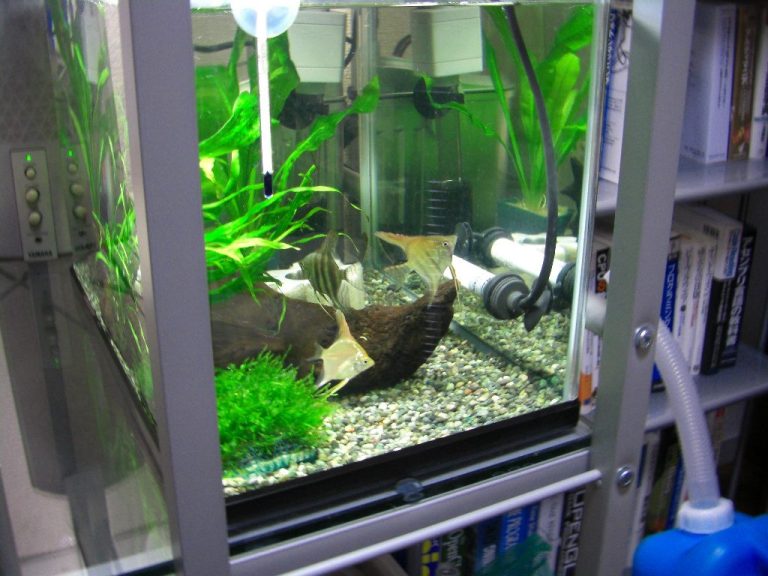
To maximize your chances of success, you should move your bonded pair into a dedicated breeding aquarium. A 20-gallon “high” tank is the minimum size I recommend, though a 29-gallon tank provides more stability.
The extra height of these tanks is key because angelfish are tall, laterally compressed fish. They need vertical space to perform their spawning dance and to feel comfortable in their environment.
Your setup should be minimalist to make cleaning easier. A bare-bottom tank is often preferred by professional breeders because it prevents waste from getting trapped, which helps maintain pristine water quality.
Essential Equipment for the Breeding Tank
You don’t need a high-tech setup, but you do need the right tools. A sponge filter is non-negotiable for a breeding tank because it provides excellent biological filtration without the risk of sucking up tiny fry.
You will also need a vertical spawning slate or a piece of PVC pipe. Angelfish are vertical spawners by nature and prefer to lay their eggs on a steep, smooth surface that they can easily clean.
| Equipment Item | Purpose | Recommendation |
|---|---|---|
| Tank Size | Space for swimming and height | 20 Gallon High or 29 Gallon |
| Filter | Safe for fry, bio-filtration | Dual-sponge air-driven filter |
| Spawning Surface | Egg attachment site | Ceramic slate or PVC pipe |
| Heater | Stable metabolism | Adjustable 100W heater |
Water Chemistry and Conditioning
Mastering how to breed angelfish requires a deep look at water chemistry. While many commercial strains are adapted to various conditions, they will only spawn consistently when the water mimics their freshwater origins in the Amazon basin.
The temperature should be slightly higher than a standard community tank, ideally between 80°F and 82°F. This warmth speeds up the metabolism of the parents and encourages the eggs to develop more rapidly.
Water hardness is also a factor. Low carbonate hardness (KH) and a slightly acidic pH (between 6.5 and 7.0) are the “gold standard” for triggering a spawn. If your water is too hard, the egg membranes may toughen, making it difficult for the fry to hatch.
Conditioning with High-Quality Nutrition
Feeding is the “secret sauce” for getting your fish in the mood. I’ve noticed that a diet consisting solely of dry flakes rarely triggers a spawn.
Instead, you should “condition” your pair with high-protein live or frozen foods. Bloodworms, brine shrimp, and blackworms are excellent choices that provide the lipids and proteins the female needs to produce high-quality eggs.
Feed small amounts 3–4 times a day rather than one large meal. This frequent feeding mimics the abundance of a rainy season in the wild, which is a natural signal for fish to begin reproducing.
The Spawning Process: From Courtship to Eggs
Once the pair is settled and well-fed, you will notice a change in their behavior. They will begin to “clean” the spawning surface by nipping at it with their mouths, removing any algae or debris.
This cleaning process can last for several hours or even days. You may also see them “shivering” or “locking lips”—this is all part of the courtship ritual designed to strengthen their bond.
When the female is ready, she will move up the slate in a slow, deliberate motion, depositing a row of amber-colored eggs. The male follows closely behind, moving over the eggs to fertilize them with his genital papilla.
Parental Care vs. Artificial Incubation
Angelfish are known for their parental care, often fanning the eggs with their pectoral fins to ensure oxygen flow. However, many modern strains have lost their “parental instincts” and may eat the eggs if they feel stressed or if it is their first time.
If you notice the parents eating the eggs, you might choose to “pull” the slate and hatch the eggs artificially in a separate jar or small tank. If you leave them with the parents, keep a dim light on near the tank at night so the parents can see and guard the nest from perceived threats.
Pro Tip: If you decide to hatch the eggs yourself, add a few drops of Methylene blue to the water. This prevents Saprolegnia (fungus) from spreading from unfertilized white eggs to the healthy ones.
Raising the Fry: The Wriggler and Free-Swimming Stages
After about 48 to 72 hours, the eggs will hatch. At this stage, they are not yet swimming; they are known as wrigglers.
The wrigglers will remain attached to the spawning surface by a small sticky thread on their heads. They will stay in this position for several days, vibrating their tails rapidly while they finish absorbing their yolk sacs.
Once the yolk sac is gone, the fry will detach and begin to swim. This is the most critical phase of the journey, as they will now need to find food immediately or they will perish.
Feeding the Free-Swimming Fry
The best first food for angelfish fry is undoubtedly Artemia nauplii (baby brine shrimp). These tiny, moving organisms trigger the hunting instinct of the fry and provide the perfect nutritional profile for rapid growth.
You should aim to feed the fry at least four times a day. Because you are feeding so frequently, you must be diligent with water changes to prevent the buildup of toxins.
| Stage | Timeframe | Feeding/Care Needs |
|---|---|---|
| Egg Stage | 0-3 Days | Oxygenation, fungus prevention |
| Wriggler Stage | 3-7 Days | No feeding (yolk sac absorption) |
| Free-Swimming | Day 7+ | Freshly hatched baby brine shrimp |
| Juvenile Stage | 3-4 Weeks | Crushed flakes, micro-pellets |
Troubleshooting Common Breeding Challenges
Even if you follow all the steps for how to breed angelfish, you may encounter obstacles. The most common issue is egg fungus.
White eggs are unfertilized or dead, and they will quickly grow a fuzzy white mold called Saprolegnia. If the parents are doing their job, they will pick these dead eggs off the slate to save the rest. If not, you must intervene.
Another common problem is “fry die-off” during the first week. This is almost always caused by poor water quality or starvation. Make sure your sponge filter is mature and that you are performing 10-20% water changes daily using water of the same temperature.
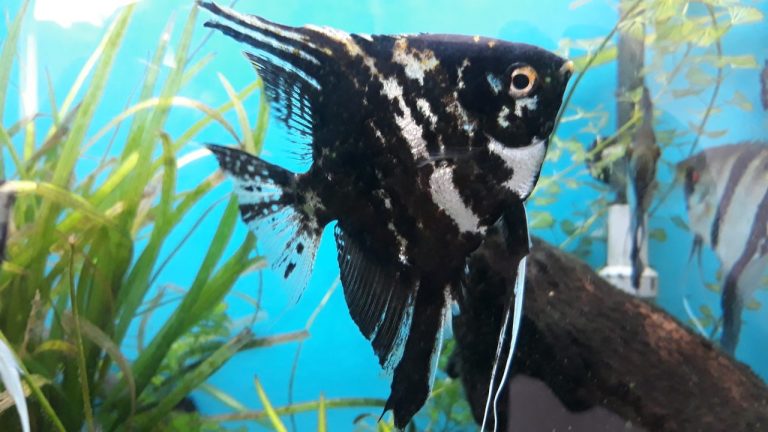
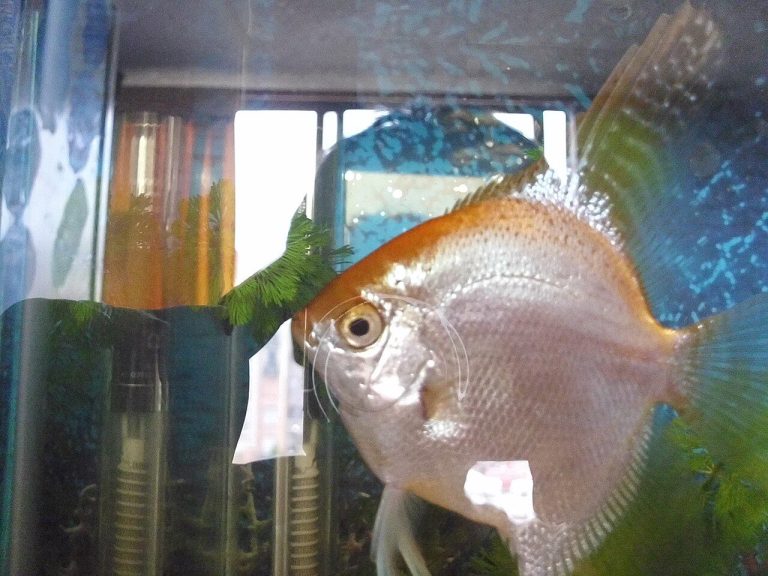
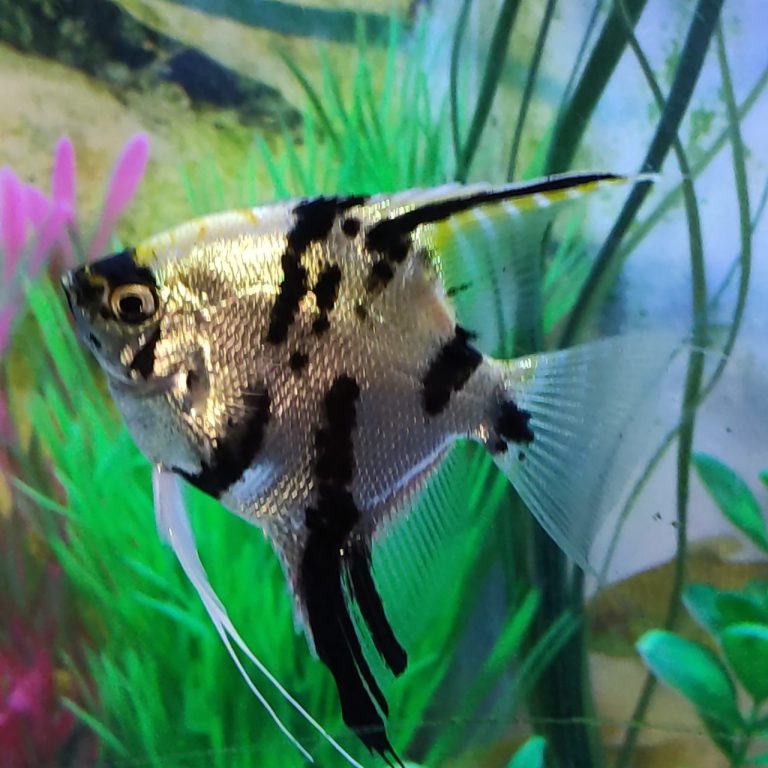
If you are interested in specific aesthetics, you might find that unique angelfish color morphs like Koi or Platinum varieties require even more stable water conditions to flourish compared to the standard silver wild-type.
Things people often ask
How many eggs do angelfish lay? A healthy, mature female can lay anywhere from 100 to over 1,000 eggs in a single spawn, depending on her size and health.
How often do angelfish spawn? If the eggs are removed, a healthy pair can spawn every 10 to 14 days. However, it is often better to give them a break after a few spawns to prevent exhaustion.
Can I breed angelfish in a community tank? While possible, it is very difficult. The parents will become extremely aggressive toward tank mates, and most fry will be eaten by other fish once they become free-swimming.
When can I move the fry to a larger tank? Usually, once the fry reach the size of a dime (including fins), they are hardy enough to be moved to a grow-out tank.
What if my pair keeps fighting? Minor bickering is normal, but if one fish is being pinned to a corner or losing scales, you should separate them immediately. They may not be a compatible match.
The short version
Learning how to breed angelfish is a journey that requires patience, observation, and a commitment to water quality. If you provide a stable environment, high-quality nutrition, and the right spawning surfaces, you can witness the incredible life cycle of these “majestic kings.”
For more detailed information on maintaining these beautiful cichlids, be sure to check out our raising healthy angelfish guide. Remember that every pair is unique; what works for one might take a little tweaking for another.
Stay diligent with your maintenance, keep your Artemia nauplii hatchery running, and soon you will have a tank full of healthy, bright angelfish fry ready to stay healthy. Success in the aquarium hobby is all about the details, and with this guide, you are well on your way.

- 2003First tank
- 20+Years keeping
- 40+Tanks kept
- 0Sponsored picks
Howard set up his first 10-gallon planted tank in 2003 and lost half of it within six weeks. Two decades and more than forty aquariums later, he writes the guides he wished he had then: clear numbers, the reasons behind them, and what actually goes wrong in home tanks.