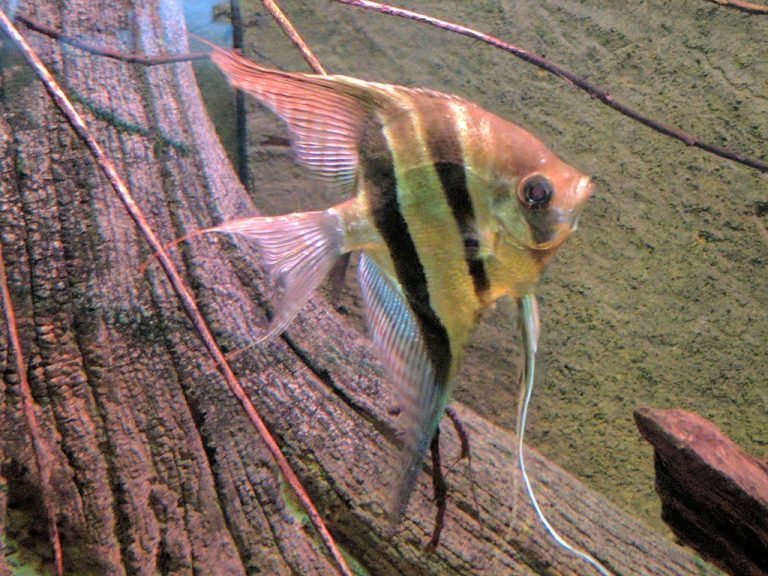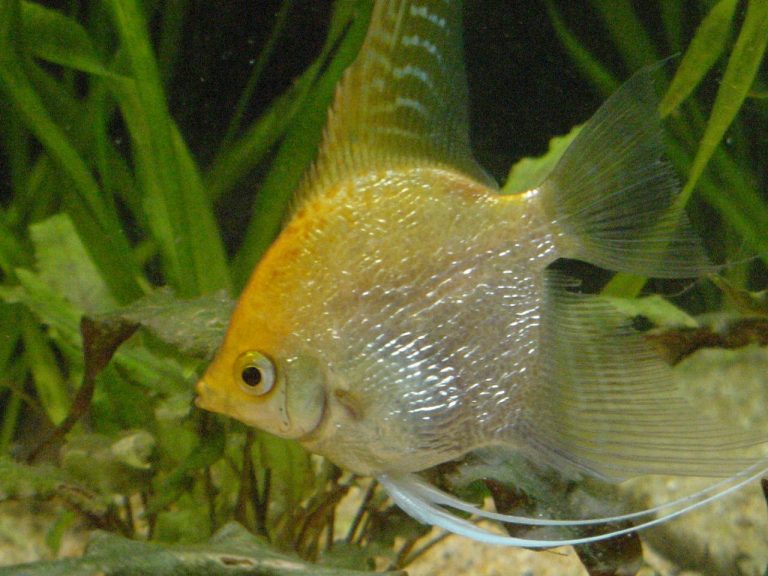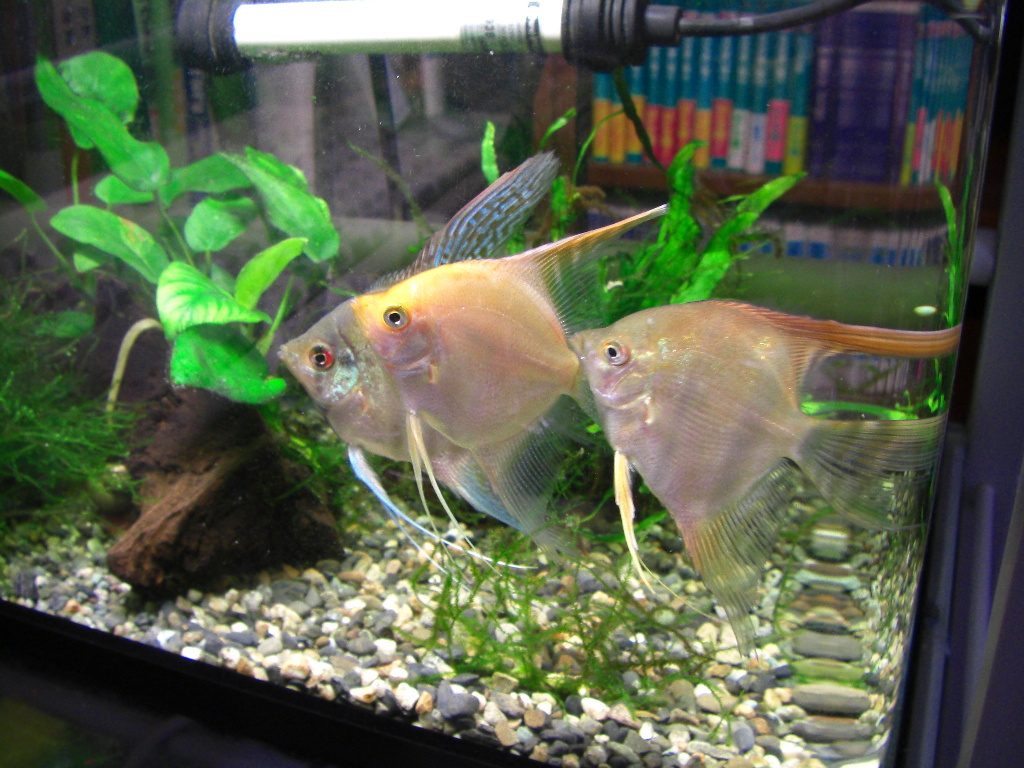
Why Won’t My Angelfish Pair Up – Expert Secrets To Breeding Success
Angelfish often fail to pair due to sexual immaturity, having a group of the same gender, or inadequate water conditions. Success usually requires raising a group of six juveniles to allow natural bonding and pheromone signaling.
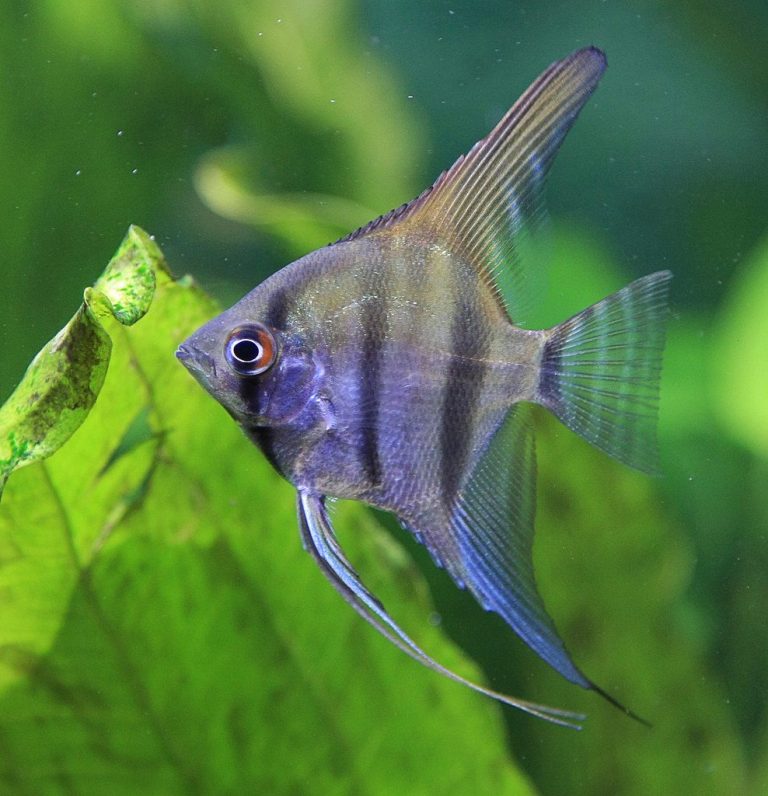
Watching a pair of Pterophyllum scalare guard a clutch of eggs is one of the most satisfying experiences in the aquarium hobby. However, getting to that point can be incredibly frustrating when your fish simply refuse to bond.
In my 12 years of keeping these “kings of the aquarium,” I have learned that you cannot force a romance between two fish. Like humans, angelfish are picky about their partners and require the right environment to feel the spark.
If you are currently asking yourself why won’t my angelfish pair up, you are likely missing a small but vital piece of the biological puzzle. This guide will break down the maturity, social, and environmental factors that lead to a successful pairing.
At a glance: Freshwater angelfish (Pterophyllum scalare)
- Temperature
- 76–84°F (24–29°C)
- Water pH
- 6.0–7.5
- Adult size
- 6 in long, 8 in tall (15 × 20 cm)
- Minimum tank
- 30 gal for a pair, 55 gal tall for a group
- Group size
- Pair or group of 5+
- Temperament
- Semi-aggressive, territorial when breeding
- Diet
- Omnivore: pellets, flakes, frozen bloodworm and brine shrimp
- Lifespan
- 10–12 years
Keeper’s tip: Choose a tall tank; height matters more than length for a fish that grows taller than it is long.
The Role of Maturity and Age in Pairing
One of the most common reasons breeders fail is simply trying to rush the process. Angelfish are not ready to pair the moment they look like adults in the pet store.
Most Pterophyllum scalare varieties reach sexual maturity between 8 and 12 months of age. If your fish are still small or have not reached their full body depth, they likely lack the hormonal drive to seek a mate.
I have often seen hobbyists buy two large angelfish from different tanks and expect them to bond overnight. In reality, these fish often spend more time establishing dominance than they do looking for a partner.
Pro Tip: Patience is your best tool when breeding angelfish. I always recommend starting with a group of six juveniles and letting them grow up together to make sure they reach maturity at the same time in a shared environment.
Why won’t my angelfish pair up: The Gender Identification Challenge
Identifying the sex of an angelfish is notoriously difficult because they exhibit very little sexual dimorphism. Unlike many other cichlids, there are no permanent color patterns that distinguish males from females.
Many hobbyists inadvertently try to pair two males or two females. While two females may occasionally lay eggs together, they will never produce viable fry, and two males will almost certainly engage in heavy conspecific aggression.
To accurately determine the sex, you usually have to wait until they are ready to spawn. This is when the genital papillae become visible near the anal fin.
| Feature | Male Angelfish | Female Angelfish |
|---|---|---|
| Genital Papillae | Pointed and narrow (Tube-like) | Blunt and wide (Ovipositor) |
| Body Shape | Often larger with a more circular body | Slightly smaller, more angular shape |
| Head Shape | May develop a nuchal hump | Head profile is typically smoother |
Even with these indicators, it is never 100% certain until the eggs are laid and fertilized. This is why keeping these majestic fish in groups is so much more effective for breeding than buying a “suspected” pair.
Environmental Triggers for Successful Pairing
If you have a confirmed male and female but they still aren’t bonding, the issue is likely the water chemistry. Angelfish are sensitive to their surroundings, and they won’t bring offspring into a world that feels unstable.
In the wild, spawning is often triggered by the rainy season. This brings softer water, cooler temperatures, and an abundance of food.
You can mimic these conditions in your home aquarium. Maintaining a stable carbonate hardness and a slightly acidic pH can make a world of difference.
| Parameter | Ideal Breeding Range |
|---|---|
| Temperature | 80°F – 84°F (26.5°C – 29°C) |
| pH Level | 6.5 – 7.0 |
| Water Hardness (dGH) | 3 – 8 dGH |
| Carbonate Hardness (dKH) | 2 – 5 dKH |
I have found that performing a 25% water change with slightly cooler water (about 2 degrees lower than the tank) can simulate the start of the rainy season. This often triggers the hormones needed for pairing.
Angelfish communicate through more than just body language. They use pheromone signaling to communicate their readiness to mate and their social status within the group.
In a tank that is too small, these chemical signals can become muddled. If the water is saturated with nitrates or growth-inhibiting hormones from overstocking, the fish may never enter a breeding frame of mind.
Furthermore, angelfish are substrate spawning cichlids. They need to feel that they can defend a specific territory before they will even consider pairing up.
If your tank is a “community” setup with high-energy fish like tiger barbs or large tetras, your angelfish may feel too stressed to bond. They need a sense of security and a clear “home base” to start the courtship process.
Creating the Perfect Spawning Site
If your fish are asking “where do we put the eggs?” and the answer is “nowhere,” they won’t pair. Providing a dedicated spawning site is a psychological trigger for these fish.
In my experience, angelfish prefer vertical or slanted surfaces. This is why many breeders use a vertical slate or a PVC pipe placed at a 30-degree angle.
Broad-leafed plants like Amazon Swords also work beautifully. The pair will spend hours cleaning the surface of the leaf with their mouths before the ovipositor of the female even touches the surface.
Pro Tip: If you see two angelfish cleaning a specific leaf or a piece of slate together, they have officially paired. At this stage, avoid rearranging the tank or performing heavy maintenance, as stress can cause them to turn on each other.
Troubleshooting Aggression vs. Courtship
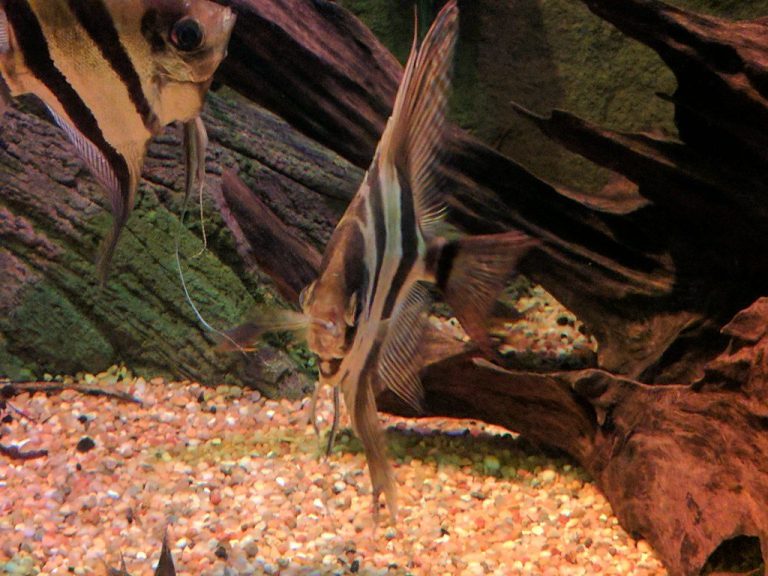
It is very common for owners to mistake courtship for fighting. Angelfish “lip-locking” is a classic behavior that can be both a test of strength between rivals and a bonding ritual between a potential pair.
However, if one fish is constantly hiding in the corner or has frayed fins, this is conspecific aggression, not love. If this happens, you must separate them immediately.
When you are working with different varieties of angelfish, keep in mind that their temperaments can vary slightly. Some lineages are more aggressive than others.
If a pair keeps “divorcing” or fighting after laying eggs, it often means they are young and inexperienced. Most angelfish pairs need 3 to 5 “practice” spawns before they successfully raise fry without fighting.
Feeding for Fertility
You cannot expect your angelfish to produce healthy eggs if they are only eating basic flake food. High-quality nutrition is essential for the development of the ovipositor and healthy sperm production in males.
I recommend a diet rich in protein and vitamins for at least two weeks before you expect them to pair. Frozen bloodworms, brine shrimp, and high-quality pellets should be staples.
I have seen incredible results when feeding live foods like blackworms or daphnia. These live prey items trigger the natural hunting instincts of Pterophyllum scalare and often lead to a surge in breeding hormones.
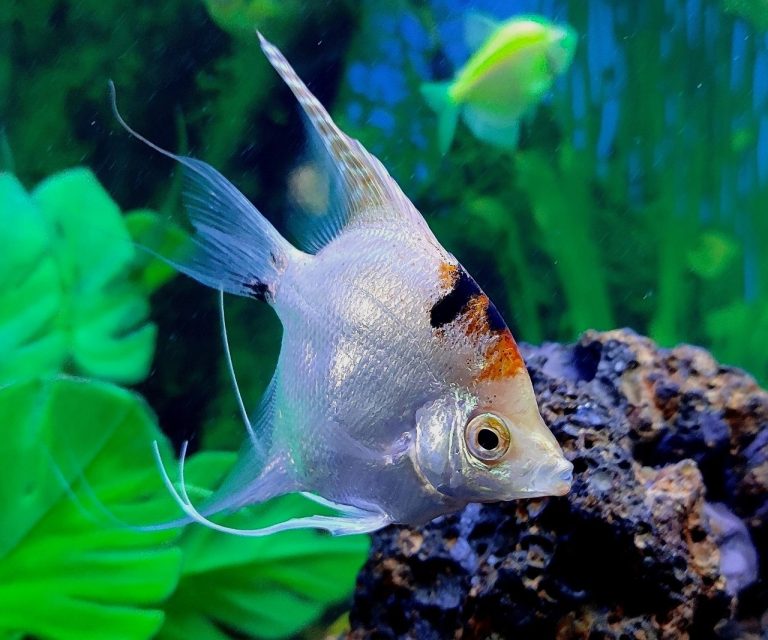
Whether you are keeping standard varieties or more exotic color morphs like Koi or Platinum, the nutritional requirements remain the same. A well-fed fish is a romantic fish.
Common Reasons Why Pairing Fails
Sometimes, despite your best efforts, a pair just won’t form. Here are the most common “hidden” reasons I have encountered over the years:
1. The Tank is Too Small: A 20-gallon tank is not enough for a group to naturally pair. You need at least a 40-gallon breeder or a 55-gallon tank to allow for territory definition.
2. High Nitrate Levels: Even if your pH and temperature are perfect, nitrates above 20ppm can suppress the breeding drive. Regular water changes are non-negotiable.
3. Too Much Light: Angelfish prefer dappled, soft lighting when they are courting. If your lights are too bright and there is no cover, they will feel exposed and vulnerable.
4. Dominant Tank Mates: If a larger fish is the “boss” of the tank, the angelfish will remain in a submissive state and will not focus on reproduction.
FAQ
How long does it take for angelfish to pair? If you start with a group of juveniles, they will usually begin forming pairs around the 8 to 10-month mark. The actual process of “selecting” a mate can take several weeks of social posturing.
Can I pair two different types of angelfish? Yes, different color varieties of Pterophyllum scalare (like a Marble and a Silver) can pair and produce viable offspring. They are the same species, just different color expressions.
Why is my pair eating their eggs? This is very common with new pairs. Stress, lighting changes, or simply being “new parents” can cause them to eat the eggs. They usually get it right after a few attempts.
Do angelfish mate for life? They are generally monogamous and will stay with the same partner for many years. However, if one mate dies or they are separated for a long time, they can and will find a new partner.
Final Thoughts on Angelfish Pairing
Understanding why won’t my angelfish pair up requires looking at the world through their eyes. They need safety, maturity, the right social group, and pristine water to feel comfortable enough to start a family.
If you are struggling, my best advice is to take a step back. Stop trying to “matchmake” and instead focus on providing the best possible care and nutrition.
When the conditions are right, nature will take over. Before you know it, you’ll see that unmistakable behavior of two fish hovering over a vertical slate, guarding the next generation of your aquarium.
Breeding these fish is a journey of patience, but once you see that first cloud of free-swimming fry, you will know that every bit of effort was worth it. Keep your water clean, your fish well-fed, and let the Pterophyllum scalare do the rest.

- 2003First tank
- 20+Years keeping
- 40+Tanks kept
- 0Sponsored picks
Howard set up his first 10-gallon planted tank in 2003 and lost half of it within six weeks. Two decades and more than forty aquariums later, he writes the guides he wished he had then: clear numbers, the reasons behind them, and what actually goes wrong in home tanks.