How To Pair Up Angelfish – A Master Guide To Successful Breeding
To pair up angelfish, start with a group of six juveniles and allow them to bond naturally as they mature. Once a pair establishes a territory and defends it together, move them to a dedicated breeding tank for safety.
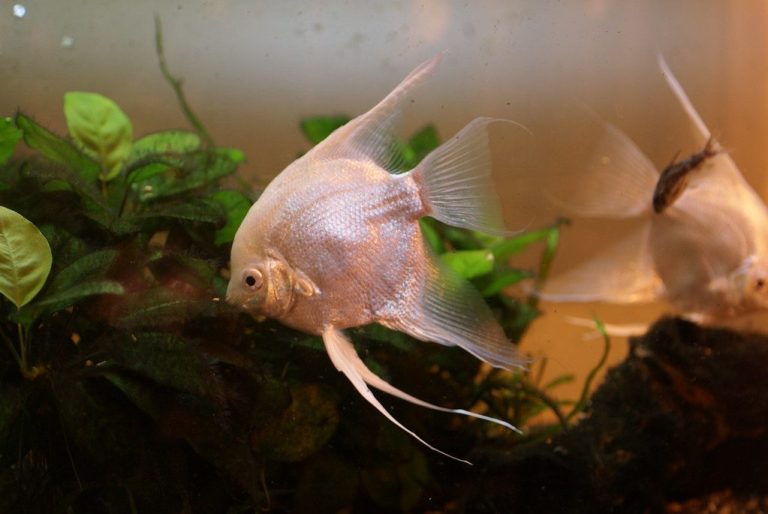
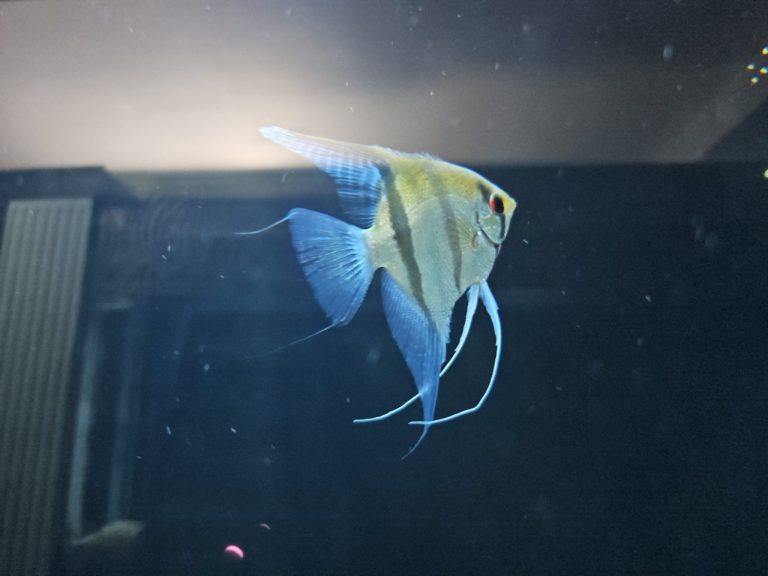
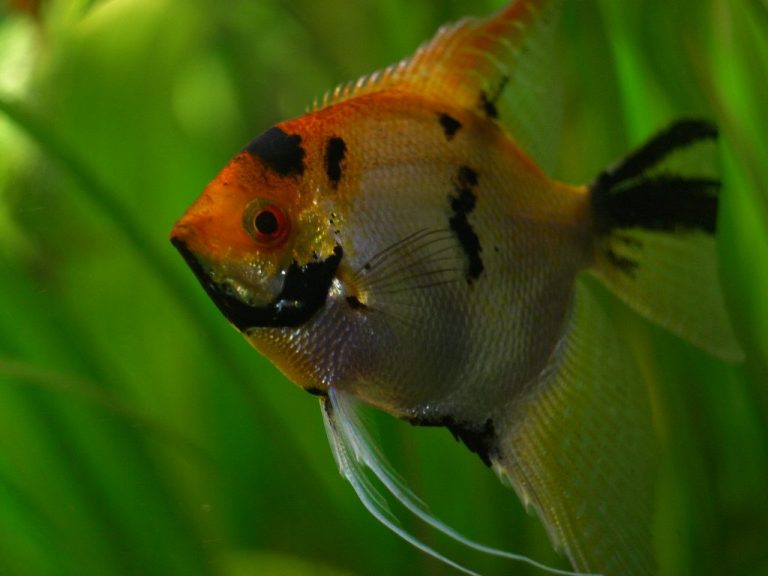
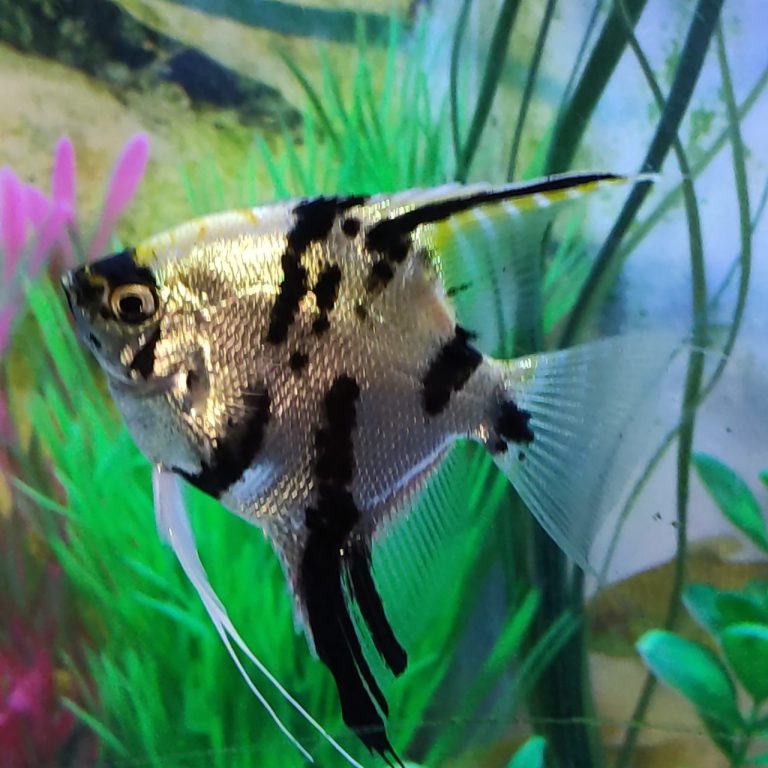
In my decade of maintaining freshwater setups, few sights are as satisfying as a bonded pair of Pterophyllum scalare. These fish are known as the “kings” of the aquarium for a reason, displaying grace, intelligence, and complex social structures.
Learning how to pair up angelfish requires a mix of patience, observation, and environmental control. It is not as simple as putting two random fish together and hoping for the best.
When I first tried breeding these majestic cichlids, I made the mistake of assuming any male and female would get along. I quickly learned that angelfish are quite picky about their partners, much like humans are.
In this guide, I will share the exact steps I use to encourage natural bonding. We will cover everything from identifying genders to managing the inevitable conspecific aggression that occurs during the process.
At a glance: Freshwater angelfish (Pterophyllum scalare)
- Temperature
- 76–84°F (24–29°C)
- Water pH
- 6.0–7.5
- Adult size
- 6 in long, 8 in tall (15 × 20 cm)
- Minimum tank
- 30 gal for a pair, 55 gal tall for a group
- Group size
- Pair or group of 5+
- Temperament
- Semi-aggressive, territorial when breeding
- Diet
- Omnivore: pellets, flakes, frozen bloodworm and brine shrimp
- Lifespan
- 10–12 years
Keeper’s tip: Choose a tall tank; height matters more than length for a fish that grows taller than it is long.
The Natural Approach: The Group Method
The most successful way to find a compatible duo is to let the fish choose their own partners. This is often referred to as the “group method” or the “six-pack” strategy.
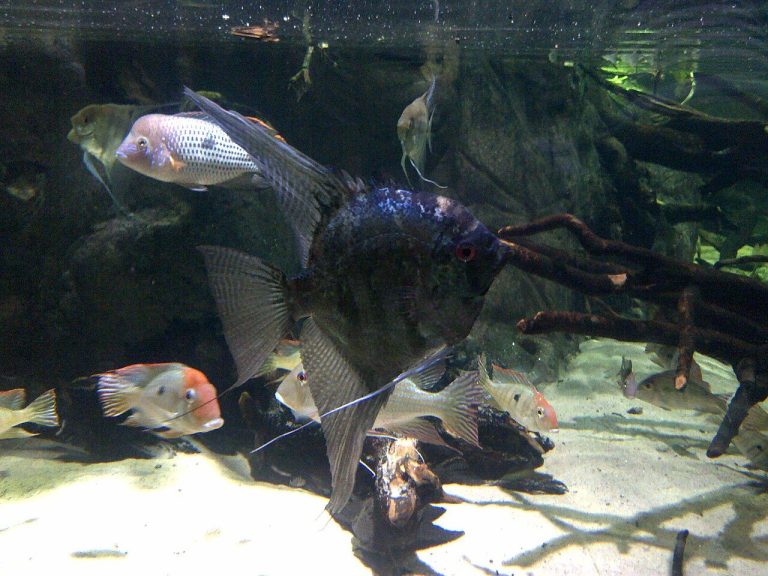
By starting with a group of at least six juvenile fish, you increase the statistical probability of having at least one male and one female. More importantly, you allow the fish to interact and form a genuine bond through social hierarchy.
As these juveniles grow, they will begin to establish a pecking order. In my experience, the strongest pair usually emerges from the top of this social ladder.
Why You Should Avoid Forced Pairing
Forcing two adult angelfish into a small tank rarely ends well for the hobbyist or the fish. Without a natural bond, the male may become overly aggressive toward the female if she is not ready to spawn.
This aggression can lead to torn fins, stress-related illnesses, or even the death of the less dominant fish. It is always better to facilitate a natural connection whenever possible.
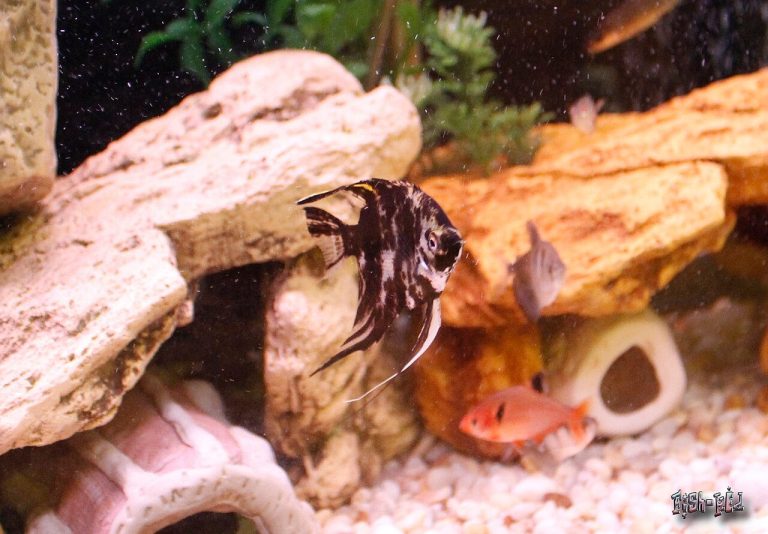
If you are looking for specific types to pair, such as unique color morphs, start with a group of that specific variety to ensure the offspring carry the desired traits.
Pro Tip: When selecting your initial group of six, try to pick individuals of slightly different sizes. This often helps a natural hierarchy form more quickly, reducing the duration of intense fighting.
Identifying Males and Females: The Sexing Challenge
One of the biggest hurdles in how to pair up angelfish is that they are not sexually dimorphic until they are ready to spawn. This means males and females look almost identical to the untrained eye.
However, once they reach maturity (usually around 6 to 12 months), subtle physical clues begin to emerge. You will need to observe them closely, often with a flashlight, to see the differences in their anatomy.
The most reliable way to tell them apart is by looking at their genital papillae. These are the small tubes located between the ventral fins and the anal fin.
| Feature | Male Angelfish | Female Angelfish |
|---|---|---|
| Genital Papillae | Pointed, narrow “sperm duct” | Blunt, round “ovipositor” |
| Body Shape | Often larger with a more circular profile | Slightly smaller, more angular profile |
| Nuchal Hump | Common in older males | Rarely present |
| Behavior | More aggressive and territorial | Aggressive only when guarding eggs |
Observing the Breeding Tubes
The ovipositor on a female is designed to place eggs precisely on a surface. It looks like a blunt, thick tube, often compared to the end of a pencil eraser.
The male’s tube is much thinner and more pointed. These tubes usually only descend fully 24 to 48 hours before the actual spawning event occurs.
If you see two fish with blunt tubes cleaning a leaf together, you likely have two females. While they may “pair up” and lay eggs, these eggs will never hatch.
Signs That Your Angelfish Have Paired Up
Once a pair has bonded, their behavior will change significantly. They will no longer hang out with the rest of the school and will instead claim a specific corner of the tank.
You will notice them swimming side-by-side, often touching fins or performing a “shimmy” dance. This dance involves the fish shaking their bodies rapidly in front of one another.
Another clear sign is the defense of a territory. If two fish are constantly chasing others away from a particular broad-leafed plant or piece of slate, you have a successful pair.
Surface Cleaning Behavior
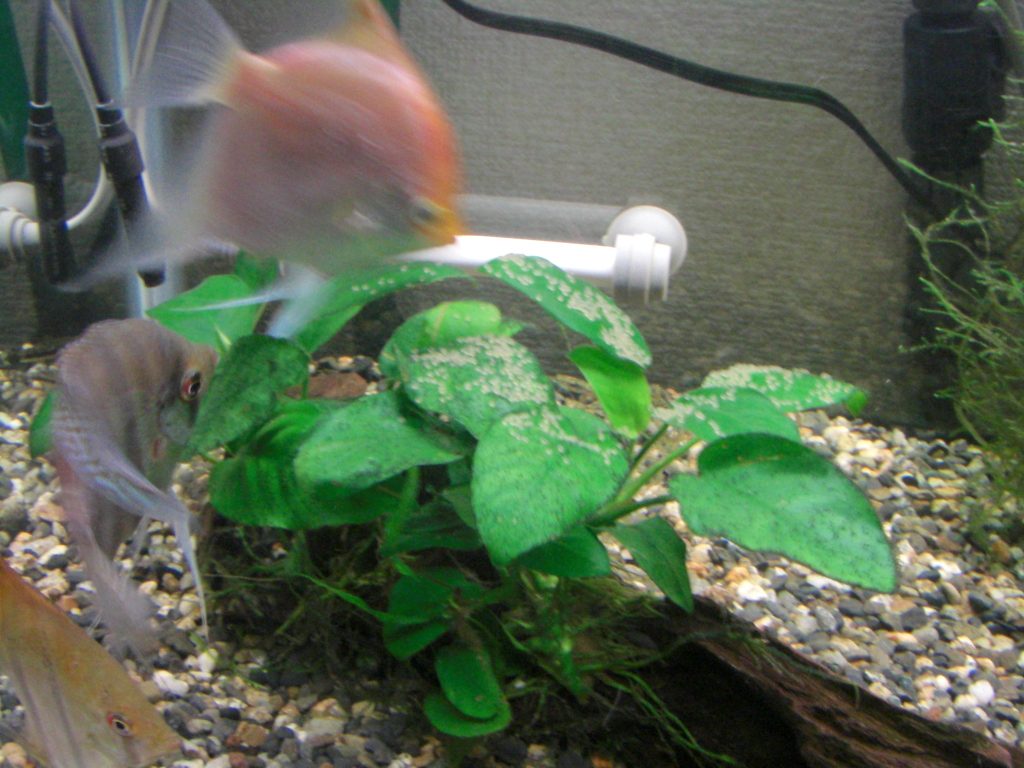
Bonded pairs spend a lot of time “pecking” at a flat surface. This is their way of cleaning the area where they intend to lay their eggs.
In a natural setting, they prefer substrate spawning on large leaves like those of the Echinodorus grisebachii (Amazon Sword). In a breeding tank, many keepers provide a vertical slate or a ceramic breeding cone.
If you see them carefully cleaning a surface for hours, spawning is likely imminent. This is the perfect time to decide if you want to leave them in the community tank or move them.
Pro Tip: If you plan to move the pair to a separate tank, do it before they lay eggs. Moving them while they are guarding eggs often causes enough stress for them to eat their own brood.
Setting Up the Ideal Pairing and Breeding Tank
To successfully learn how to pair up angelfish, you must provide an environment that mimics their freshwater origins. This means soft, slightly acidic water and plenty of vertical space.
A 20-gallon “high” or a 29-gallon tank is the minimum size I recommend for a single bonded pair. The extra height is vital because of their tall finnage and their preference for vertical spawning sites.
Water quality is the most important factor in triggering the breeding instinct. If your tap water is very hard, you might need to use Reverse Osmosis (RO) water mixed with a bit of tap water to reach the ideal parameters.
Water Parameter Requirements
Maintaining stable conditions is more important than chasing “perfect” numbers. However, the following table provides a guideline for what angelfish prefer during the pairing phase.
| Parameter | Ideal Range |
|---|---|
| Temperature | 78°F – 82°F (25.5°C – 28°C) |
| pH Level | 6.5 – 7.0 |
| Water Hardness (dGH) | 3 – 8 degrees |
| Ammonia / Nitrite | 0 ppm |
| Nitrate | < 20 ppm |
Diet and Conditioning
To get your pair in “the mood,” you should feed them high-quality, protein-rich foods. In my experience, live or frozen foods are far superior to dry flakes for conditioning.
Bloodworms, brine shrimp, and tubifex worms are excellent choices. A well-fed female will visibly thicken as she produces eggs, which is a clear signal that the pairing process is working.
Proper nutrition also helps make sure that the parents have the energy required to guard the eggs. Guarding is an exhausting process that can last for several days without the fish eating much.
Managing Conspecific Aggression
As your angelfish begin to pair up, the social dynamic of the tank will change. Angelfish are generally peaceful until they decide to breed.
Once a pair forms, they will become fiercely territorial. They may harass or even injure other fish in the tank to protect their chosen nesting site.
This conspecific aggression is the primary reason why many hobbyists choose to move a confirmed pair to their own dedicated aquarium. It protects the pair from stress and protects the other fish from the pair.
Using Visual Barriers
If you cannot move the pair immediately, use tall plants or driftwood to break the line of sight in the tank. This allows the non-paired fish to hide and stay out of the pair’s “war zone.”
I’ve found that large clumps of Java Fern or tall Amazon Swords work best. They provide a natural barrier that reduces the frequency of high-speed chases across the tank.
If the aggression becomes too severe, you must intervene. A stressed pair is likely to fail at their first few spawning attempts, often resulting in them eating the eggs.
Troubleshooting Common Pairing Issues
Sometimes, despite your best efforts, things don’t go according to plan. You might see a pair form, lay eggs, and then immediately start fighting.
This is common with young, inexperienced pairs. They are still learning the “rules” of parenting and often blame each other when things go wrong.
If the male is too aggressive after spawning, you may need to use a tank divider. This keeps the male in the tank so the pair stays bonded but prevents him from harming the female.
Dealing with Egg Fungus
If the eggs turn white within 24 hours, they are likely unfertilized or have been attacked by fungus. This is common in new pairs or in tanks with poor water circulation.
Many breeders use a few drops of Methylene blue to prevent fungus from spreading to healthy eggs. However, if the eggs are consistently white, you may actually have two females pairing up.
Don’t be discouraged if the first few spawns fail. It often takes five or six tries before a new pair successfully raises fry to the free-swimming stage.
Feeding the Fry
Once the eggs hatch and the fry become free-swimming, you will need to provide specialized food. The best food for newborn angelfish is Artemia nauplii (baby brine shrimp).
These tiny, moving organisms trigger the fry’s hunting instinct. You can also use high-quality powdered fry food, but the growth rate is usually slower.
For more details on raising the young once they hatch, refer to our comprehensive care guide. It covers the transition from eggs to majestic adults.
FAQ: How to Pair Up Angelfish
Can two female angelfish pair up?
Yes, this is very common. Two females will go through all the motions of pairing, including cleaning a site and laying eggs. However, since no male is present to fertilize them, the eggs will turn white and die within 48 hours.
How long does it take for angelfish to pair up?
Usually, angelfish will begin to pair up when they reach 6 to 9 months of age. The process of establishing a bond within a group can take anywhere from a few weeks to several months.
Do angelfish mate for life?
Angelfish are generally monogamous and will stay with the same partner for many years. However, if one partner dies or is removed, the remaining fish will often accept a new mate after a period of adjustment.
Why is my paired male attacking the female?
This often happens if the female is not ready to spawn or if the first batch of eggs fails. It is a form of displaced aggression. If it persists, you should separate them temporarily using a clear divider.
What is the best tank size for a breeding pair?
A 29-gallon tank is often considered the “gold standard” for a single breeding pair. It provides enough vertical height for their fins and enough volume to keep water parameters stable.
Final Thoughts on Pairing Angelfish
Mastering how to pair up angelfish is one of the most fulfilling milestones in the aquarium hobby. It moves you from being a keeper of fish to a guardian of a complex biological process.
Patience is your most valuable tool. If you provide a clean environment, a high-quality diet, and the freedom for the fish to choose their own mates, you set the stage for success.
Watching a pair of Pterophyllum scalare carefully care for their young is a masterclass in nature’s beauty. Even if your first few attempts don’t result in a swarm of fry, the bond you witness between the pair is a reward in itself.
Keep your water clean, watch for those genital papillae, and soon enough, you will have a healthy pair of kings in your own home aquarium.

- 2003First tank
- 20+Years keeping
- 40+Tanks kept
- 0Sponsored picks
Howard set up his first 10-gallon planted tank in 2003 and lost half of it within six weeks. Two decades and more than forty aquariums later, he writes the guides he wished he had then: clear numbers, the reasons behind them, and what actually goes wrong in home tanks.