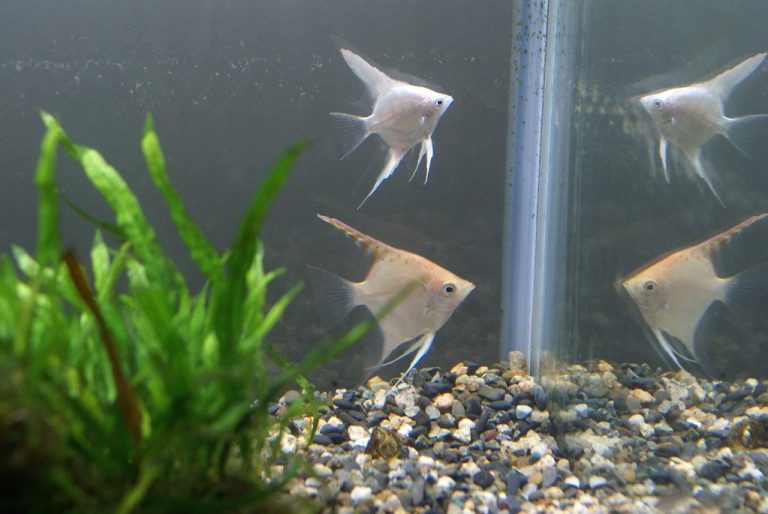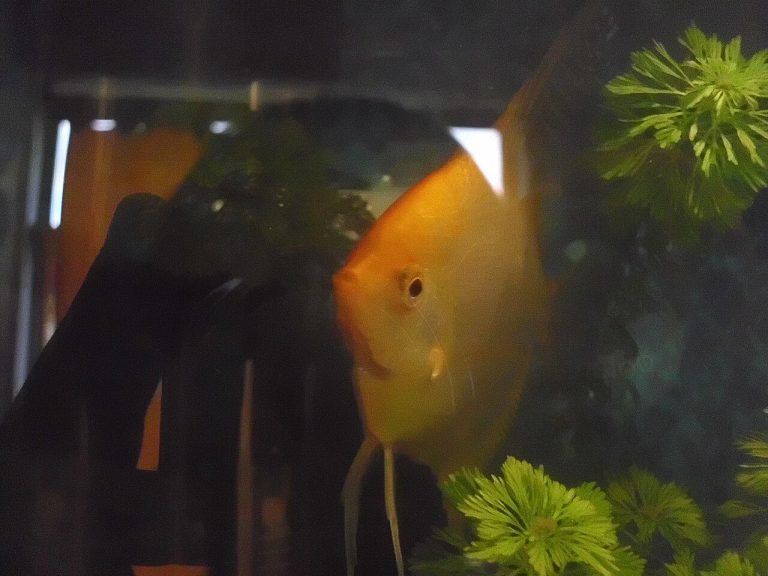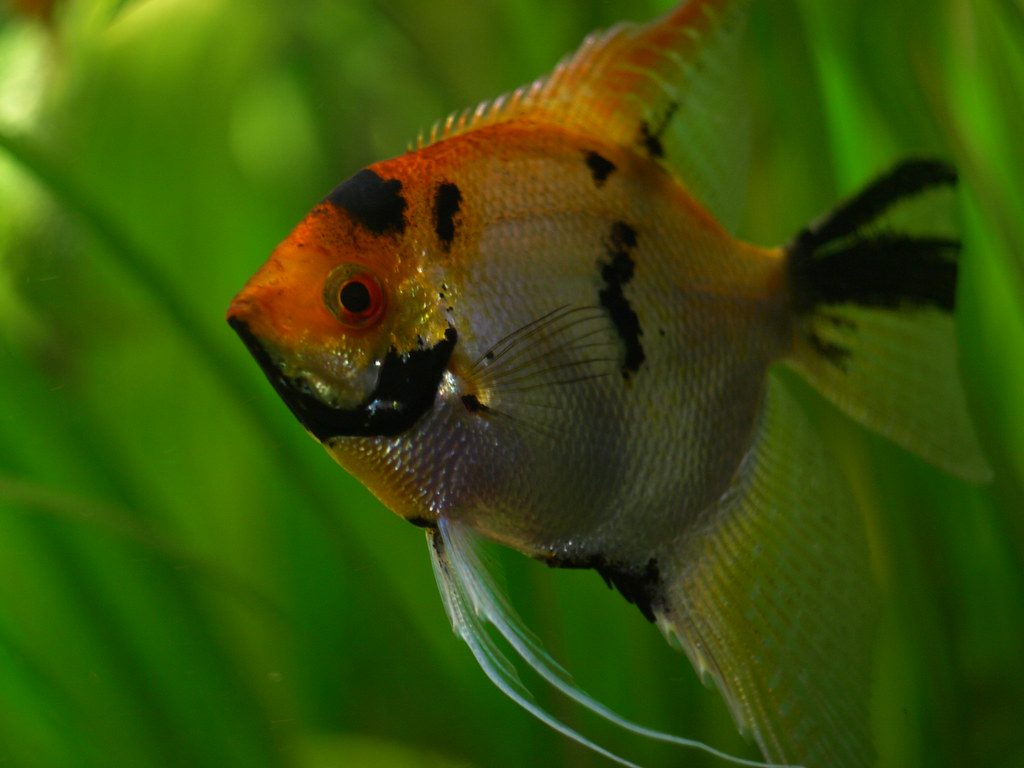
Angelfish Natural Habitat – Care Guide
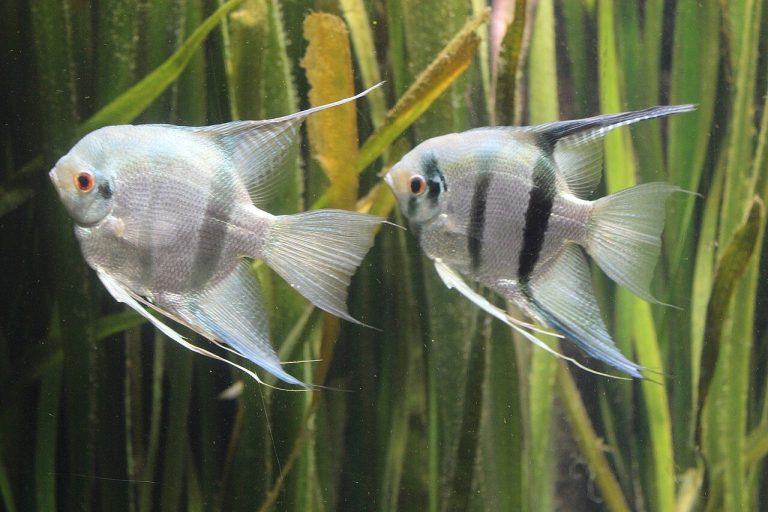
The angelfish natural habitat spans the Amazon River basin, featuring slow-moving blackwater and whitewater rivers filled with submerged roots and dense vegetation, requiring soft, acidic water and low flow for ideal health.
Understanding the angelfish natural habitat is the single most important step in transitioning from a casual owner to a successful aquarist. In my ten years of keeping these majestic cichlids, I have found that their health and bright colors are a direct reflection of how closely their aquarium mimics their wild origins.
When we talk about the Amazon, we aren’t just talking about a single river, but a massive, complex network of tributaries, flooded forests, and unique water chemistries. Once you learn where these “Kings of the Aquarium” come from, you can provide an environment that reduces stress and encourages natural behaviors like pair-bonding and spawning.
In this guide, we will explore the intricate details of the South American waterways, from the tea-colored streams of the Rio Negro to the leafy, flooded plains. We will also provide actionable steps to help you recreate this eye-catching ecosystem in your own home.
At a glance: Freshwater angelfish (Pterophyllum scalare)
- Temperature
- 76–84°F (24–29°C)
- Water pH
- 6.0–7.5
- Adult size
- 6 in long, 8 in tall (15 × 20 cm)
- Minimum tank
- 30 gal for a pair, 55 gal tall for a group
- Group size
- Pair or group of 5+
- Temperament
- Semi-aggressive, territorial when breeding
- Diet
- Omnivore: pellets, flakes, frozen bloodworm and brine shrimp
- Lifespan
- 10–12 years
Keeper’s tip: Choose a tall tank; height matters more than length for a fish that grows taller than it is long.
The Geography of the Angelfish Natural Habitat
The primary angelfish natural habitat is located within the vast Amazon River basin, stretching across Brazil, Peru, and Colombia. These fish are also found in the Orinoco River basin, particularly the more specialized species.
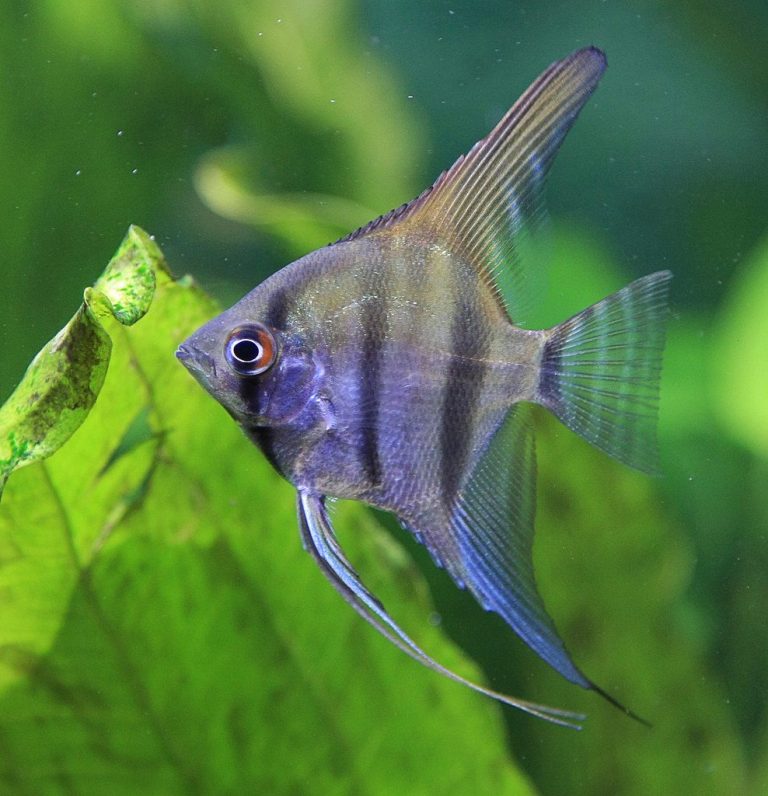
Most common aquarium angelfish, Pterophyllum scalare, are found in slow-moving rivers, lakes, and flooded plains. These areas are often characterized by significant amounts of fallen timber and overhanging canopy.
While many hobbyists wonder about the origin of these cichlids, they are strictly freshwater inhabitants. They have evolved to flourish in environments where the water current is minimal, allowing their tall, compressed bodies to glide effortlessly through thick vegetation.
The Rio Negro Basin and Blackwater Environments
The Rio Negro is perhaps the most famous locality within the angelfish natural habitat. It is a classic “blackwater” river, where the water is stained a deep, translucent brown by tannic acid concentration from decaying leaf litter.
In these regions, the water is incredibly soft and acidic. The presence of humic substances provides natural antibacterial and antifungal properties, which are vital for the delicate slime coats of wild angelfish.
Whitewater and Clearwater Regions
Not all angelfish live in dark, tea-colored water. Some populations inhabit whitewater regions, which are opaque and “milky” due to high levels of alluvial sediment washed down from the Andes mountains.
There are also clearwater habitats, which are transparent and often have a higher pH than blackwater areas. Regardless of the water type, one constant remains: the presence of structural cover like submerged riparian roots.
Pro Tip: When setting up a new tank, I’ve noticed that adding a layer of dried catappa leaves (Indian Almond leaves) can safely lower the pH and introduce those beneficial humic substances found in the wild. It gives the water a natural amber tint that makes the colors of your fish pop.
Understanding Water Chemistry in the Wild
To replicate the angelfish natural habitat, we must look at the specific parameters of the Amazonian waterways. These rivers are some of the softest in the world, meaning they have very low mineral content.
The specific conductance (a measure of dissolved salts) in these waters is remarkably low. This is why angelfish can be sensitive to “hard” tap water that is high in calcium and magnesium.
| Parameter | Typical Wild Value (Blackwater) | Recommended Aquarium Range |
|---|---|---|
| pH Level | 4.5 – 6.5 | 6.0 – 7.0 |
| Water Hardness (dGH) | 0 – 3° | 3 – 8° |
| Temperature | 78°F – 86°F (26°C – 30°C) | 78°F – 82°F (25°C – 28°C) |
| Conductivity | Very Low (< 20 µS/cm) | Low to Moderate |
The Role of Dissolved Organic Carbon
In the wild, dissolved organic carbon plays a massive role in the ecosystem. It comes from the breakdown of organic matter like wood, leaves, and fruit that fall into the river.
This organic matter creates a complex food web. Microorganisms feed on the decaying material, which in turn provides a feast for small crustaceans and insect larvae that angelfish hunt.
Managing Tannins and Acidity
In an aquarium setting, maintaining a pH of 4.5 is difficult and risky for most hobbyists. However, you can still provide a healthy environment by keeping the pH slightly acidic and using driftwood to release natural tannins.
High tannic acid concentration mimics the look of the Amazon and also helps inhibit the growth of harmful bacteria. This is particularly important if you are interested in proper husbandry techniques for breeding.
Flora and Fauna: The Vegetation of the Amazon
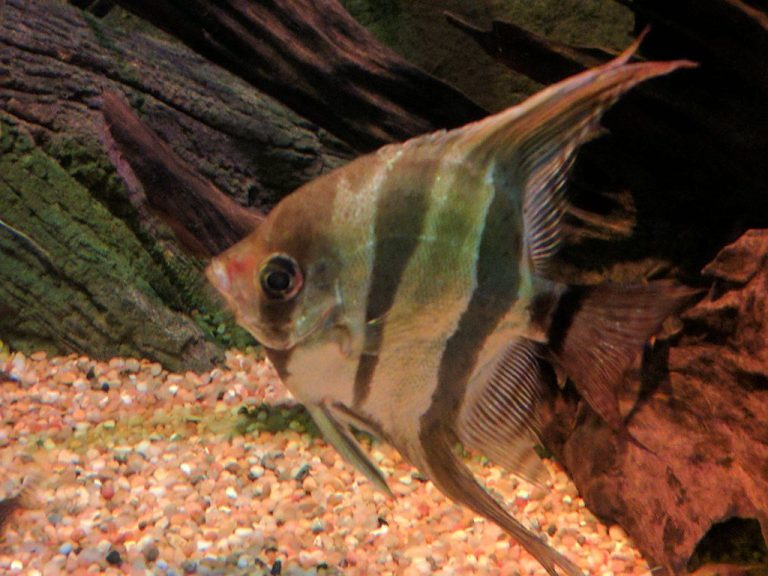
The angelfish natural habitat is a well-grown, underwater jungle. Because angelfish have flat, disc-shaped bodies, they are perfectly designed to hide among vertical structures.
In the wild, they are frequently found among the stalks of aquatic plants and the trailing roots of trees. This provides them with protection from larger predators like piranhas or caimans.
The Importance of Echinodorus grisebachii
One of the most iconic plants in the Amazon is Echinodorus grisebachii, commonly known as the Amazon Sword. These plants grow large, broad leaves that reach toward the surface.
Angelfish love these plants because the wide leaves offer excellent cover. In fact, many pairs will choose a sturdy Amazon Sword leaf as the primary site for laying their eggs.
Floating Plants and Submerged Roots
The surface of the Amazon is often covered with floating vegetation like Pistia stratiotes (Water Lettuce) or Salvinia. These plants provide shade and help keep the water cool.
Beneath the surface, the submerged riparian roots of trees like the Rubber tree or various palms create a dense labyrinth. Recreating this with spider wood or driftwood in your tank is essential for making your fish feel secure.
Pro Tip: If you find your angelfish are constantly hiding or acting skittish, it’s usually because the middle and upper layers of the tank are too “open.” I’ve found that adding tall pieces of driftwood that reach the surface immediately makes them more confident and active.
The Igapó Flooded Forest: A Seasonal Cycle
The angelfish natural habitat is not static; it changes dramatically with the seasons. The Amazon undergoes massive flooding cycles where the river level can rise by over 30 feet.
This creates the Igapó flooded forest, where the river spills over its banks and flows into the surrounding jungle. For several months of the year, angelfish swim among the trunks of terrestrial trees and forage on the forest floor.
Seasonal Breeding Triggers
This flooding event brings an abundance of food and a drop in water hardness as rainwater fills the basin. These environmental cues are what trigger angelfish to breed.
In the aquarium, we can simulate this by performing a large water change with slightly cooler, soft water. This mimics the arrival of the rainy season and often encourages a pair to begin spawning.
Nutrient Spikes and Foraging
During the flood, the water is rich in nutrients and organic matter. Angelfish take advantage of this by hunting for terrestrial insects that fall into the water and small fry of other fish species.
Understanding this cycle helps us realize that angelfish are opportunistic omnivores. Providing a varied diet is a key part of replicating their natural life cycle.
The Specialized World of Pterophyllum altum
While most people keep the common P. scalare, the angelfish natural habitat of the Orinoco River is home to the majestic Pterophyllum altum. These are the true giants of the genus.
The Altum angelfish lives in even more extreme conditions than its cousins. They are found in very deep, very slow-moving sections of the Upper Rio Negro and Orinoco.
Replicating the Altum Habitat
Recreating a habitat for Altums requires a very tall aquarium, often 24 to 30 inches deep. They require extremely soft water and are much more sensitive to nitrates than standard angelfish.
If you are transitioning to these different species, you must be prepared for a more rigorous maintenance schedule. They represent the pinnacle of the Amazonian biotope.
Specific Conductance and Altums
For Altums, the specific conductance must be kept very low, often requiring the use of a Reverse Osmosis (RO) system. This helps make sure that the mineral content closely matches the pristine waters of their native Orinoco tributaries.
Step-by-Step Checklist for an Amazon Biotope Setup
To help you get started, I have put together a checklist based on the angelfish natural habitat. Following these steps will help your tank is not just a glass box, but a well-kept ecosystem.
| Component | Action Item |
|---|---|
| Substrate | Use fine, natural sand to mimic riverbeds. Avoid bright colors. |
| Hardscape | Incorporate large pieces of driftwood and vertical branches. |
| Botanicals | Add dried leaves, seed pods, and alder cones for tannins. |
| Plants | Focus on Amazon Swords, Vallisneria, and floating plants. |
| Filtration | Use a filter with adjustable flow to keep the current gentle. |
| Lighting | Use dimmable LEDs to simulate the dappled sunlight of the canopy. |
Common Pitfalls in Habitat Simulation
One mistake I see often is the use of high-flow powerheads. In the angelfish natural habitat, the water is nearly still. High flow stresses the fish, causing them to burn excess energy just to stay upright.
Another issue is over-cleaning. While we want clean water, “stripping” the water of all organic matter can be detrimental. Angelfish settle in in “aged” water that is biologically stable.
The Problem with Hard Water
If your local tap water is very hard, your angelfish may survive, but they will rarely flourish. High mineral content can lead to issues with egg development and may cause “hole-in-the-head” disease over time.
Using a mix of RO water and tap water can help you achieve the soft, acidic conditions found in the Rio Negro basin. This is the best way to ensure long-term health and longevity.
Avoiding Bright, Direct Light
Angelfish come from environments where the sun is filtered through layers of rainforest canopy. Bright, intense lighting can make them feel exposed and vulnerable.
Using floating plants like Amazon Frogbit is a great way to provide natural cover. The long, trailing roots of these plants also look incredibly natural and help absorb excess nitrates.
FAQ
What is the best temperature for an angelfish habitat?
In the wild, temperatures usually range between 78°F and 86°F. For a home aquarium, 80°F (26.5°C) is generally considered the “sweet spot” for activity and health.
Can I keep angelfish in a “clear” tank without tannins?
Yes, most tank-raised angelfish are very adaptable. However, they will display better colors and more natural behavior if you include at least some driftwood or botanicals.
Do angelfish need a lot of swimming space?
While they aren’t fast swimmers, they do need vertical space. Because of their tall fins, a “tall” style tank is always better than a “long” shallow tank for replicating the angelfish natural habitat.
Are there any specific rocks I should avoid?
Avoid rocks like limestone or seiryu stone, as these can leach minerals into the water and raise the pH and hardness, which is the opposite of what angelfish need.
How often should I change the water to mimic the Amazon?
In the wild, water is constantly being refreshed. In an aquarium, a weekly change of 25-30% is ideal to keep nitrates low while maintaining the stable biological balance they prefer.
Putting it all together
Recreating the angelfish natural habitat is a satisfying challenge that goes beyond simple aesthetics. Once you understand the chemistry of the Rio Negro, the structure of the Igapó flooded forest, and the importance of humic substances, you provide your fish with a home that meets their biological needs.
In my experience, the more we respect the natural origins of our fish, the more they reward us with their beautiful beauty and remarkable social behaviors. Whether you are keeping a group of standard marbles or the majestic Pterophyllum altum, the principles of soft, acidic water and plenty of cover remain the same.
Start small by adding some driftwood and a few Amazon Swords, and watch as your angelfish transform into the true kings of your aquarium.

- 2003First tank
- 20+Years keeping
- 40+Tanks kept
- 0Sponsored picks
Howard set up his first 10-gallon planted tank in 2003 and lost half of it within six weeks. Two decades and more than forty aquariums later, he writes the guides he wished he had then: clear numbers, the reasons behind them, and what actually goes wrong in home tanks.