Where Do Angelfish Live? A Complete Guide To Their Natural Habitat
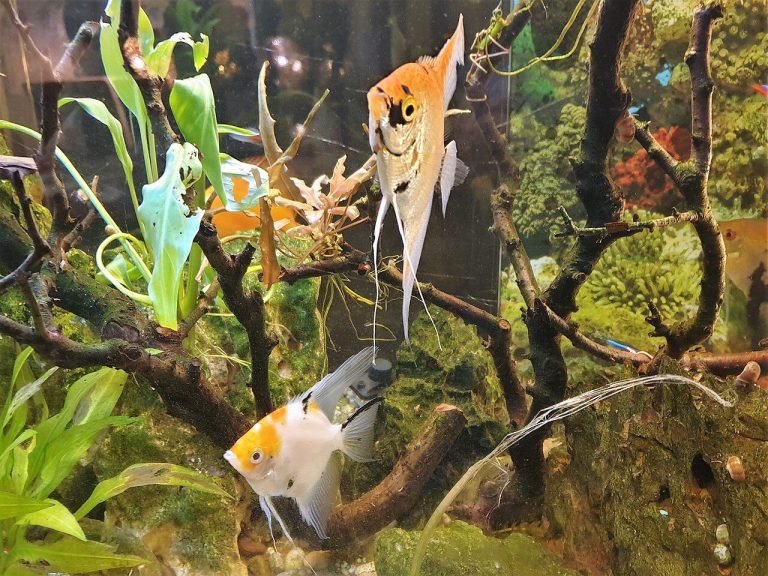
Angelfish naturally live in the tropical river systems of the Amazon River Basin across South America. They flourish in slow-moving, acidic blackwater habitats, often sheltering among submerged tree roots and dense aquatic vegetation.
Understanding where do angelfish live is the first step toward becoming a successful keeper of these majestic “Kings of the Aquarium.”
In my fifteen years of maintaining South American biotopes, I have found that the healthiest fish are always those kept in conditions that mirror their wild origins.
When we look at the biology of the Pterophyllum scalare, every physical trait—from their compressed bodies to their long, trailing fins—tells a story of their ancestral home.
By recreating these specific environmental cues, you can reduce stress, encourage natural breeding behaviors, and bring out the bright colors of your fish.
At a glance: Freshwater angelfish (Pterophyllum scalare)
- Temperature
- 76–84°F (24–29°C)
- Water pH
- 6.0–7.5
- Adult size
- 6 in long, 8 in tall (15 × 20 cm)
- Minimum tank
- 30 gal for a pair, 55 gal tall for a group
- Group size
- Pair or group of 5+
- Temperament
- Semi-aggressive, territorial when breeding
- Diet
- Omnivore: pellets, flakes, frozen bloodworm and brine shrimp
- Lifespan
- 10–12 years
Keeper’s tip: Choose a tall tank; height matters more than length for a fish that grows taller than it is long.
The Heart of South America: The Amazon River Basin
To answer the question of where do angelfish live, we must look at the vast map of South America.
The primary home of the common angelfish is the Amazon River Basin, a massive drainage system that spans several countries including Brazil, Peru, and Colombia.
These fish are not found in the fast-moving main channels of the Amazon, but rather in the quieter tributaries and peripheral water bodies.
The Rio Negro and Blackwater Systems
One of the most famous locations for wild angelfish is the Rio Negro.
This river is a classic example of a blackwater habitat, where the water is stained the color of dark tea by decaying organic matter.
These tannins are released from fallen leaves and wood, creating a unique chemical environment that is very soft and acidic.
Lentic Ecosystems and Slow Waters
Angelfish prefer what biologists call lentic ecosystems, which are characterized by still or very slow-moving water.
Their tall, thin bodies are not built for fighting strong currents; instead, they are designed to glide effortlessly through thick brush.
You will often find them in “igapós” or flooded forests, where the water level rises and covers the forest floor for several months of the year.
Pro Tip: When setting up your home aquarium, avoid high-flow powerheads or heavy filter returns. In my experience, angelfish become stressed and exhausted if they have to constantly battle a strong current, much like they would avoid the main river channel in the wild.
Where do angelfish live in the wild: The Varzea Forests
During the rainy season, the Amazon undergoes a dramatic transformation.
The rivers rise significantly, spilling over their banks and flooding the surrounding Varzea forests.
This is a critical time for angelfish, as the newly flooded land provides an abundance of food and protected nesting sites.
Sheltering in Submerged Roots
In these flooded areas, angelfish spend most of their time tucked away among submerged tree roots and fallen branches.
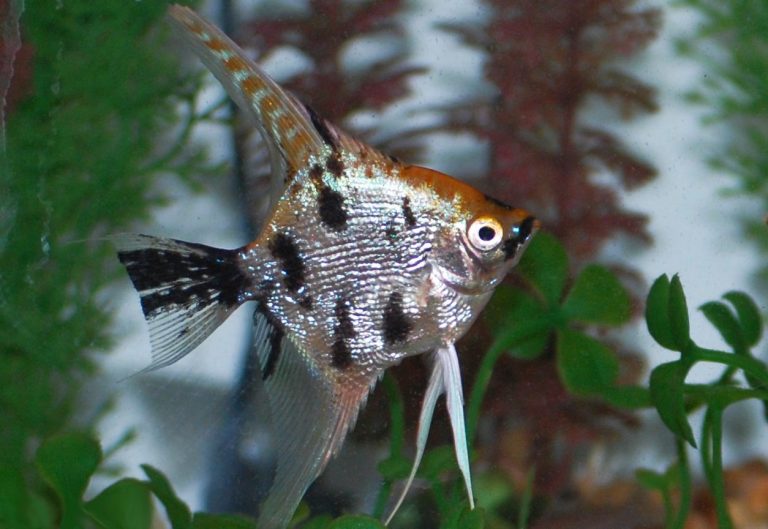
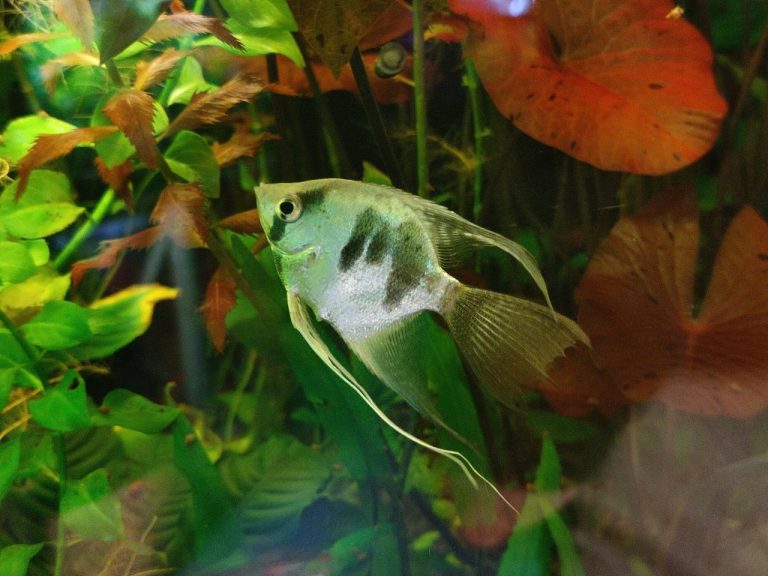
Their vertical stripes act as perfect camouflage against the shadows of the wood and the vertical stems of aquatic plants.
This behavior is why they often feel exposed and flighty in a “sterile” tank that lacks tall decor or wood.
The Role of Aquatic Vegetation
While they love wood, angelfish are also frequently found near dense patches of Echinodorus bleheri, commonly known as the Amazon Sword.
These plants provide wide, flat leaves that serve as the perfect platform for laying eggs.
In the wild, the relationship between the fish and the flora is symbiotic, providing both protection and a nursery for the next generation.
Recreating the Natural Water Chemistry
To understand where do angelfish live, we must look at the invisible chemistry of their water.
Wild angelfish habitats are characterized by extremely low specific conductance and almost non-existent carbonate hardness (KH).
The water is often so pure that it lacks the dissolved minerals we typically find in our tap water at home.
| Parameter | Wild Amazon Habitat | Ideal Home Aquarium |
|---|---|---|
| Water Type | Soft, Acidic Blackwater | Clean, Stable Freshwater |
| pH Level | 4.5 – 6.5 | 6.5 – 7.2 |
| Temperature | 78°F – 86°F | 78°F – 82°F |
| Hardness (dGH) | 0 – 5 degrees | 3 – 8 degrees |
The Importance of Warmth
The Amazon is a tropical paradise where temperatures rarely drop.
I’ve noticed that many beginners keep their tanks too cool, which can lead to a suppressed immune system in these fish.
Maintaining a steady temperature toward the higher end of the spectrum mimics the warmth of the shallow, sun-drenched pools where they stay healthy.
Managing pH and Tannins
While tank-bred angelfish are much more adaptable than their wild ancestors, they still appreciate slightly acidic water.
Using driftwood or dried Indian Almond leaves can introduce beneficial tannins into your tank.
This lowers the pH naturally and also provides antibacterial properties that help keep your fish healthy.
Designing a Tank Based on Wild Origins
When you are planning your setup, keep the question of where do angelfish live at the forefront of your design.
A tall aquarium is essential because of their vertical body shape.
In my early years, I tried keeping a pair in a standard 20-gallon long tank, but I quickly realized they were cramped and unable to swim naturally.
Verticality is Key
In the wild, angelfish move up and down the water column to find food and escape predators.
A tank that is at least 18 to 24 inches tall allows them to fully extend their dorsal and anal fins.
This prevents the fins from becoming stunted or bent, which is a common issue in shallow setups.
Choosing the Right Substrate
Wild riverbeds are often covered in fine sand or a thick layer of leaf litter.
Using a dark sand substrate can help your angelfish feel more secure and make their colors pop.
It also makes it easier for them to “blow” at the substrate to uncover small organisms, a natural foraging behavior.
Pro Tip: If you want to see natural behavior, plant several large Amazon Swords in a cluster. I’ve found that angelfish will naturally claim a “territory” around the plants, using the leaves as both a visual barrier and a potential spawning site.
Knowing where do angelfish live also helps us understand who they live with.
In the Amazon, they share their space with thousands of other species, but they are still predators.
They are members of the Cichlid family, which means they have a complex social structure and can be territorial.
The Schooling Instinct
While we often see them sold individually, young angelfish are actually quite social.
In the wild, they hang out in small groups for protection.
As they mature, they will pair off and become much more protective of their specific “home” area within the river.
Compatible Neighbors
When selecting tank mates, look for other species that share the same freshwater nature of these cichlids.
Good options include larger tetras, corydoras, and certain dwarf cichlids.
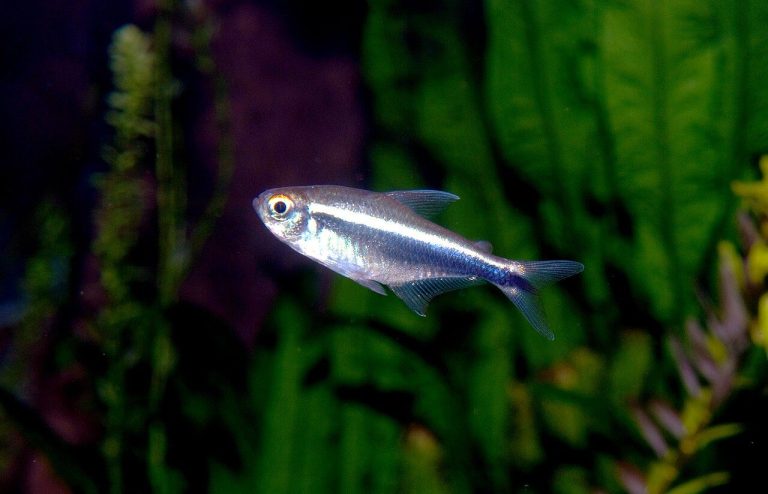
Avoid very small fish like neon tetras, as a large adult angelfish might mistake them for a snack, just as they would in the Amazon.
For more advice on building a community, check out my guide on choosing compatible tank mates.
Common Mistakes When Mimicking Wild Habitats
Even with the best intentions, it is easy to make mistakes when trying to replicate a natural environment.
One major error is over-cleaning the aquarium.
While we want clean water, a “sterile” tank with no organic matter or biofilm is the opposite of where these fish come from.
Excessive Water Flow
As mentioned earlier, high flow is a common mistake.
If you see your angelfish constantly leaning into the current or hiding behind the heater, your flow is likely too high.
Try using a spray bar or a sponge filter to diffuse the movement of the water.
Lack of Hiding Spots
An open tank with no cover is a recipe for a stressed fish.
In the wild, an angelfish in open water is an easy target for birds and larger fish.
Make sure you have enough driftwood and tall plants so that your fish can “disappear” if they feel threatened.
If you are looking for a deep look at general maintenance, my proper care techniques can help you refine your routine.
Quick answers about Angelfish Habitats
Are angelfish found in the ocean?
No, angelfish found in the hobby are strictly freshwater fish.
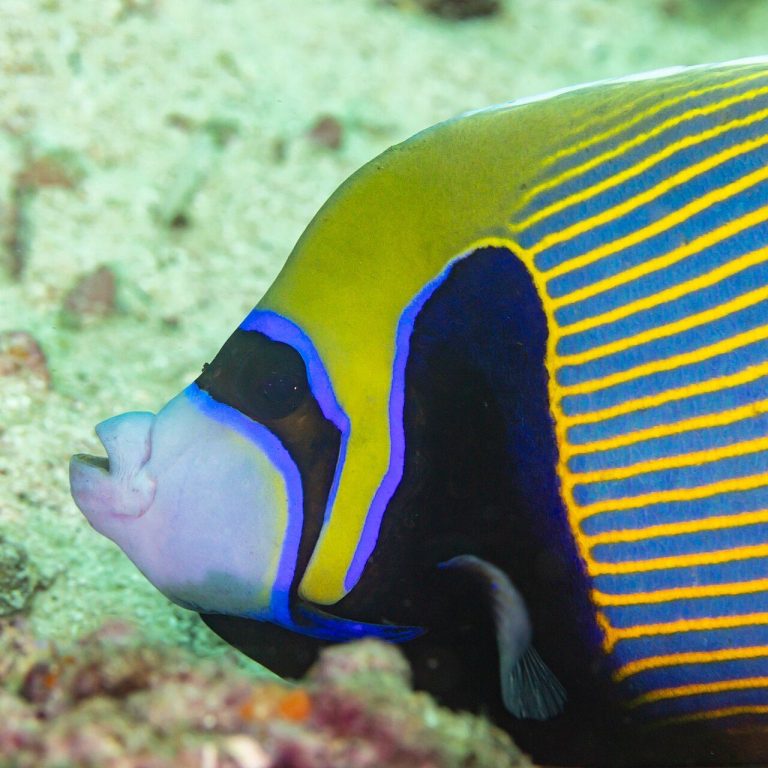
While there are “marine angelfish,” they are a completely different family of fish and cannot survive in freshwater.
To learn more about this distinction, you can read my article on the freshwater nature of these cichlids.
Can angelfish live in hard water?
Most tank-bred angelfish are very hardy and can adapt to moderately hard water.
However, if you are keeping wild-caught specimens, they will require very soft, acidic water to flourish.
For the average hobbyist, stability is more important than achieving a perfect “Amazonian” pH.
Do they need a heater?
Absolutely. Because they originate from the tropical Amazon Basin, they require temperatures between 78°F and 82°F.
Keeping them in unheated tanks will lead to sluggishness and disease.
What is the best plant for an angelfish tank?
The Amazon Sword (Echinodorus bleheri) is the gold standard.
It is native to their wild habitat and provides the perfect structure for their vertical bodies.
Before you go
Understanding where do angelfish live is the key to opening up the full potential of these incredible fish.
By looking at the slow-moving, tannin-rich waters of the Amazon River Basin, we gain a blueprint for a successful aquarium.
Focus on providing tall tanks, soft water, plenty of vertical cover, and warm temperatures.
When you respect the wild origins of Pterophyllum scalare, you aren’t just keeping a fish; you are maintaining a piece of the Amazon in your own home.
With a little patience and the right setup, your angelfish will reward you with years of graceful beauty and remarkable behavior.
- 2003First tank
- 20+Years keeping
- 40+Tanks kept
- 0Sponsored picks
Howard set up his first 10-gallon planted tank in 2003 and lost half of it within six weeks. Two decades and more than forty aquariums later, he writes the guides he wished he had then: clear numbers, the reasons behind them, and what actually goes wrong in home tanks.