How Many Species Of Angelfish Are There – A Complete Guide
There are 3 recognized species of freshwater angelfish (Pterophyllum) and approximately 86 species of marine angelfish (Pomacanthidae). While freshwater keepers focus on South American varieties, saltwater enthusiasts choose from diverse genera like Centropyge and Holacanthus.
One of the most frequent questions I get from new hobbyists is, “how many species of angelfish are there?” It sounds like a simple question, but the answer depends entirely on whether you are looking at a freshwater river or a saltwater coral reef.
In my 10 years of maintaining various setups, I have found that understanding these distinctions is the first step toward success. Many people walk into a local fish store and see the “common” angelfish, not realizing there are actually two entirely different biological families sharing the same name.
This guide will break down the three primary freshwater species and the dozens of marine species that grace our oceans. Whether you are interested in the majestic Pterophyllum altum or the colorful Pomacanthus, you will find the answers here.
At a glance: Freshwater angelfish (Pterophyllum scalare)
- Temperature
- 76–84°F (24–29°C)
- Water pH
- 6.0–7.5
- Adult size
- 6 in long, 8 in tall (15 × 20 cm)
- Minimum tank
- 30 gal for a pair, 55 gal tall for a group
- Group size
- Pair or group of 5+
- Temperament
- Semi-aggressive, territorial when breeding
- Diet
- Omnivore: pellets, flakes, frozen bloodworm and brine shrimp
- Lifespan
- 10–12 years
Keeper’s tip: Choose a tall tank; height matters more than length for a fish that grows taller than it is long.
how many species of angelfish are there in freshwater?
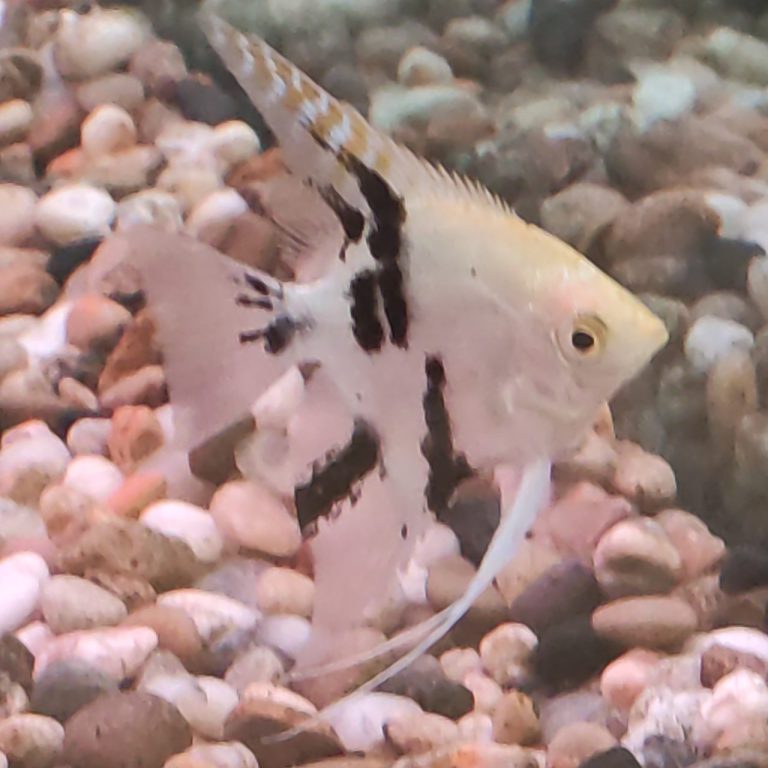
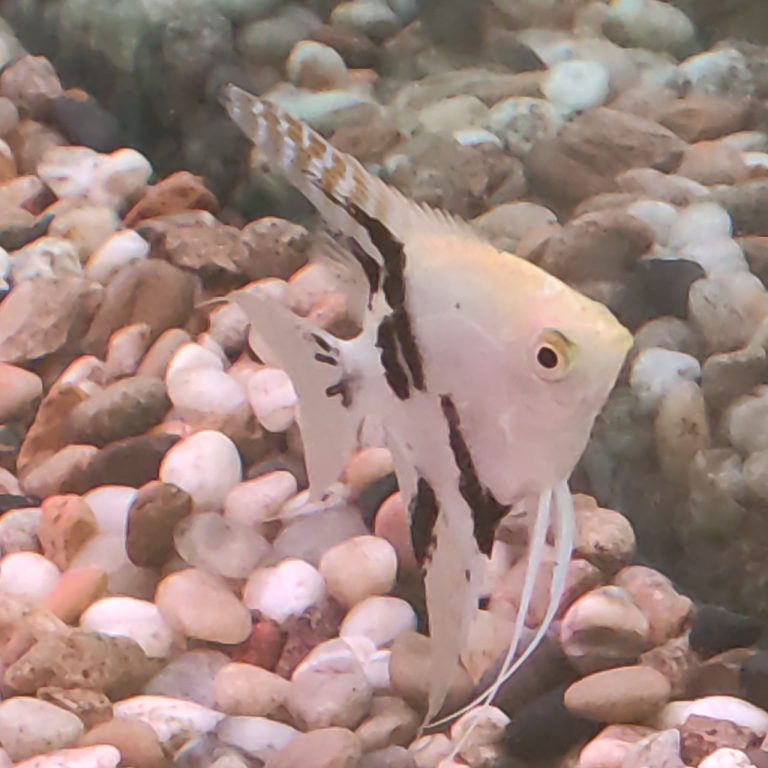
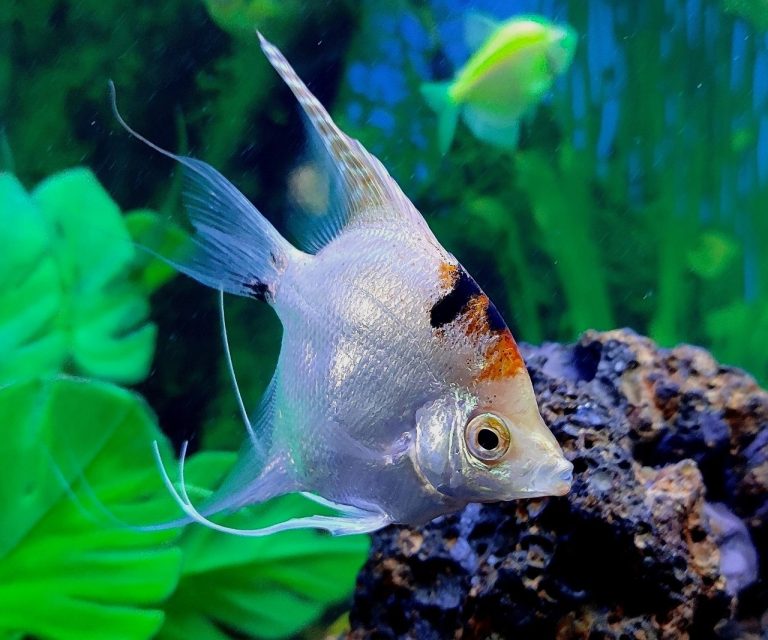
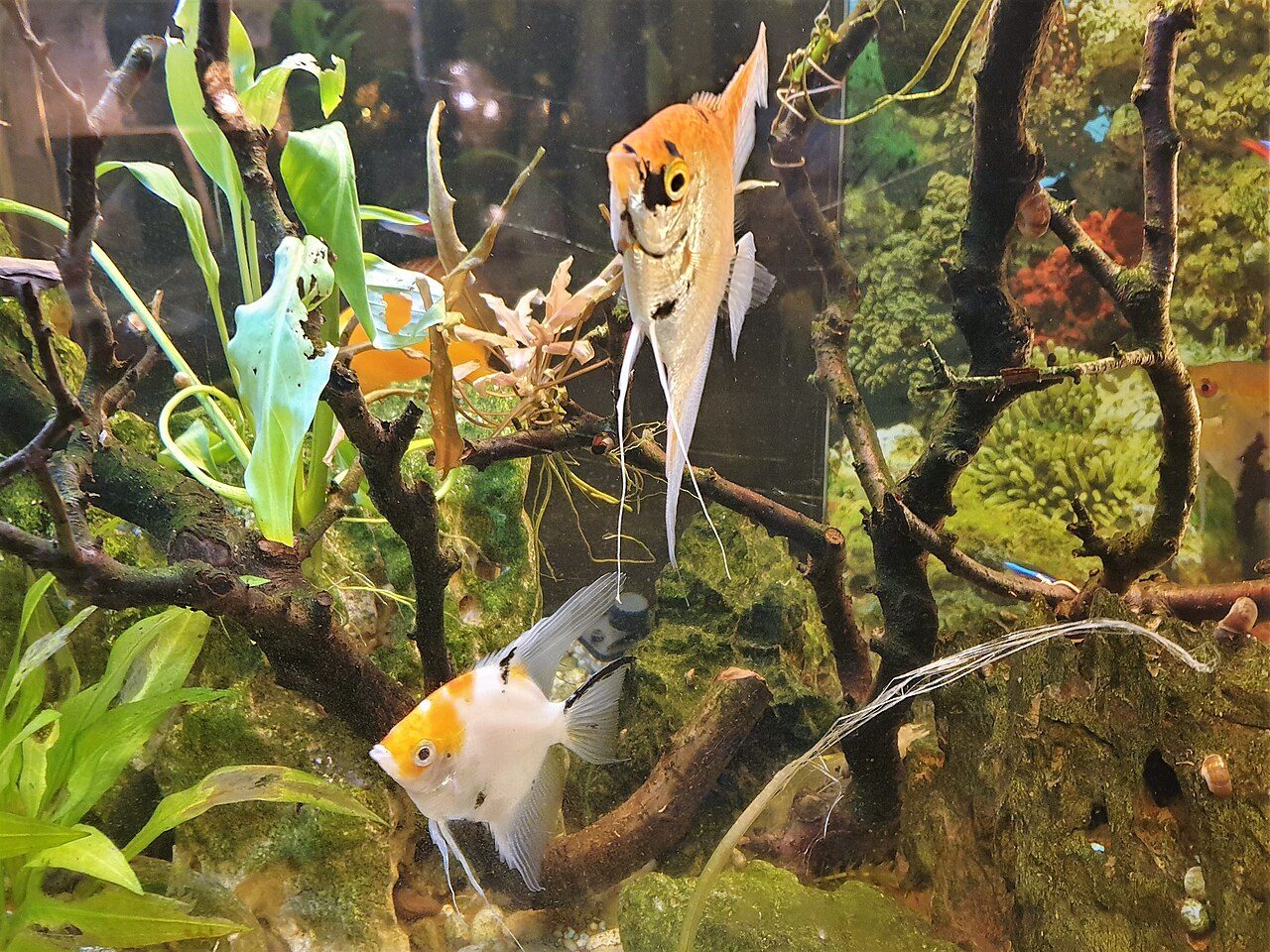
In the freshwater world, all angelfish belong to the genus Pterophyllum. While you may see dozens of names like “Koi,” “Marble,” or “Gold,” these are actually man-made color strains, not distinct species.
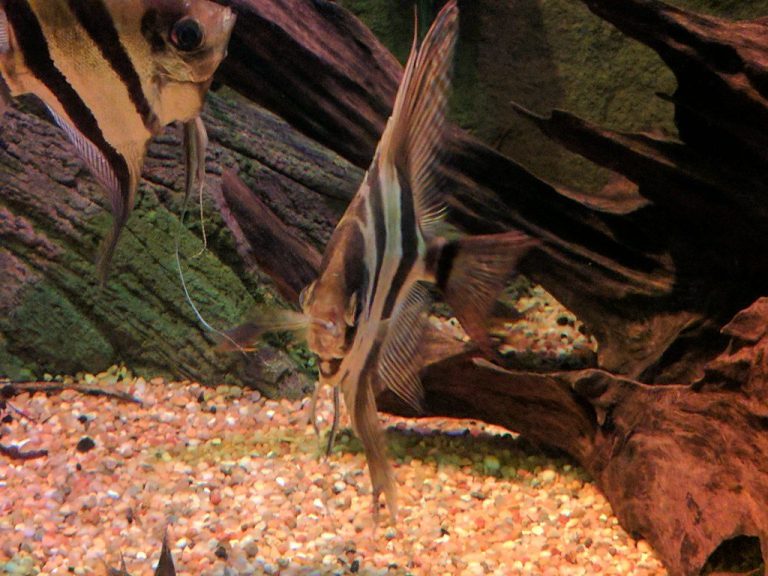
Biologically speaking, there are only three recognized species of freshwater angelfish. These fish are native to the Amazon River Basin and are characterized by their extreme lateral compression, which allows them to glide through thick aquatic vegetation.
Understanding the difference between these three is vital because their care requirements, especially tank height, can vary significantly. Let’s look at the “Big Three” of the freshwater world.
Pterophyllum scalare (The Common Angelfish)
Pterophyllum scalare is the species you will find in almost every pet store. They are incredibly hardy and have been bred in captivity for generations, making them perfect for intermediate keepers.
In my experience, these fish are the most adaptable to different water parameters. They settle in in planted tanks and can live for over a decade if given proper care requirements.
Pterophyllum altum (The Altum Angel)
The Altum is the undisputed king of the genus. These are much larger than the common variety and possess a distinct “notch” on their snout.
They are notoriously difficult to keep because they require very soft, acidic water and a very tall aquarium. I have seen Altums reach nearly 15 inches in height, so a standard 29-gallon tank simply won’t cut it.
Pterophyllum leopoldi (The Teardrop Angel)
Pterophyllum leopoldi is the smallest and most aggressive of the three. It is often called the “Teardrop” or “Dwarf” angelfish because of a dark spot on its dorsal fin.
Unlike the other two, this species is less common in the hobby. If you find them, they make a interesting addition to a specialized South American biotope.
Pro Tip: When shopping for freshwater angels, don’t be fooled by fancy names. A “Black Lace” and a “Platinum” are the same species (Pterophyllum scalare). If you want a true challenge, look for wild-caught Altums, but help your tank is at least 24 inches tall to accommodate their vertical span.
The Massive Diversity of Marine Angelfish
When we shift our focus to the ocean, the answer to how many species of angelfish are there becomes much larger. Marine angelfish belong to the family Pomacanthidae.
There are approximately 86 species of marine angelfish currently recognized by science. These are divided into several genera, each with unique sizes, colors, and dietary needs.
Unlike their freshwater cousins, marine angelfish are known for their dramatic color changes. A juvenile marine angelfish often looks completely different from its adult version, which can make identification a challenge for beginners.
The Centropyge Genus (Dwarf Angelfish)
The Centropyge genus contains the “Dwarf” marine angels. These are the most popular for home aquariums because they stay relatively small, usually under 4 to 5 inches.
Species like the Flame Angelfish or the Coral Beauty are staples in the reef-keeping world. However, I’ve noticed that even these “dwarfs” can be territorial and may occasionally nip at corals.
The Pomacanthus Genus (Large Angelfish)
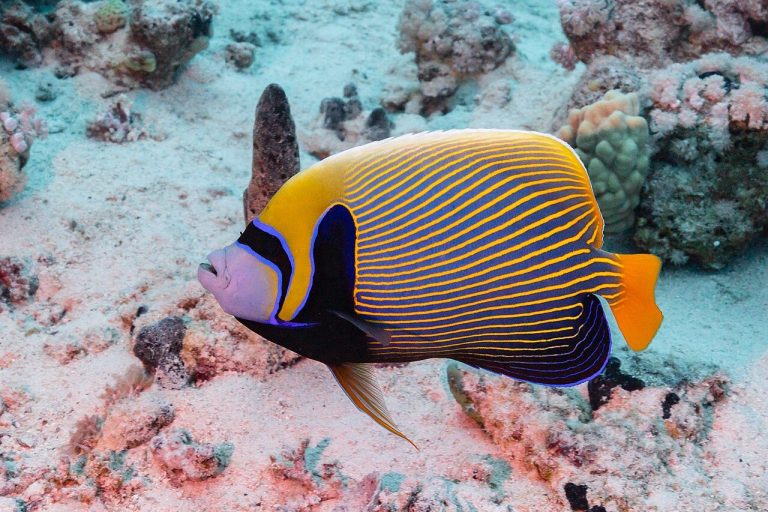
If you have a massive tank, the Pomacanthus genus offers some of the most beautiful fish in the sea. The Emperor Angelfish and the Blueface Angelfish belong to this group.
These fish require huge amounts of swimming space and a specialized diet. In the wild, they often eat sponges and tunicates, which can be hard to replicate in a home setting without high-quality prepared foods.
The Holacanthus Genus
The Holacanthus genus includes the famous Queen Angelfish. These are known for their bold personalities and striking crowns.
They are among the most aggressive marine species. When I first kept a Queen Angel, I quickly learned that they need to be the “boss” of the tank to do well.
Comparing Freshwater vs. Marine Angelfish Species
To help you visualize the differences, I have compiled a table comparing the primary groups. This highlights why it is so important to know exactly which species you are bringing home.
| Category | Scientific Name | Habitat | Max Size (Avg) |
|---|---|---|---|
| Common Freshwater | Pterophyllum scalare | Amazon River Basin | 6 inches long |
| Altum Freshwater | Pterophyllum altum | Orinoco River | 12+ inches high |
| Dwarf Marine | Centropyge species | Tropical Reefs | 4 inches |
| Large Marine | Pomacanthus species | Indo-Pacific/Atlantic | 15-20 inches |
Anatomy and Unique Traits
Whether freshwater or saltwater, all angelfish share certain physical characteristics that define their beauty. Their lateral compression is the most obvious trait.
This body shape is a biological showpiece. It allows them to hide in narrow cracks or between plant stems where predators cannot reach them.
In marine species, the presence of a preopercular spine is a key identifier. This is a sharp spine located on the lower part of the gill cover, which distinguishes them from butterflyfish.
Freshwater angels lack this spine but make up for it with long, flowing pelvic fins. These fins act as sensory organs, helping them handle murky river waters.
Health Challenges in Angelfish Species
Making sure these fish isn’t always easy. Because of their unique anatomy and environmental needs, they are susceptible to specific health issues.
One of the most common problems in freshwater species is Hexamita, also known as Hole-in-the-Head disease. This is often caused by poor water quality or nutritional deficiencies.
In marine species, “Ich” (Cryptocaryon irritans) is a constant threat. Because many marine angels are wild-caught, they can carry parasites into your display tank if not properly quarantined.
I always recommend a 30-day quarantine period for any new angelfish. This allows you to observe their eating habits and treat any underlying issues before they spread to your main community.
Common Mistake: Many beginners assume that because a fish is sold as an “Angelfish,” it can live in any water. Always verify if your fish has freshwater or saltwater origins before setting up its environment. Mixing the two is impossible and fatal.
Breeding Different Species
Breeding freshwater angelfish is a rewarding experience that many hobbyists achieve. Pterophyllum scalare are excellent parents and will guard their eggs fiercely.
They usually lay eggs on a flat vertical surface, such as a large leaf or a piece of slate. Watching a pair fan their eggs to keep them oxygenated is one of the highlights of the hobby.
On the other hand, breeding marine angelfish is significantly more difficult. Most are pelagic spawners, meaning they release eggs and sperm into the open water column.
Raising the microscopic larvae requires specialized live cultures and precise timing. While a few Centropyge species have been captive-bred, most marine angels in the trade are still collected from the wild.
How to Choose the Right Species for Your Tank
Now that you know how many species of angelfish are there, how do you choose? It comes down to your experience level and tank size.
If you are a beginner, I highly suggest starting with Pterophyllum scalare. There are many unique color strains available that provide the beauty of a reef fish with the relative ease of freshwater maintenance.
For those with large saltwater setups, a Coral Beauty (Centropyge bispinosa) is a great entry point into Pomacanthidae. They are hardy, colorful, and generally more peaceful than their larger relatives.
Always research the specific adult size of the species you want. A cute 2-inch juvenile Emperor Angelfish will eventually need a tank of at least 180 gallons.
Questions I get asked a lot
Are there any other freshwater angelfish besides the three mentioned?
While scientists currently recognize only three species, there is ongoing debate. Some experts believe that certain regional variants of P. scalare may eventually be classified as separate species.
Can I keep freshwater and saltwater angelfish together?
No. They come from completely different environments. Freshwater angels live in low-salinity rivers, while marine angels require a specific gravity of around 1.025 in a saltwater reef.
Why are marine angelfish so much more expensive?
Most marine angelfish are wild-caught from deep reefs, which involves significant shipping and collection costs. Additionally, they are harder to maintain during the transition to aquarium life.
Which angelfish is the easiest to keep?
The common freshwater angelfish (Pterophyllum scalare) is by far the easiest. They are very forgiving of minor mistakes and readily eat most commercial fish foods.
What do angelfish eat in the wild?
Freshwater species are omnivores that eat small crustaceans, insects, and larvae. Marine species vary, with some eating algae, some eating sponges, and others eating zooplankton.
Final thoughts
So, how many species of angelfish are there? To summarize, the hobby is split between 3 freshwater species and nearly 90 marine species.
Whether you choose the elegant Pterophyllum from the Amazon or the brilliant Pomacanthus from a tropical reef, you are bringing a piece of natural art into your home. These fish offer personality, beauty, and a rewarding challenge for any aquarist.
Remember that success starts with education. Once you understand the specific needs of the species you choose, you help a long and healthy life for these majestic “kings” of the aquarium.
Always prioritize water quality, provide the right diet, and choose a tank size that allows your fish to reach its full potential.

- 2003First tank
- 20+Years keeping
- 40+Tanks kept
- 0Sponsored picks
Howard set up his first 10-gallon planted tank in 2003 and lost half of it within six weeks. Two decades and more than forty aquariums later, he writes the guides he wished he had then: clear numbers, the reasons behind them, and what actually goes wrong in home tanks.