Are Angelfish Schooling Fish? The Expert Truth About Their Social
Angelfish are shoaling fish rather than true schooling fish. While juveniles prefer staying in large groups for safety, adults typically form pairs and establish a complex hierarchical dominance, often becoming territorial within the aquarium.
Understanding the social dynamics of your aquarium inhabitants is the first step toward a well-kept underwater ecosystem. Many beginners see a group of young fish at the local pet store and wonder, are angelfish schooling fish?
In my 10+ years of maintaining South American biotope tanks, I have seen firsthand how these majestic creatures transition from gregarious youngsters to sophisticated, sometimes grumpy, adults. The answer is more nuanced than a simple yes or no.
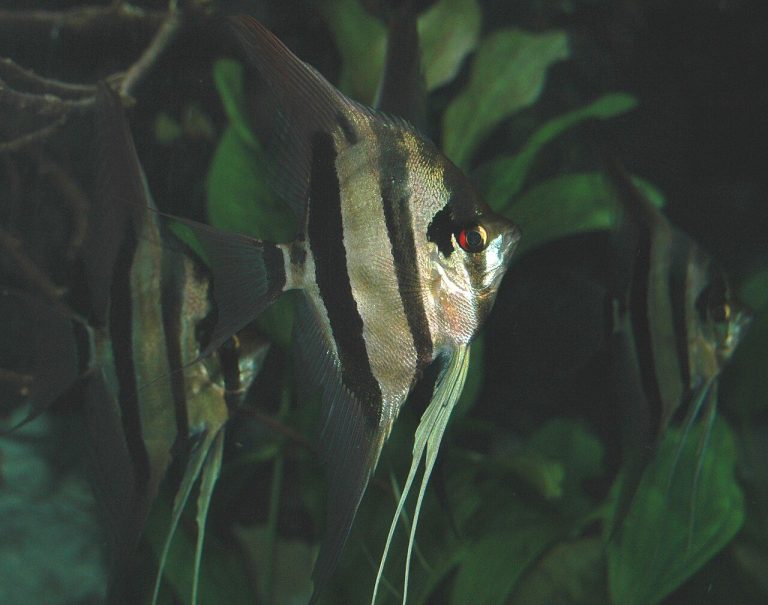
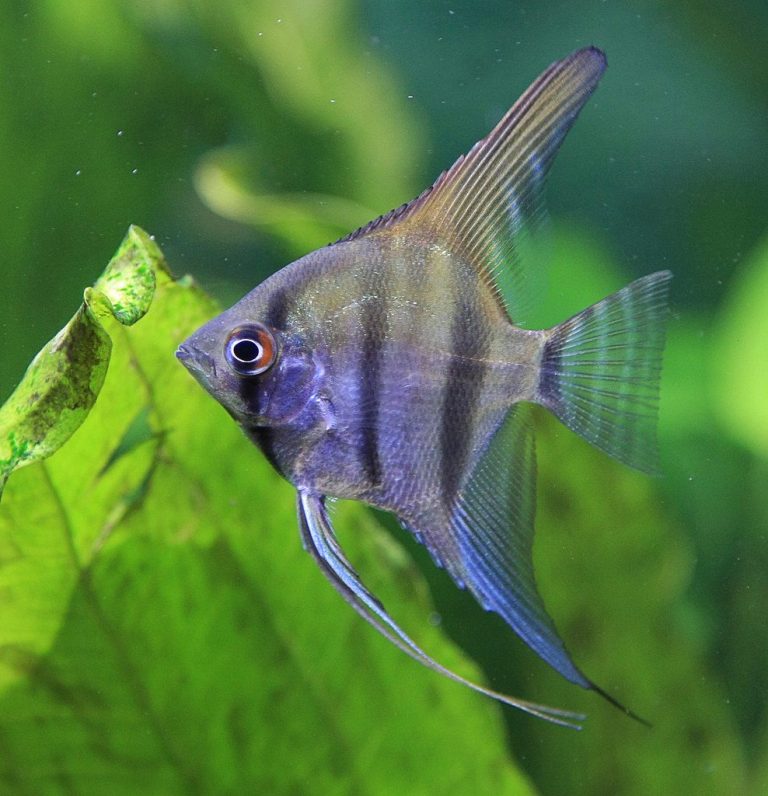
Angelfish, scientifically known as Pterophyllum scalare, belong to the Cichlidae family. Unlike the tight, synchronized swimming seen in neon tetras, angelfish exhibit shoaling behavior. This means they enjoy the company of their own kind but do not move in a unified, single direction as a defensive unit.
At a glance: Freshwater angelfish (Pterophyllum scalare)
- Temperature
- 76–84°F (24–29°C)
- Water pH
- 6.0–7.5
- Adult size
- 6 in long, 8 in tall (15 × 20 cm)
- Minimum tank
- 30 gal for a pair, 55 gal tall for a group
- Group size
- Pair or group of 5+
- Temperament
- Semi-aggressive, territorial when breeding
- Diet
- Omnivore: pellets, flakes, frozen bloodworm and brine shrimp
- Lifespan
- 10–12 years
Keeper’s tip: Choose a tall tank; height matters more than length for a fish that grows taller than it is long.
The Biological Distinction: Schooling vs. Shoaling
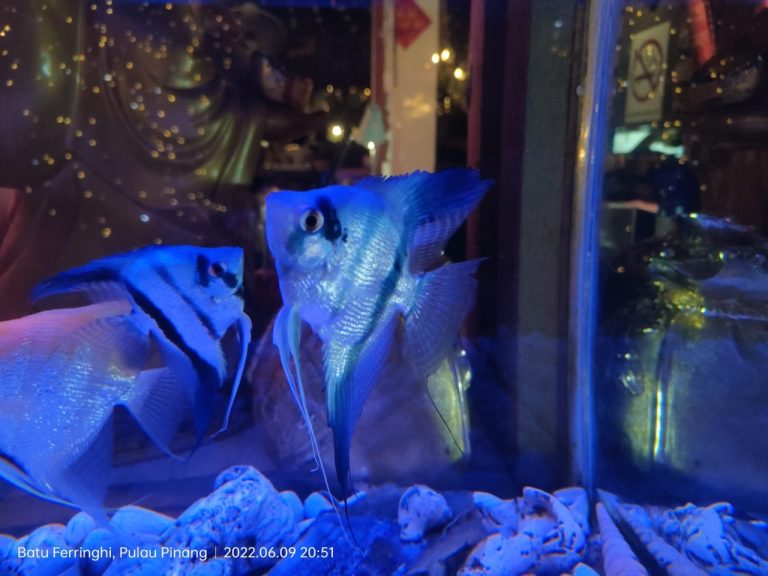
To answer the question, are angelfish schooling fish, we must look at how they behave in the wild. In the Amazon Basin, young angelfish stay close together to minimize the risk of predation.
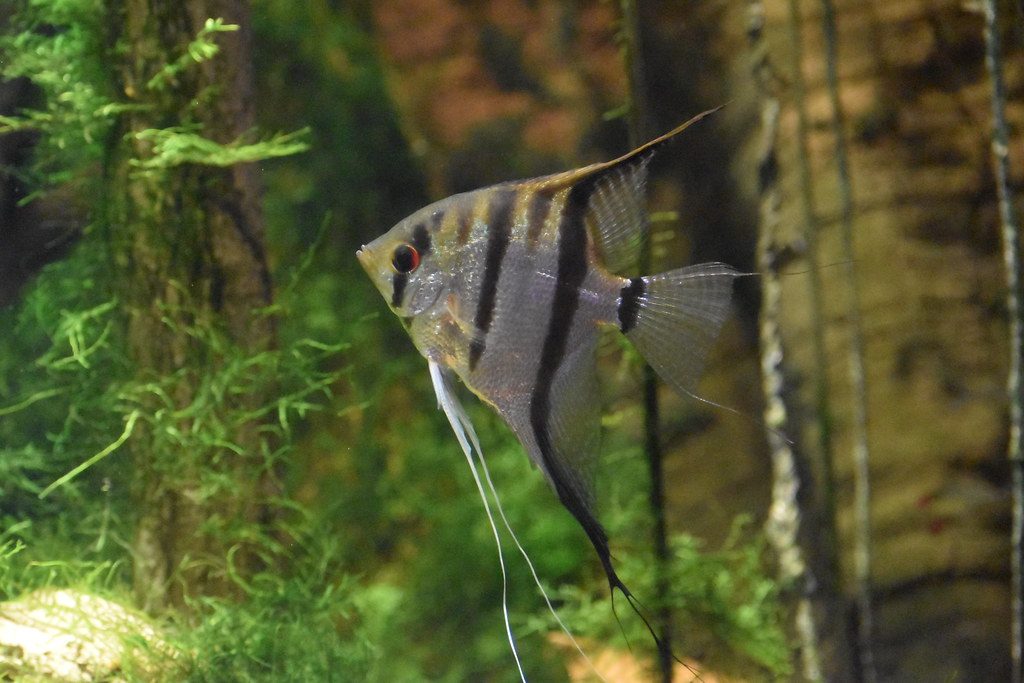
This behavior is a survival tactic. A large group of silver-bodied fish with vertical stripes creates a “confusion effect” for predators, making it difficult to target a single individual.
However, as they mature, their focus shifts from group survival to reproduction and territory. They are not like the true schooling species that spend their entire lives in a polarized formation.
Why the Distinction Matters
Knowing that angelfish are shoalers rather than schoolers changes how you should set up your tank. In a true school, fish are relatively peaceful with one another.
In a shoal of angelfish, there is a constant struggle for hierarchical dominance. This “pecking order” is a natural part of their social structure, but it can lead to stress if the aquarium is too small.
Pro Tip: When buying juvenile angelfish, I always recommend starting with a group of at least five or six. This allows the conspecific aggression to be spread out among several fish rather than one individual being constantly bullied.
As angelfish grow, they develop a very clear social ladder. The “Alpha” fish will usually claim the best feeding spot and the most secure area of the tank.
If you only keep two angelfish that are not a mated pair, the dominant one may relentlessly harass the weaker one. This is why the question “are angelfish schooling fish” is so vital for stocking decisions.
In a larger group, the conspecific aggression is diluted. The Alpha has too many targets to focus on just one, which allows the “Omega” fish a chance to hide and recover.
The Role of Mated Pairs
Once a male and female angelfish bond, they will often break away from the shoal. At this point, they become highly territorial, especially when preparing for substrate spawning.
During this time, the “schooling” behavior completely disappears. The pair will defend a vertical surface, like a broad leaf or a piece of slate, against any intruders.
| Life Stage | Social Behavior | Aggression Level |
|---|---|---|
| Juvenile (Nickel size) | Loose Shoaling | Very Low |
| Sub-Adult | Establishing Hierarchy | Moderate |
| Adult (Single) | Solitary or Shoaling | Moderate to High |
| Mated Pair | Territorial Pair Bond | High (Defensive) |
Are Angelfish Schooling Fish in Small Tanks?
One of the biggest mistakes I see is hobbyists trying to keep a “school” of angelfish in a 20-gallon tank. Because they aren’t true schoolers, they need personal space.
In a cramped environment, the conspecific aggression becomes lethal. Angelfish can grow quite large, with some Pterophyllum scalare reaching 6 inches in length and even taller in fin span.
The Pterophyllum altum, a cousin to the common angelfish, grows even larger and requires even more vertical space. If you want to see natural shoaling behavior, you need a tank that accommodates their size.
Recommended Tank Sizes for Groups
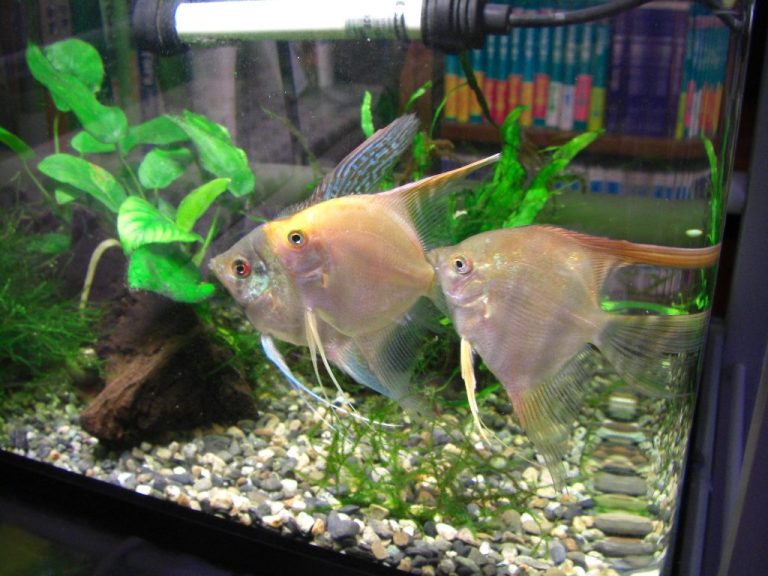
If you want to keep a group of six angelfish, I recommend a minimum of a 55-gallon tank, though a 75-gallon is much better. The extra length and depth allow for “territory lines” to be drawn.
Tall tanks are preferred because of the angelfish’s body shape. This height helps them with osmoregulation and general comfort, as they are vertically oriented fish.
I have found that using driftwood and tall plants like Amazon Swords helps break the line of sight. This is essential for managing the social structure of a shoal.
Compatibility and the Community Tank
When considering “are angelfish schooling fish,” you must also think about how they interact with other species. In a community aquarium setting, they are the undisputed kings.
However, they are naturally piscivorous. In the wild, they hunt small fish and invertebrates.
If you pair your “school” of angelfish with tiny fish like neon tetras, you might find your tetras disappearing overnight. As the angelfish grow, anything that fits in their mouth becomes potential food.
Best Tank Mates for a Shoal of Angelfish
To create a peaceful environment, choose tank mates that are too large to be eaten but not so aggressive that they nip the angelfish’s long fins.
Medium-sized tetras, such as Rummy Nose or Bleeding Heart tetras, usually work well. They provide that “schooling” look that angelfish lack, creating a beautiful contrast in the tank.
Corydoras and larger Rasboras are also excellent choices. They occupy different levels of the water column and rarely trigger the angelfish’s territorial instincts.
Common Mistake: Many keepers assume that because angelfish are sold in groups, they must stay in groups. If a pair forms and starts attacking the others, you must have a backup plan or a second tank to move the non-paired fish.
Keeping a group of angelfish requires diligent water management. Because they are large-bodied fish with high metabolisms, they produce a significant amount of waste.
In a shoaling environment, stress from social hierarchy can weaken the immune system. Maintaining pristine water quality is the best way to prevent diseases like Ich or Hexamita.
They settle in in soft, slightly acidic water that mimics the blackwater environments of South America. Consistent temperatures are also key to keeping their activity levels stable.
| Parameter | Ideal Range |
|---|---|
| Temperature | 76°F – 84°F (24°C – 29°C) |
| pH Level | 6.0 – 7.4 |
| Water Hardness | 3 – 8 dKH |
| Ammonia / Nitrite | 0 ppm |
| Nitrate | < 20 ppm |
Managing Aggression in Your Angelfish Shoal
If you decide to keep a group, you need to be an active observer. Are angelfish schooling fish that will always get along? Unfortunately, no.
I always watch for the “shivering” or “lip-locking” behaviors. These are signs that the hierarchy is being challenged.
Lip-locking is a test of strength. While it looks scary, it is often just a way for two fish to see who is stronger without causing permanent damage. However, if scales are being knocked off or fins are shredded, intervention is necessary.
Using Decor to Manage Behavior
The way you scape your tank can drastically reduce fighting. I use large pieces of Malaysian driftwood and tall Valisneria to create “rooms” in the aquarium.
When a fish is being bullied, it needs a place to go where the dominant fish cannot see it. Breaking the line of sight is the most effective way to stop a chase.
I have also found that feeding in two different locations at the same time helps. This prevents the Alpha from guarding all the food, making sure the lower-ranking fish stay healthy and strong.
The Breeding Factor: When Shoaling Ends
One of the most unusual aspects of angelfish care is substrate spawning. If you have a group, eventually, two fish will likely pair off.
You will notice them cleaning a specific area—usually a flat leaf or the filter intake. They will start chasing away all other members of the “school.”
At this stage, the social dynamic changes completely. The pair will become a team, and the other fish will be forced into the corners of the tank. If the tank is too small, the pair may kill the other inhabitants to protect their eggs.
For more details on managing these majestic fish throughout their lives, check out our comprehensive care guide.
Things people often ask
Can I keep just one angelfish?
Yes, you can keep a single angelfish. While they are social, a single angelfish often becomes very attached to its owner and can live a long, healthy life without others of its kind, especially in a community tank.
Why is my angelfish attacking the others?
This is likely due to hierarchical dominance or the formation of a breeding pair. They are cichlids, which are naturally territorial. Ensure your tank is large enough and has plenty of hiding spots.
Do angelfish need to be in groups to be happy?
They don’t “need” a group in the same way a tetra does, but they are more active and exhibit more natural behaviors when kept in a shoal of 5 or more, provided the tank is large enough.
What is the minimum tank size for a group of 6?
I strongly recommend at least a 55-gallon tank for a group of six juveniles, but a 75-gallon or 90-gallon is much better as they reach adult size to accommodate their vertical height and social needs.
Are angelfish aggressive toward other species?
Generally, they are peaceful toward fish they cannot eat. However, they can be “bossy” during feeding time and very aggressive if they are guarding a nest of eggs.
The short version
So, are angelfish schooling fish? We have learned that they are actually complex shoalers that flourish on a delicate social balance. While they enjoy the safety of a group as juveniles, their adult lives are defined by territory, pairs, and a strict pecking order.
Keeping a group of angelfish is one of the most satisfying experiences in the hobby. Watching their interactions, from the subtle fin displays to the dedicated care of their eggs, provides a window into the rich biological world of the Amazon.
As long as you provide enough space, break up lines of sight, and monitor their conspecific aggression, a shoal of angelfish will be the eye-catching centerpiece of your successful aquarium. Always remember to prioritize tank height and water quality to keep these “Kings of the Aquarium” healthy for years to come.

- 2003First tank
- 20+Years keeping
- 40+Tanks kept
- 0Sponsored picks
Howard set up his first 10-gallon planted tank in 2003 and lost half of it within six weeks. Two decades and more than forty aquariums later, he writes the guides he wished he had then: clear numbers, the reasons behind them, and what actually goes wrong in home tanks.