What Does An Angelfish Look Like – The Ultimate Visual Guide
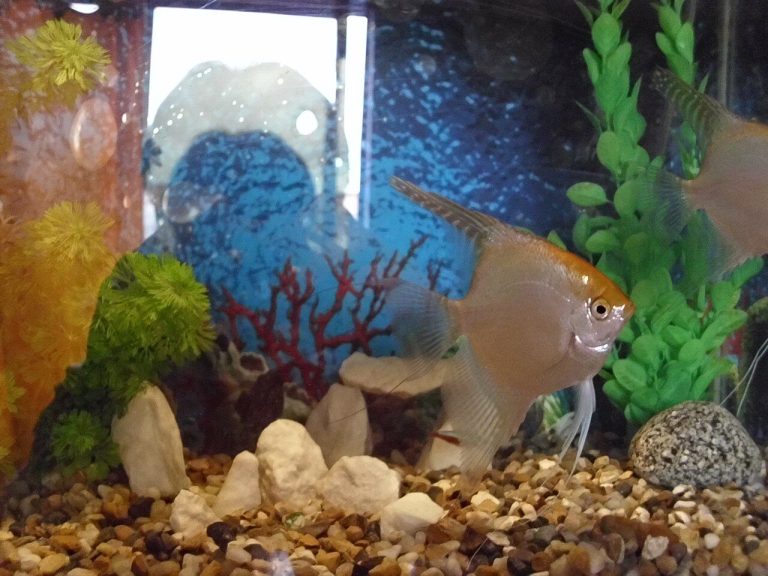
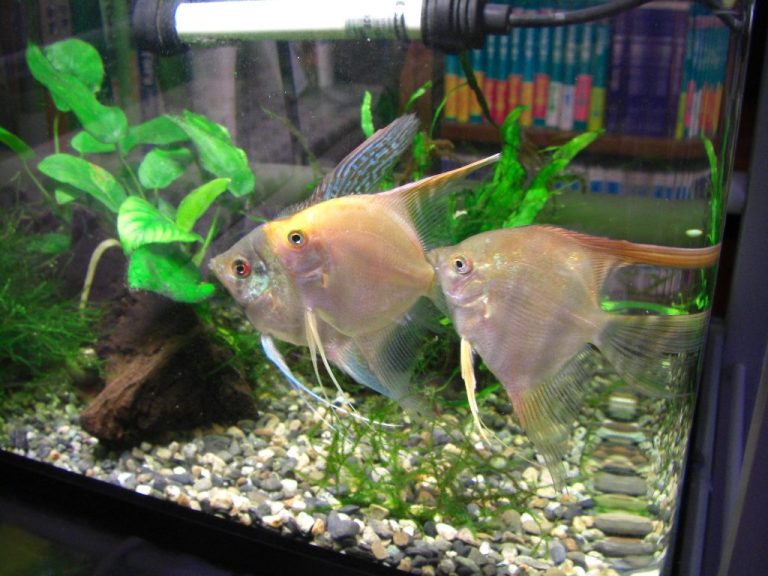
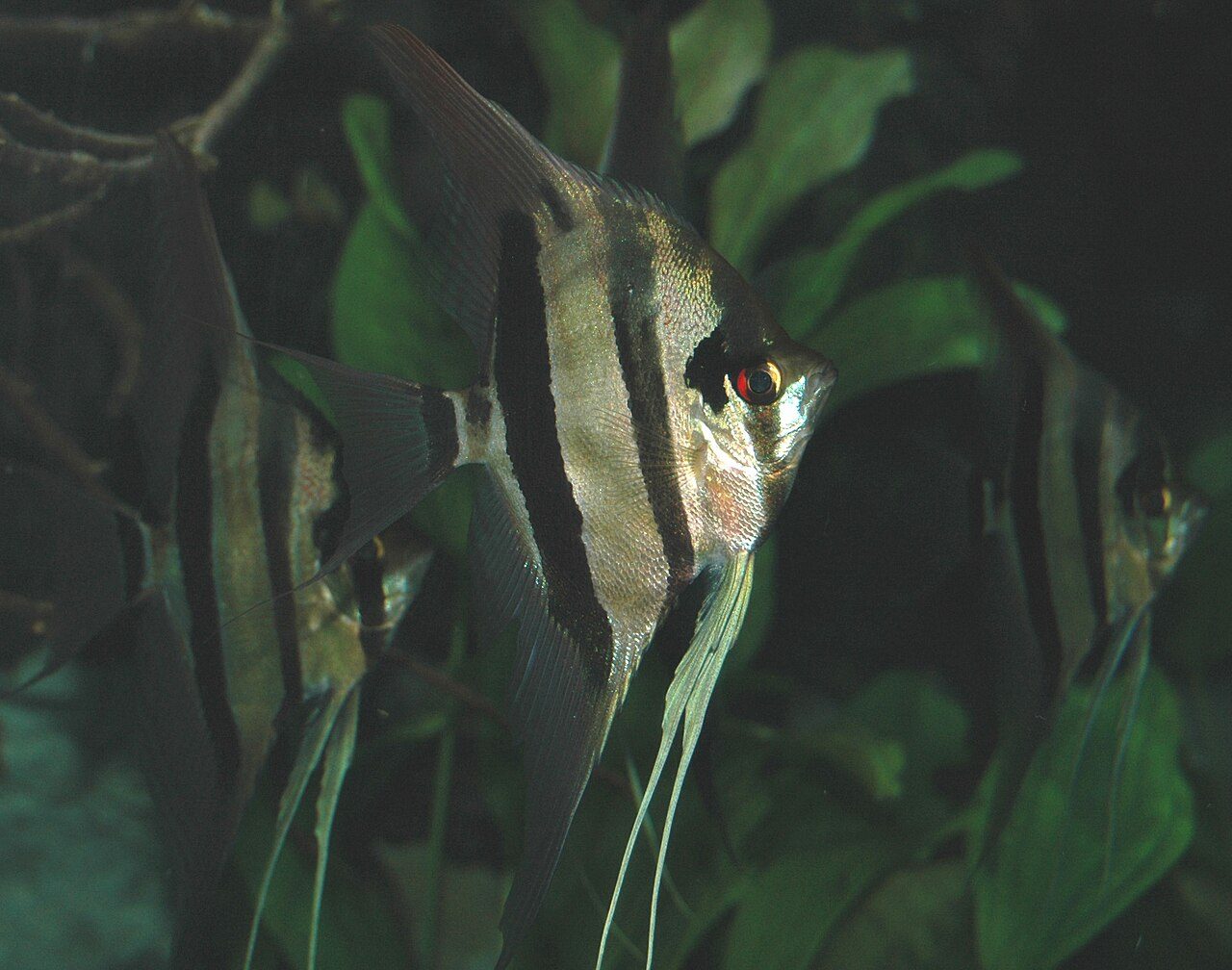
An angelfish is a laterally compressed, disk-shaped cichlid characterized by its tall, triangular profile and long, trailing dorsal and anal fins. They typically feature vertical black bars and come in various colors like silver, gold, and black.
When you first step into a local fish store, your eyes are almost certainly drawn to the majestic, gliding silhouettes of the angelfish. These iconic members of the Cichlidae family have been the centerpiece of the hobby for decades.
In my experience, understanding what does an angelfish look like involves more than just recognizing a shape; it is about noticing the subtle details of their fins, scales, and even their expressive eyes.
This guide will break down every visual aspect of these “Kings of the Aquarium,” from their wild origins in the Amazon River basin to the striking designer morphs found in home tanks today.
At a glance: Freshwater angelfish (Pterophyllum scalare)
- Temperature
- 76–84°F (24–29°C)
- Water pH
- 6.0–7.5
- Adult size
- 6 in long, 8 in tall (15 × 20 cm)
- Minimum tank
- 30 gal for a pair, 55 gal tall for a group
- Group size
- Pair or group of 5+
- Temperament
- Semi-aggressive, territorial when breeding
- Diet
- Omnivore: pellets, flakes, frozen bloodworm and brine shrimp
- Lifespan
- 10–12 years
Keeper’s tip: Choose a tall tank; height matters more than length for a fish that grows taller than it is long.
The Iconic Silhouette: Understanding Lateral Compression
The most striking feature of any angelfish is its unique body shape. Unlike the torpedo-like shape of many tropical fish, angelfish possess extreme lateral compression.
This means their bodies are very thin when viewed from the front but broad and disk-like when viewed from the side. This specialized shape allows them to glide effortlessly through thick vegetation and submerged roots in the wild.
When someone asks what does an angelfish look like, the immediate answer is usually “a silver dollar with wings.” Their dorsal and anal fins extend vertically, creating a distinct triangular or diamond-shaped profile that is unmistakable.
Pro Tip: When choosing a young angelfish, look for a “thick” body when viewed from the front. While they are naturally thin, a fish that looks “hollow” or concave behind the head may be malnourished or suffering from internal parasites.
Comparing the Three Main Species
While most hobbyists keep the common Pterophyllum scalare, there are actually three distinct species recognized by science. Each has a slightly different visual profile that can be identified by a keen eye.
In my years of keeping these fish, I’ve noticed that beginners often confuse them, but the differences in snout shape and fin height are quite telling. Below is a comparison table to help you distinguish between them.
| Feature | Pterophyllum scalare | Pterophyllum altum | Pterophyllum leopoldi |
|---|---|---|---|
| Common Name | Common Angelfish | Altum Angelfish | Leopold’s Angelfish |
| Body Shape | Standard Diamond | Very Tall / Deep Notch | Longer / Sturdy |
| Snout Profile | Straight to slightly curved | Sharp “Notch” above eye | Pointed and upturned |
| Max Height | 6-8 inches | Up to 12-15 inches | 5-6 inches |
Pterophyllum scalare
This is the species you will find in 99% of pet stores. They come in dozens of colors and fin lengths, making them the most versatile for home aquariums.
Pterophyllum altum
The “King” of all angelfish, the Altum is massive. They have a very distinct “notch” or indentation above their snout and do well in soft acidic water.
Pterophyllum leopoldi
Often called the “Teardrop” angelfish, these are smaller and more aggressive. They have a horizontal body shape compared to the vertical orientation of the other two.
Color Patterns and Modern Varieties
If you are wondering what does an angelfish look like in a modern home aquarium, the answer is “whatever color you can imagine.” Through selective breeding, the hobby has moved far beyond the original silver wild type.
Wild-type angelfish have a shimmering silver body with four primary vertical black bars. These bars can fade or darken based on the fish’s mood, stress levels, or time of day.
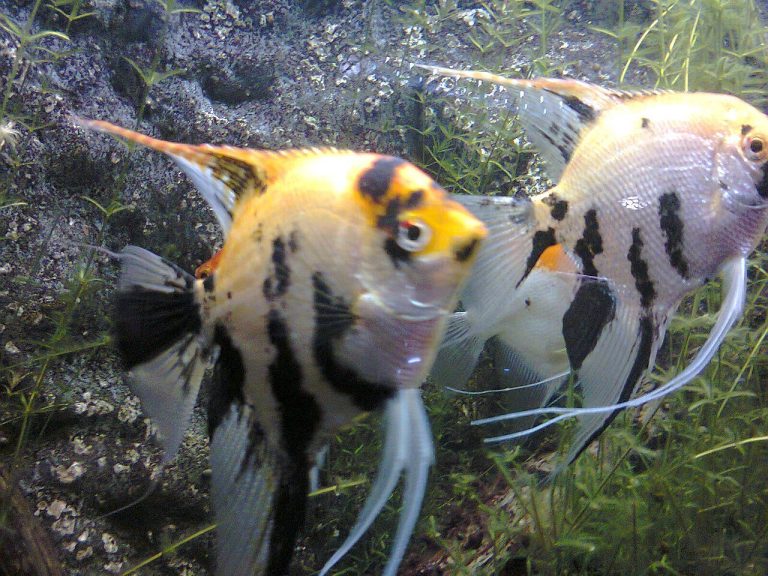
Today, we have unique color patterns like the Koi Angelfish, which features orange, black, and white patches. There are also “Marble” varieties with chaotic black and white swirls and “Platinum” versions that look like solid pieces of iridescent white gold.
The Influence of Genetics on Fins
Beyond color, fin structure has also been altered. “Veil” angelfish have fins that are twice as long as standard varieties, trailing behind them like silk ribbons.
While beautiful, these long fins can sometimes be a target for fin-nipping tank mates. I have always found that standard-fin varieties are more agile and better suited for community tanks with active fish.
Visual Indicators of Health and Disease
Knowing what does an angelfish look like when it is healthy is the most important skill for any keeper. A healthy fish will have clear eyes, intact fins, and a colorful appetite.
Unfortunately, angelfish are susceptible to certain ailments that change their appearance. One common issue is Hexamita, often referred to as “hole-in-the-head” disease.
This condition manifests as small, pitted erosions on the head and sensory pores of the fish. If you notice white, stringy pits appearing near the eyes or forehead, immediate action is required.
Spotting Common Parasites
Another visual red flag is Ichthyophthirius multifiliis, or “Ich.” This looks like the fish has been sprinkled with grains of salt.
Because of their large surface area on the fins, Ich is often easiest to spot on the dorsal and anal fins first. Always keep a close eye on the clarity of their fins; they should be translucent or patterned, never cloudy or ragged.
Common Mistake: Many keepers assume “clamped fins” (fins held tight against the body) are just a phase. In reality, this is the first visual sign of stress or poor water quality.
What Does an Angelfish Look Like During Spawning?
The appearance of these fish changes significantly when they are ready to breed. Their behavior becomes much more territorial, and their colors often intensify.
The most reliable way to tell them apart visually is by looking at their “breeding tubes” or papillae. These are small protrusions that appear between the ventral and anal fins.
In the male, the tube is thin and pointed, resembling the tip of a pencil. In the female, the tube is blunt, rounded, and wider, designed for laying eggs on a flat surface.
If you are interested in the breeding process, you might find it helpful to compare their egg-laying habits to other species, such as observing spawning behavior in smaller community fish. While angelfish eggs are much larger and usually placed on a vertical leaf or slate, the parental care they show is visually interesting.
The Impact of Environment on Appearance
The environment you provide directly affects what does an angelfish look like in terms of color and vigor. In the wild, they live in the tannin-stained waters of the Amazon.
Using peat filtration or adding Indian Almond leaves can create a “blackwater” effect. This lower pH and the presence of humic acids often cause the black bars on an angelfish to become deep, velvety black.
In very hard water, these colors can look washed out or grey. If you want your fish to look their best, matching their natural water parameters is key.
You can learn more about managing these majestic creatures in our comprehensive species guide, which covers everything from water chemistry to tank size requirements.
FAQ: Common Visual Questions
Can angelfish change their color?
Yes, angelfish can “flash” their bars. When they are stressed or sleeping, their black bars may fade significantly. When they are aggressive or courting, the bars become very dark and prominent.
How big do they actually get?
A common Pterophyllum scalare will grow to about 6 inches in body length, but with their fins, they can be 8 to 10 inches tall. This is why tall tanks are much better for them than long, shallow ones.
Why does my angelfish have red eyes?
Some varieties, like the Silver or Albino types, naturally have red or orange irises. This is a genetic trait and not necessarily a sign of irritation, provided the eye is not swollen or cloudy.
Do males have a hump on their head?
As they age, some male angelfish develop a “nuchal hump,” which is a fatty deposit on the forehead. However, this is not a guaranteed way to sex the fish, as some females can also develop a slight curve.
Conclusion: Appreciating the King of the Aquarium
So, what does an angelfish look like? It is a fish defined by its elegance, its vertical majesty, and its incredible diversity of color. From the sharp, notched snout of the Altum to the shimmering scales of a Platinum variety, there is an angelfish for every aesthetic.
By paying attention to their lateral compression, fin health, and the clarity of their markings, you can ensure your fish remains a eye-catching centerpiece for years to come. Their appearance is a window into their well-being.
Whether you are maintaining soft acidic water or experimenting with peat filtration, the reward is a healthy, rich fish that lives up to its name. Keep observing, keep learning, and enjoy the graceful presence of these incredible cichlids in your home.

- 2003First tank
- 20+Years keeping
- 40+Tanks kept
- 0Sponsored picks
Howard set up his first 10-gallon planted tank in 2003 and lost half of it within six weeks. Two decades and more than forty aquariums later, he writes the guides he wished he had then: clear numbers, the reasons behind them, and what actually goes wrong in home tanks.