What Colors Do Angelfish Come In – A Comprehensive Guide
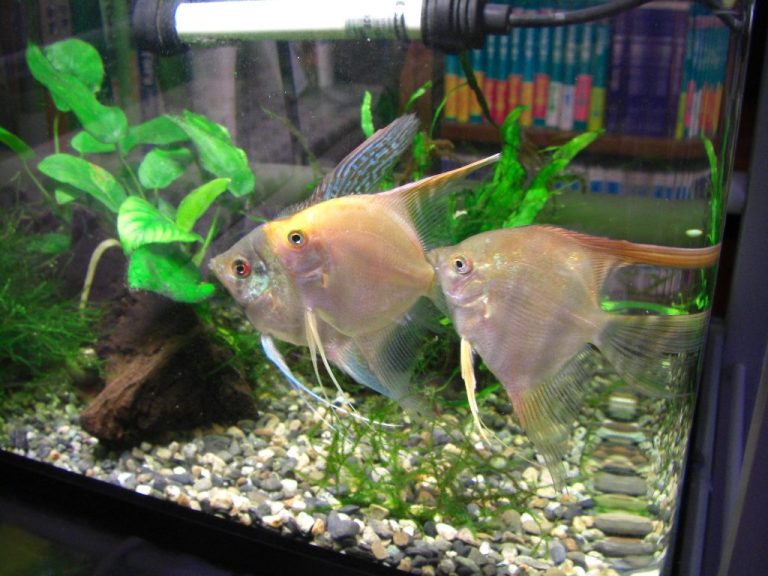
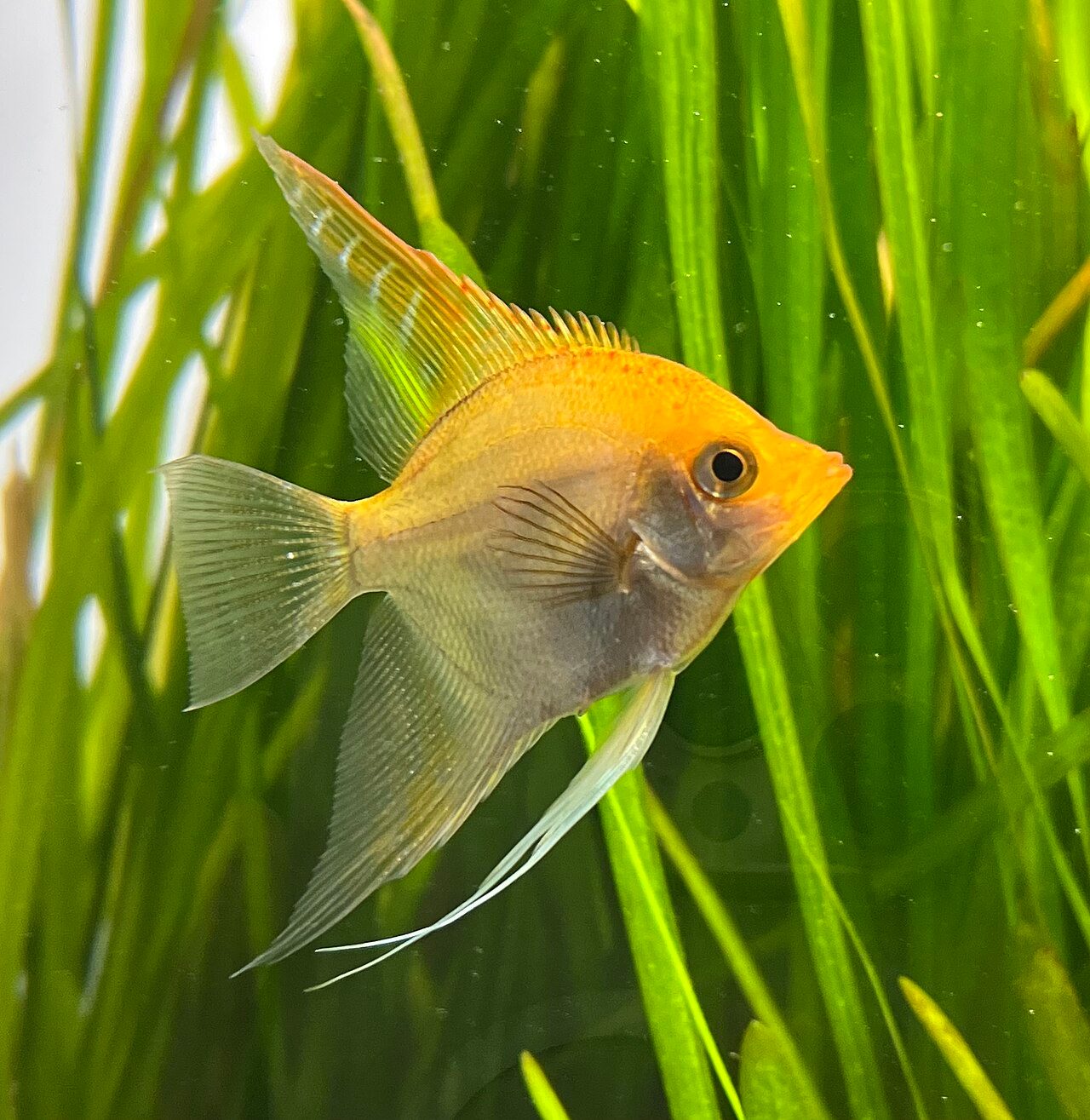
Angelfish come in diverse colors including silver, black, gold, marble, koi, and Philippine Blue. These variations arise from selective breeding and pigment cells like melanophores and iridophores, creating a spectrum ranging from deep blacks to shimmering blues.
When you first step into freshwater aquariums, few sights are as eye-catching as a school of Pterophyllum scalare gliding through a planted tank.
As an aquarist who has spent over a decade watching these “Kings of the Aquarium” grow from tiny fry to majestic adults, I am still amazed by their diversity.
If you are currently planning your next tank setup, you are likely wondering what colors do angelfish come in and how those colors might change as the fish matures.
In my experience, the sheer variety of hues available today is proof of the dedication of breeders who have unlocked the genetic potential of these South American cichlids.
From the classic wild-type stripes to the modern neon-like blues, understanding the color palette of these fish is the first step in creating a visually eye-catching underwater display.
Before we go through the specific varieties, it is important to keep in mind that freshwater inhabitants like these rely on specific water conditions to keep their colors bright.
At a glance: Freshwater angelfish (Pterophyllum scalare)
- Temperature
- 76–84°F (24–29°C)
- Water pH
- 6.0–7.5
- Adult size
- 6 in long, 8 in tall (15 × 20 cm)
- Minimum tank
- 30 gal for a pair, 55 gal tall for a group
- Group size
- Pair or group of 5+
- Temperament
- Semi-aggressive, territorial when breeding
- Diet
- Omnivore: pellets, flakes, frozen bloodworm and brine shrimp
- Lifespan
- 10–12 years
Keeper’s tip: Choose a tall tank; height matters more than length for a fish that grows taller than it is long.
what colors do angelfish come in
The short answer is that angelfish come in almost every color of the rainbow, with the exception of true bright greens or deep purples.
The primary colors you will encounter in the hobby include silver, black, gold, white (platinum), orange (koi), and various shades of blue.
These colors are not just random; they are the result of specific pigment cells called chromatophores that reflect or absorb light in unique ways.
Pro Tip: When selecting fish at a local store, look for specimens with clear eyes and crisp color boundaries. Stress can cause an angelfish to “fade” its bars or colors temporarily, so a fish showing its full intensity in a busy store is often a sign of high-quality genetics and good health.
The Science Behind Angelfish Coloration
To appreciate the variety of angelfish, we have to look at the microscopic level of their skin.
Angelfish possess different types of pigment cells, such as melanophores, which produce the deep blacks and browns seen in the Black Lace or Marble varieties.
Other cells, known as xanthophores and erythrophores, are responsible for the yellows, oranges, and reds found in the popular Koi angelfish.
One of the most interesting components of their shimmer comes from guanine crystals stored in cells called iridophores.
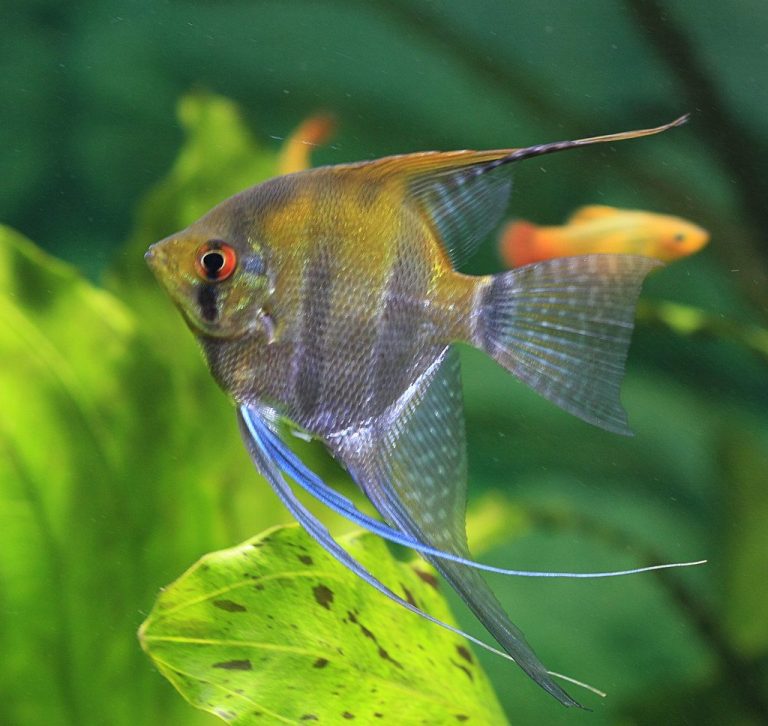
These crystals don’t produce color through pigment but rather by reflecting light, which creates the iridescent silver and blue “sheen” we see on many modern strains.
The Philippine Blue gene is a perfect example of how breeders have manipulated these iridophores to create fish that appear to glow under the right lighting.
The Classic Color Strains
The foundation of all angelfish varieties starts with the wild-type silver, but selective breeding has expanded this into several iconic “classic” looks.
If you are just starting out, understanding these unique species traits will help you decide which look fits your aesthetic.
Silver and Zebra Angelfish
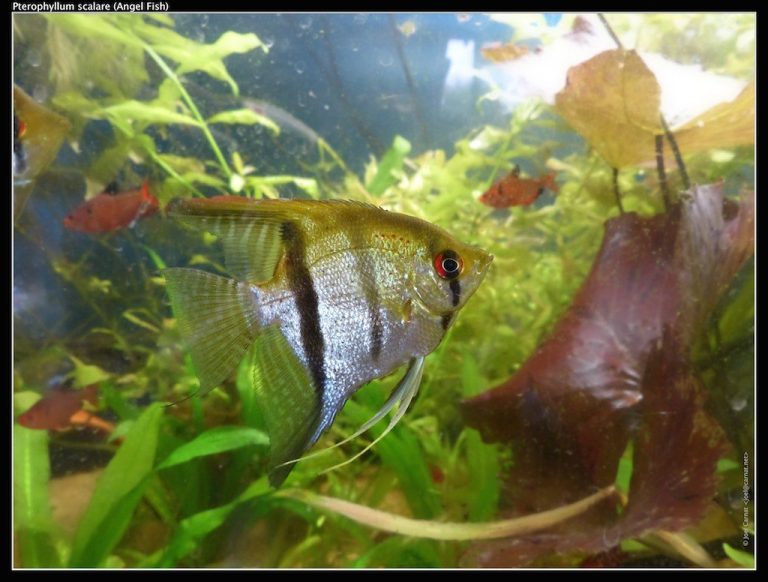
The Silver angelfish is the original look of Pterophyllum scalare found in the Amazon River basin.
They feature a shimmering silver body with four vertical black bars that they can actually “turn off” or fade depending on their mood or stress levels.
Zebra angelfish are a variation of this, possessing more vertical bars (usually 4 to 6) which gives them a more intricate, wild appearance.
Black and Black Lace
Solid Black angelfish are deeply prized for their velvety appearance, which is caused by a high density of melanophores.
In my early years of fish keeping, I noticed that Black angelfish often grow slightly slower than their silver counterparts, though they are just as hardy once established.
The “Black Lace” variety is a semi-black fish where the fins maintain a beautiful, lace-like pattern of transparent and dark sections.
Gold and Albino Varieties
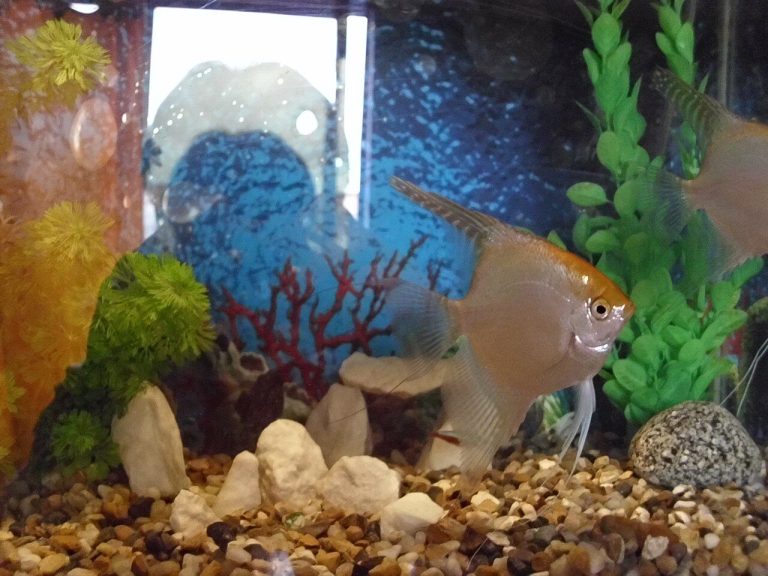
Gold angelfish lack the black pigment entirely, showing off a warm, yellow-to-orange hue across their bodies.
Albinos take this a step further by lacking all dark pigments, resulting in a white or cream body with distinct pink or red eyes.
In my experience, Albino angelfish can be more sensitive to bright aquarium lights, so providing floating plants for shade is a helpful practice.
The Colorful and Patterned Strains
As breeding techniques became more sophisticated, “designer” angelfish began to emerge, offering patterns that look like modern art.
When people ask what colors do angelfish come in, they are often thinking of these high-contrast, multi-colored varieties.
Marble and Silver Marble
The heterozygous marble gene creates a chaotic and beautiful splash of black, white, and silver across the fish.
No two marble angelfish look exactly alike, making them a favorite for hobbyists who want a unique pet.
The phenotypic expression of the marble gene can vary wildly even within the same batch of fry, ranging from almost entirely black to mostly silver.
Koi and Sunset Angelfish
Koi angelfish are easily the most popular “colorful” variety, mimicking the look of pond koi with patches of orange, white, and black.
These fish rely heavily on xanthophores and erythrophores for their bright orange heads.
I have found that the intensity of the orange in Koi angelfish is highly dependent on their diet and the presence of specific nutrients.
Pro Tip: To keep your Koi and Gold angelfish looking their best, use carotenoid supplementation in their diet. High-quality flakes or pellets containing spirulina or krill will naturally boost the reds and oranges in their skin.
Philippine Blue and Platinum
The introduction of the Philippine Blue gene revolutionized the hobby by adding a “true blue” metallic shimmer to the fish.
When this gene is combined with the Platinum variety, you get a fish that looks like a shimmering piece of jewelry under LED lights.
These vivid koi and platinum variations are often the centerpiece of high-end aquascapes.
Comparing Angelfish Color Varieties
To help you visualize the differences, I have compiled a table comparing the most common color strains and their primary characteristics.
| Variety Name | Primary Colors | Key Features |
|---|---|---|
| Silver | Silver, Black | Classic vertical bars; wild-type look. |
| Black Lace | Deep Black, Charcoal | Intricate patterns on fins; very elegant. |
| Koi | Orange, White, Black | Speckled pattern; orange usually on head. |
| Philippine Blue | Metallic Blue, Silver | Iridescent sheen; highly reflective. |
| Marble | Black, White, Silver | Randomized blotches; no two are identical. |
| Albino | White, Cream, Pink | Red eyes; lacks dark pigments entirely. |
How Environment Affects Angelfish Color
Many hobbyists are surprised to find that the color of their angelfish can change based on the environment.
When I first started keeping the Silver variety, I was confused why their black bars would disappear at night or when I was cleaning the tank.
This is a natural defense mechanism; angelfish “mute” their colors when they feel vulnerable or stressed to blend into their surroundings.
The Role of Lighting
The type of light you use will drastically change how you perceive the question: what colors do angelfish come in?
Full-spectrum LED lighting is essential for bringing out the iridophores in blue and platinum varieties.
Without the right light spectrum, a Philippine Blue angelfish might just look like a dull grey fish.
Substrate and Background
Angelfish tend to “color up” more intensely when they feel secure, which often happens in tanks with dark substrates and heavy planting.
In a tank with a white background and white sand, many varieties will “wash out” their colors to try and match the bright environment.
Using a black background is one of the oldest tricks in the book to make the oranges of a Koi or the blacks of a Marble really pop.
Common Myths About Angelfish Colors
There are several misconceptions that I often hear from beginners regarding the colors of these fish.
One common myth is that “Blue” angelfish are dyed or injected with color, which is absolutely false for the Pterophyllum genus.
The blue is a result of genetics and light refraction, not artificial dyes like those found in some “Glo-fish” varieties.
Another myth is that all angelfish will make sure their juvenile colors as they grow into adulthood.
In reality, many Marble and Koi angelfish will “fill in” more color as they age, with their patterns shifting slightly as their bodies expand.
Still wondering?
Can angelfish change their color?
Yes, angelfish can change the intensity of their colors based on mood, stress, or health. While they cannot change from black to gold, they can fade their black bars or darken their overall hue within seconds.
Why is my angelfish losing its color?
Fading color is usually a sign of stress, poor water quality, or illness. Check your ammonia and nitrite levels immediately, as even small spikes can cause an angelfish to lose its vibrancy.
Do different colors of angelfish have different temperaments?
Generally, no. Most color variations of Pterophyllum scalare share the same semi-aggressive temperament. However, some highly inbred specialty strains can be slightly more delicate or less aggressive than wild-type silvers.
What is the rarest angelfish color?
True “Altum” angelfish with their distinct brownish-red stripes are rare, but in the common hobby, high-coverage “Blue Ghost” or “Paraiba” varieties are often the hardest to find.
Wrapping up
Understanding what colors do angelfish come in opens up a world of creative possibilities for your aquarium.
Whether you prefer the natural, regal look of the Silver Zebra or the flamboyant, artistic splash of the Koi variety, there is an angelfish for every taste.
In my decade of keeping these fish, I have learned that while genetics provide the potential for color, it is the keeper’s job to provide the environment that lets those colors shine.
If you focus on high-quality nutrition, stable water parameters, and proper lighting, you can ensure your angelfish remain the rich “Kings” of your underwater world for years to come.
The most beautiful fish is always a healthy fish, so prioritize their care, and the colors will naturally follow.

- 2003First tank
- 20+Years keeping
- 40+Tanks kept
- 0Sponsored picks
Howard set up his first 10-gallon planted tank in 2003 and lost half of it within six weeks. Two decades and more than forty aquariums later, he writes the guides he wished he had then: clear numbers, the reasons behind them, and what actually goes wrong in home tanks.