What Is The Minimum Tank Size For Angelfish – The Ultimate Guide
The absolute minimum tank size for a single angelfish is 20 gallons (high), though 30 gallons is preferred. For a pair, a 40-55 gallon tall tank is required to accommodate their height and swimming habits.
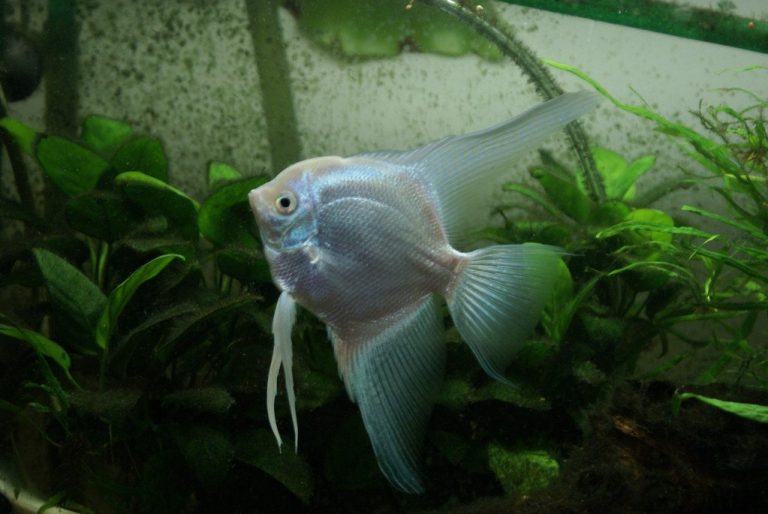
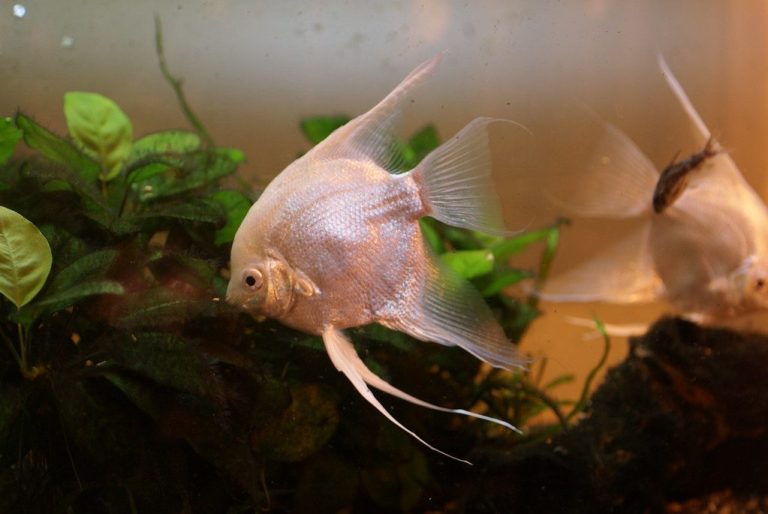
Few fish capture the imagination of the aquarium hobby like the majestic angelfish. With their trailing fins and regal swimming patterns, they are the undisputed kings of many freshwater setups.
In my 10 years of keeping these beauties, I have seen many beginners make the mistake of choosing a tank based only on the fish’s length. However, because of their unique body shape, the vertical space is just as important as the horizontal volume.
Understanding what is the minimum tank size for angelfish is the first step toward preventing stress and stunted growth. In this guide, I will share everything I have learned about providing these cichlids with the space they deserve.
Pro Tip: When shopping for a tank, always look for the “High” or “Tall” designation. A standard 20-gallon tank is often too shallow for an adult angelfish, causing their dorsal and anal fins to scrape against the substrate or surface.
At a glance: Freshwater angelfish (Pterophyllum scalare)
- Temperature
- 76–84°F (24–29°C)
- Water pH
- 6.0–7.5
- Adult size
- 6 in long, 8 in tall (15 × 20 cm)
- Minimum tank
- 30 gal for a pair, 55 gal tall for a group
- Group size
- Pair or group of 5+
- Temperament
- Semi-aggressive, territorial when breeding
- Diet
- Omnivore: pellets, flakes, frozen bloodworm and brine shrimp
- Lifespan
- 10–12 years
Keeper’s tip: Choose a tall tank; height matters more than length for a fish that grows taller than it is long.
what is the minimum tank size for angelfish?
The short answer is that a single angelfish needs at least a 20-gallon high aquarium. However, this is the bare minimum for an individual, and most hobbyists find that a 30-gallon tank provides a much safer buffer for water quality.
If you plan on keeping a mated pair, you should look at nothing smaller than 40 or 55 gallons. These fish can grow surprisingly large, and their vertical height can reach up to 8 or 10 inches depending on the variety.
It is vital to keep in mind that Pterophyllum scalare, the most common species in the hobby, is a social but territorial cichlid. Small volumes often lead to increased stress and poor biological filtration capacity, which can jeopardize the health of your pets.
Why Volume and Shape Both Matter
When we talk about tank size, we aren’t just talking about the number of gallons. The vertical water column height is the most critical dimension for an angelfish habitat.
Because of their tall, diamond-shaped bodies, they need depth to swim naturally. If the water is too shallow, the fish may develop spinal deformities or permanently clamped fins.
In my experience, a tank height of at least 18 to 24 inches is ideal for adult specimens. This allows them to hover among tall plants like Echinodorus amazonicus without feeling cramped or exposed.
Comparing Tank Sizes for Angelfish
To help you make the best decision for your home, I have put together a comparison of common aquarium sizes. This table outlines which setups are suitable for different numbers of fish.
| Tank Size (Gallons) | Recommended Number of Angelfish | Suitability Level |
|---|---|---|
| 20 Gallon High | 1 Adult | Bare Minimum |
| 29 – 30 Gallon | 1 – 2 (Mated Pair) | Good for Beginners |
| 40 Gallon Breeder | 2 – 3 | Excellent (though shallow) |
| 55 Gallon | 4 – 5 | Ideal for Communities |
| 75+ Gallon | 6+ (Small School) | Best for Health |
The Impact of Species on Tank Requirements
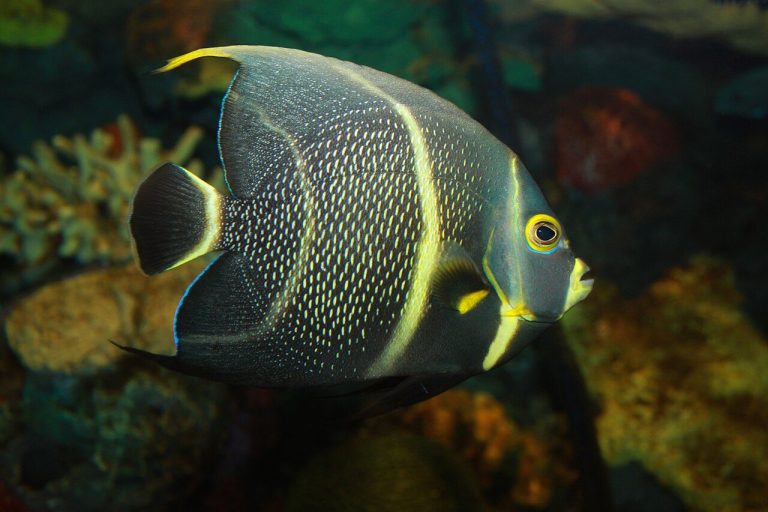
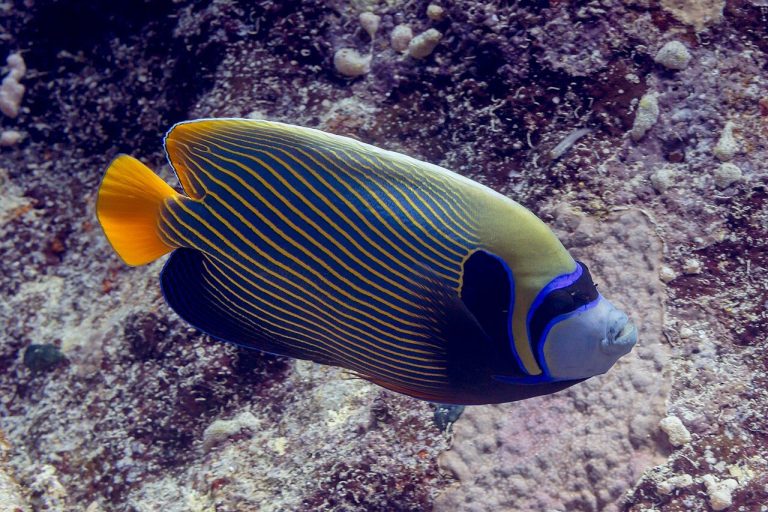
Not all angelfish are created equal. While most hobbyists keep Pterophyllum scalare, there are other species that require significantly more space.
For instance, the Pterophyllum altum, or Altum Angelfish, grows much larger than its common cousin. These majestic giants can reach heights of over 12 inches, requiring a massive vertical water column height.
If you are interested in beautiful angelfish morphs, you will likely be dealing with the common scalare. These varieties are generally more adaptable but still require the minimums we have discussed.
Understanding Pterophyllum scalare vs. Pterophyllum altum
The common angelfish is much hardier and better suited for the 29-gallon to 55-gallon range. They have been captive-bred for generations, making them more tolerant of varying water conditions.
Altum angelfish, on the other hand, are often wild-caught and extremely sensitive. They need very soft water and a tank that is at least 30 inches tall to accommodate their incredible fin span.
I always suggest that intermediate keepers master the care of the common variety before attempting Altums. The stakes are much higher, and the equipment required is significantly more expensive.
Common Mistake: Many keepers assume that because a fish is small at the pet store, it will stay that way. Angelfish grow rapidly in their first year, and a juvenile in a 10-gallon tank will outgrow it in just a few months.
Water Quality and Biological Filtration Capacity
Knowing what is the minimum tank size for angelfish is only half the battle. You must also help that the water inside that tank remains pristine.
Angelfish are cichlids, which means they produce a decent amount of waste. A smaller tank has less water volume to dilute toxins, making high-quality filtration a non-negotiable requirement.
A low nitrate concentration is essential for preventing long-term health issues. I recommend keeping nitrates below 20 ppm through regular water changes and efficient mechanical filtration.
Critical Water Parameters for Success
To keep your angelfish healthy, you must monitor several key chemical levels. These fish prefer slightly acidic to neutral water with moderate hardness.
| Parameter | Ideal Range | Importance |
|---|---|---|
| Temperature | 76°F – 84°F | High metabolism and immunity |
| pH Level | 6.5 – 7.5 | Reduces stress and mimics nature |
| Carbonate Hardness (KH) | 3 – 8 dKH | Buffers pH from crashing |
| Ammonia / Nitrite | 0 ppm | Prevents immediate toxicity |
| Nitrate | < 20 ppm | Prevents stunting and disease |
The Role of Dissolved Oxygen
Maintaining a high dissolved oxygen saturation is another reason why tank size and surface area matter. While angelfish are not as demanding as some fast-water species, they still need well-oxygenated water.
I’ve noticed that in smaller tanks, the water can become stagnant quickly. Adding an air stone or using a spray bar on your filter can help facilitate gas exchange at the surface.
Proper oxygenation supports the beneficial bacteria in your filter, strengthening your biological filtration capacity. This creates a more stable environment for your fish during power outages or mini-cycles.
One of the biggest challenges when determining what is the minimum tank size for angelfish is their temperament. Angelfish are generally peaceful until they reach sexual maturity.
Once they pair off, they can become quite territorial. This is known as conspecific aggression, where they may bully other angelfish in the tank to protect their nesting site.
In a small 20-gallon or 29-gallon tank, there is simply nowhere for the subordinate fish to hide. This often leads to torn fins, stress-induced illnesses, and even death if the keeper does not intervene.
Managing a Group of Angelfish
If you want to keep a group of five or six angelfish, a 55-gallon or 75-gallon tank is the way to go. The extra length allows for “territory lines” to be established among the decorations.
I have found that using tall plants like Echinodorus amazonicus (Amazon Swords) acts as a natural sight-break. If one fish cannot see the other, the aggression usually subsides.
When selecting a fish tank for a community, always prioritize the footprint. A longer tank allows for more escape routes for smaller tank mates like tetras or corydoras.
Common Health Issues in Small Aquariums
When angelfish are kept in tanks that are too small, their immune systems weaken. This makes them susceptible to several nasty pathogens that stay healthy in high-waste environments.
One of the most common issues I see in overcrowded tanks is Hexamitiasis, also known as Hole-in-the-Head disease. This is often linked to poor water quality, lack of vitamins, and high nitrate concentration.
Signs of this disease include small pits or erosions on the head and lateral line. If you catch it early, improving the water quality and providing a larger habitat can often reverse the damage.
Preventing Stunted Growth
Another sad reality of small tanks is stunted growth. While a fish might “fit” in a small tank, its internal organs continue to grow even if its body frame stops.
This leads to a shortened lifespan and a miserable existence for the fish. I once rescued an angelfish from a 10-gallon tank; it was three years old but only the size of a silver dollar.
After moving it to a 55-gallon setup, it lived for several more years, but it never reached its full potential size. This is why following proper angelfish health and care protocols from day one is so vital.
Setting Up the Ideal Angelfish Tank
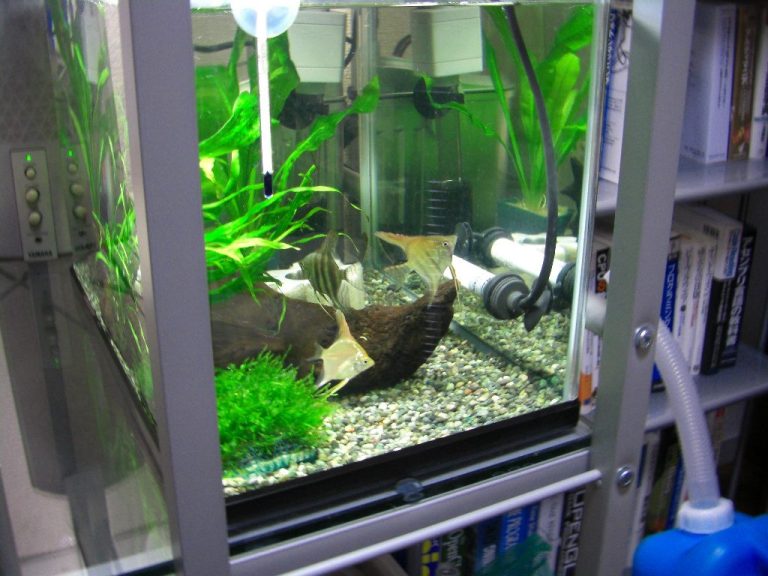
To give your angelfish the best life, you should design the tank around their natural Amazonian habitat. This means soft sand or fine gravel, plenty of driftwood, and broad-leafed plants.
Plants like the Echinodorus amazonicus are perfect because they provide wide surfaces for the fish to lay their eggs. They also help absorb excess nutrients, assisting your biological filtration capacity.
Don’t forget to include some open swimming space in the center. Angelfish love to glide through the water, and they need room to turn around without hitting their long trailing fins on the glass.
Lighting and Substrate
Angelfish are not particularly picky about lighting, but they do look striking under LEDs that mimic natural sunlight. Floating plants can provide shaded areas, which makes the fish feel more secure.
For substrate, I prefer dark sand. It makes the colors of the fish pop and is easy to clean during your weekly maintenance. Keeping the substrate clean is essential for maintaining low nitrate concentration levels.
A few common questions
Can I keep one angelfish in a 10-gallon tank?
No, a 10-gallon tank is far too small for an angelfish. The fish will quickly outgrow the space, suffer from stunted growth, and likely die prematurely due to poor water quality.
Is a 20-gallon long okay for angelfish?
A 20-gallon long is generally not recommended because it lacks the necessary vertical water column height. A 20-gallon high is the absolute minimum for a single specimen.
What are the best tank mates for angelfish?
Peaceful bottom dwellers like Corydoras and medium-sized tetras make excellent companions. Avoid very small fish like neon tetras, as adult angelfish may view them as a snack.
How often should I change the water?
In a minimum-sized tank, I recommend a 25-30% water change every week. This helps make sure that the nitrate concentration stays within a safe range for your fish.
Do angelfish need a heater?
Yes, angelfish are tropical fish and require a stable temperature between 76°F and 84°F. A reliable heater and thermometer are essential pieces of equipment.
In short
Choosing the right aquarium size is the most important decision you will make for your fish. While the question of what is the minimum tank size for angelfish has a technical answer of 20 gallons, the practical answer is often “the biggest tank you can afford.”
If you provide ample vertical space, maintaining a sturdy biological filtration capacity, and managing conspecific aggression through smart aquascaping, you can enjoy these “Kings of the Aquarium” for many years.
A healthy angelfish can live for over a decade. Giving them a 30, 55, or even 75-gallon home is an investment in their happiness and your success as an aquarist.

- 2003First tank
- 20+Years keeping
- 40+Tanks kept
- 0Sponsored picks
Howard set up his first 10-gallon planted tank in 2003 and lost half of it within six weeks. Two decades and more than forty aquariums later, he writes the guides he wished he had then: clear numbers, the reasons behind them, and what actually goes wrong in home tanks.