Can Angelfish Live In A 10 Gallon Tank? The Honest Truth
No, angelfish cannot live in a 10-gallon tank long-term. These fish grow up to 6 inches long and 8 inches tall, requiring a minimum of 20-30 gallons to avoid stunted growth and poor health.
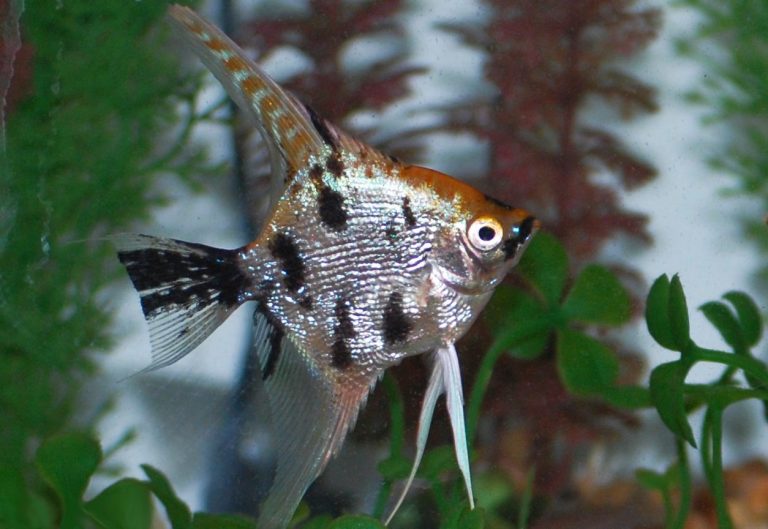
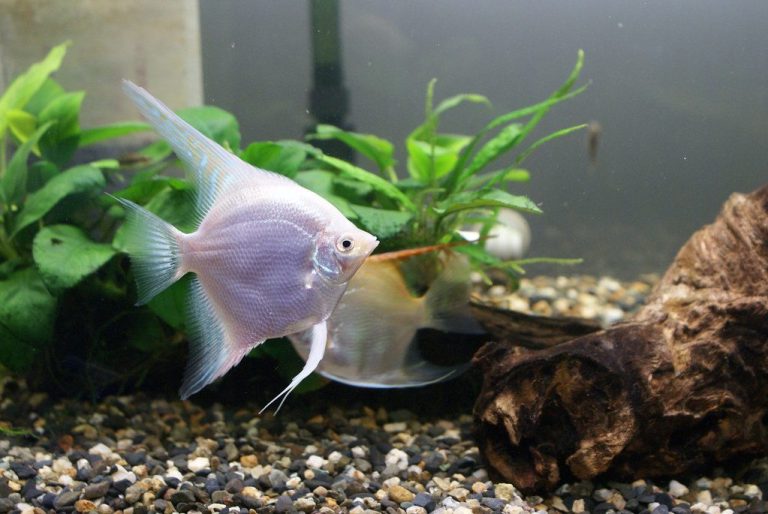
Every new aquarist has stood in front of a pet store display, mesmerized by the elegant, triangular silhouette of the angelfish. I remember the first time I saw a shimmering marble angelfish; I desperately wanted to bring it home to my small bedside aquarium.
However, after over a decade of maintaining freshwater systems, I have learned that “making it fit” is very different from helping a fish stay healthy. If you are wondering can angelfish live in a 10 gallon tank, the short answer is a resounding no, but understanding the biological reasons why will make you a much better fish keeper.
In this guide, we will explore the physical and physiological needs of Pterophyllum scalare. We will also look at what happens when these majestic fish are kept in cramped quarters and what you can do instead.
At a glance: Freshwater angelfish (Pterophyllum scalare)
- Temperature
- 76–84°F (24–29°C)
- Water pH
- 6.0–7.5
- Adult size
- 6 in long, 8 in tall (15 × 20 cm)
- Minimum tank
- 30 gal for a pair, 55 gal tall for a group
- Group size
- Pair or group of 5+
- Temperament
- Semi-aggressive, territorial when breeding
- Diet
- Omnivore: pellets, flakes, frozen bloodworm and brine shrimp
- Lifespan
- 10–12 years
Keeper’s tip: Choose a tall tank; height matters more than length for a fish that grows taller than it is long.
The Biological Reality: Can Angelfish Live in a 10 Gallon Tank?
When we discuss tank sizes, we aren’t just talking about the volume of water. We are talking about the vertical water column and the ability of the fish to develop its natural shape.
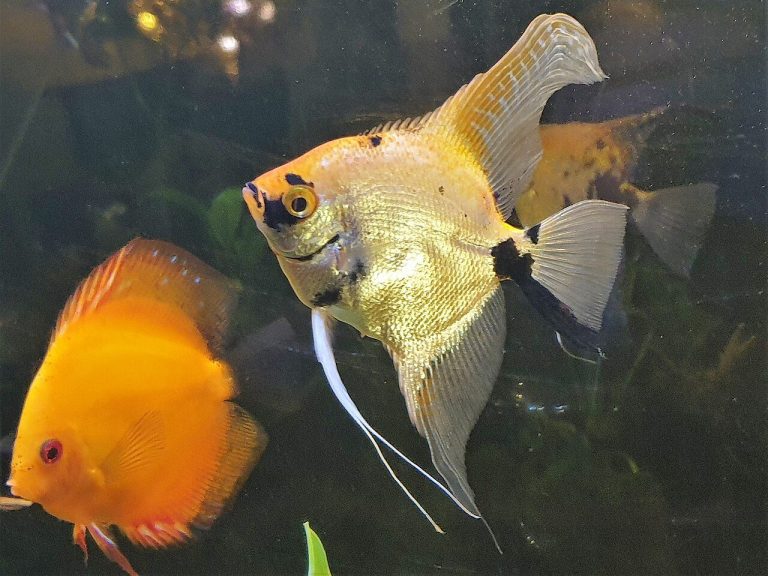
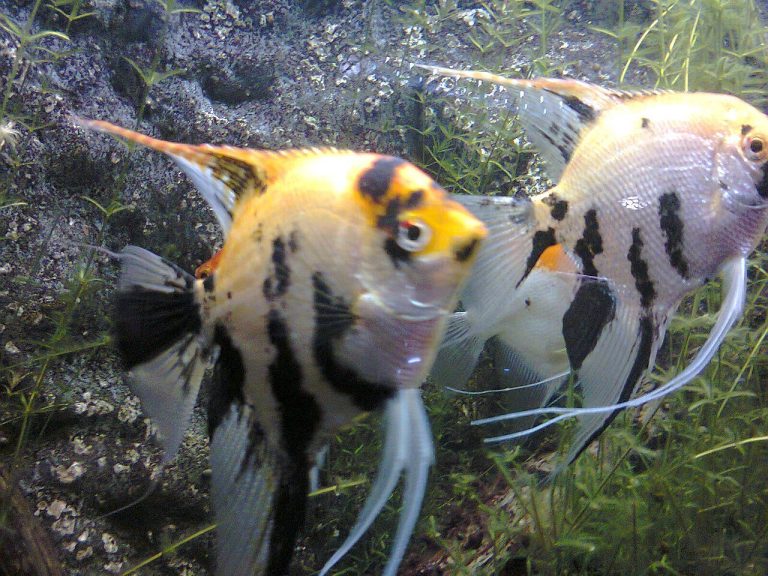
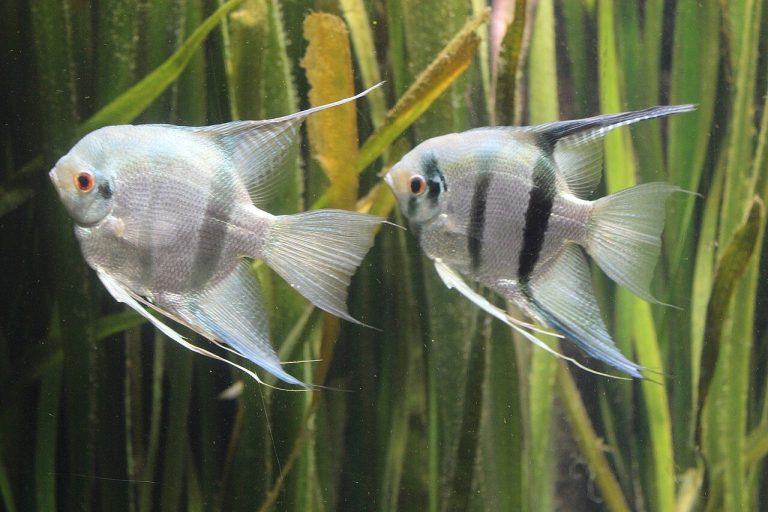
Angelfish are unique because they are laterally compressed—they are thin but very tall. A standard 10-gallon aquarium is only about 12 inches high, which quickly becomes a prison for a fish that can grow to nearly that height including its fins.
Pro Tip: Always research the “adult size” of a fish rather than its “sale size.” Most angelfish sold in stores are juveniles, often no bigger than a quarter, which leads beginners to believe a small tank is sufficient.
Physical Growth and Space Constraints
A juvenile angelfish might look comfortable in a small tank for a few weeks. However, their growth rate is surprisingly fast when they are fed a high-quality diet.
As the fish grows, it requires room to turn and swim without its delicate trailing fins touching the glass or decorations. In a 10-gallon setup, the fish will likely spend its life in a state of cramped stress, which leads to physical deformities.
The Importance of Vertical Depth
Unlike many schooling fish that prefer horizontal swimming space, angelfish need depth. They utilize the entire water column to work through and establish territories.
In my experience, keeping an angelfish in a shallow tank is like asking a human to live in a room where the ceiling is only four feet high. You can survive, but your posture and health will suffer immensely over time.
| Tank Size | Suitability for Angelfish | Primary Reason |
|---|---|---|
| 10 Gallons | Unsuitable | Inadequate height and water volume. |
| 20 Gallons (High) | Minimum for one | Provides necessary vertical swimming space. |
| 30-55 Gallons | Ideal for pairs | Allows for stable water chemistry and social behavior. |
The Impact of Bio-Load and the Nitrogen Cycle
One of the most overlooked aspects of the can angelfish live in a 10 gallon tank debate is the biological waste the fish produces. Angelfish are hearty eaters and, consequently, produce a significant amount of waste.
In a small volume of water, this waste quickly breaks down into toxic compounds. Managing the nitrogen cycle becomes an uphill battle when the water volume is too low to dilute these toxins.
Ammonia Toxicity and Nitrate Concentration
In a 10-gallon tank, even a small amount of uneaten food or fish waste can cause a spike in ammonia. Ammonia toxicity is a leading cause of death in small aquariums, as it burns the gills of the fish.
As your beneficial bacteria process ammonia, it eventually turns into nitrates. In a small tank, the nitrate concentration rises rapidly, requiring frequent and massive water changes to keep the environment safe.
Dissolved Oxygen Levels
Larger fish require more oxygen to fuel their metabolic processes. Small tanks have a lower surface-area-to-volume ratio, which can limit the amount of dissolved oxygen available.
I have seen many cases where angelfish in small tanks hang near the surface, gasping for air. This is a clear sign that the environment is failing to meet their basic respiratory needs.
Health Risks: Stunted Growth and Disease
When a fish is kept in an environment that is too small, it doesn’t just “stay small” to fit the tank. Its external growth may slow down, but its internal organs continue to develop.
This phenomenon is known as stunted growth, and it is a painful and life-shortening condition. The internal organs eventually become crowded and begin to fail.
Swim Bladder Disorder and Lateral Line Erosion
Stress is the primary precursor to disease in the aquarium hobby. An angelfish in a 10-gallon tank is under constant physiological stress, which suppresses its immune system.
This makes them highly susceptible to swim bladder disorder, which affects their ability to maintain buoyancy. Furthermore, poor water quality in small tanks is a known trigger for lateral line erosion, a disfiguring condition that creates pits in the fish’s head and body.
Pro Tip: If you notice your fish swimming at an odd angle or struggling to stay submerged, check your nitrate levels immediately. Chronic exposure to high nitrates is a common cause of swim bladder issues.
The Risk of Aggression
Angelfish are cichlids, and while they are generally peaceful, they can be territorial. In a 10-gallon tank, there is no room for a fish to claim a “territory.”
If you were to try and keep more than one angelfish in such a small space, the dominant fish would likely harass the weaker one to death. There is simply nowhere for the submissive fish to hide.
Why You Should Choose a Larger Tank
To appreciate these fish, you need to provide them with the proper care requirements they deserve. A larger tank offers stability that a small tank cannot match.
A 29-gallon or 55-gallon aquarium provides a buffer against rapid changes in temperature and chemistry. This stability is the key to long-term success in the hobby.
Better Water Stability
The more water you have, the slower toxins build up. In a 55-gallon tank, a missed water change is a minor issue; in a 10-gallon tank, it can be a catastrophe.
I always tell beginners that larger tanks are actually easier to maintain than small ones. The biological “cushion” provided by more water volume saves many fish lives.
Natural Behavior and Aesthetics
In a spacious environment, angelfish exhibit interesting behaviors. You will see them glide gracefully through plants and interact with their environment in a way that is impossible in a cramped 10-gallon.
They are intelligent fish that recognize their owners and can even be trained to eat from your hand. This level of interaction only happens when the fish feels secure and healthy in its home.
Better Alternatives for a 10 Gallon Tank
If you already have a 10-gallon tank and aren’t ready to upgrade, don’t worry. There are many beautiful species that will settle in in that space.
Instead of a large cichlid, consider smaller schooling fish or colorful invertebrates. These options allow you to create a rich, healthy ecosystem without compromising the welfare of the animals.
Tetras and Nano Fish
Many species of tetras are perfect for smaller setups. They bring color and movement to the tank without the massive bio-load of an angelfish.
For example, you can research stocking a smaller aquarium with neon or ember tetras. These fish stay small and are much more appropriate for the dimensions of a 10-gallon tank.
Dwarf Shrimp and Snails
A 10-gallon tank makes an incredible “shrimp empire.” Cherry shrimp or crystal red shrimp provide endless fascination and help keep the tank clean.
You can also look into compatible community species like honey gouramis, which offer a similar “centerpiece” feel but stay at a much more manageable size.
Practical Checklist for a Healthy Aquarium Setup
To ensure you are setting your fish up for success, use this checklist before introducing any new inhabitants to your tank.
| Step | Action Item | Why It Matters |
|---|---|---|
| 1 | Verify Tank Dimensions | Ensures enough vertical and horizontal space. |
| 2 | Complete the Nitrogen Cycle | Prevents immediate ammonia toxicity. |
| 3 | Test Water Parameters | Confirms the water is safe for inhabitants. |
| 4 | Install Proper Filtration | Maintains oxygen levels and removes waste. |
| 5 | Research Adult Size | Avoids future overcrowding and stunting. |
Questions I get asked a lot
Can I keep a baby angelfish in a 10 gallon tank temporarily?
While you can physically place a baby angelfish in a 10-gallon tank, it is not recommended. They grow very quickly, and most keepers forget to upgrade the tank until the fish is already showing signs of stress or illness.
How many angelfish can live in a 20 gallon tank?
A 20-gallon “High” tank is the absolute minimum for one single angelfish. If you want to keep a pair, you should look at a 30-gallon tank or larger to prevent territorial disputes and manage the bio-load.
What is the best tank shape for angelfish?
Angelfish prefer tall or “extra-high” tanks over long, shallow ones. Because of their vertical fin structure, they need the depth to swim naturally without dragging their fins on the substrate.
Do angelfish need a heater in their tank?
Yes, angelfish are tropical fish and require a consistent temperature between 76°F and 82°F. A high-quality heater is essential to prevent temperature fluctuations that can weaken their immune system.
What happens if an angelfish is kept in a tank that is too small?
The most common outcomes are stunted growth, chronic stress, and a significantly shortened lifespan. The fish will likely suffer from recurring infections and will never reach its full, majestic potential.
Final thoughts
Asking can angelfish live in a 10 gallon tank is the first step toward becoming a responsible and successful aquarist. While it might be tempting to buy that beautiful juvenile angelfish for your small desk tank, the best thing you can do for the animal is to wait until you have a larger home for it.
Aquarium keeping is a satisfying journey of balance and care. If you choose fish that fit your tank size, you keep a peaceful environment where your aquatic pets can live long, healthy lives.
If you are set on keeping angelfish, I highly recommend investing in at least a 29-gallon tall aquarium. You will be rewarded with a fish that is active, colorful, and the “King of the Aquarium.”

- 2003First tank
- 20+Years keeping
- 40+Tanks kept
- 0Sponsored picks
Howard set up his first 10-gallon planted tank in 2003 and lost half of it within six weeks. Two decades and more than forty aquariums later, he writes the guides he wished he had then: clear numbers, the reasons behind them, and what actually goes wrong in home tanks.