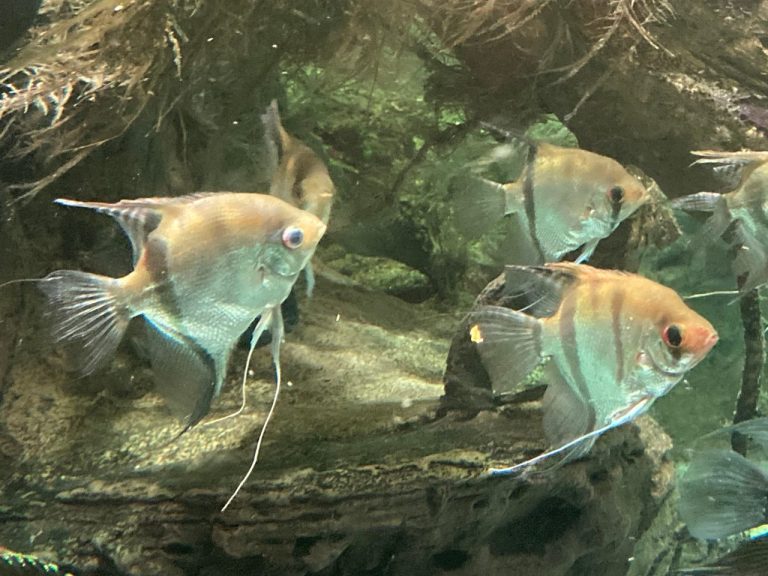
What Do Angelfish Eat In The Wild – The Complete Amazonian Diet Guide
In the wild, angelfish are opportunistic omnivores that primarily consume aquatic invertebrates, small crustaceans like Copepoda, insect larvae such as Chironomidae, and occasionally small fish or organic plant material found in the Amazon river system.
Understanding the natural history of our aquarium residents is the first step toward becoming a master keeper. For over a decade, I have watched these “Kings of the Aquarium” glide through my tanks, but my fascination deepened when I began studying their native habitats.
The Amazon basin is a complex, ever-changing environment where survival depends on a varied and nutrient-rich diet. When we ask what do angelfish eat in the wild, we are looking into a world of flooded forests, tangled roots, and a constant influx of diverse protein sources.
In this guide, I will share the biological secrets of the wild angelfish diet. We will explore the specific organisms they hunt and how you can use this knowledge to make sure your fish stay healthy in captivity.
At a glance: Freshwater angelfish (Pterophyllum scalare)
- Temperature
- 76–84°F (24–29°C)
- Water pH
- 6.0–7.5
- Adult size
- 6 in long, 8 in tall (15 × 20 cm)
- Minimum tank
- 30 gal for a pair, 55 gal tall for a group
- Group size
- Pair or group of 5+
- Temperament
- Semi-aggressive, territorial when breeding
- Diet
- Omnivore: pellets, flakes, frozen bloodworm and brine shrimp
- Lifespan
- 10–12 years
Keeper’s tip: Choose a tall tank; height matters more than length for a fish that grows taller than it is long.
The Amazonian Habitat and Feeding Strategy
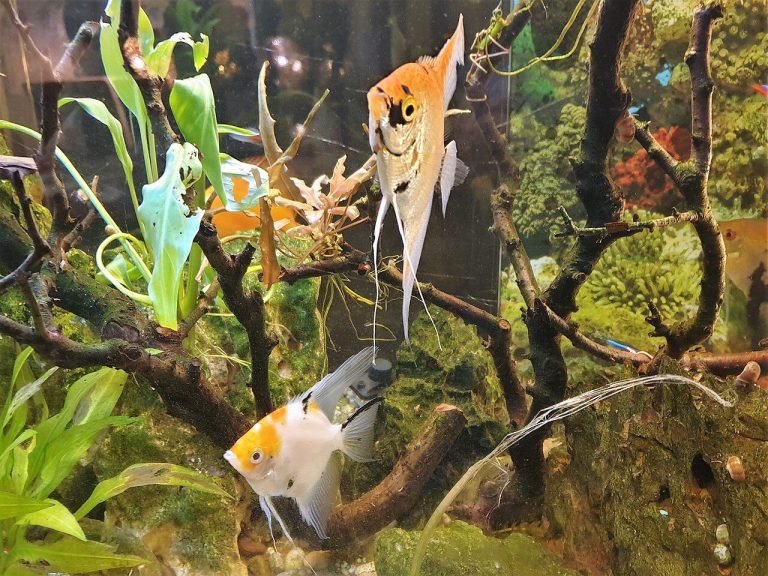
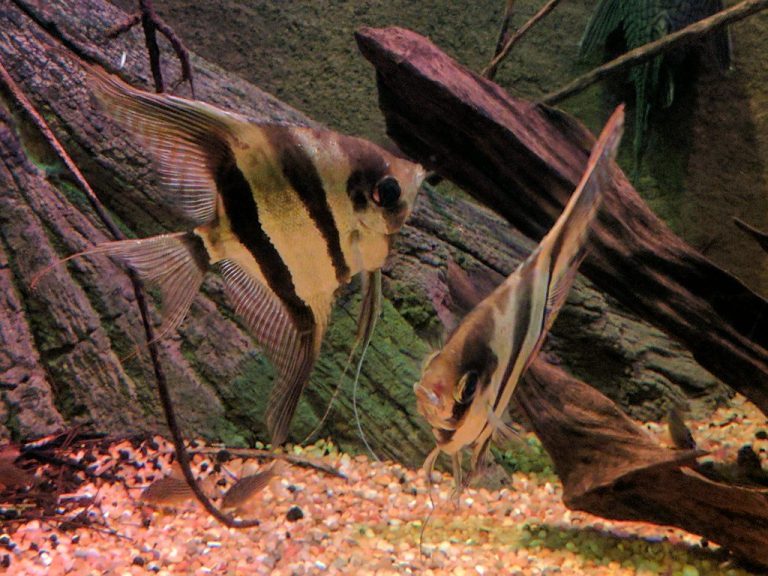
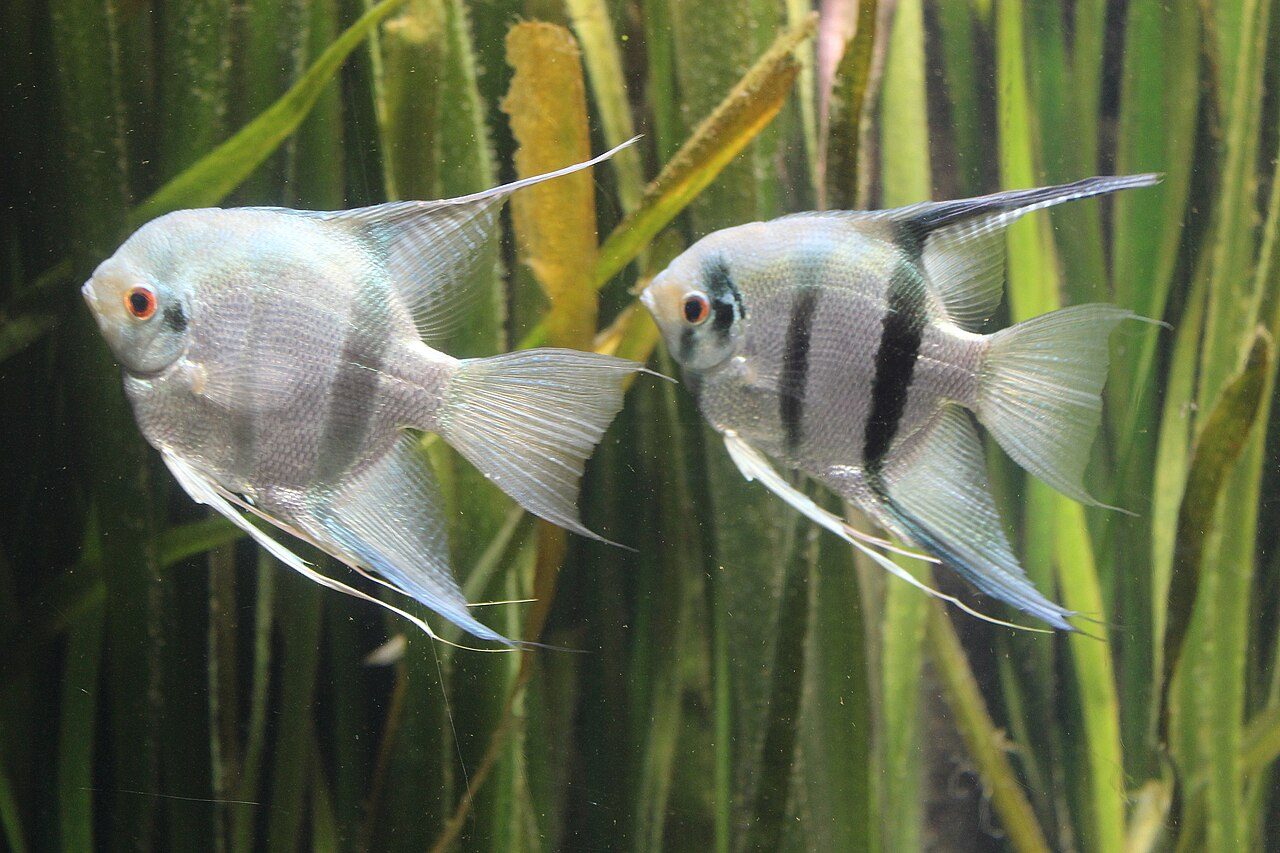
Angelfish, specifically species like Pterophyllum scalare and Pterophyllum altum, are native to the slow-moving rivers and flooded plains of South America. Their unique, laterally compressed bodies are not just for show; they are a specialized adaptation for handling dense vegetation.
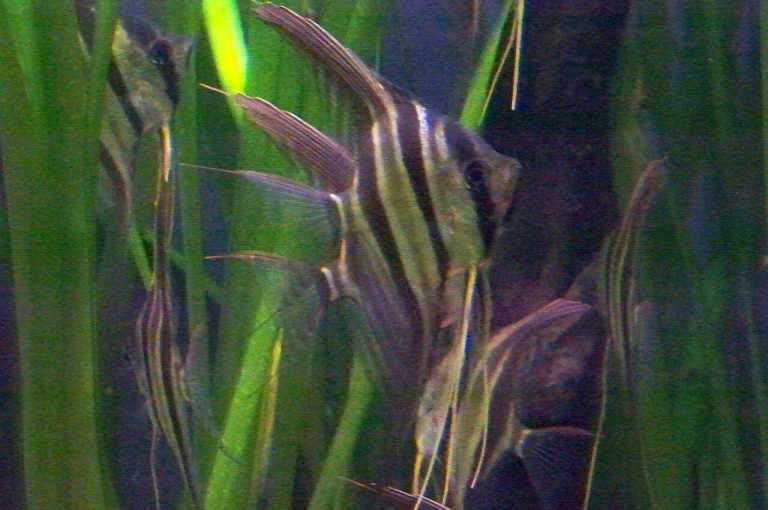
In these environments, angelfish are stalkers. They use their camouflage to blend into vertical structures like tree roots and reeds. This allows them to ambush small prey that drifts by or hides within the submerged foliage.
In my experience, understanding this “sit-and-wait” hunting style explains why they can be so finicky or aggressive during feeding time in a home aquarium. They are hardwired to strike at movement, a trait that serves them well in the murky waters of the Amazon.
what do angelfish eat in the wild?
The wild diet of an angelfish is far more diverse than the flakes or pellets we typically provide. They are classified as generalist predators, meaning they aren’t overly picky and will consume whatever fits in their mouths.
The bulk of their nutrition comes from a variety of small organisms found in the water column or on the riverbed. These are often referred to as Benthic macroinvertebrates, which are organisms without backbones that live at the bottom of a water body.
Pro Tip: If you are keeping wild caught specimens, they may initially struggle with dry foods. Introducing frozen bloodworms or brine shrimp can bridge the gap between their wild instincts and captive life.
Aquatic Insect Larvae
A significant portion of the angelfish diet consists of insect larvae. Among the most common are members of the Chironomidae family, which many hobbyists know as “bloodworms” in their larval stage.
These larvae live in the soft sediment or attached to submerged wood. Angelfish will pick through the substrate or “hover” over surfaces to find them. They also consume the larvae of Ephemeroptera, commonly known as mayflies, which are abundant in the Amazon.
Small Crustaceans and Micro-organisms
Angelfish are also master hunters of tiny crustaceans. They frequently consume Copepoda and Cladocera (such as Daphnia), which provide essential fatty acids and chitin for healthy digestion.
Other microscopic snacks include Ostracoda (seed shrimp) and Rotifera. While these might seem too small to sustain a large fish, angelfish consume them in vast quantities, especially when they are younger and growing rapidly.
The Role of Periphyton and Plant Matter
While angelfish are primarily carnivorous, they do consume a fair amount of “green” material. This usually happens incidentally as they graze on Periphyton.
Periphyton is a complex mixture of algae, cyanobacteria, heterotrophic microbes, and detritus that is attached to submerged surfaces. When an angelfish picks an insect off a leaf, it also ingests this nutrient-dense biofilm.
This accidental consumption provides them with essential vitamins and minerals that might be missing from a purely protein-based diet. This is why I always recommend including some high-quality spirulina or vegetable matter when raising healthy cichlids in your home.
Seasonal Diet Changes in the Flooded Forest
The Amazon undergoes massive seasonal changes known as the “flood pulse.” During the rainy season, the rivers rise and flood the surrounding forests, creating an “Igapa” or “Varzea” forest.
During this time, the available food sources for angelfish explode. They gain access to terrestrial insects that fall into the water, as well as a massive influx of newly hatched fry from other fish species.
In the dry season, when water levels recede, food becomes more scarce. Angelfish must rely more heavily on benthic organisms and whatever micro-crustaceans remain in the shrinking pools. This cycle of “feast and famine” is a natural part of their biological rhythm.
| Food Category | Wild Examples | Aquarium Equivalent |
|---|---|---|
| Insect Larvae | Chironomidae, Ephemeroptera | Frozen/Live Bloodworms, Blackworms |
| Crustaceans | Copepoda, Cladocera, Ostracoda | Brine Shrimp, Daphnia, Mysis Shrimp |
| Micro-fauna | Rotifera, Protozoa | Infusoria (for fry), Liquid Fry Food |
| Vegetation | Periphyton, Biofilm, Detritus | Spirulina Flakes, Algae Wafers |
| Small Fish | Tetra fry, Small Characins | Guppy fry (rarely used), High-protein Pellets |
How Angelfish Hunt in the Wild
Angelfish are surprisingly intelligent hunters. I have noticed that they often work the “edges” of a habitat. In the wild, this means they patrol the boundary between the open water and the dense root systems.
They use their large, sensitive eyes to detect the slightest twitch of an insect leg or the shimmy of a small fish. Once they lock onto a target, they use their pectoral fins to hover perfectly still before lunging forward with a sudden burst of speed.
Their mouths are also highly specialized. They can protract their jaws slightly, creating a vacuum that sucks the prey inside. This is why you might see your angelfish “spitting” their food out and catching it again—they are breaking it down or repositioning it for easier swallowing.
Species Variations: Scalare vs. Altum
While most people think of all angelfish as the same, there are subtle differences in what they prefer to eat based on their specific niche.
Pterophyllum altum, the Orinoco Altum, often lives in deeper, swifter waters than the common Pterophyllum scalare. Because of this, they may rely more on drifting organisms and small fish that are swept along in the current.
On the other hand, the many different varieties of angelfish derived from P. scalare are adapted to the slower, more stagnant waters where insect larvae are more abundant.
Regardless of the species, the core requirement remains the same: high protein, moderate fats, and a small amount of roughage.
Pro Tip: Avoid overfeeding high-fat foods like tubifex worms. In the wild, angelfish burn a lot of energy hunting. In an aquarium, they are more sedentary, and a high-fat diet can lead to fatty liver disease.
Replicating the Wild Diet in Your Aquarium
Now that we know what do angelfish eat in the wild, how do we translate that to our home tanks? The goal isn’t to find the exact Amazonian species of copepod, but to match the nutritional profile.
I recommend a “rotation” strategy. Never stick to just one type of food. In my tanks, I follow a schedule that mimics the variety they would find in the Amazon.
- High-Quality Base: Use a high-protein flake or pellet specifically formulated for cichlids as the daily staple.
- Frozen Treats: Twice a week, offer frozen bloodworms or brine shrimp. These mimic the Chironomidae and Copepoda they love.
- Live Food: If possible, offering live Daphnia once a month stimulates their natural hunting instincts.
- Vegetable Supplement: Once a week, drop in a spirulina-based flake or a blanched piece of zucchini to provide the “periphyton” effect.
If you provide this variety, you ensure they receive all the amino acids and vitamins necessary for those long, flowing fins and vivid colors.
Common Mistakes When Feeding Angelfish
One of the biggest mistakes I see beginners make is feeding only one type of food. Imagine if you only ate bread every day; you might survive, but you wouldn’t flourish.
Another common pitfall is ignoring the size of the food. In the wild, angelfish eat many small things throughout the day. In the aquarium, we tend to give one or two large meals.
If the food particles are too large, the angelfish might struggle to eat them, leading to waste and poor water quality. Always make sure the pellets or flakes are appropriately sized for your fish’s mouth.
Finally, keep in mind that angelfish are “opportunists.” They will eat until they are bloated if you let them. In the wild, they don’t know when their next meal is coming. In your tank, you are the provider, so keep portions small and manageable.
FAQ: Wild Angelfish Feeding Habits
Do angelfish eat plants in the wild?
Angelfish do not typically eat higher aquatic plants like Amazon Swords. However, they will graze on the algae and biofilm (periphyton) that grows on the leaves of those plants.
Will wild angelfish eat neon tetras?
Yes, in the wild, small characins like neon tetras are a natural prey item for adult angelfish. If a fish is small enough to fit in an angelfish’s mouth, it is considered food.
How often do angelfish eat in their natural habitat?
They are constant foragers. Instead of eating one big meal, they spend most of their daylight hours picking at small invertebrates and larvae as they find them.
What is the primary source of protein for wild angelfish?
The primary source is aquatic insect larvae, such as those of midges and mayflies, followed closely by small crustaceans like copepods.
Do wild angelfish eat fruit or seeds?
Unlike some of their larger cousins like Pacu, angelfish are not known to eat falling fruit or seeds. They focus almost entirely on animal protein and microbial biofilms.
Before you go
Understanding what do angelfish eat in the wild gives us a blueprint for success in the hobby. These fish are not just “flake eaters”; they are sophisticated predators adapted to the rich biodiversity of the Amazon.
If you provide a diet rich in insect larvae, small crustaceans, and a touch of vegetable matter, you are doing more than just feeding them—you are honoring their natural biology. This leads to better health, more bright colors, and a much higher chance of successful breeding.
As you continue your journey with these majestic cichlids, always look to nature for guidance. A happy angelfish is one that gets to act, and eat, like its wild ancestors.

- 2003First tank
- 20+Years keeping
- 40+Tanks kept
- 0Sponsored picks
Howard set up his first 10-gallon planted tank in 2003 and lost half of it within six weeks. Two decades and more than forty aquariums later, he writes the guides he wished he had then: clear numbers, the reasons behind them, and what actually goes wrong in home tanks.