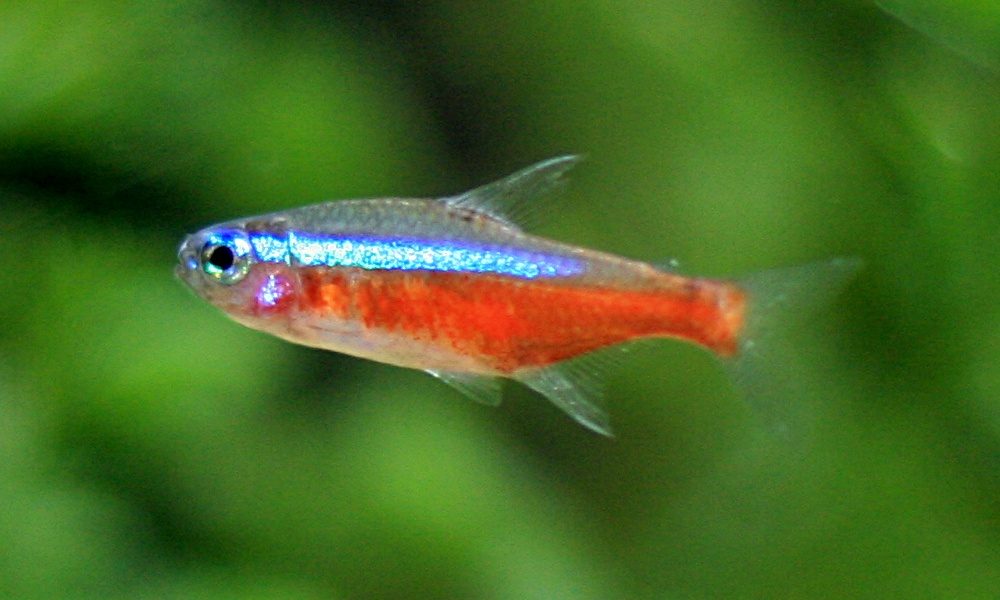
Wild Caught Vs Farm Raised Cardinal Tetra – The Ultimate Guide
Wild caught cardinal tetras offer unmatched color intensity and support sustainable Amazonian trade, while farm-raised specimens are more adaptable to varied water parameters and often carry fewer wild-borne parasites.
Choosing the right fish for your display tank often leads to a classic debate: wild caught vs farm raised cardinal tetra. After maintaining dozens of South American setups over the last decade, I have seen firsthand how the origin of your fish dictates their long-term health.
The Paracheirodon axelrodi, commonly known as the Cardinal Tetra, is perhaps the most iconic schooling fish in the hobby. Whether you are a beginner or an intermediate keeper, understanding where your fish come from is the first step toward a flourishing blackwater biotope.
In this guide, we will break down the physiological, ethical, and practical differences between these two sources. My goal is to help you decide which version of this shimmering beauty fits your specific aquarium goals.
At a glance: Cardinal tetra (Paracheirodon axelrodi)
- Temperature
- 76–84°F (24–29°C)
- Water pH
- 4.5–7.0
- Adult size
- 2 in (5 cm)
- Minimum tank
- 20 gal
- Group size
- Groups of 8+
- Temperament
- Peaceful
- Diet
- Omnivore: small pellets, flakes, frozen bloodworm
- Lifespan
- 4–6 years
Keeper’s tip: Cardinals like it warmer and softer than neons, so they are a poor match for cool-water tank mates.
The Battle of Origins: wild caught vs farm raised cardinal tetra
When we discuss the wild caught vs farm raised cardinal tetra, we are really talking about two very different life experiences. Wild caught individuals come primarily from the Rio Negro basin in Brazil and parts of Colombia or Venezuela.
These fish spend their early lives working through slow-moving, tea-colored waters enriched by fallen leaves and wood. This environment is naturally low in minerals, resulting in a very low specific conductance that is hard to replicate in a standard tap-water setup.
On the other hand, farm-raised specimens are typically produced in large-scale commercial facilities in Southeast Asia or Florida. These fish are bred in “harder” water than their wild cousins, which often makes them more resilient to the average hobbyist’s local water conditions.
Pro Tip: If you are buying from a local fish store, always ask where their stock originated. Wild caught fish often arrive in “breather bags” or specialized shipping crates directly from exporters, while farmed fish usually arrive in standard bulk shipments.
Visual Differences and Genetic Bottlenecking
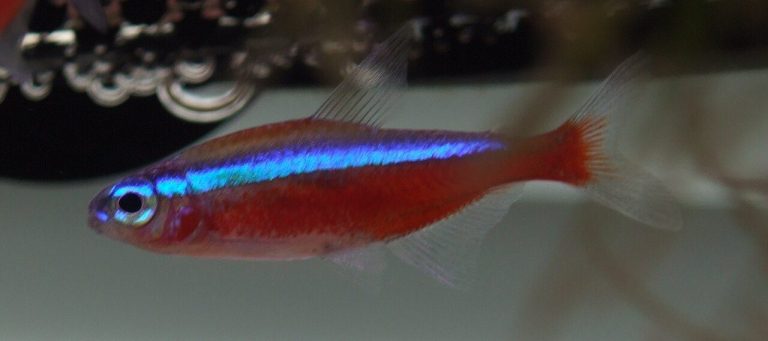
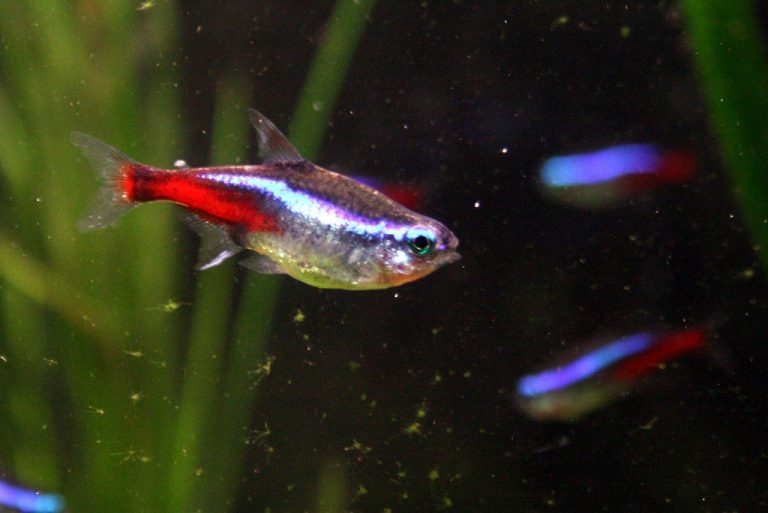
One of the most immediate things I notice when comparing these two is the color saturation. Wild caught Cardinals often display a deep, neon blue and a blood-red stripe that seems to glow even in low light.
This intensity is partly due to their natural diet of micro-crustaceans and the presence of humic acid in their native waters. Farm-raised fish can sometimes appear slightly “washed out,” though high-quality pellets can help bridge this gap over time.
However, commercial breeding can lead to genetic bottlenecking. Because many farms breed from a limited pool of ancestors, you might occasionally see slight spinal deformities or shorter lifespans in mass-produced lineages.
Comparing Physical Attributes
| Feature | Wild Caught | Farm Raised |
|---|---|---|
| Color Intensity | Extremely High | Moderate to High |
| Body Shape | Sleek and Aerodynamic | Varies (sometimes stockier) |
| Adult Size | Up to 2 inches | Often slightly smaller |
| Genetic Diversity | High | Low to Moderate |
Water Parameters and Adaptability
In my experience, the biggest hurdle with wild caught fish is their sensitivity to osmotic shock. Because they come from waters with almost zero mineral content, moving them into hard tap water can be fatal within hours.
Farm-raised Cardinals are much more forgiving of a higher pH and moderate hardness. If you are a beginner who isn’t ready to mess with reverse osmosis (RO) water, the farmed variety is likely your best bet for success.
However, if you are dedicated to providing a comprehensive care environment, wild fish are incredibly rewarding. They do well when you use peat filtration or botanical additions to lower the pH and mimic their home.
Health Concerns: Parasites vs. Resilience
Health is a major factor in the wild caught vs farm raised cardinal tetra debate. Wild fish often carry internal parasites that they have lived with in the river without issue, but the stress of shipping causes these problems to flare up.
Farmed fish are generally “cleaner” regarding wild parasites, but they are often more susceptible to Pleistophora hyphessobryconis. This is commonly known as Neon Tetra Disease, and it can quickly wipe out an entire school if not caught early.
I always recommend a strict quarantine period for both types. Monitoring for common illness symptoms such as cysts, loss of color, or erratic swimming is essential before adding them to your main display.
Pro Tip: When acclimating wild Cardinals, use a drip line over the course of 2-3 hours. This slow transition helps their kidneys adjust to the change in mineral concentration and prevents sudden shock.
Sustainability and the Role of Project Piaba
Many hobbyists assume that wild caught fish are bad for the environment, but the opposite is often true for Cardinal Tetras. Project Piaba is a famous initiative that promotes the sustainable harvest of these fish in the Amazon.
By purchasing wild caught Cardinals, you are providing a livelihood for local “piabeiros” (fishers). This income encourages them to protect the rainforest rather than turning to destructive industries like gold mining or logging.
Farmed fish have a different environmental footprint, often involving large amounts of water and energy for heating in commercial facilities. While they don’t impact the Amazon directly, they don’t contribute to its protection either.
Behavior and Schooling Patterns
I have noticed that wild caught Cardinals tend to have a tighter schooling instinct. In the wild, staying close together is a survival mechanism against larger predators in the murky blackwater.
Farm-raised fish, having never seen a predator, may be a bit more “relaxed” and spread out across the tank. This can be a downside if you are looking for that classic, synchronized swimming behavior that makes tetras so famous.
When selecting compatible tank mates, keep in mind that wild fish are more skittish. They benefit greatly from floating plants and dim lighting, which helps them feel secure enough to venture out into the open.
Cost and Availability
Generally, farm-raised Cardinal Tetras are more affordable and available year-round. Since they are bred in controlled environments, their supply isn’t dictated by the rainy seasons of the Amazon basin.
Wild caught fish are often seasonal, with the “fishing season” usually occurring during the dry months when the water levels drop. You will likely pay a premium for these fish due to the high costs of international airfreight and specialized handling.
| Factor | Wild Caught | Farm Raised |
|---|---|---|
| Average Price | $5.00 – $8.00 per fish | $3.00 – $5.00 per fish |
| Availability | Seasonal (Dry Season) | Year-round |
| Ease of Care | Intermediate/Advanced | Beginner/Intermediate |
Questions I get asked a lot
Are wild caught Cardinal Tetras more aggressive?
No, they are generally peaceful. However, they may be more prone to stress-induced nipping if kept in a tank that is too small or lacks enough hiding spots.
Do farm-raised Cardinals live longer?
Not necessarily. While they are hardier in tap water, the genetic diversity of wild fish often results in a more solid immune system if they are kept in the correct soft-water parameters.
How can I tell the difference at a glance?
Look at the red stripe. In wild fish, it is often a deep, solid crimson that extends very far forward, whereas farmed fish might have a slightly narrower or lighter red band.
Is Project Piaba still active?
Yes, it remains a vital part of the Amazonian aquarium trade. Supporting “Buy a Fish, Save a Tree” is a great way to make sure the hobby remains ethical and sustainable.
Final thoughts
The wild caught vs farm raised cardinal tetra choice ultimately depends on your experience level and tank setup. If you are a beginner with standard tap water, farm-raised fish will likely offer a smoother entry into the hobby.
However, if you are looking for the most vivid colors and want to support the conservation of the Amazon, wild caught fish are the way to go. Just be prepared to put in the extra work with drip acclimation and soft water management.
Whichever you choose, these fish are a eye-catching addition to any aquarium. If you provide clean water and a high-quality diet, you can enjoy their shimmering presence for many years to come.

- 2003First tank
- 20+Years keeping
- 40+Tanks kept
- 0Sponsored picks
Howard set up his first 10-gallon planted tank in 2003 and lost half of it within six weeks. Two decades and more than forty aquariums later, he writes the guides he wished he had then: clear numbers, the reasons behind them, and what actually goes wrong in home tanks.