Buenos Aires Tetra For Beginners – Complete Guide
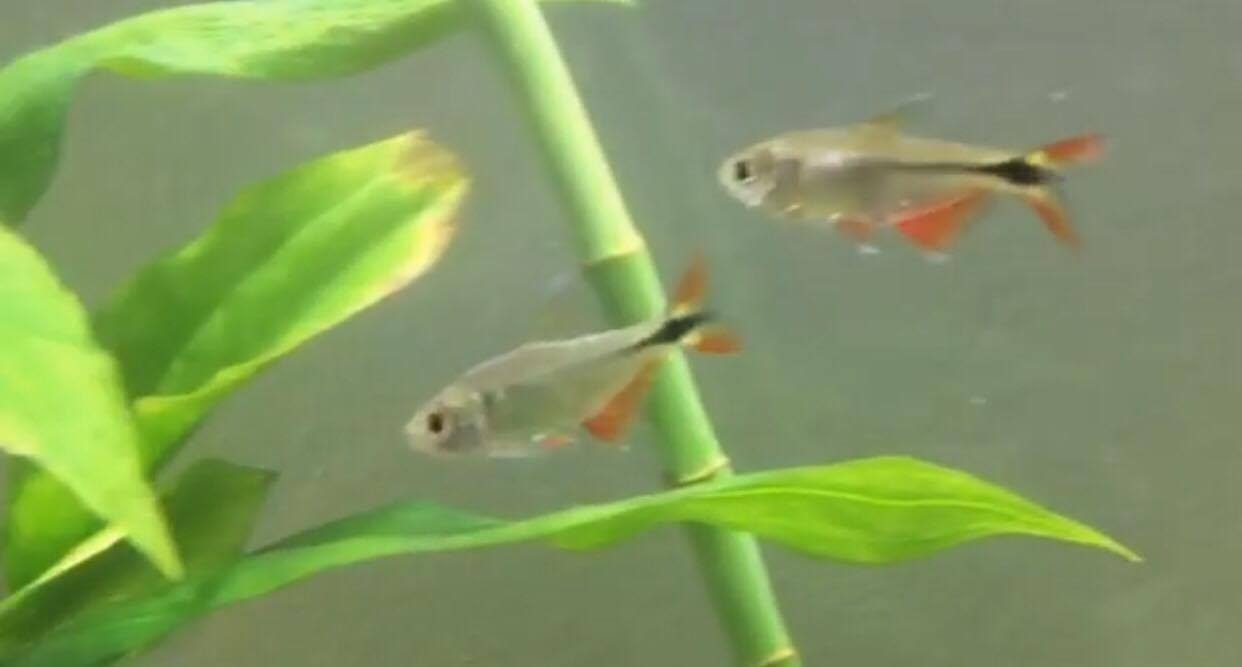
The Buenos Aires Tetra is an ideal choice for beginners due to its exceptional hardiness, adaptability to various water temperatures, and active personality. These fish settle in in schools of six or more in tanks of 30 gallons or larger.
Starting your journey into fish keeping can feel overwhelming with so many species to choose from.
In my ten years of maintaining diverse setups, I have found that very few species match the resilience of the Buenos Aires Tetra.
This guide on the Buenos Aires Tetra for beginners will walk you through everything you need to know to ensure these silver-bodied beauties flourish in your home.
Known scientifically as Hyphessobrycon anisitsi, these fish are often the “unsung heroes” for those just learning the ropes of the hobby.
They are forgiving of minor mistakes that might otherwise compromise more sensitive species like Neon Tetras.
At a glance: Buenos Aires tetra (Psalidodon anisitsi)
- Temperature
- 64–82°F (18–28°C)
- Water pH
- 5.8–8.5
- Adult size
- 2.75 in (7 cm)
- Minimum tank
- 30 gal
- Group size
- Groups of 6+
- Temperament
- Boisterous, eats soft plants
- Diet
- Omnivore with a plant appetite: flakes, pellets, blanched greens
- Lifespan
- 5 years
Keeper’s tip: They will strip soft-leaved plants, so use tough species like java fern and anubias.
Why the Buenos Aires Tetra for Beginners is the Perfect Starting Point
When I first began keeping fish, I struggled with maintaining the perfect “tropical” environment.
The Buenos Aires Tetra for beginners stands out because it is one of the most adaptable tetras available in the trade today.
They can tolerate a much wider range of temperatures and water conditions than their cousins from the Amazon basin.
One of the primary reasons they are recommended for new hobbyists is their sturdy immune system.
They are significantly less prone to sudden health declines if the Nitrogen cycle fluctuates slightly during the early stages of a tank’s life.
Additionally, their active swimming and shoaling behavior provide a constant sense of movement and life to any room.
Pro Tip: If you are worried about your heater failing or live in a place with fluctuating room temperatures, these tetras are your best bet. They can comfortably handle cooler water that would stress out most other tropical fish.
Essential Water Parameters and Tank Requirements
Understanding the specific needs of Hyphessobrycon anisitsi is the first step toward success.
While they are hardy, providing an environment that mimics their natural habitat in South America will bring out their best colors.
Below is a breakdown of the ideal conditions you should aim for in your aquarium.
| Parameter | Ideal Range |
|---|---|
| Temperature | 64°F to 82°F (18°C – 28°C) |
| pH Level | 6.0 to 8.5 |
| General Hardness (dGH) | 5 to 20 dGH |
| Carbonate Hardness (dKH) | 2 to 15 dKH |
| Minimum Tank Size | 30 Gallons |
As you can see, they are incredibly flexible, especially regarding temperature.
I have even seen success with keeping them in unheated setups as long as the room temperature remains stable.
Setting Up Your First Buenos Aires Tetra Aquarium
Setting up a tank for the Buenos Aires Tetra for beginners requires a bit of planning regarding space.
Because they are fast swimmers and grow to about 2.5 to 3 inches, a standard 10-gallon tank is simply too small.
I always recommend a “long” style tank rather than a “tall” one to maximize their horizontal swimming path.
Filtration and the Nitrogen Cycle
Your aquarium needs strong Biological filtration to process the waste produced by an active school of fish.
Before adding your tetras, you must make sure your tank has completed the Nitrogen cycle.
This process establishes beneficial bacteria that convert toxic ammonia into nitrites and then into less harmful nitrates.
I suggest using a high-quality hang-on-back or canister filter that provides moderate water flow.
Buenos Aires Tetras actually enjoy swimming against a light current, as it mimics the moving waters of their native rivers.
Always use a water conditioner to remove chlorine during your weekly water changes to protect these bacteria.
Substrate and Decor
In my experience, these fish look most striking against a dark substrate, such as black sand or fine gravel.
The dark floor makes their silvery scales and bright orange-red fins “pop” visually.
Include some driftwood and smooth rocks to provide hiding spots, which helps reduce stress during the acclimation period.
The Secret to Managing Shoaling Behavior
One of the most common mistakes I see beginners make is buying only two or three of these fish.
The Buenos Aires Tetra for beginners is a social species that relies on its group for security and social hierarchy.
When kept in groups smaller than six, they can become timid, stressed, or even aggressive toward other tank inhabitants.
Keeping them in a larger shoal of 8 to 12 individuals spreads out any internal aggression.
You will notice them “play-chasing” each other through the plants, which is completely normal behavior.
However, if you notice dorsal fin nipping, it is often a sign that the school is too small or the tank is overcrowded.
Pro Tip: If you notice one fish being bullied constantly, try adding two more tetras to the group. Increasing the school size almost always fixes aggression issues by diffusing the focus of the dominant fish.
Feeding and Nutrition for Colorful Colors
Feeding your Buenos Aires Tetra for beginners is perhaps the easiest part of their care.
They are opportunistic omnivores and will greedily accept almost any food you drop into the tank.
To keep their colors vivid and their immune systems strong, variety is the absolute biggest factor.
I recommend a high-quality flake or micro-pellet as their daily staple diet.
Supplement this twice a week with frozen or live foods like brine shrimp, daphnia, or bloodworms.
I’ve noticed that fish fed a varied diet show much deeper red coloration in their fins compared to those on flakes alone.
The “Plant Eater” Warning
There is one important caveat you must know: these tetras love to eat live plants.
Unlike many other tetras, Hyphessobrycon anisitsi will treat soft-leaved plants like a salad bar.
If you want a planted tank, you must choose tough, unpalatable species like Microsorum pteropus (Java Fern) or Anubias.
These plants have thick leaves that the tetras generally find difficult to chew on.
Choosing the Right Tank Mates
Because of their active nature and potential for dorsal fin nipping, you must be careful with neighbors.
I advise against keeping them with slow-moving fish that have long, flowing fins, such as Bettas or Fancy Guppies.
Instead, look for other active, short-finned species that can hold their own.
Excellent choices include larger danios, rasboras, and other hardy tetras.
For more specific combinations, you can read our guide on choosing the right tank mates for this species.
Bottom dwellers like Corydoras catfish or Bristlenose Plecos are also fantastic as they occupy a different area of the tank.
Identifying and Preventing Common Diseases
Even the hardiest fish can fall ill if water quality is neglected or if new fish are introduced without quarantine.
The Buenos Aires Tetra for beginners is susceptible to common freshwater ailments, but these are easily treated if caught early.
Maintaining a consistent cleaning schedule is your best defense against pathogens.
Ich (White Spot Disease)
The most common issue is Ichthyophthirius multifiliis, commonly known as Ich.
It looks like small grains of salt sprinkled over the fish’s body and fins.
This usually occurs after a sudden temperature drop or the stress of moving to a new tank.
Raising the temperature slightly and using a copper-based or malachite green treatment usually resolves it quickly.
Columnaris and Bacterial Issues
Another potential threat is Flexibacter columnaris, a bacterial infection that often manifests as “cotton wool” patches around the mouth or fins.
This is usually a secondary infection caused by high organic waste in the water.
Ensuring your Biological filtration is sturdy and performing regular 25% water changes will prevent most bacterial outbreaks.
If you want to dive deeper into long-term maintenance, I recommend checking out our detailed care techniques.
Buenos Aires Tetra for beginners: Frequently Asked Questions
Can Buenos Aires Tetras live in a 10-gallon tank?
I strongly advise against this. While they may fit when young, they are very active swimmers and grow quite large for tetras. A 30-gallon tank is the minimum size to help they have enough room to shoal and burn off energy without becoming aggressive.
Do they need a heater?
They are “sub-tropical” fish, meaning they can survive in cooler water than most tropical species. If your home stays between 65°F and 75°F year-round, you might not need a heater. However, a heater is recommended to prevent sudden temperature swings, which can trigger disease.
Why are my tetras nipping the fins of other fish?
This usually happens for two reasons: either the tank is too small, or the school of tetras is too small. When kept in groups of at least six in a spacious tank, they tend to focus their energy on each other rather than their tank mates.
Will they eat my aquarium plants?
Yes, they are notorious for eating soft plants like Amazon Swords or Vallisneria. To keep a green tank, stick to tough plants like Microsorum pteropus (Java Fern) or Anubias, which they typically leave alone.
Conclusion: Is This the Right Fish for You?
The Buenos Aires Tetra for beginners is a rewarding, lively, and incredibly tough addition to the hobby.
While they do have a reputation for being a bit “rowdy” with plants and long-finned fish, their benefits far outweigh these quirks.
They provide a level of activity and color that is hard to find in other beginner-friendly species.
If you provide them with a spacious tank, a healthy school, and the right environment, you will enjoy these fish for many years.
They are the perfect bridge for a beginner looking to move toward more complex community setups.
Remember to monitor your water parameters and keep their diet varied, and your Hyphessobrycon anisitsi will be the stars of your aquarium.

- 2003First tank
- 20+Years keeping
- 40+Tanks kept
- 0Sponsored picks
Howard set up his first 10-gallon planted tank in 2003 and lost half of it within six weeks. Two decades and more than forty aquariums later, he writes the guides he wished he had then: clear numbers, the reasons behind them, and what actually goes wrong in home tanks.