Buenos Aires Tetra Tank Mates – Compatibility Guide
The best Buenos Aires Tetra tank mates are active, fast-moving species like Zebra Danios, Tiger Barbs, and Corydoras. Avoid slow-moving fish with long fins, as these tetras are notorious for fin nipping when kept in small groups.
Finding the perfect Buenos Aires Tetra tank mates can feel like a balancing act for many hobbyists. These fish are eye-catching, energetic, and incredibly hardy, making them a staple in the hobby for decades.
In my experience of maintaining community tanks for over ten years, I have found that their reputation for being “aggressive” is often misunderstood. They aren’t naturally mean; they are simply high-energy fish that need the right environment to settle in.
When you provide them with enough space and the right companions, they become the shimmering highlights of a busy aquarium. This guide will walk you through everything you need to know to build a successful community around these South American classics.
At a glance: Buenos Aires tetra (Psalidodon anisitsi)
- Temperature
- 64–82°F (18–28°C)
- Water pH
- 5.8–8.5
- Adult size
- 2.75 in (7 cm)
- Minimum tank
- 30 gal
- Group size
- Groups of 6+
- Temperament
- Boisterous, eats soft plants
- Diet
- Omnivore with a plant appetite: flakes, pellets, blanched greens
- Lifespan
- 5 years
Keeper’s tip: They will strip soft-leaved plants, so use tough species like java fern and anubias.
Understanding the Buenos Aires Tetra (Hyphessobrycon anisitsi)
Before we go through their neighbors, we must understand the fish themselves. The Hyphessobrycon anisitsi, or Buenos Aires Tetra, is a larger tetra species that can reach nearly 3 inches in length.
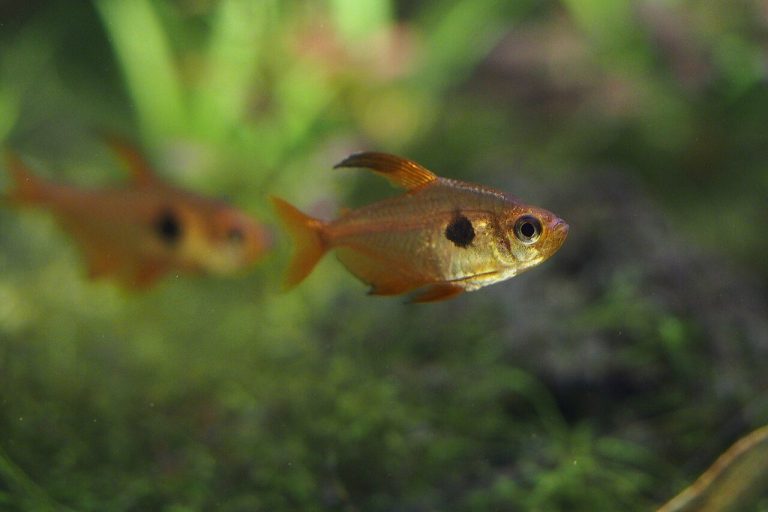
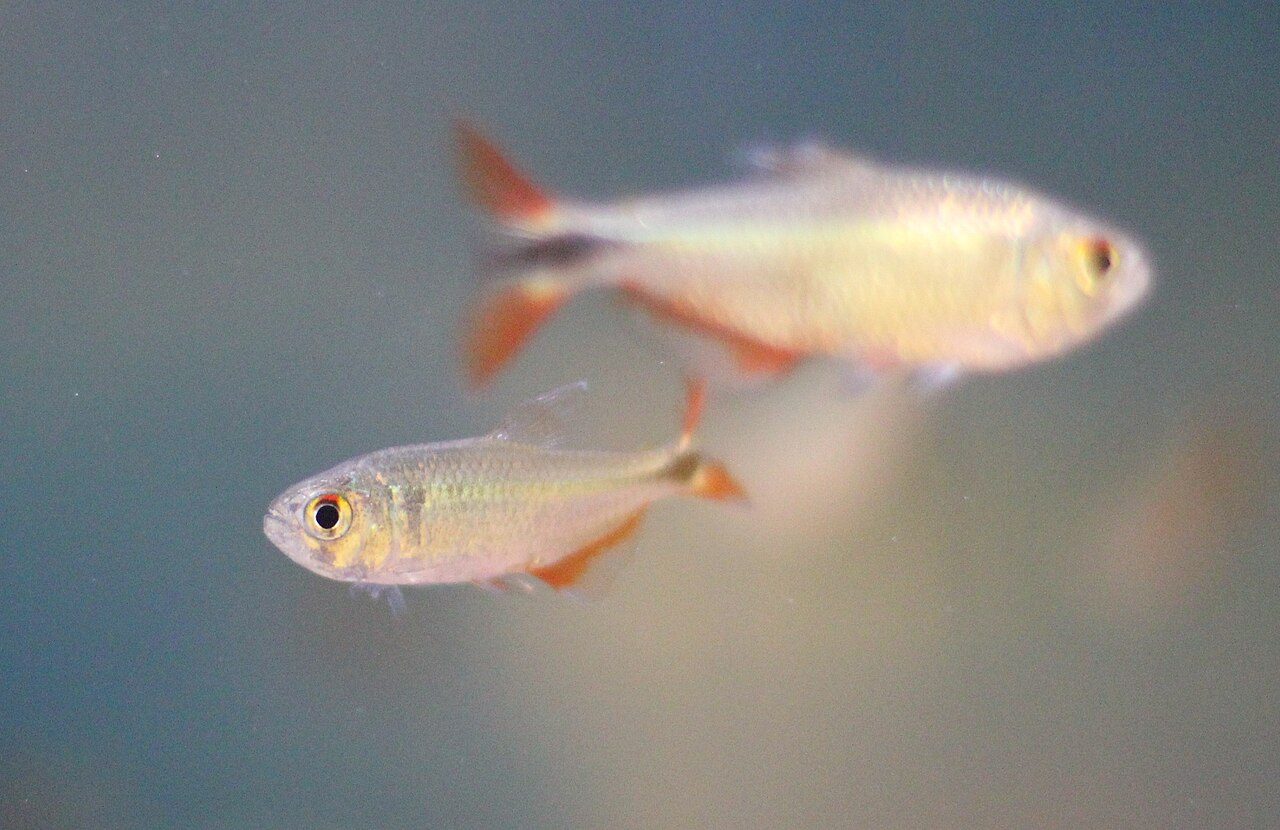
They are characterized by their silvery bodies, orange-to-red fins, and a distinct black diamond-shaped spot at the base of the tail. Unlike some of the different kinds of tetra fish that are shy, these guys are bold and front-and-center.
I’ve noticed that their shoaling behavior is much more intense than that of smaller species. They move as a tight unit, often darting across the tank with impressive speed, which can be intimidating for slower-moving fish.
Pro Tip: Always keep Buenos Aires Tetras in a group of at least 6 to 8 individuals. In my experience, smaller groups lead to increased stress and “pecking order” aggression, which often results in them lashing out at other tank mates.
Natural Habitat and Water Requirements
These fish originate from the Rio de la Plata basin in South America. This region experiences seasonal changes, which has made the Buenos Aires Tetra exceptionally adaptable to various water conditions.
They can handle cooler temperatures than many other tropical fish, sometimes even healthy in unheated indoor tanks. However, for a community setting, keeping them within a stable range is best for all inhabitants.
Below is a table outlining the ideal water parameters for keeping these tetras and their potential companions healthy.
| Parameter | Ideal Range |
|---|---|
| Temperature | 64°F to 82°F (18°C to 28°C) |
| pH Level | 6.0 to 8.0 |
| Water Hardness (dGH) | 5 to 20 dGH |
| Minimum Tank Size | 30 Gallons (Long is better) |
The Best Buenos Aires Tetra Tank Mates
When selecting Buenos Aires Tetra tank mates, the “golden rule” is to choose fish that are equally active and do not have long, flowing fins. Fin nipping is the most common issue you will face if you choose the wrong companions.
In my early years, I made the mistake of putting them with fancy guppies. I quickly learned that those flowing tails were simply too tempting for the tetras to ignore.
1. Solid Barbs
The Tiger Barb (Puntigrus tetrazona) is an excellent candidate. Both species share a similar temperament and energy level, meaning neither will be bullied by the other.
Rosy Barbs are another fantastic choice because they are large enough to stand their ground and fast enough to avoid any unwanted attention. They also appreciate the slightly cooler water that Buenos Aires Tetras enjoy.
2. Active Danios
Zebra Danios (Danio rerio) are perhaps the most compatible fish I have ever kept with these tetras. They are constantly on the move, occupying the upper levels of the tank while the tetras hang out in the middle.
Giant Danios are also worth considering if you have a larger aquarium (55 gallons or more). Their size and speed make them completely immune to any nipping attempts.
3. Bottom Dwellers
Since Buenos Aires Tetras stay in the middle and upper water columns, bottom-dwelling fish are usually safe. The Peppered Cory (Corydoras paleatus) is a personal favorite for this setup.
Unlike some tropical corys, the Peppered Cory does well in the same cooler temperature ranges. They are peaceful, busy, and their armored scales provide a bit of natural protection just in case a tetra gets curious.
4. Rainbowfish
If you want to add a splash of color, Boesemani Rainbowfish (Melanotaenia boesemani) are spectacular. They are large, deep-bodied, and incredibly fast.
In my experience, Boesemani Rainbows and Buenos Aires Tetras ignore each other entirely. They are both too busy with their own shoaling behavior to bother anyone else.
The Plant Dilemma: What to Grow with These Tetras
One of the most important things to know about Buenos Aires Tetra tank mates isn’t actually a fish—it’s the plants. These tetras are notorious herbivores and will shred most soft-leaved plants in days.
I remember being so proud of my first planted aquascape, only to wake up and find my Amazon Swords looking like Swiss cheese. If you want a green tank, you have to be strategic with your flora.
You need tough, “leathery” plants that the tetras find unpalatable. Anubias barteri is the gold standard here; its thick leaves are usually left alone by even the hungriest tetra.
Java Fern (Microsorum pteropus) is another excellent option. It grows well in low light and has a bitter taste that discourages grazing.
Pro Tip: To protect your plants, try feeding your tetras high-quality spirulina flakes or blanched zucchini. When they have enough “greens” in their diet, they are much less likely to view your expensive aquatic plants as a salad bar.
Common Mistakes When Choosing Tank Mates
The biggest mistake beginners make is treating the Buenos Aires Tetra like a Neon Tetra. While Neons are peaceful and delicate, Buenos Aires Tetras are “semi-aggressive” simply due to their activity level.
Avoid any fish that are slow or have long fins. This includes Angelfish, Bettas, and Fancy Guppies. The constant movement of the tetras can stress these species out, even if no actual nipping occurs.
Another error is putting them in a tank that is too small. In a 10-gallon or 20-gallon tank, these tetras feel cramped. When they feel cramped, their fin nipping tendencies increase exponentially.
I always recommend a “long” tank over a “tall” tank. They need horizontal swimming space to burn off energy. A 30-gallon long is the absolute minimum I would suggest for a small school and their Buenos Aires Tetra tank mates.
If you are looking for a more peaceful experience, you might want to read about the best tetra fish for beginners which includes species that are a bit more “plant-friendly.”
Step-by-Step: How to Introduce New Tank Mates
Success in a community tank often comes down to how you introduce the inhabitants. You want to minimize territorial disputes from day one.
Step 1: The Quarantine Phase
Never add new fish directly to your main display. Always quarantine new arrivals for at least two weeks to make sure they aren’t carrying parasites or bacterial infections.
Step 2: Rearrange the Decor
Before adding new Buenos Aires Tetra tank mates, move a few rocks, driftwood pieces, or plants around. This “resets” the territories in the tank, making the established tetras feel like they are in a new environment alongside the newcomers.
Step 3: Feed Before Adding
A well-fed fish is a peaceful fish. Feed your tetras about 15 minutes before you release the new tank mates. This keeps them focused on their bellies rather than investigating the new arrivals aggressively.
Step 4: The Lights-Out Method
Turn off the aquarium lights during the introduction and for at least 4-6 hours afterward. This reduces stress for the new fish and helps the tetras settle down for the evening.
Managing Behavior and Aggression
If you notice your tetras becoming overly nippy, check your school size first. I have often seen that adding two or three more tetras to a small group actually decreases aggression toward other species.
This is because they spend more time interacting with each other and establishing their own internal hierarchy. It’s a bit counter-intuitive, but a larger school often leads to a more peaceful community.
Also, keep an eye on the water flow. These fish love a bit of a current. Providing a powerhead or a strong filter outlet gives them a “treadmill” to swim against, which helps burn off the energy that might otherwise be directed at their tank mates.
If you are dealing with a particularly nippy species, it’s worth comparing them to the serpae tetra care guide, as Serpaes share many of these same “spirited” traits.
Questions and answers
Can Buenos Aires Tetras live with Shrimp?
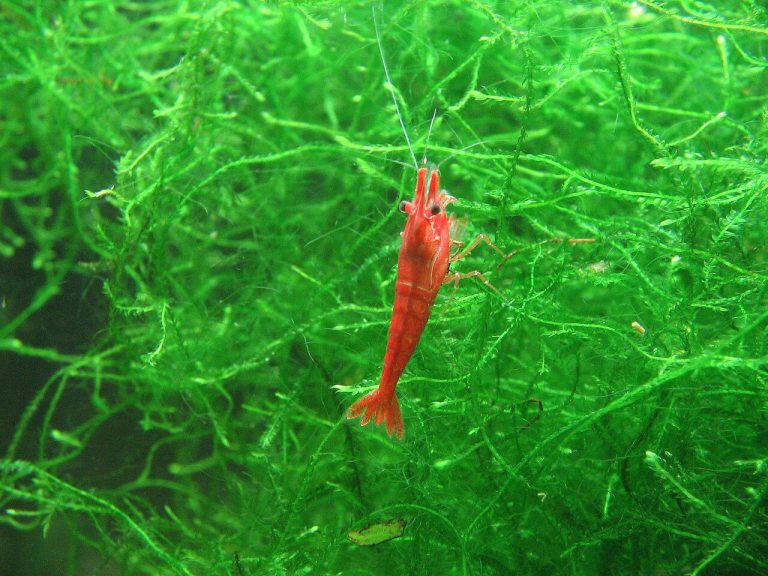
Generally, no. Because of their size and active nature, they will likely hunt and eat smaller shrimp like Cherry Shrimp. Larger Amano Shrimp might survive, but they will spend most of their time hiding in fear.
Are they compatible with Goldfish?
While they can tolerate cooler water, I don’t recommend it. Goldfish are slow and have long fins, making them prime targets for nipping. Additionally, Goldfish produce a lot of waste that can degrade the water quality these tetras need.
How many should I keep in a 55-gallon tank?
In a 55-gallon tank, you could easily keep a large school of 12-15 Buenos Aires Tetras. This would still leave plenty of room for a school of Corydoras on the bottom and a pair of larger, sturdy centerpiece fish like a Blue Acara.
Will they eat my floating plants?
Yes, they often find the roots of floating plants like Frogbit or Water Lettuce to be quite tasty. If you want floating plants, you’ll need to provide plenty of alternative greens in their diet to distract them.
Can they live with African Cichlids?
No. While they are hardy, they cannot handle the high pH and extreme aggression of most African Cichlids. They are much better suited for a community of solid South American or Asian species.
Where that leaves you
Creating a well-kept aquarium with Buenos Aires Tetra tank mates is all about matching energy and durability. If you choose fast-moving species like Danios and Barbs, and opting for tough plants like Anubias, you can enjoy the vivid activity these fish bring.
These tetras are not “bad” fish; they are simply high-performance athletes of the aquarium world. They need space, a good diet, and companions that can keep up with their pace.
If you follow the guidelines in this article, you’ll find that the Buenos Aires Tetra is one of the most satisfying and hardy species you can keep. They bring a level of movement and shimmering beauty that few other freshwater fish can match.
, and may your community tank be as lively and healthy as the Rio de la Plata itself.

- 2003First tank
- 20+Years keeping
- 40+Tanks kept
- 0Sponsored picks
Howard set up his first 10-gallon planted tank in 2003 and lost half of it within six weeks. Two decades and more than forty aquariums later, he writes the guides he wished he had then: clear numbers, the reasons behind them, and what actually goes wrong in home tanks.